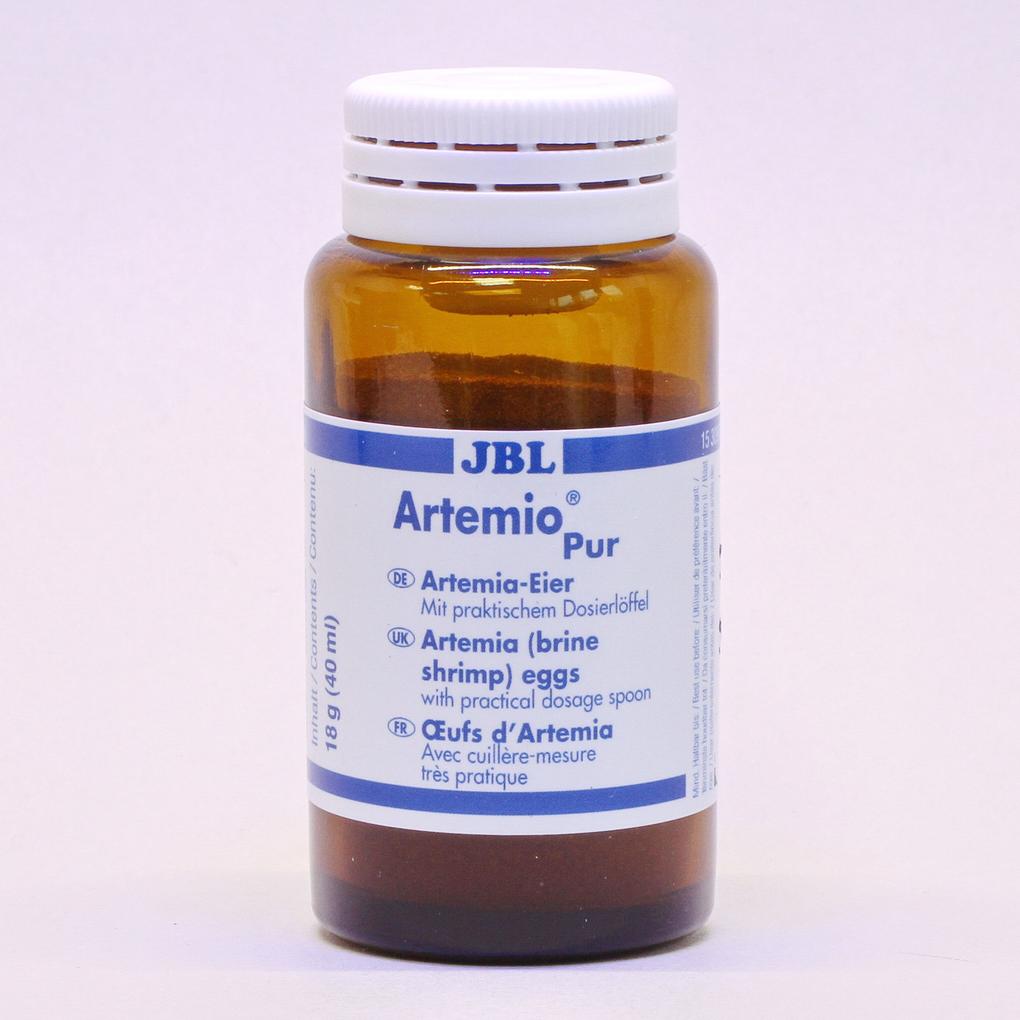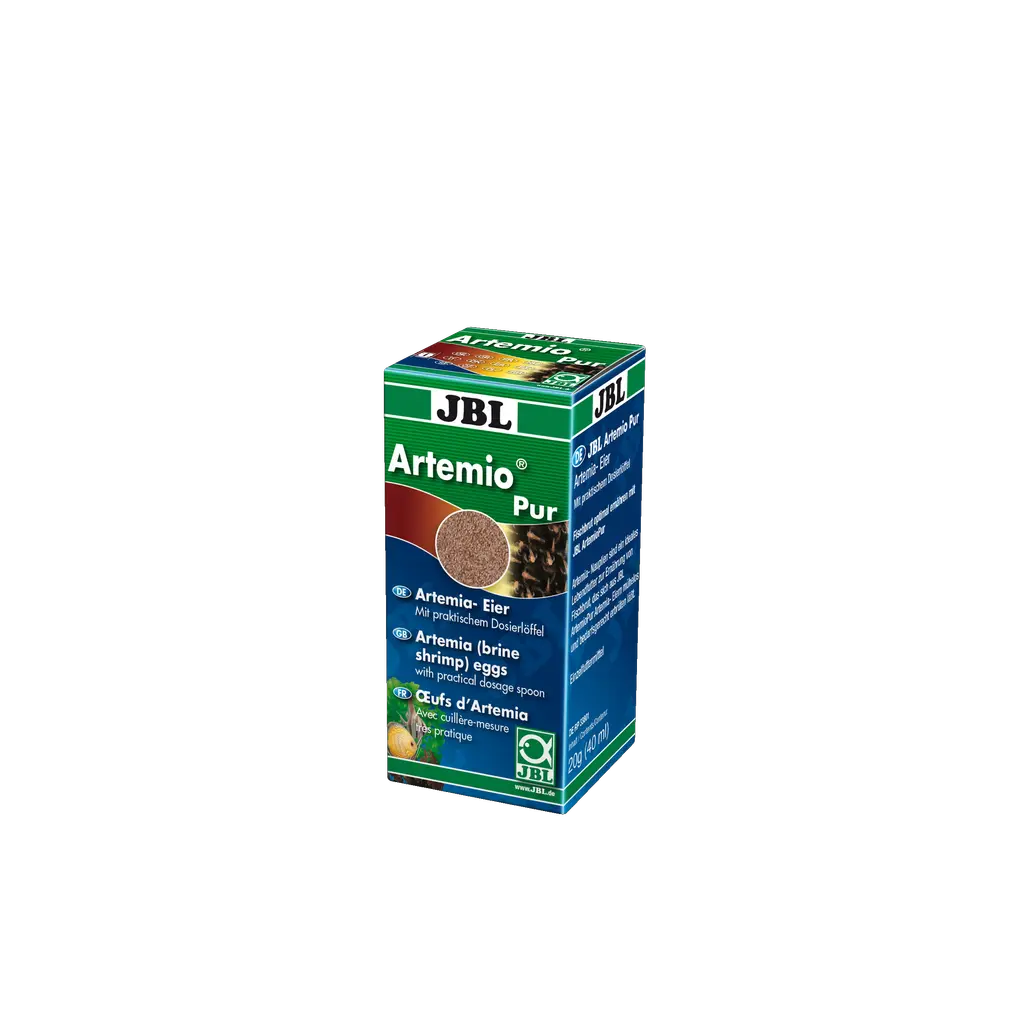
JBL ArtemioPur 40ml

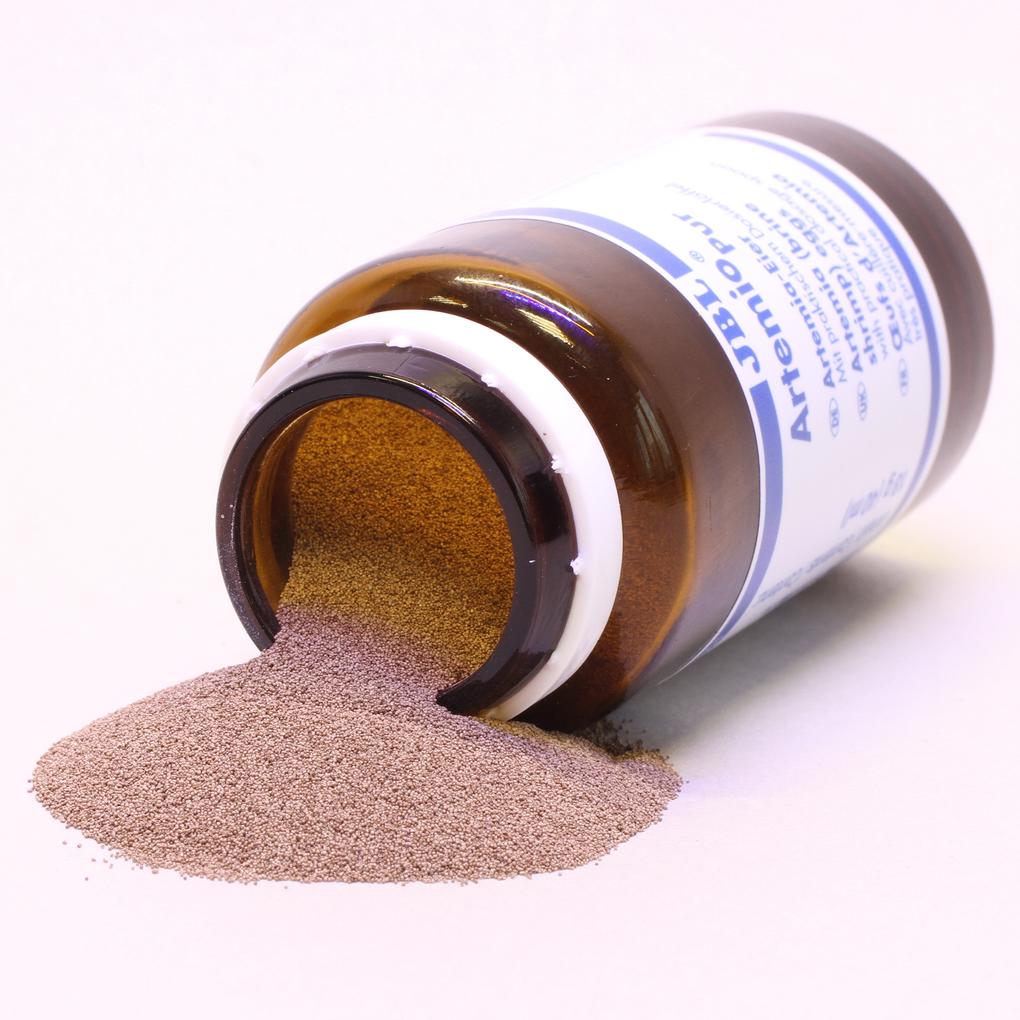
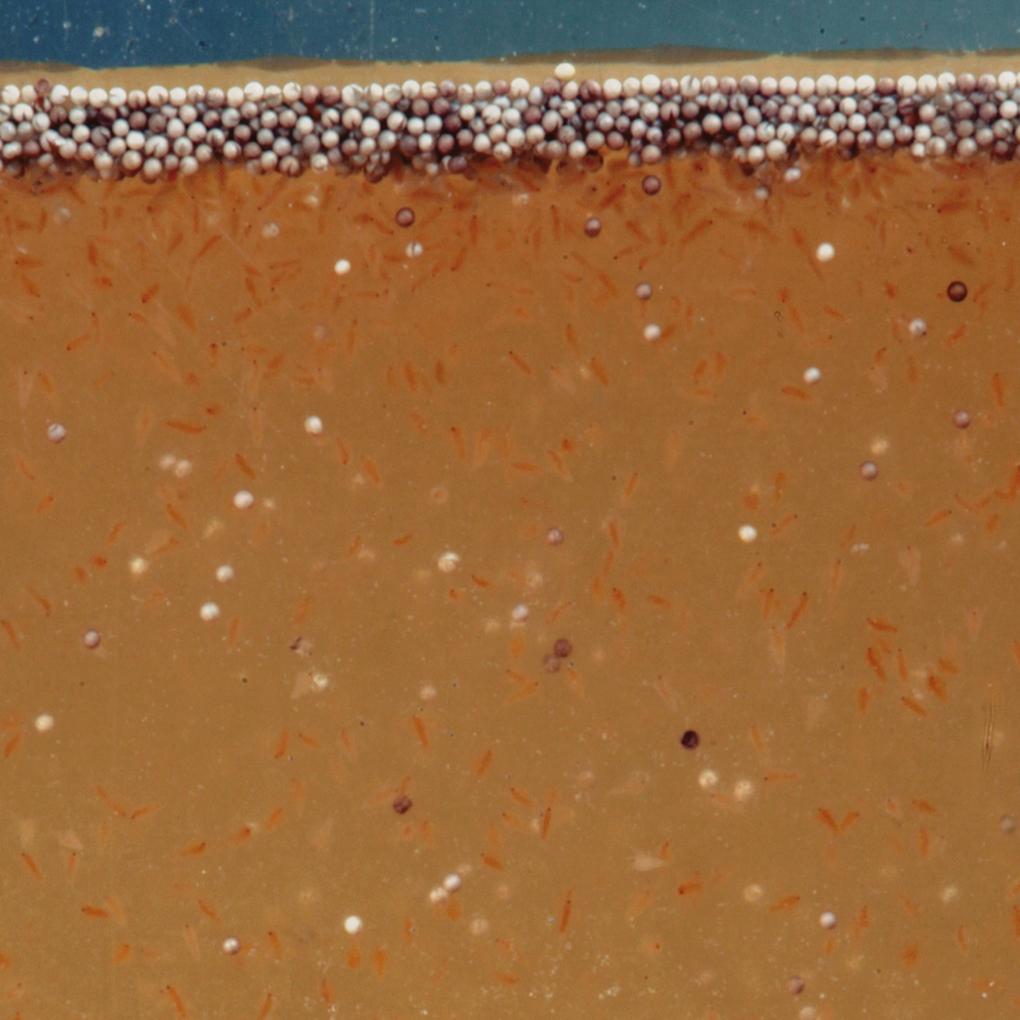
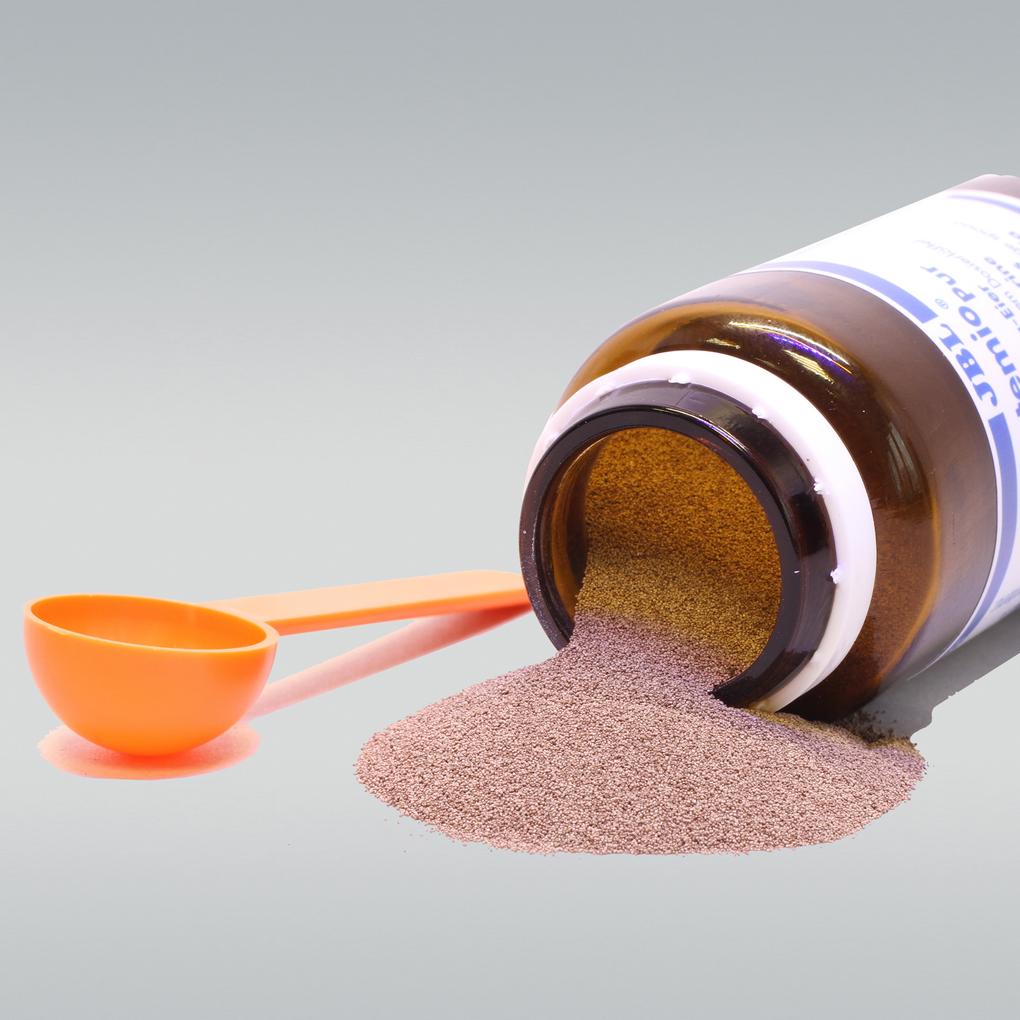
Make your own live food: High-quality Artemia eggs with maximum hatchability for cultivating Artemia crustaceans
Item no. 3090700

17.48 EUR

Price incl. 25.5 VAT plus Delivery
Base price 874 EUR / kg
In stock – delivered to you in 1-3 working days
Shop locator
Product features

  • Live food home-grown: high-quality Artemia eggs with maximal hatching rate for cultivating Artemia nauplii
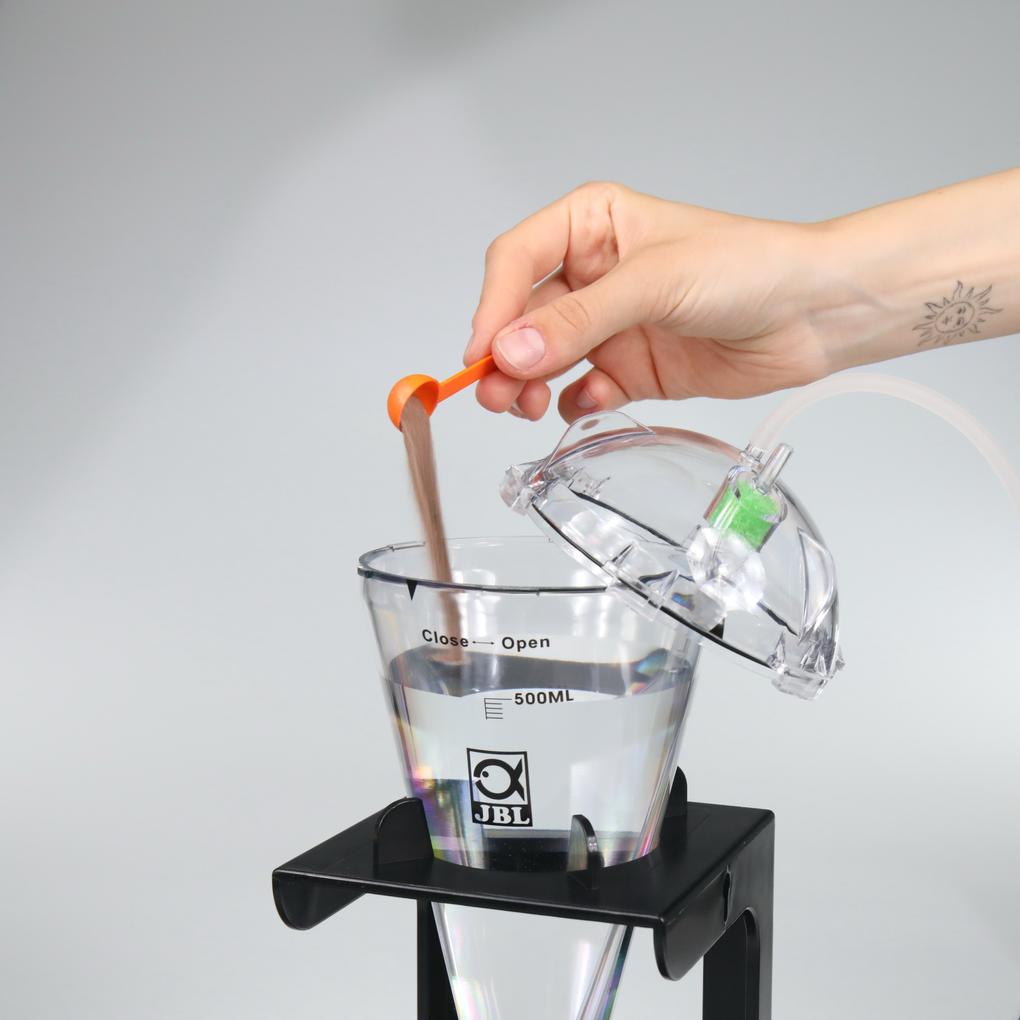
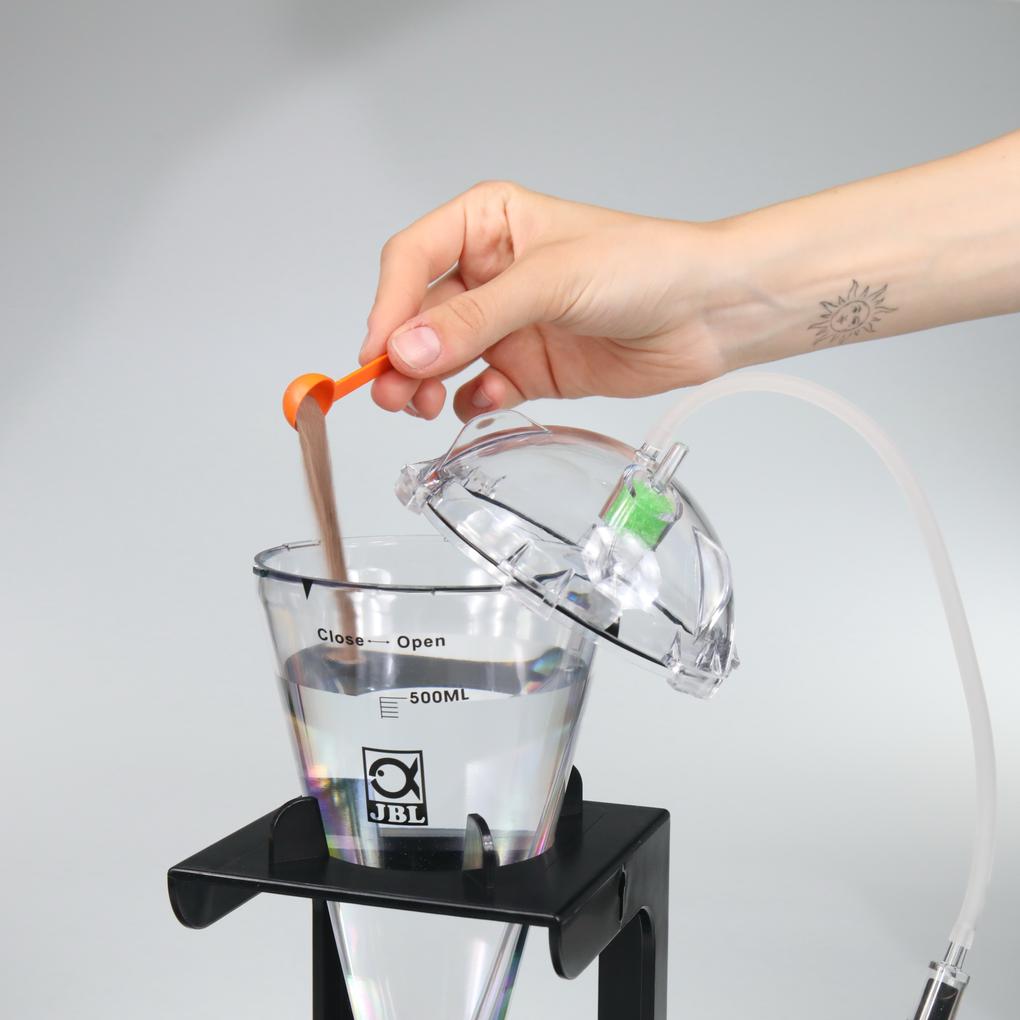
  • Easy to use: add eggs into the saltwater, Artemia nauplii will hatch after 24 hours (special salt sold separately)
  • Hatching rate is guaranteed even after longer storage period due to our nitrogen filling process.
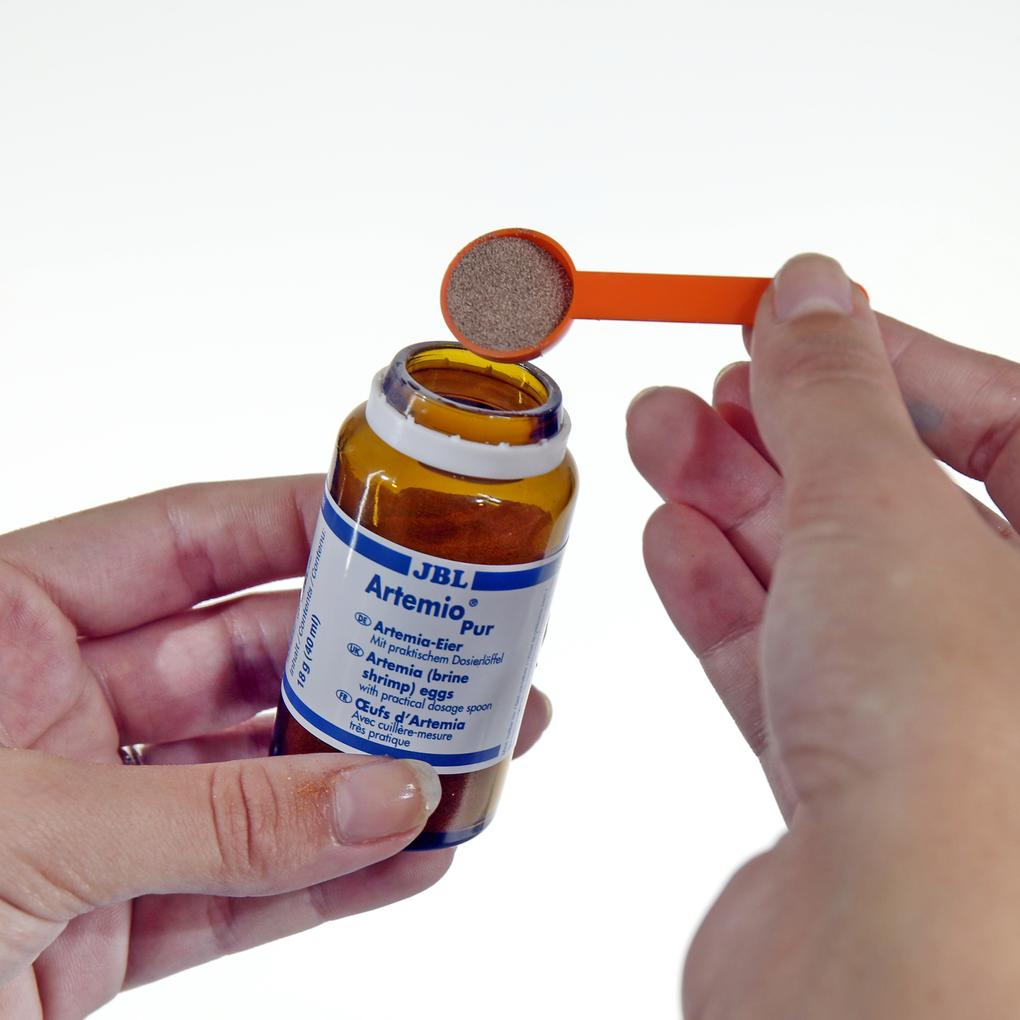
  • To use: 1-3 dosage spoons Artemia eggs for 0.5 l saltwater. Aerate well
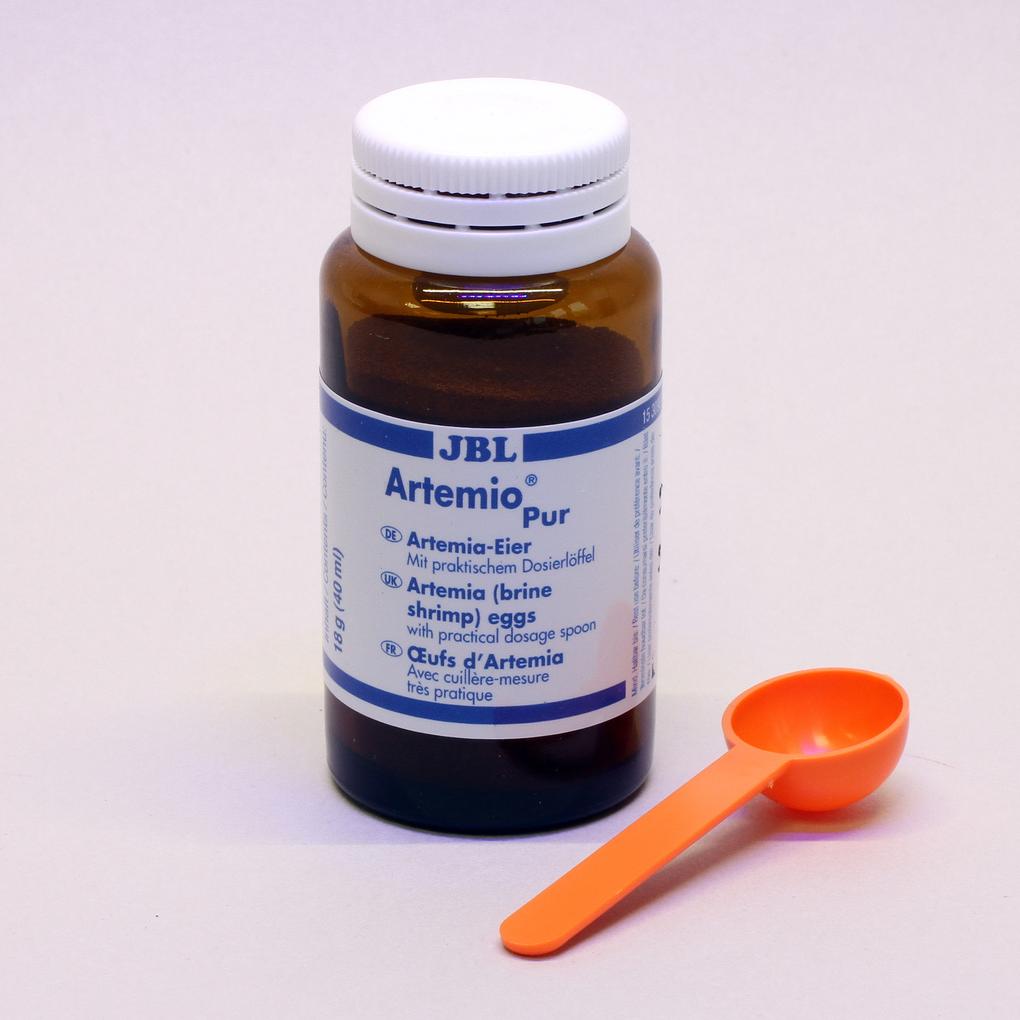
  • Package contents: 20 g Artemia eggs in glass bottle (40 ml), incl. dosage spoon. Can be stored for 1 year unopened. Use within 4 months after opening

Noch offene Fragen?

In unserem FAQ‑Bereich findet ihr Antworten auf die am häufigsten gestellten Fragen. Solltet ihr hier nicht fündig werden, zögert bitte nicht, uns direkt zu kontaktieren – wir helfen euch gerne weiter.

  • JBL Artemio Mix: There are only very few nauplius larvae, or none at all, hatching in my tank. What am I doing wrong?

    A water temperature of 25 °C is ideal for hatching. At room temperature (equivalent to a water temperature of approx. 20-21 °C), it takes up to 36 hours. Try again with 2 instead of 3 spoonfuls of the fermentation starter and reduce the air supply to approx. 50%. On condition that the best-before date has not been exceeded, this should work. An additional lighting source at the start of fermentation can considerably increase the hatching rate. _x000D_ _x000D_ With reference to the KidsSet: the number of eggs in the KidSet in the salt mixture has been reduced (so that the hatched larvae don't poison themselves with their metabolic end products), and this means that you may not be able to recognise the small nauplii in the KidSet at first sight. Backlight may help to see them better. _x000D_ _x000D_ Planktonic algae are ideal for rearing the larvae. ArtemioFluid contains a suspension of ultra-fine algae products which the larvae accept as substitute food. A warm, light spot is recommended. If there is a lack of light, especially in the winter, you may want to provide additional lighting, e.g. by using an energy-saving lamp.

    War diese Antwort hilfreich?
  • JBL ArtemioSet, JBL Artemio 3: Why doesn't the water from the breeding reactor flow through the fine sieve?

    At the beginning, you may actually find that the water from the breeding reactor is not flowing through the fine sieve. This can happen when _x000D_ _x000D_ - a fresh, dry sieve is used for the first time, _x000D_ - a used sieve that has not been rinsed properly is used, _x000D_ - a sieve that is dried out is used. _x000D_ _x000D_ Possible remedies: _x000D_ _x000D_ 1) Moisten the sieve on both sides beforehand to remove the air from the pores so that the water can flow through freely. 2) Tap on the underside of the sieve. This contact causes the water to be drawn through the sieve and the effect to spread across the surface of the sieve. _x000D_ _x000D_ This is due to the sieve's fine structure with a mesh size of 150 µm and the so-called cohesion of the water molecules. Water molecules combine to form larger units (clusters), which is why water is liquid between 0 °C and 100 °C. Otherwise, it would be gaseous. When you have a fine, dry sieve, the cohesion prevents the water from passing through initially, because the pores are still filled with air. By contrast, when you have a moist sieve or have established contact on the underside, a suction effect occurs which breaks up the clusters, thereby permitting water to flow through the sieve.

    War diese Antwort hilfreich?

Antwort nicht gefunden?

Stelle deine Frage an das JBL Service Team.

Analytische Bestandteile

Crude protein: 48 %, Fat content: 5 %, Crude fibre: 1.2 %, Crude ash: 16 %

Information and consent to cookies & third-party content

We use technically necessary cookies/tools to offer, operate and secure this service. Furthermore ,with your express consent , we use cookies/tools for marketing, tracking, creating personalised content on third-party sites and for displaying third-party content on our website. You can revoke your consent at any time with effect for the future via the menu item ‘Cookie settings’.
By clicking on ‘Allow all’, you give us your express consent to the use of cookies/tools to improve the quality and performance of our service, for functional and personalised performance optimisation, to measure the effectiveness of our ads or campaigns, for personalised content for marketing purposes, including outside our website. This enables us to provide personalised online ads and extended analysis options about your user behaviour. This also includes accessing and storing data on your device. You can revoke your consent at any time with effect for the future via the menu item ‘Cookie settings’.
You can use the ‘Change settings’ button to grant and revoke individual consent to the cookies/tools and receive further information on the cookies/tools we use, their purposes and duration.
By clicking on ‘Only absolutely necessary’, only technically necessary cookies/tools are used.

Our data protection declaration tells you how we process personal data and what purposes we use the data processing for.

PUSH messages from JBL

What are PUSH messages? As part of the W3C standard, web notifications define an API for end-user notifications that are sent to the user's desktop and/or mobile devices via the browser. Notifications appear on the end devices as they are familiar to the end user from apps installed on the device (e.g. emails). Notifications appear on the end user’s device, just like an app (e.g. for emails) installed on the device.

A notification makes it possible to inform the user about an event outside the context of a website, such as a new blog post, a competition or a voucher.

These notifications enable a website operator to contact its users whenever they have a browser open - it doesn’t matter whether the user is currently visiting the website or not.

To be able to send web push notifications, all you need is a website with a web push code installed. This allows brands without apps to take advantage of many of the benefits of push notifications (personalised real-time communications at just the right moment).

Web notifications are part of the W3C standard and define an API for end user notifications. A notification makes it possible to inform the user about an event, such as a new blog post, outside the context of a website.

JBL GmbH & Co. KG provides this service free of charge, and it is easy to activate or deactivate.