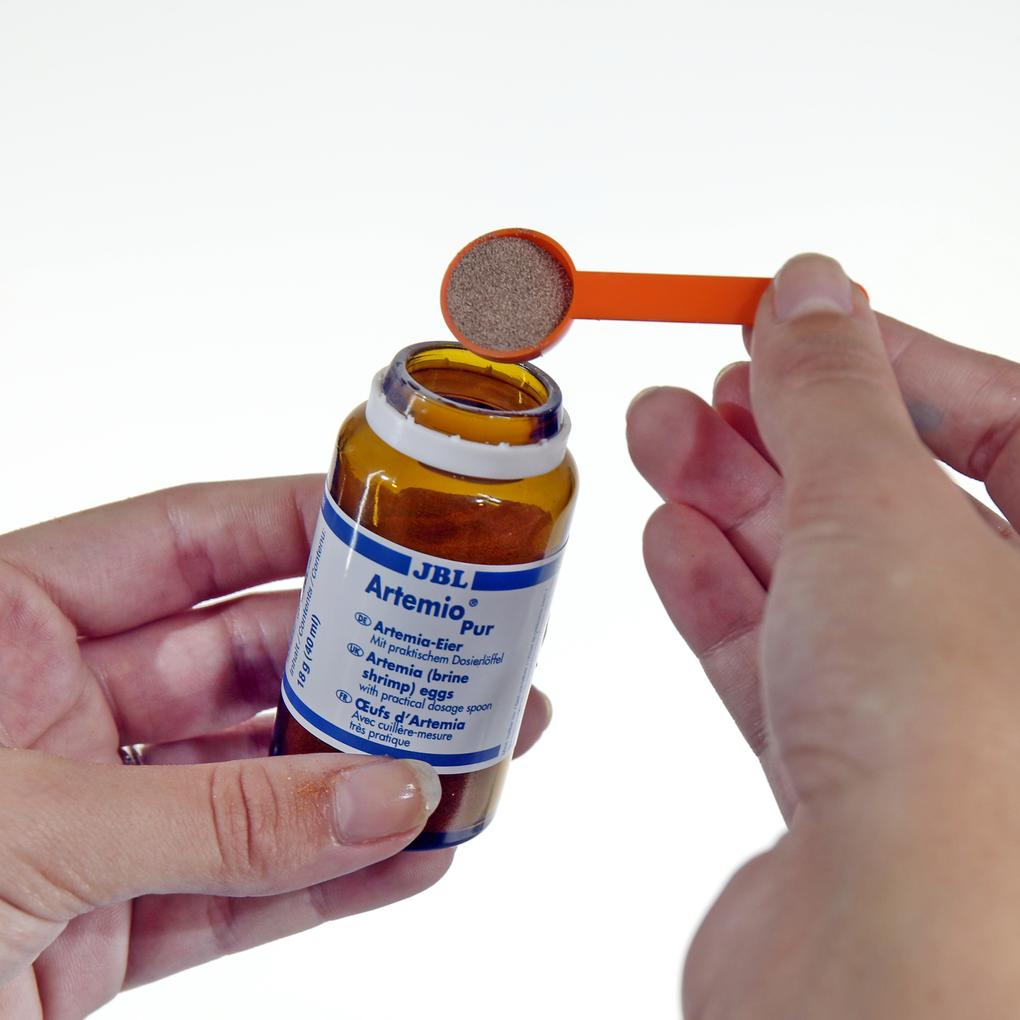
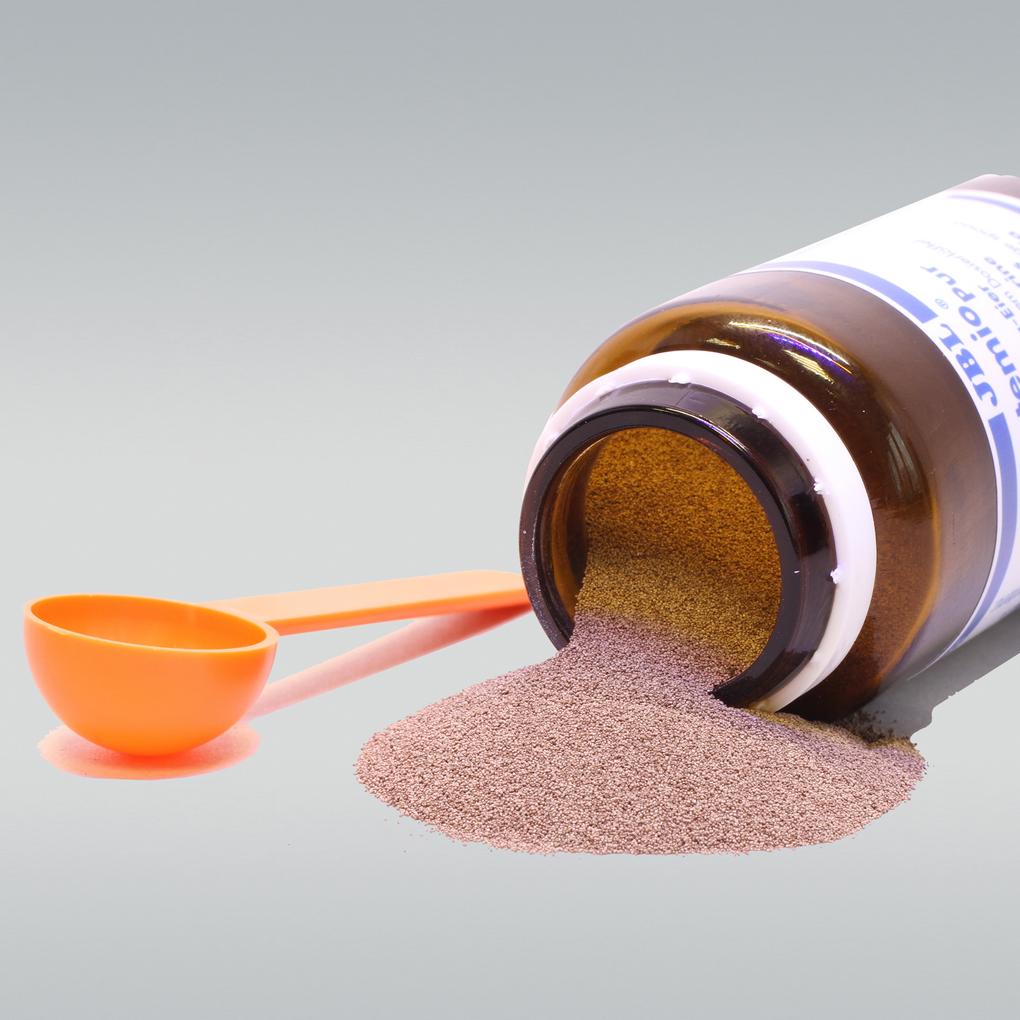
JBL ArtemioPur 40ml
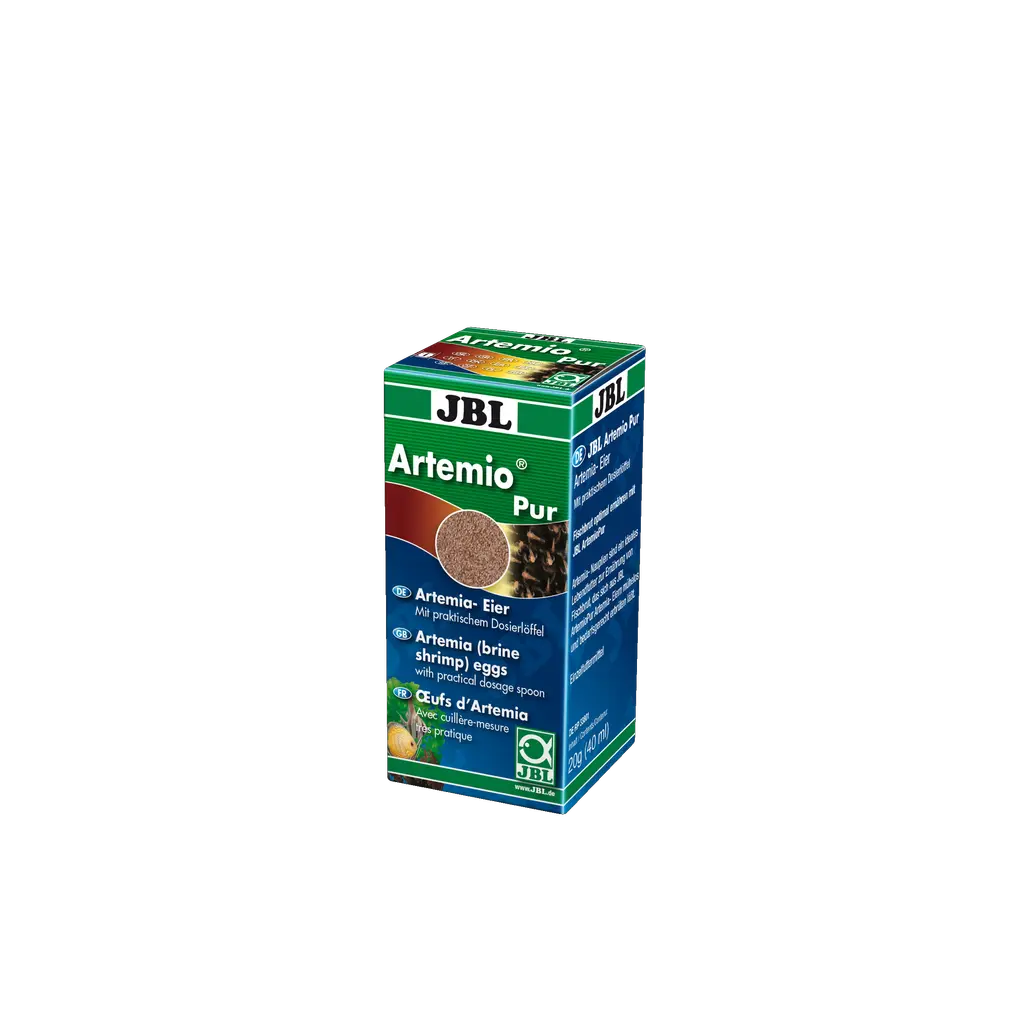
Item no. 3090700
In stock – delivered to you in 1-3 working days
Shop locator
In unserem FAQ‑Bereich findet ihr Antworten auf die am häufigsten gestellten Fragen. Solltet ihr hier nicht fündig werden, zögert bitte nicht, uns direkt zu kontaktieren – wir helfen euch gerne weiter.
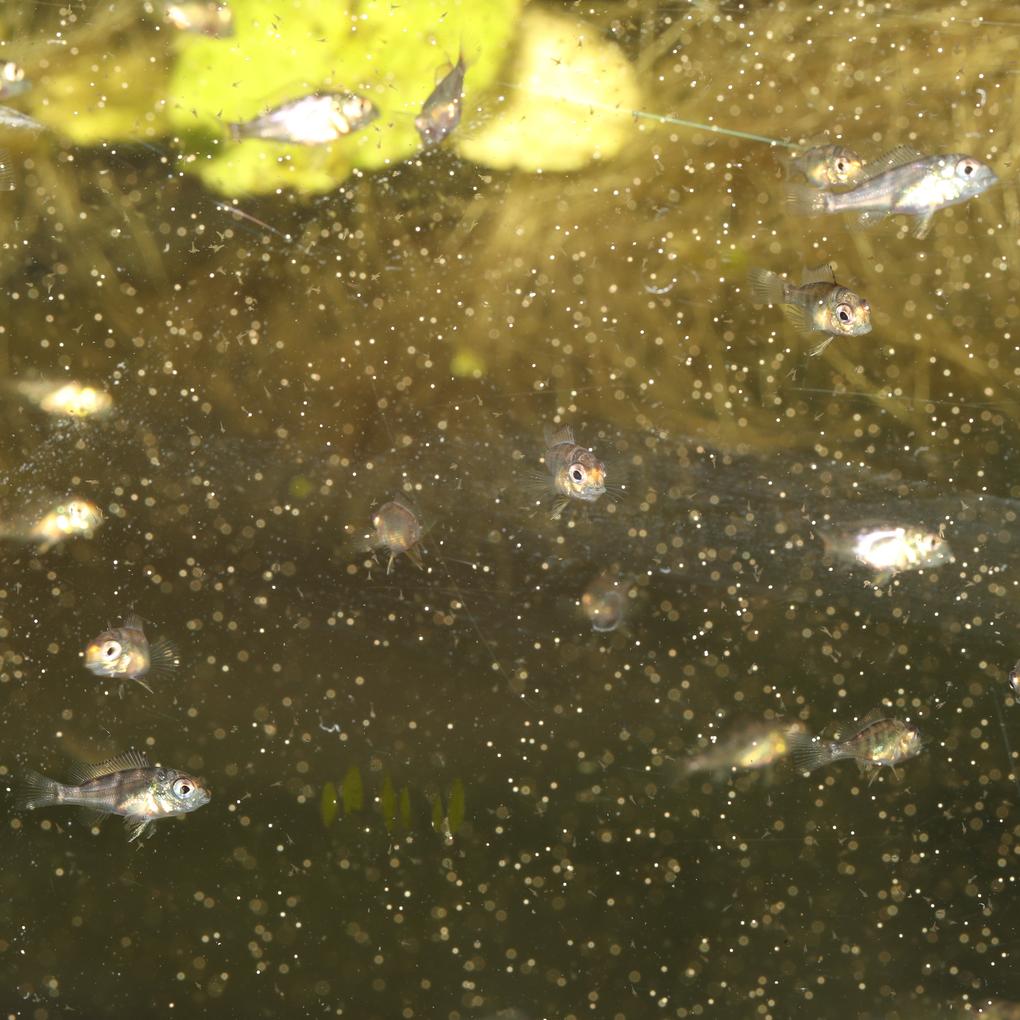
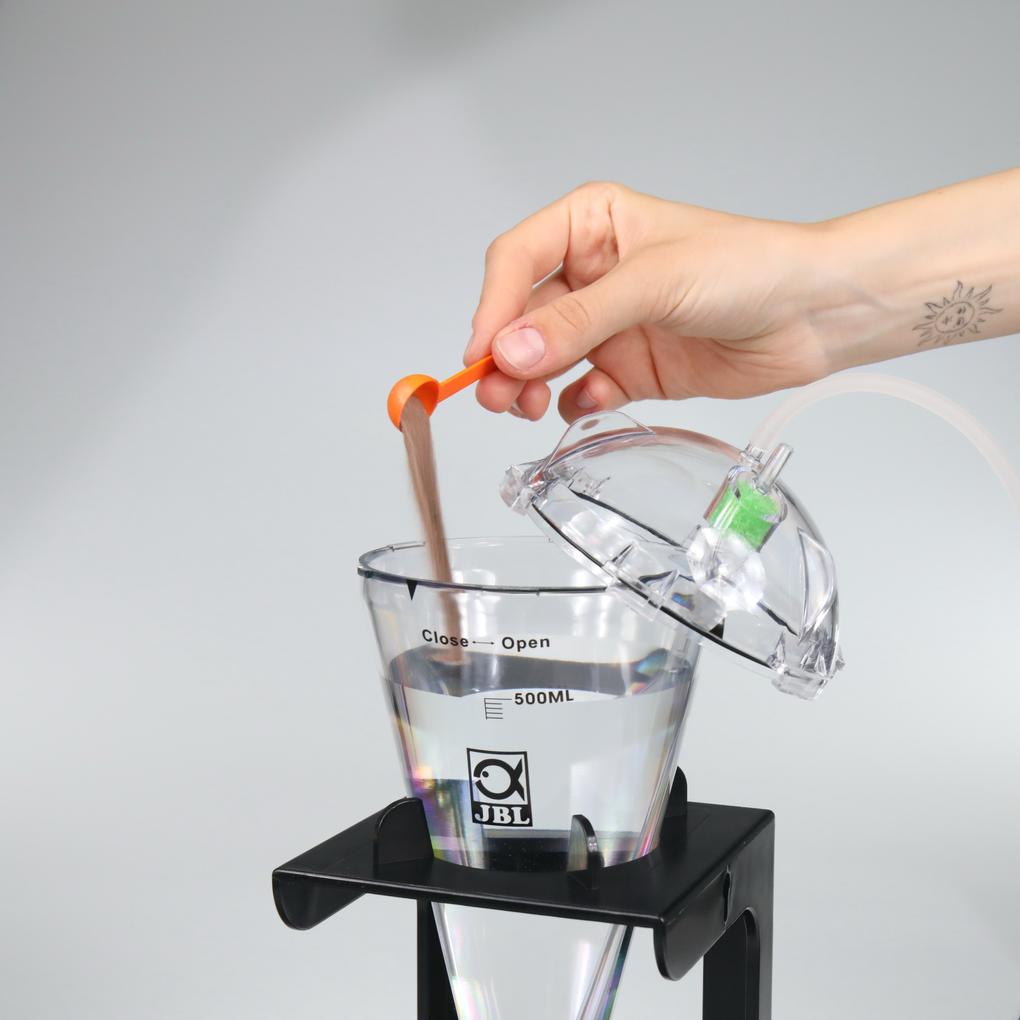
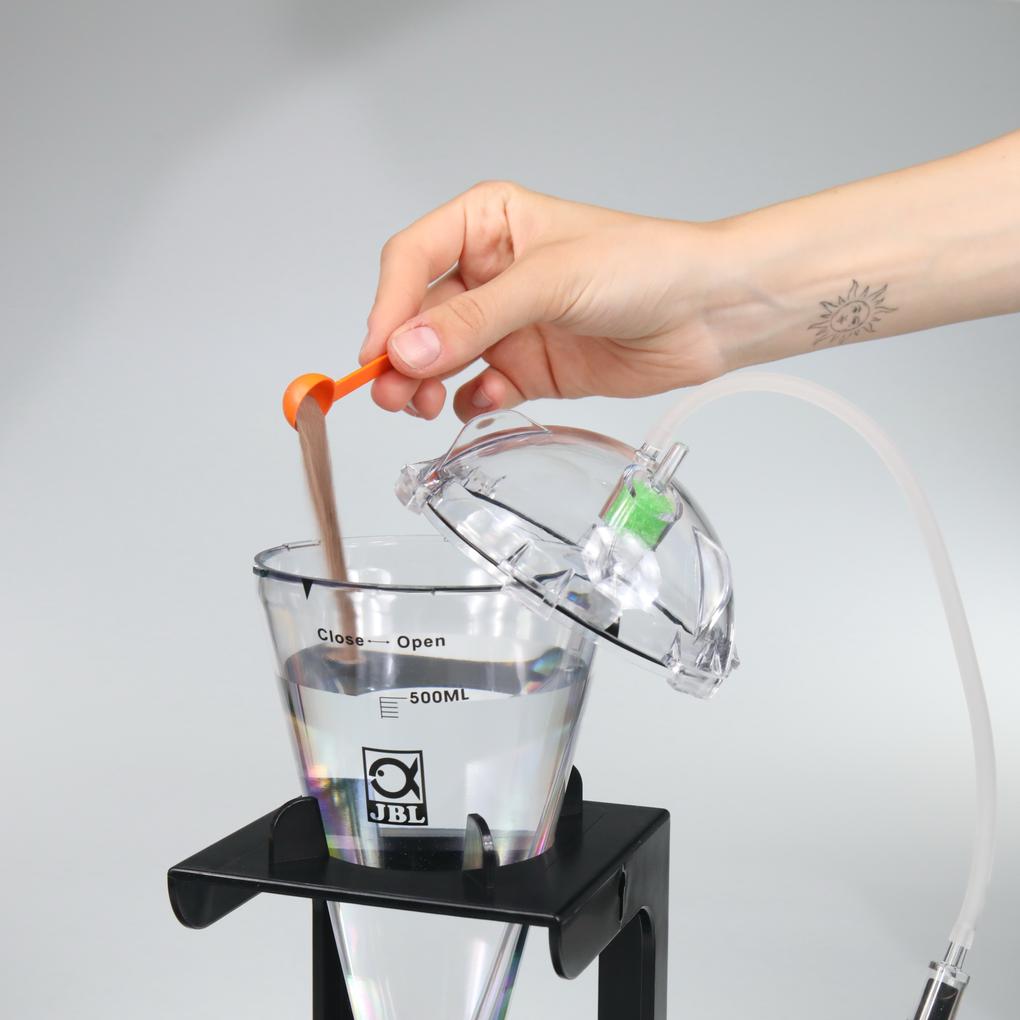
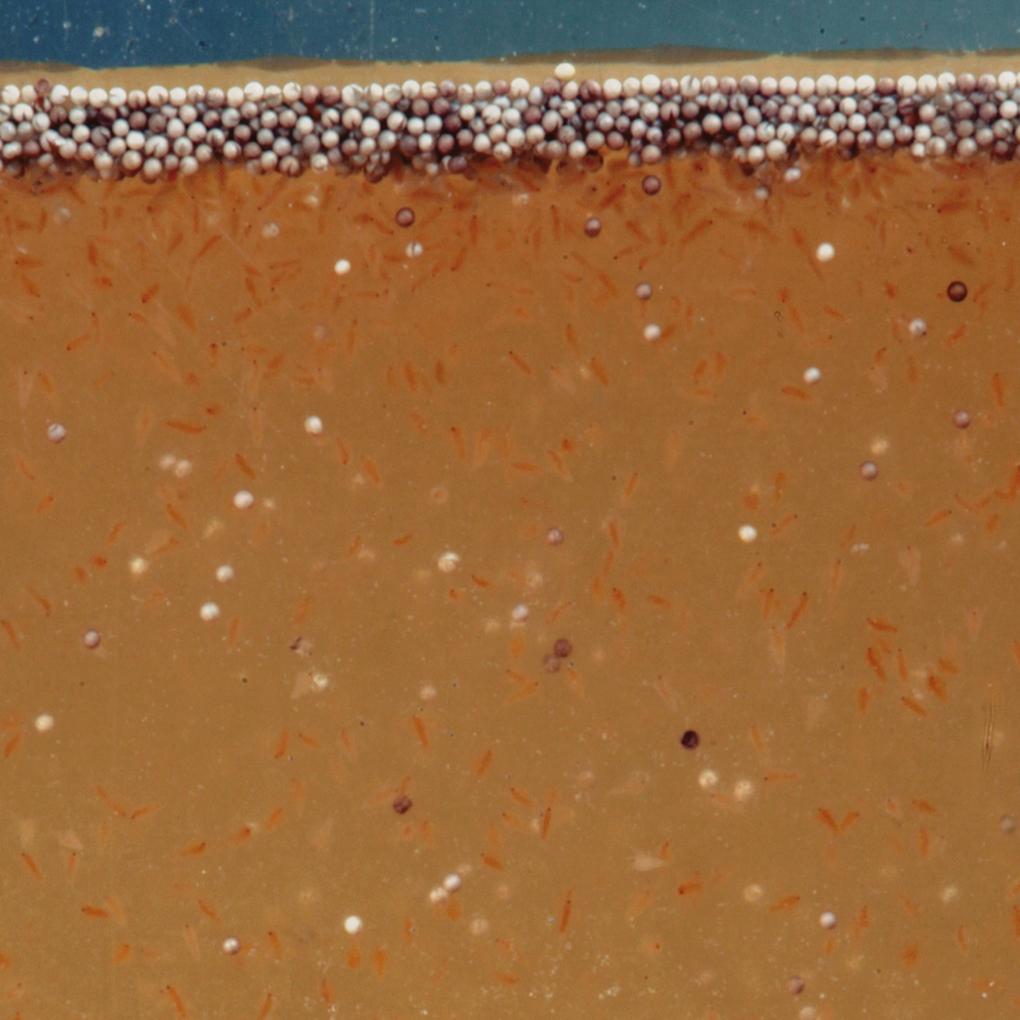
A water temperature of 25 °C is ideal for hatching. At room temperature (equivalent to a water temperature of approx. 20-21 °C), it takes up to 36 hours. Try again with 2 instead of 3 spoonfuls of the fermentation starter and reduce the air supply to approx. 50%. On condition that the best-before date has not been exceeded, this should work. An additional lighting source at the start of fermentation can considerably increase the hatching rate. _x000D_ _x000D_ With reference to the KidsSet: the number of eggs in the KidSet in the salt mixture has been reduced (so that the hatched larvae don't poison themselves with their metabolic end products), and this means that you may not be able to recognise the small nauplii in the KidSet at first sight. Backlight may help to see them better. _x000D_ _x000D_ Planktonic algae are ideal for rearing the larvae. ArtemioFluid contains a suspension of ultra-fine algae products which the larvae accept as substitute food. A warm, light spot is recommended. If there is a lack of light, especially in the winter, you may want to provide additional lighting, e.g. by using an energy-saving lamp.
At the beginning, you may actually find that the water from the breeding reactor is not flowing through the fine sieve. This can happen when _x000D_ _x000D_ - a fresh, dry sieve is used for the first time, _x000D_ - a used sieve that has not been rinsed properly is used, _x000D_ - a sieve that is dried out is used. _x000D_ _x000D_ Possible remedies: _x000D_ _x000D_ 1) Moisten the sieve on both sides beforehand to remove the air from the pores so that the water can flow through freely. 2) Tap on the underside of the sieve. This contact causes the water to be drawn through the sieve and the effect to spread across the surface of the sieve. _x000D_ _x000D_ This is due to the sieve's fine structure with a mesh size of 150 µm and the so-called cohesion of the water molecules. Water molecules combine to form larger units (clusters), which is why water is liquid between 0 °C and 100 °C. Otherwise, it would be gaseous. When you have a fine, dry sieve, the cohesion prevents the water from passing through initially, because the pores are still filled with air. By contrast, when you have a moist sieve or have established contact on the underside, a suction effect occurs which breaks up the clusters, thereby permitting water to flow through the sieve.
Stelle deine Frage an das JBL Service Team.
Crude protein: 48 %, Fat content: 5 %, Crude fibre: 1.2 %, Crude ash: 16 %