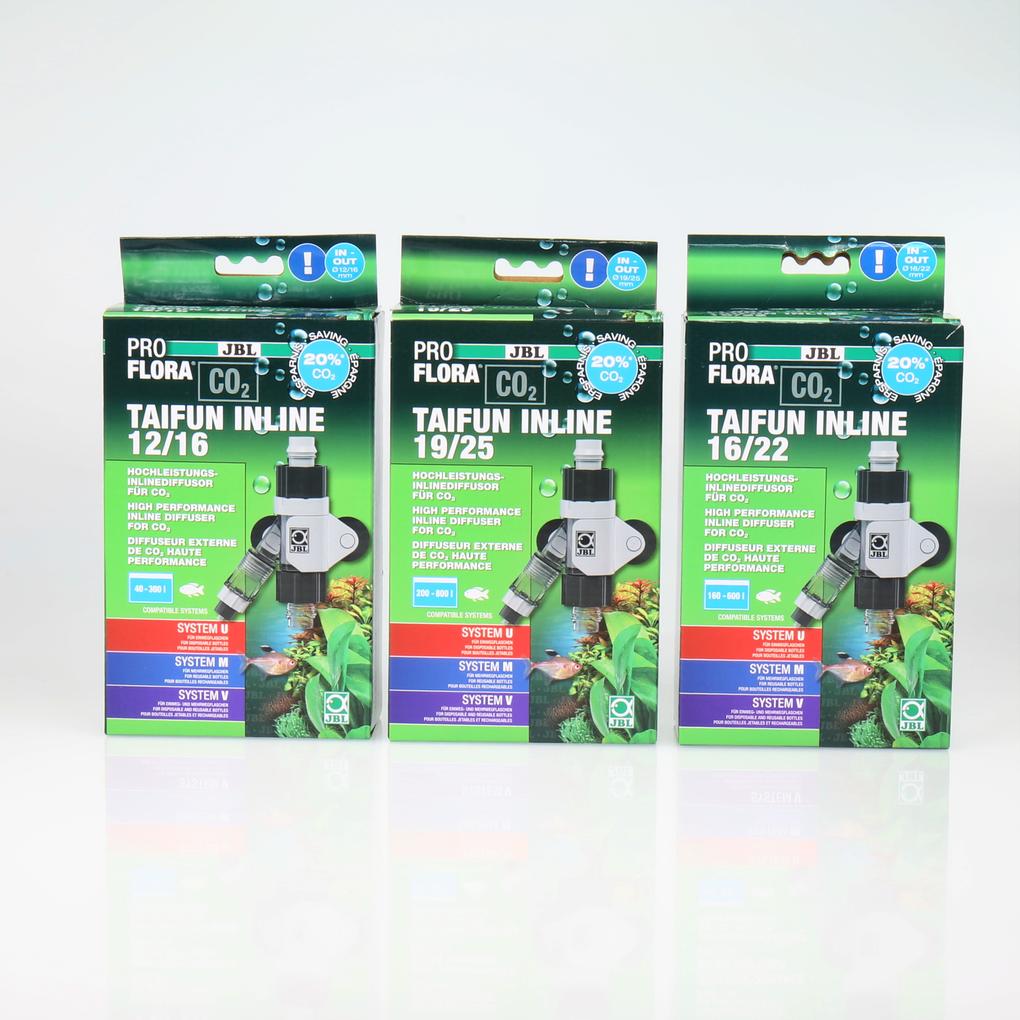
JBL PROFLORA CO2 TAIFUN INLINE 12/17

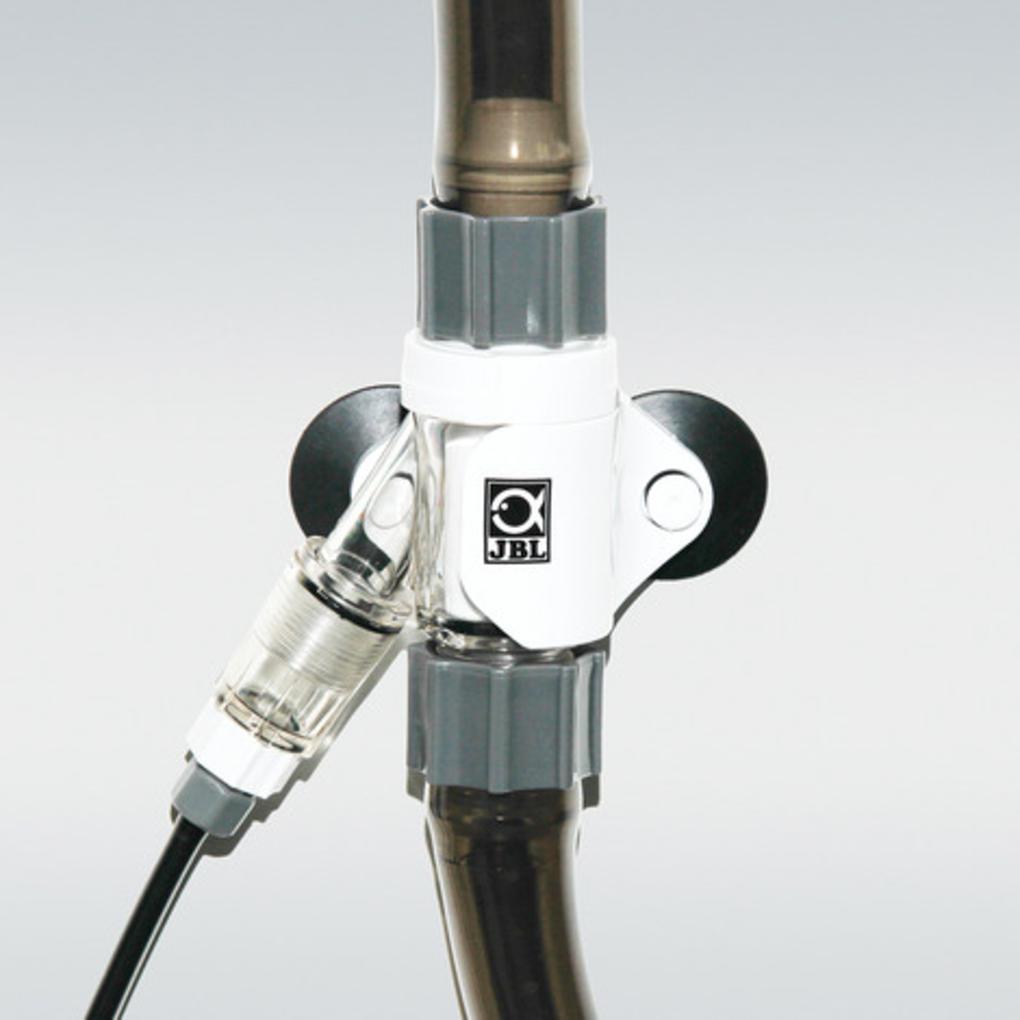
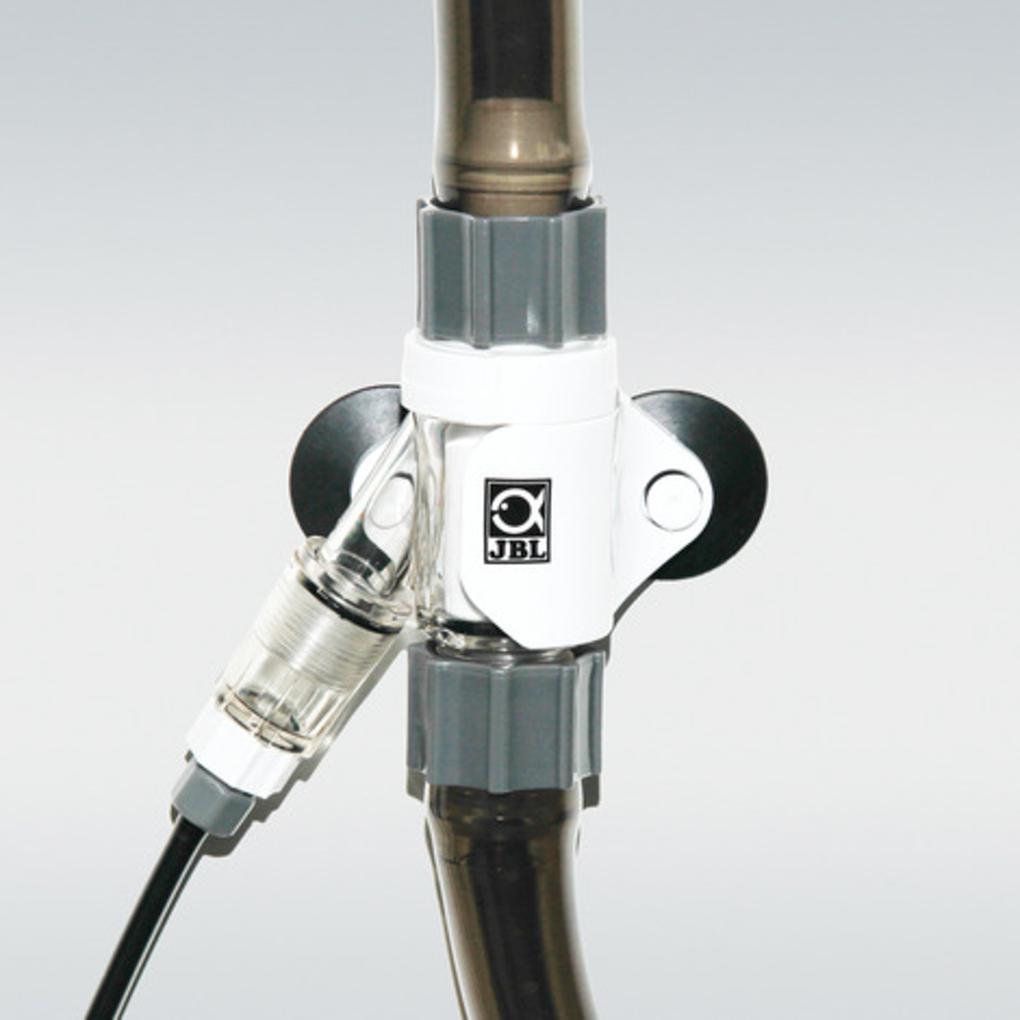
Highly efficient CO2 enrichment for perfect plant growth in aquariums through installation in the filter return hose

33.72 EUR

Price incl. 16 VAT plus Delivery
In stock – delivered to you in 1-3 working days
Shop locator

Product features

  • Very efficient CO2 enrichment for perfect plant growth in the aquarium thanks to its installation inside the filter return hose
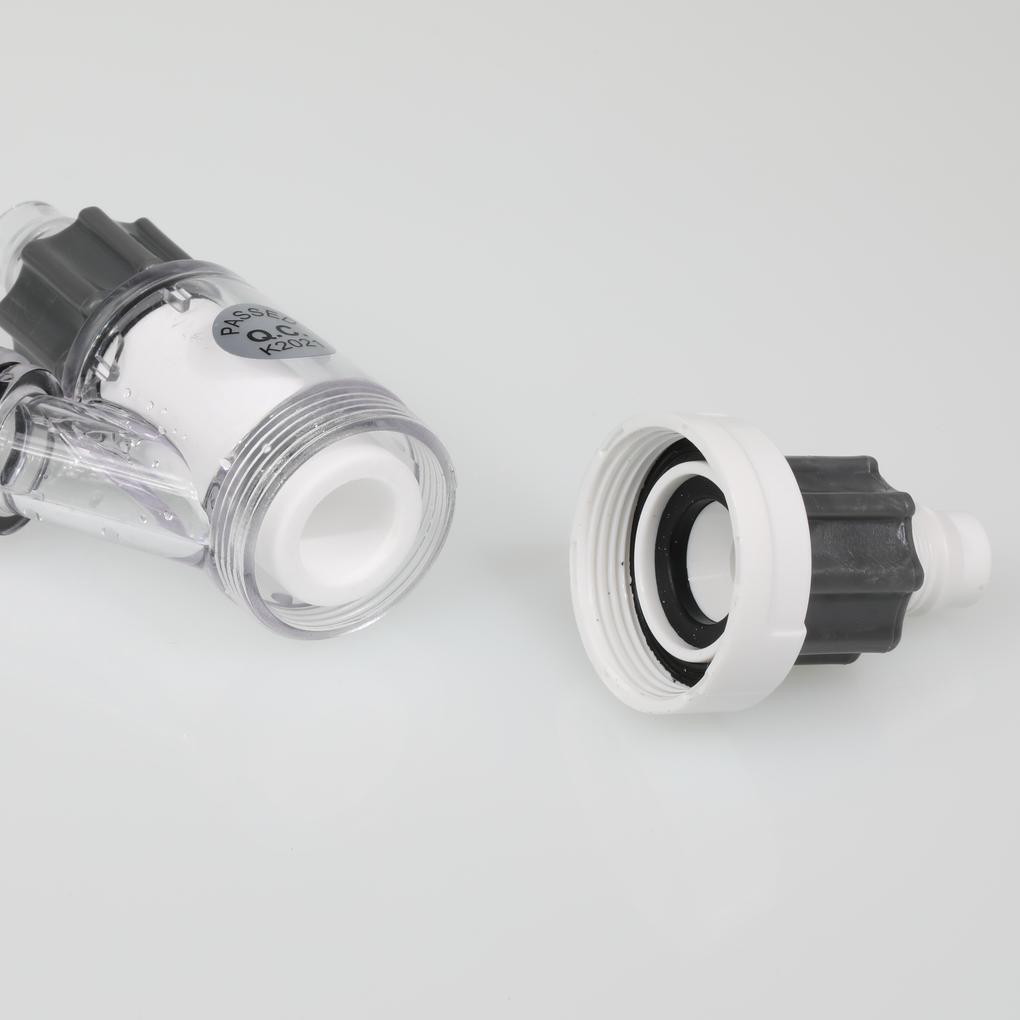
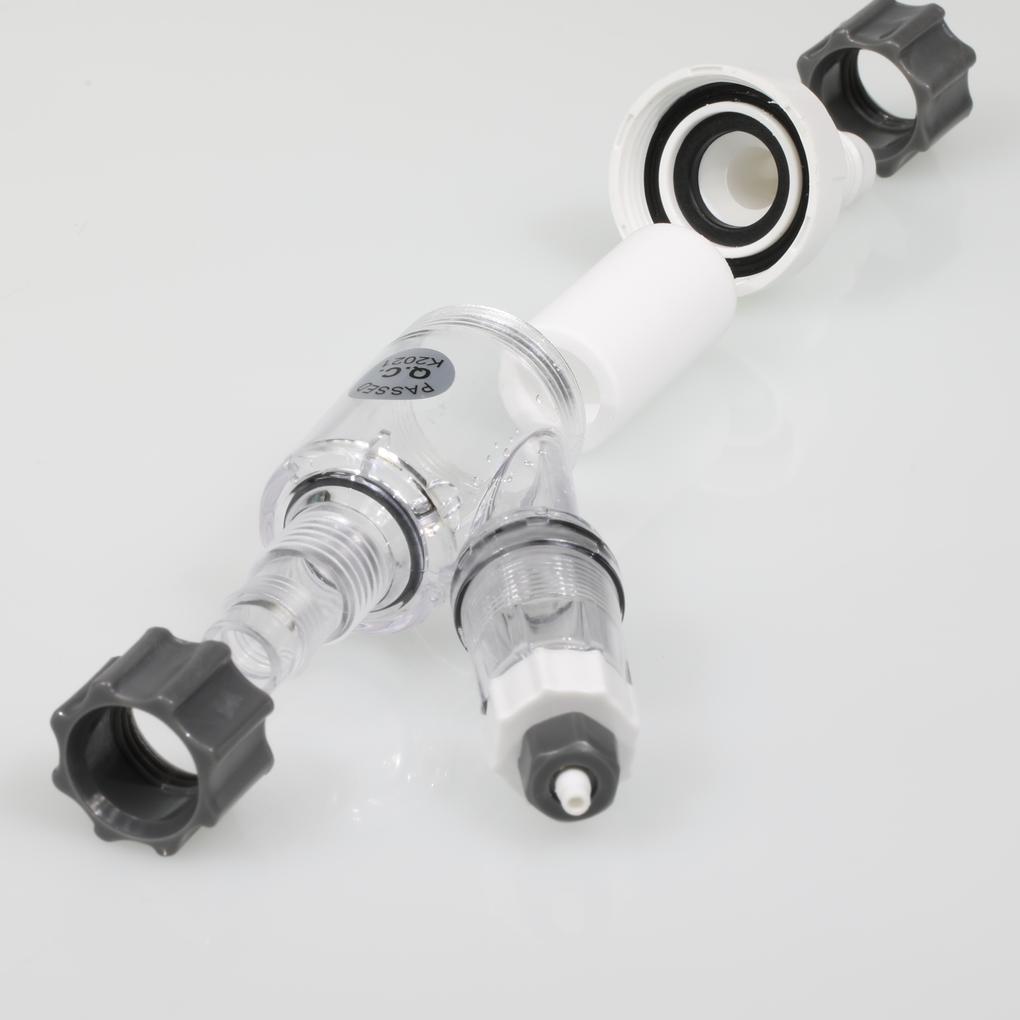
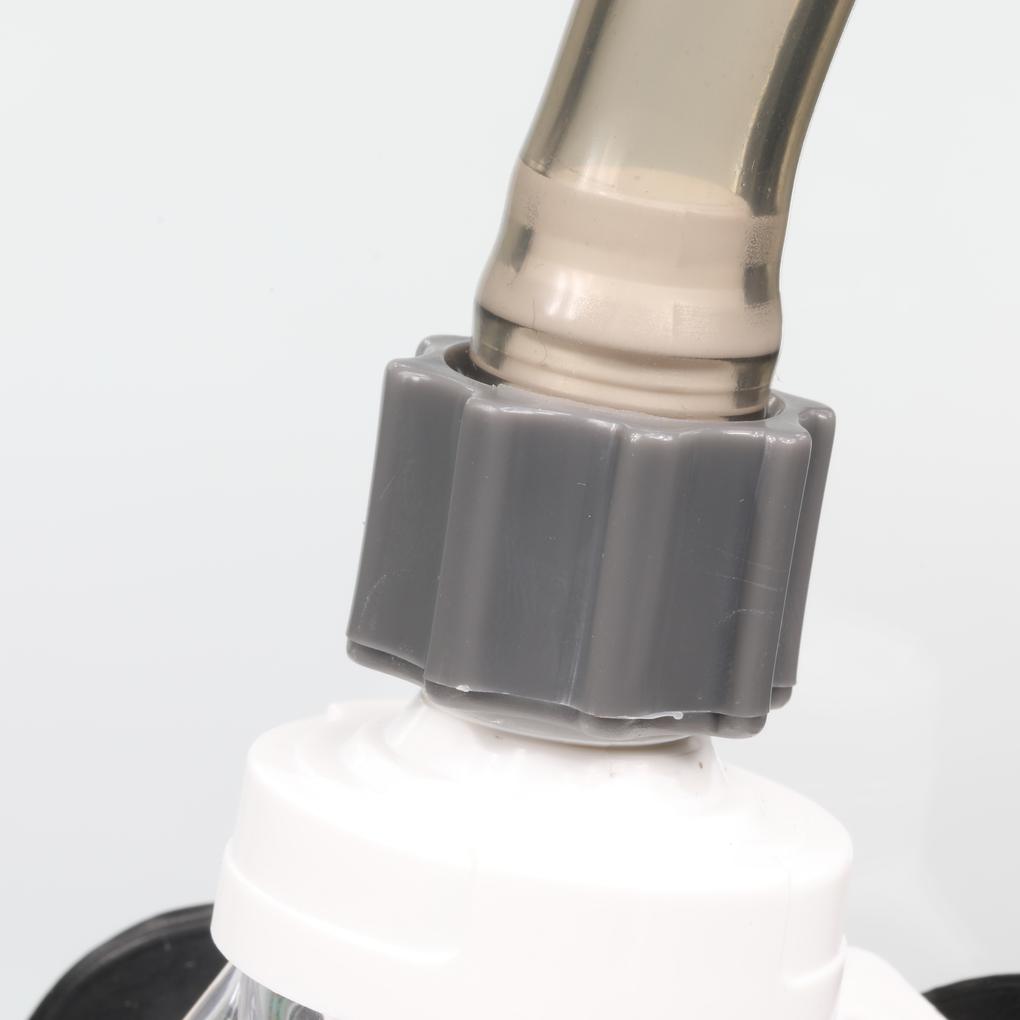
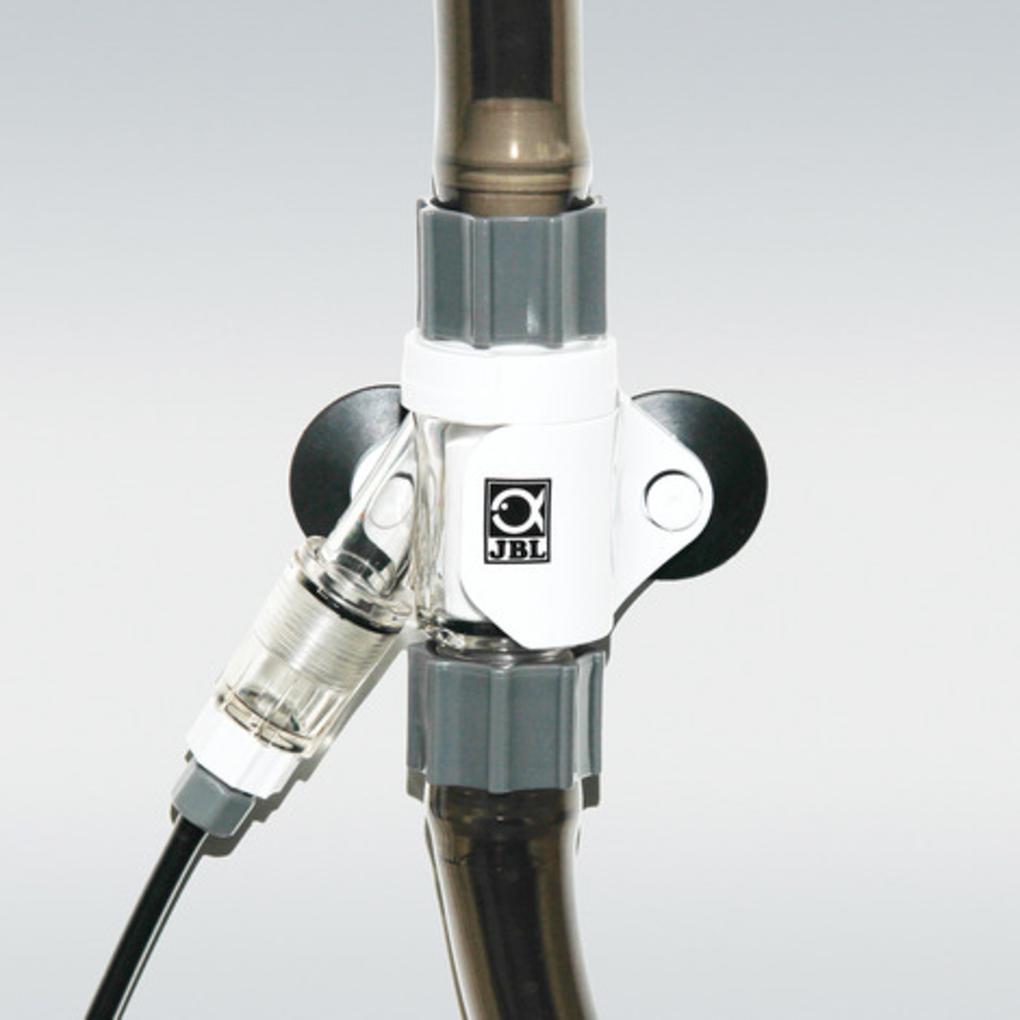
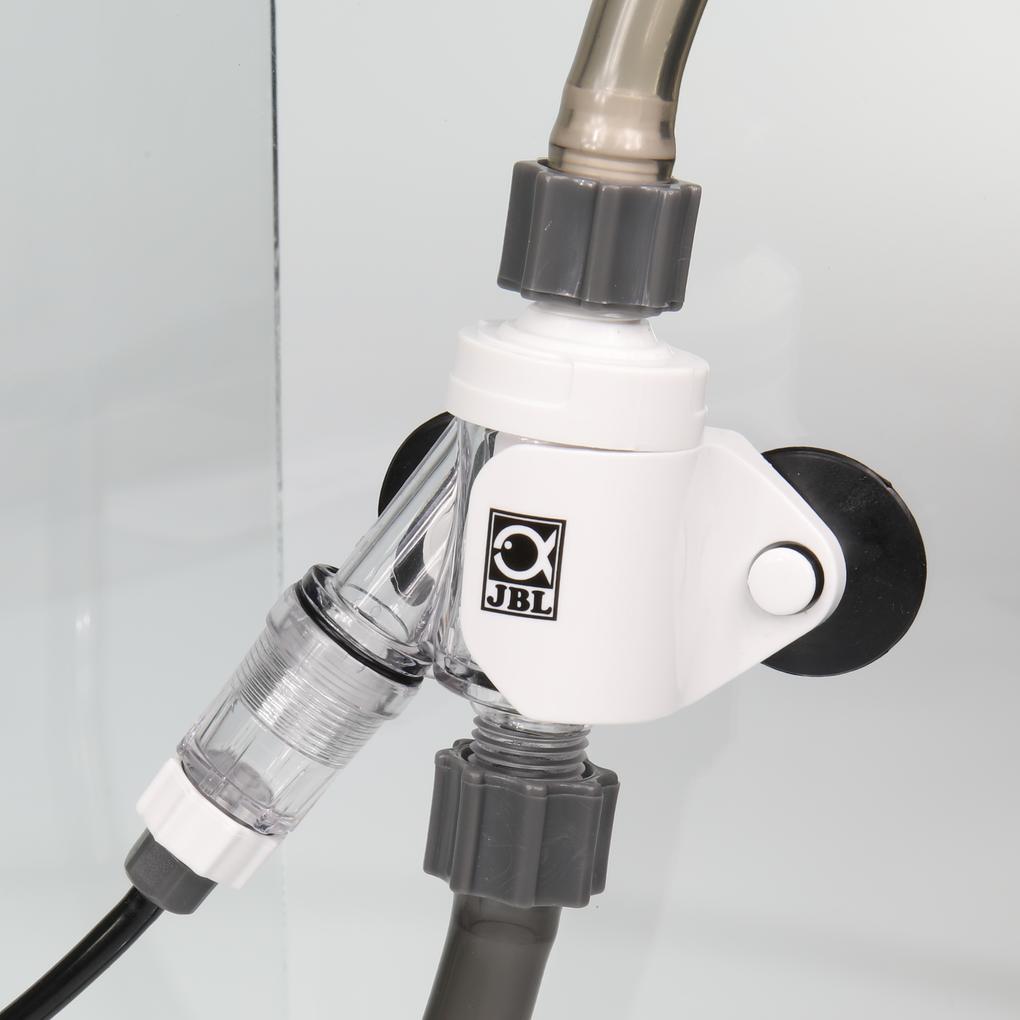
  • Cut the water return hose from the external filter, water the membrane of the diffuser, install the INLINE DIFFUSER, connect the CO2 supply hose, adjust the bubble count
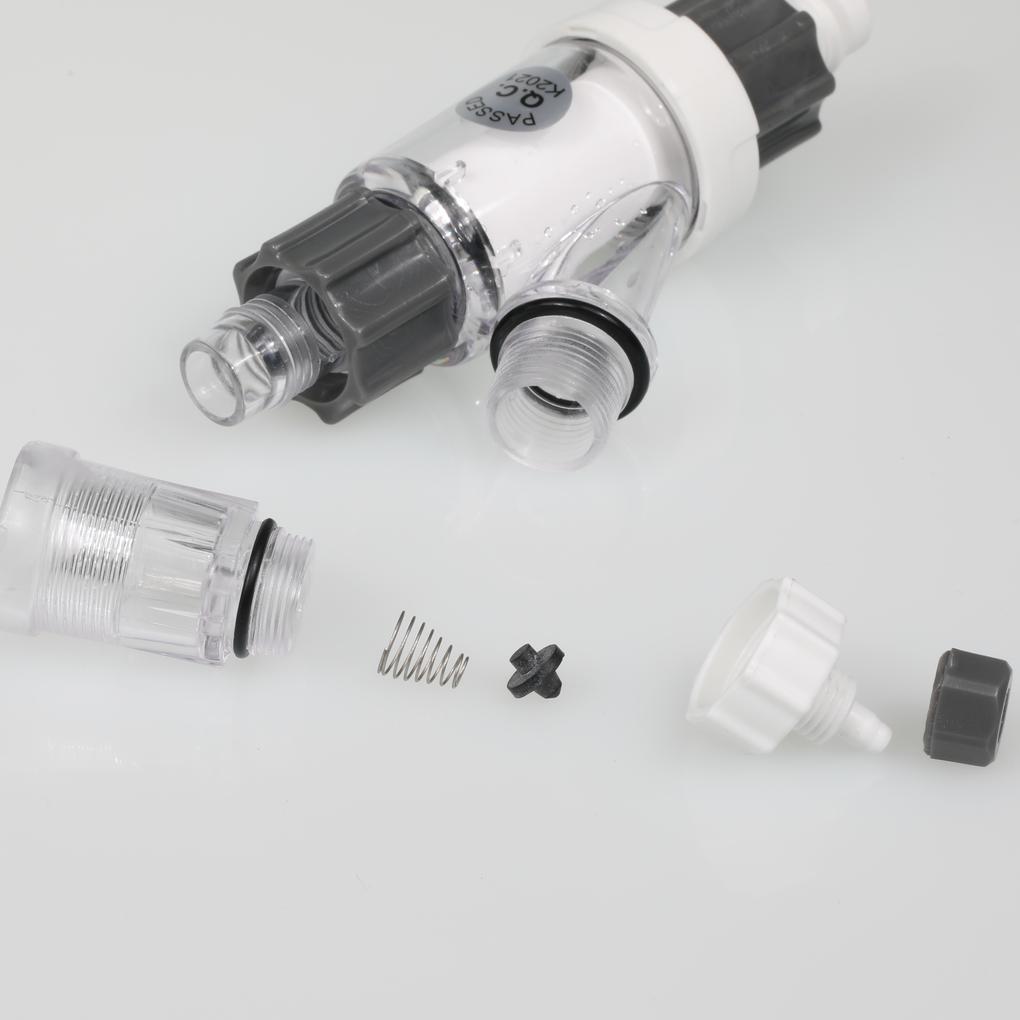
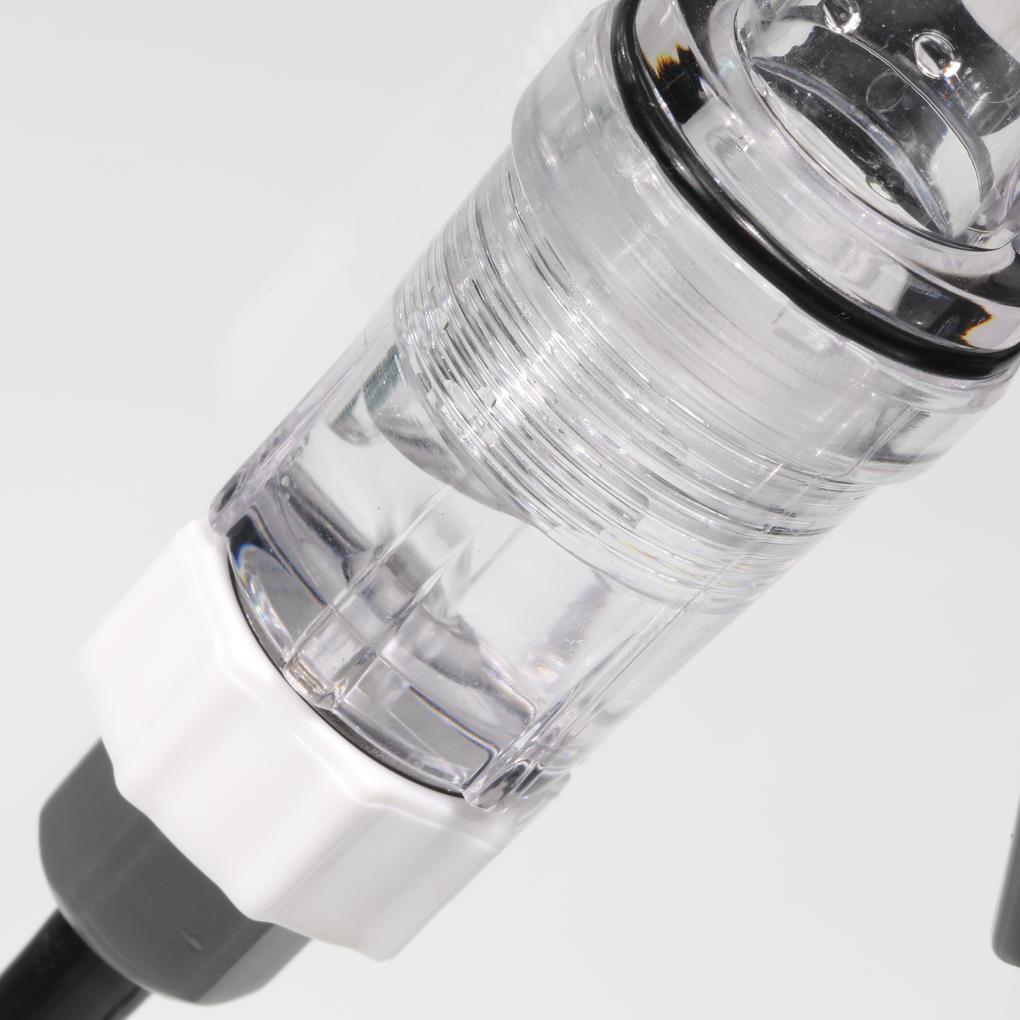
  • Bubble counter, for checking the amount of CO2 added, is integrated. Water backflow protection, to protect the technical parts, is also integrated
  • 20 % CO2 savings thanks to particularly effective diaphragm
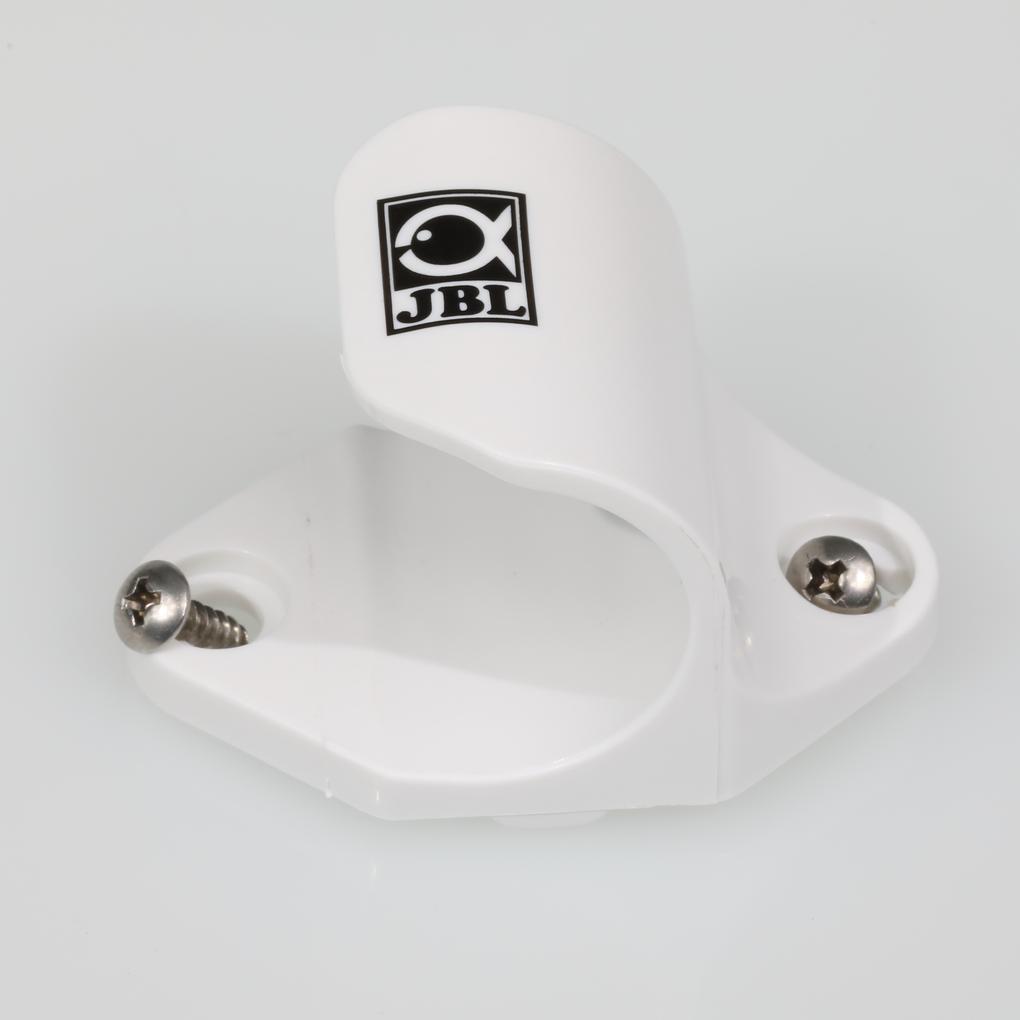
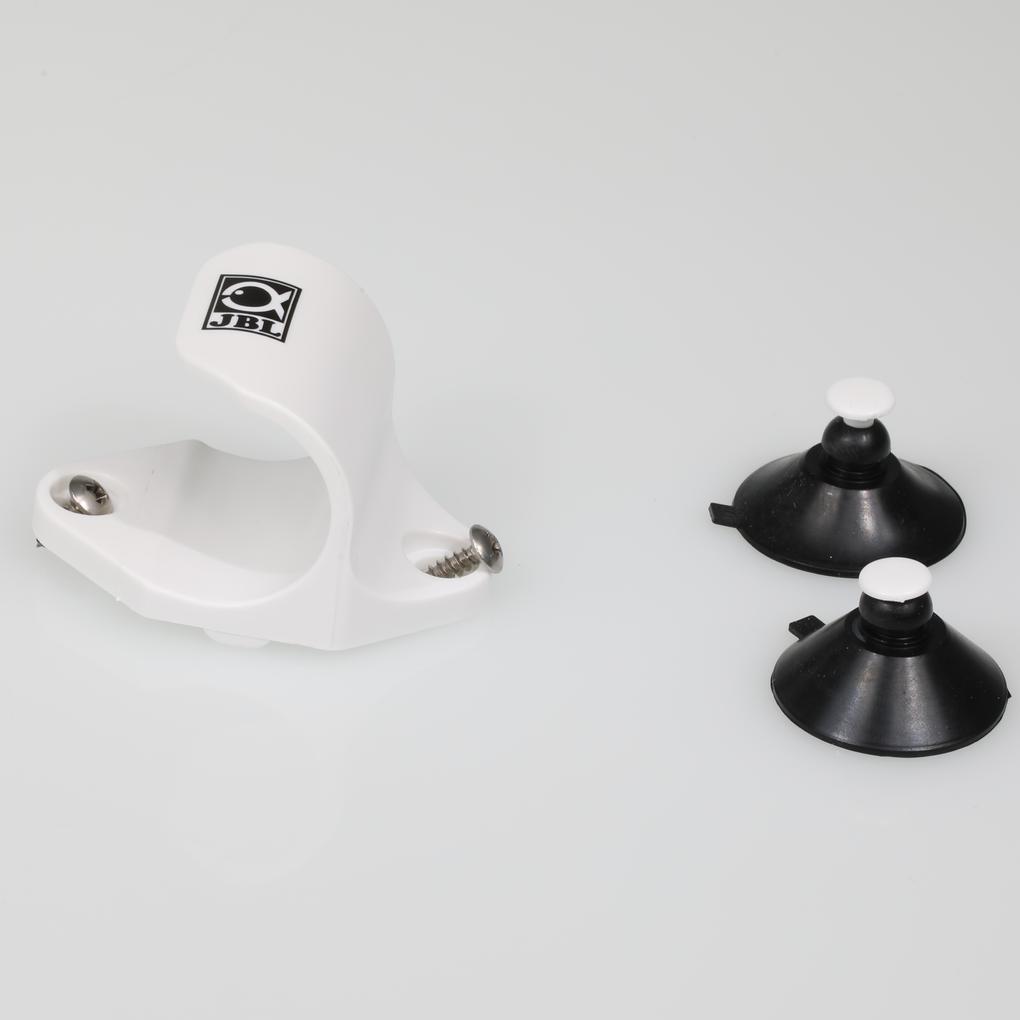
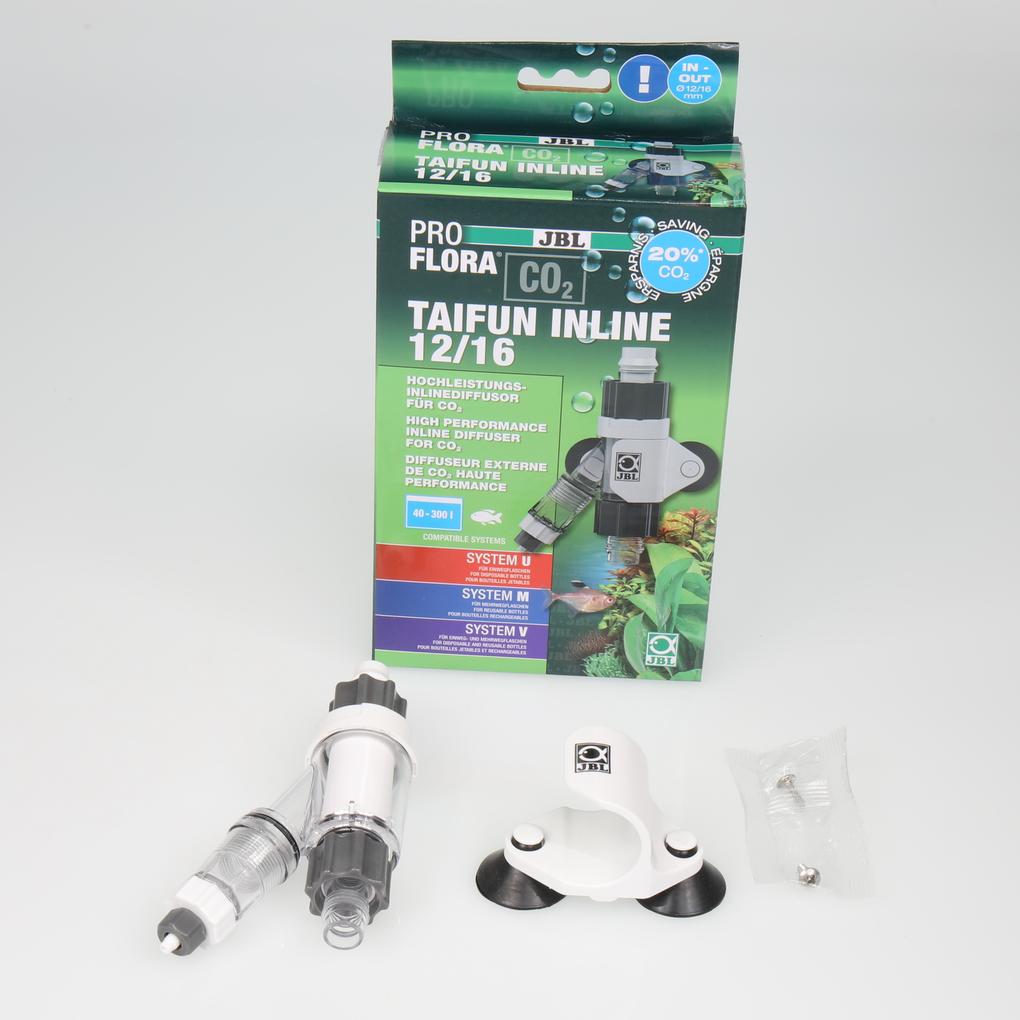
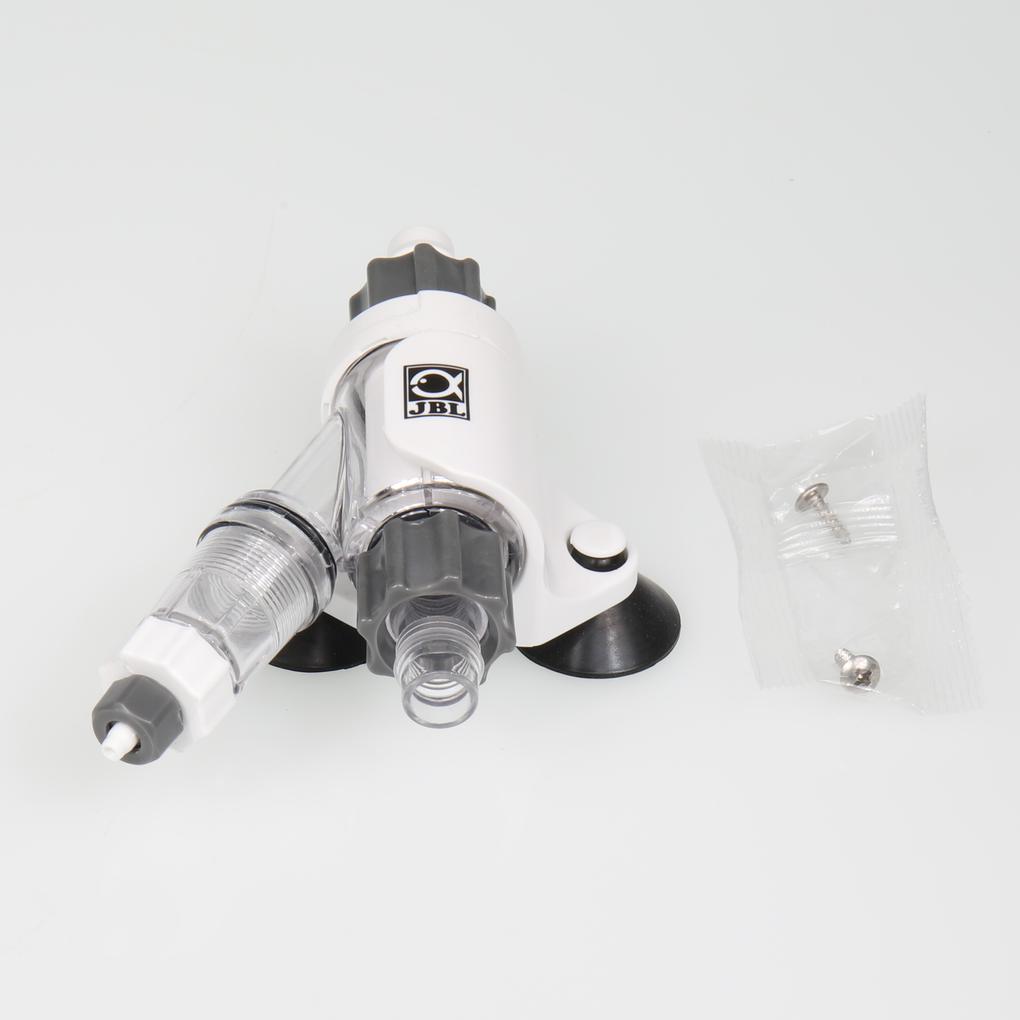
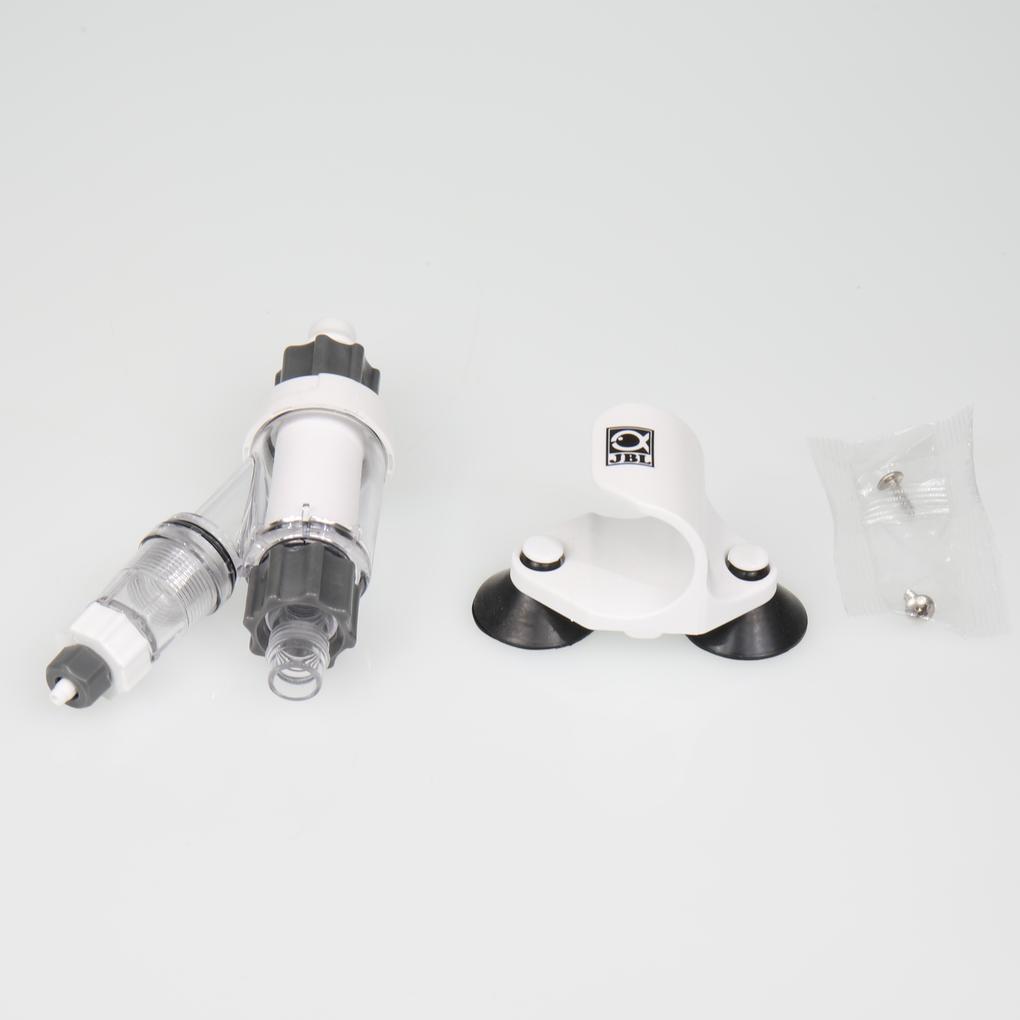
  • Includes: 1 ready-to-connect high-performance CO2 direct diffuser, wall mount, suction cup and screw attachment

Noch offene Fragen?

In unserem FAQ‑Bereich findet ihr Antworten auf die am häufigsten gestellten Fragen. Solltet ihr hier nicht fündig werden, zögert bitte nicht, uns direkt zu kontaktieren – wir helfen euch gerne weiter.

  • The bubble counter doesn’t fill with water. What can I do?

    If there is no water in the bubble counter after the installation, just wait a few hours before switching on the CO2 supply. The water jet of the filter will then cause water to enter it. Alternatively while installing it, you can fill the chambers of the bubble counter with water.

    War diese Antwort hilfreich?
  • Why do you need to soak the membrane in water for 24 hours?

    To receive a consistent bubble pattern with fine micro bubbles, the modern ceramic PE hybrid membrane needs to be soaked in water before putting it into operation. If this is not done, large bubbles will occur.

    War diese Antwort hilfreich?
  • The check valve doesn’t seem to let CO2 pass through it. What can I do?

    Please wait until sufficient pressure has built up in the CO2 hose. Alternatively you can sharply increase the CO2 supply for a short time.

    War diese Antwort hilfreich?
  • Should I use several check valves on my CO2 installation?

    True to the motto, better safe than sorry, some aquarists install several check valves in the same circuit. For example, if you use the JBL PROFLORA direct inline diffuser or the JBL PROFLORA CO2 Count Safe bubble counter, you already have an integrated check valve. If you also use a separate check valve (JBL PROFLORA SafeStop), there may be problems with the opening of the check valves. This effect can be observed if, after the night switch-off or interruption of the supply with the controller, the addition does not restart automatically. Please note that, depending on the working pressure and the number of bubbles, a few minutes may pass between the start of the supply and the visible entry of CO2 into the aquarium. _x000D_ Each spring in a check valve needs a certain pressure to be opened. Several springs can therefore interfere with each other and, depending on the distance between the two check valves, reduce the pressure at the spring to such an extent that it remains closed. Therefore, please always use only one check valve for your CO2 installation.

    War diese Antwort hilfreich?

Antwort nicht gefunden?

Stelle deine Frage an das JBL Service Team.

Information and consent to cookies & third-party content

We use technically necessary cookies/tools to offer, operate and secure this service. Furthermore ,with your express consent , we use cookies/tools for marketing, tracking, creating personalised content on third-party sites and for displaying third-party content on our website. You can revoke your consent at any time with effect for the future via the menu item ‘Cookie settings’.
By clicking on ‘Allow all’, you give us your express consent to the use of cookies/tools to improve the quality and performance of our service, for functional and personalised performance optimisation, to measure the effectiveness of our ads or campaigns, for personalised content for marketing purposes, including outside our website. This enables us to provide personalised online ads and extended analysis options about your user behaviour. This also includes accessing and storing data on your device. You can revoke your consent at any time with effect for the future via the menu item ‘Cookie settings’.
You can use the ‘Change settings’ button to grant and revoke individual consent to the cookies/tools and receive further information on the cookies/tools we use, their purposes and duration.
By clicking on ‘Only absolutely necessary’, only technically necessary cookies/tools are used.

Our data protection declaration tells you how we process personal data and what purposes we use the data processing for.

PUSH messages from JBL

What are PUSH messages? As part of the W3C standard, web notifications define an API for end-user notifications that are sent to the user's desktop and/or mobile devices via the browser. Notifications appear on the end devices as they are familiar to the end user from apps installed on the device (e.g. emails). Notifications appear on the end user’s device, just like an app (e.g. for emails) installed on the device.

A notification makes it possible to inform the user about an event outside the context of a website, such as a new blog post, a competition or a voucher.

These notifications enable a website operator to contact its users whenever they have a browser open - it doesn’t matter whether the user is currently visiting the website or not.

To be able to send web push notifications, all you need is a website with a web push code installed. This allows brands without apps to take advantage of many of the benefits of push notifications (personalised real-time communications at just the right moment).

Web notifications are part of the W3C standard and define an API for end user notifications. A notification makes it possible to inform the user about an event, such as a new blog post, outside the context of a website.

JBL GmbH & Co. KG provides this service free of charge, and it is easy to activate or deactivate.