


Peru 2025

back to the worldmap overview

Unbekannte Saugwelse: Noch nie hat vorher jemand bei Machu Picchu geschnorchelt

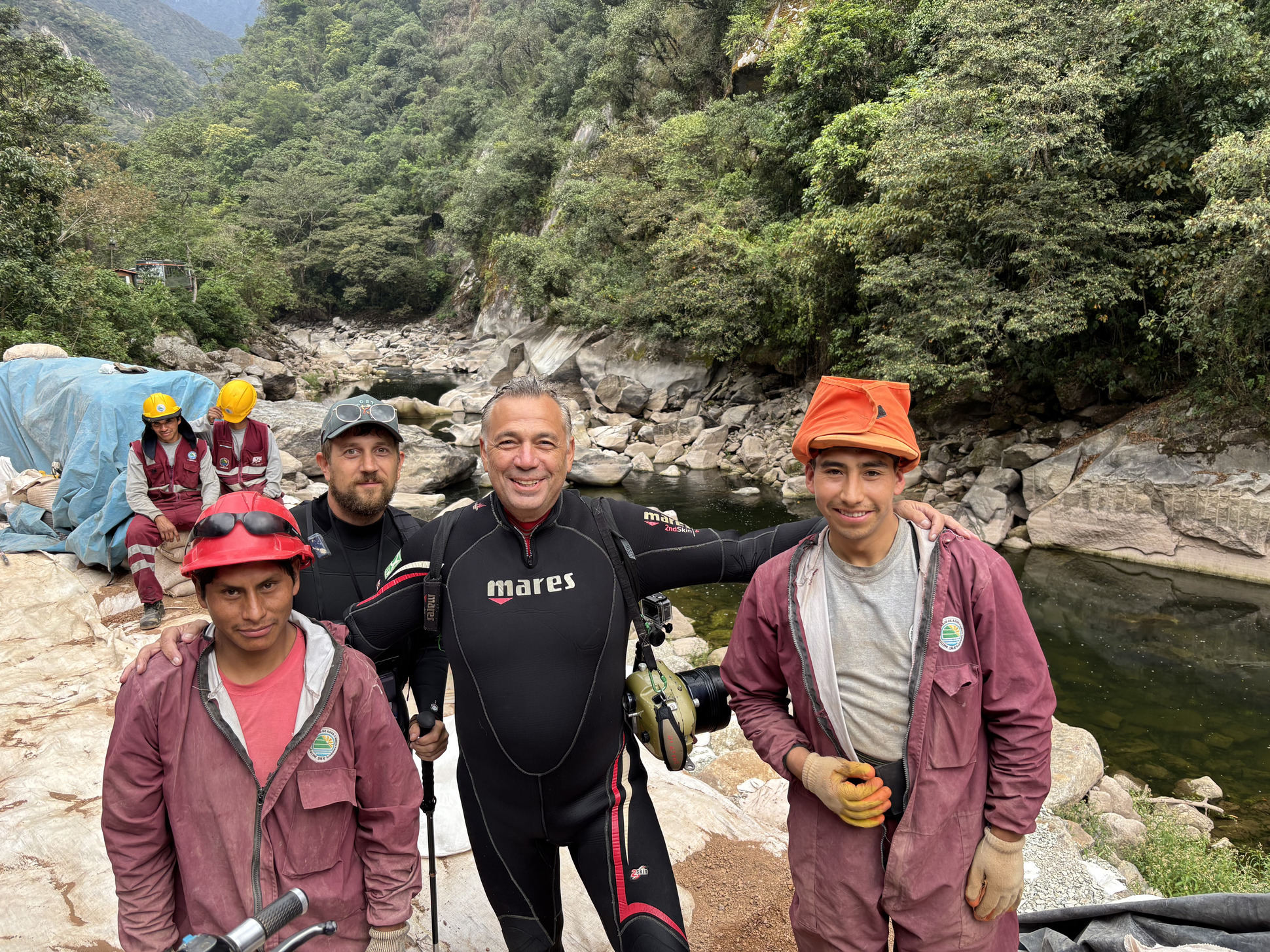
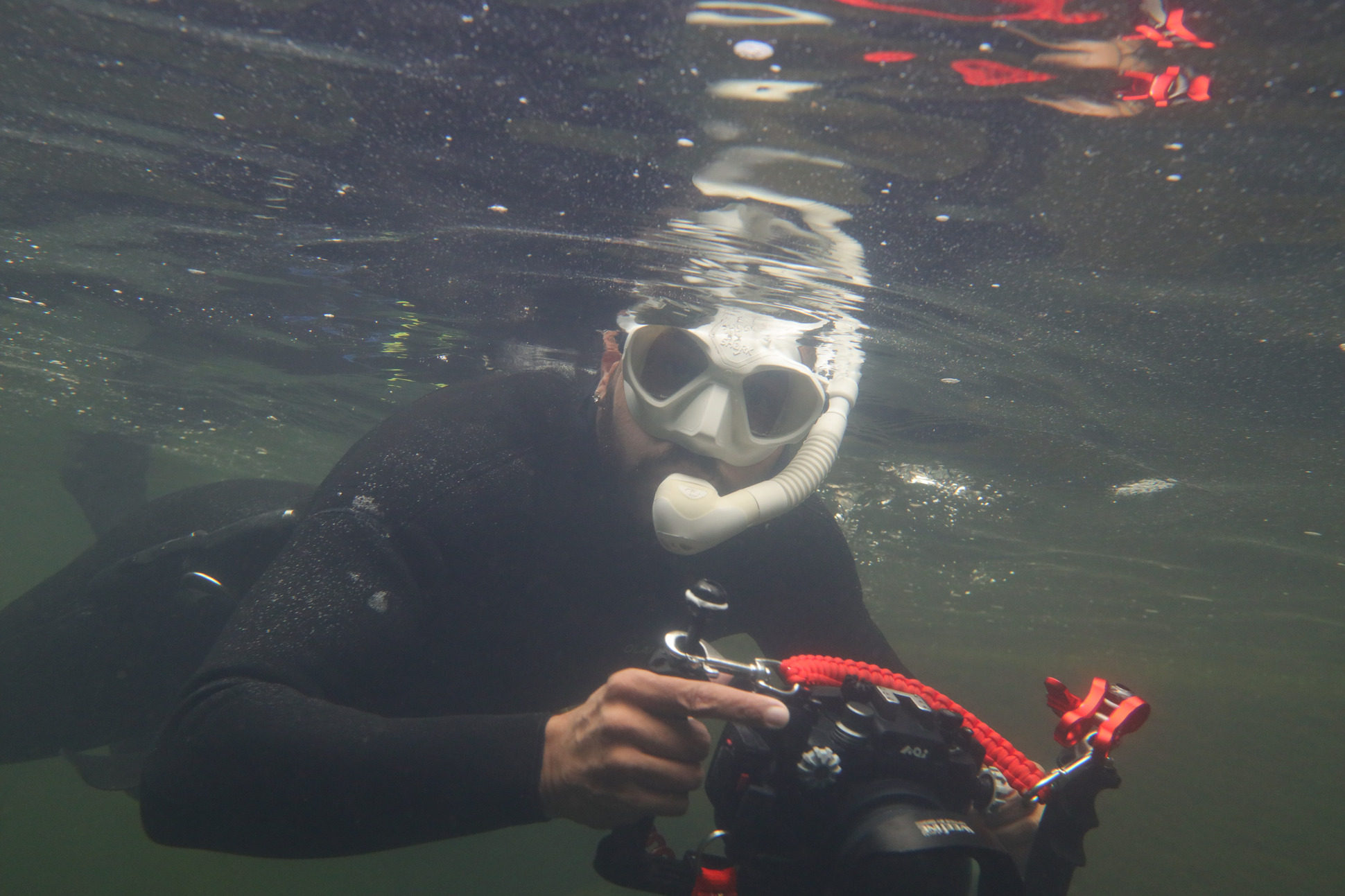
Bevor es am Folgetag zu den berühmten Ruinen ging, blieb etwas Zeit für andere Tätigkeiten. Ein Teil des Teams wanderte zu einem Wasserfall und einem Schmetterlingshaus, der andere Teil machte sich zu Fuß über die Bahnschienen auf, um am Fluss Urubamba eine passende Stelle zum Schnorcheln zu finden. Das Team war sich sehr sicher, dass dort noch niemand nach Fischen gesucht hat. Die Bahnarbeiter staunten nicht schlecht, als sie Menschen in Taucheranzügen sahen, die dem ankommenden Zug auf den Gleisen auswichen.

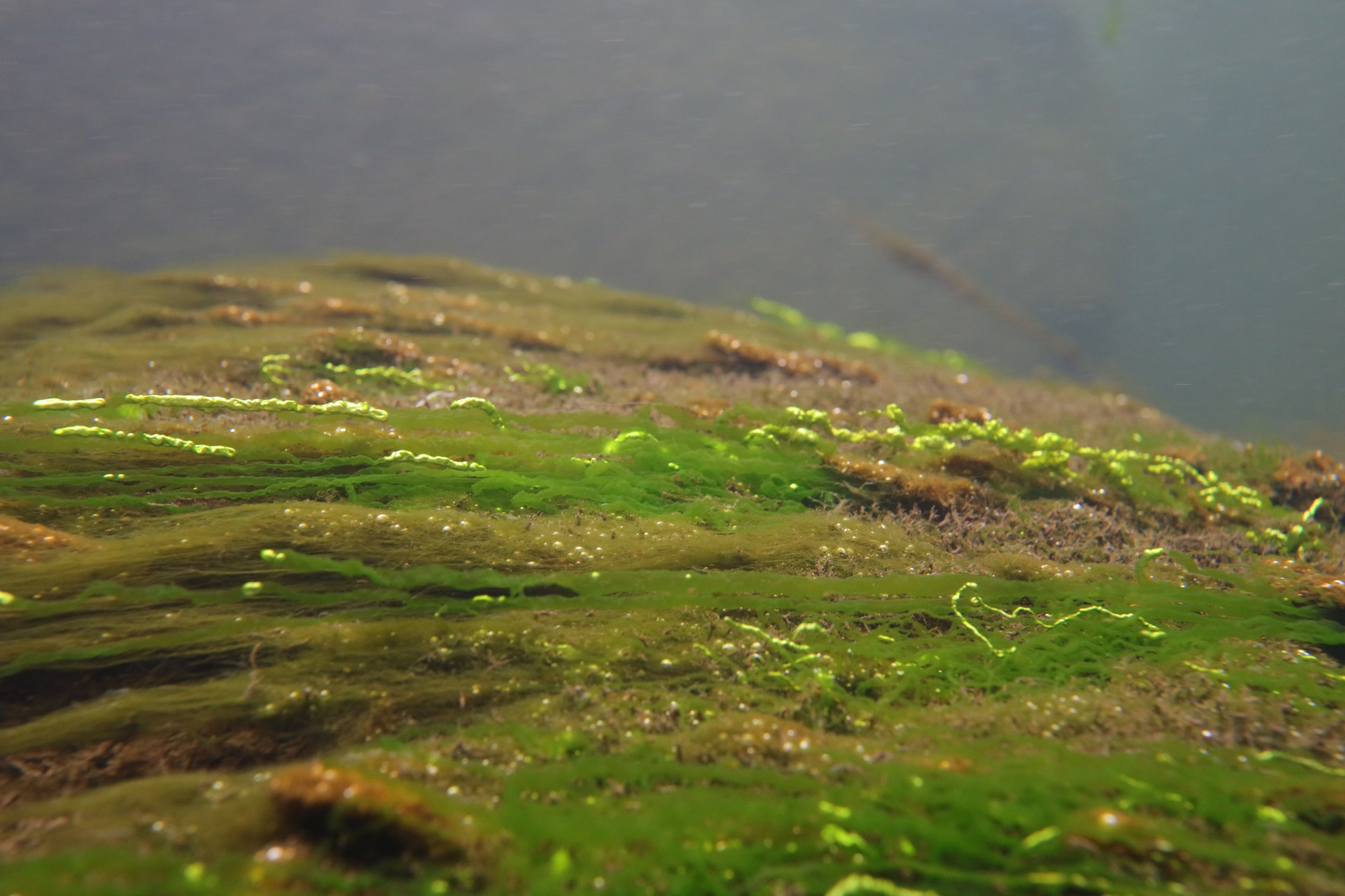
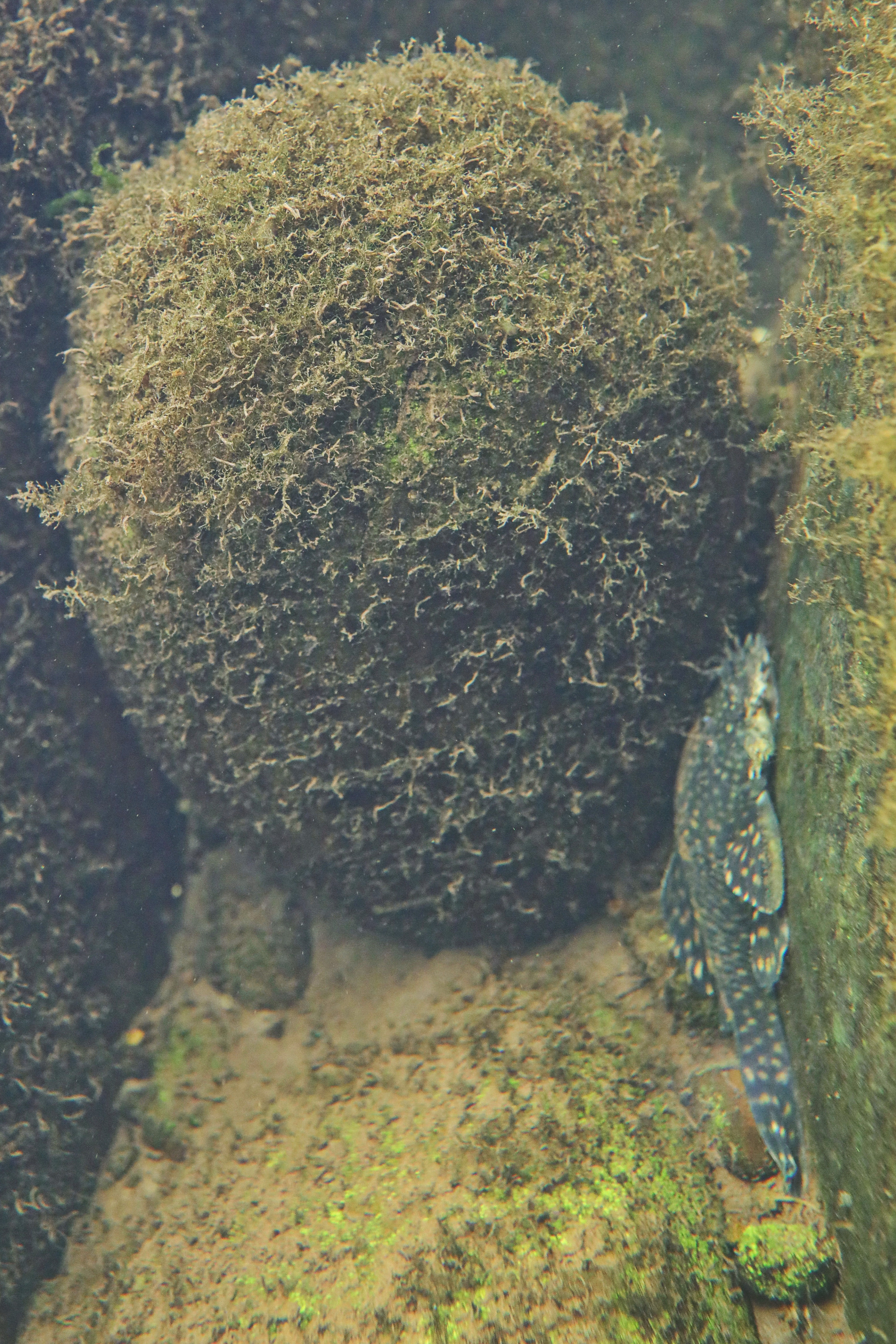
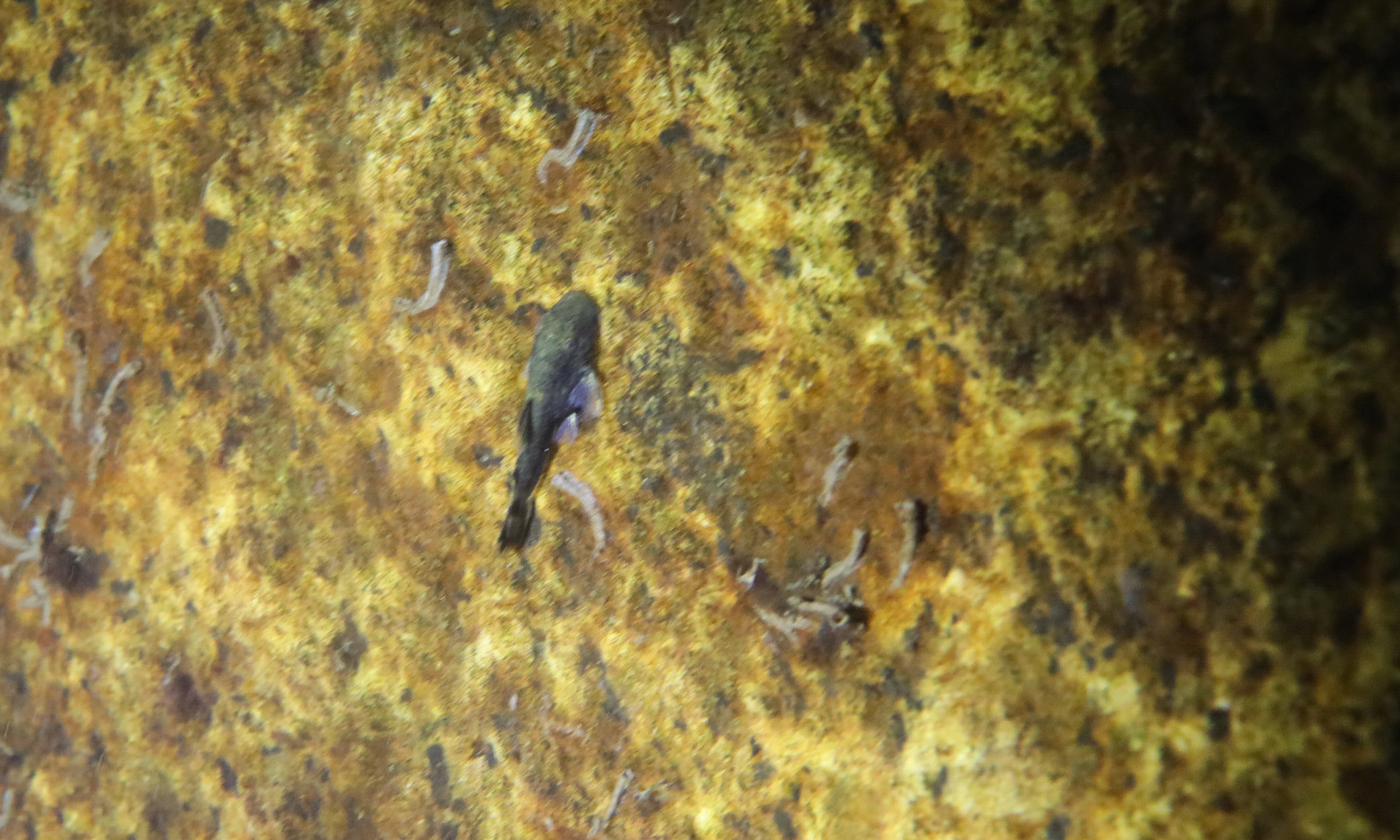
Das Schnorcheln im 19 °C kaltem Wasser war sehr speziell: Niemand sah freischwimmende Fische. Zumindest Forellenartige hätte man erwarten können. Dafür waren Algen zu sehen, die den Teilnehmern vollkommen unbekannt waren. Beim genauen Absuchen der Felsen konnten dann endlich auch Fische entdeckt werden. Erst ein kleiner Saugwels, dann später auch ein etwa 12 cm großes Exemplar – vermutlich aus der Gattung Ancistrus. Das war eine echte Sensation und die Welse wurden spontan Ancistrus macchupichii getauft!

Die JBL Wassertests zeigten bei einem pH-Wert von 8,9 eine Gesamthärte von 19 °dGH und eine Karbonathärte von 10 °dKH – den Mineralien aus den Anden geschuldet. Sauerstoff lag bei Maximalwerten um die 10 mg/l und sogar Eisen war mit 0,05 mg/l messbar. Typisch für Gebirgsflüsse war die hohe Leitfähigkeit von 1000 µS/cm, die sich aber eben nicht nur aus Magnesium und Kalzium (=GH) zusammensetzte, sondern noch aus vielen, nicht messbaren, Mineralien rekrutiert.

Information and consent to cookies & third-party content

We use technically necessary cookies/tools to offer, operate and secure this service. Furthermore ,with your express consent , we use cookies/tools for marketing, tracking, creating personalised content on third-party sites and for displaying third-party content on our website. You can revoke your consent at any time with effect for the future via the menu item ‘Cookie settings’.
By clicking on ‘Allow all’, you give us your express consent to the use of cookies/tools to improve the quality and performance of our service, for functional and personalised performance optimisation, to measure the effectiveness of our ads or campaigns, for personalised content for marketing purposes, including outside our website. This enables us to provide personalised online ads and extended analysis options about your user behaviour. This also includes accessing and storing data on your device. You can revoke your consent at any time with effect for the future via the menu item ‘Cookie settings’.
You can use the ‘Change settings’ button to grant and revoke individual consent to the cookies/tools and receive further information on the cookies/tools we use, their purposes and duration.
By clicking on ‘Only absolutely necessary’, only technically necessary cookies/tools are used.

Our data protection declaration tells you how we process personal data and what purposes we use the data processing for.

PUSH messages from JBL

What are PUSH messages? As part of the W3C standard, web notifications define an API for end-user notifications that are sent to the user's desktop and/or mobile devices via the browser. Notifications appear on the end devices as they are familiar to the end user from apps installed on the device (e.g. emails). Notifications appear on the end user’s device, just like an app (e.g. for emails) installed on the device.

A notification makes it possible to inform the user about an event outside the context of a website, such as a new blog post, a competition or a voucher.

These notifications enable a website operator to contact its users whenever they have a browser open - it doesn’t matter whether the user is currently visiting the website or not.

To be able to send web push notifications, all you need is a website with a web push code installed. This allows brands without apps to take advantage of many of the benefits of push notifications (personalised real-time communications at just the right moment).

Web notifications are part of the W3C standard and define an API for end user notifications. A notification makes it possible to inform the user about an event, such as a new blog post, outside the context of a website.

JBL GmbH & Co. KG provides this service free of charge, and it is easy to activate or deactivate.