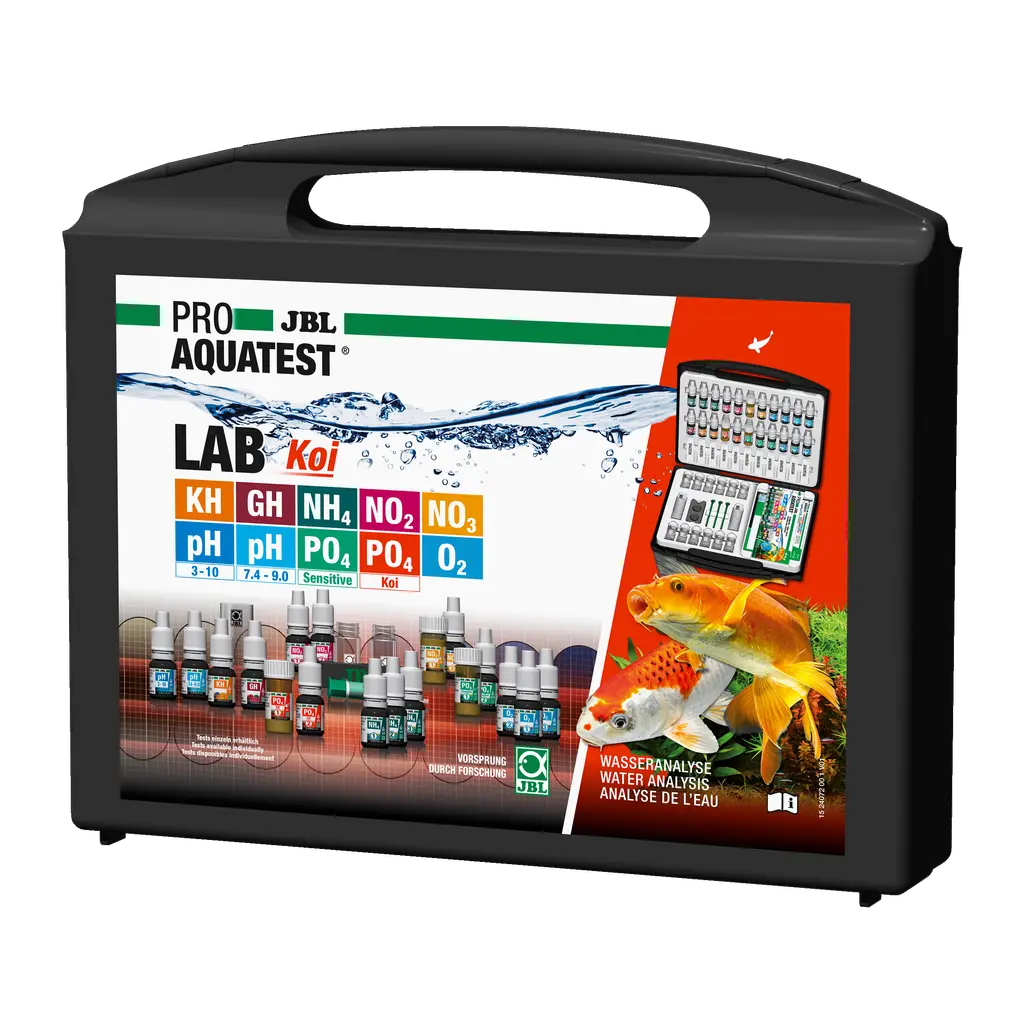
JBL PROAQUATEST LAB Koi

Simple and reliable monitoring of pond water values – determination of: pH 3.0–10, pH 7.4–9, carbonate hardness, total hardness, phosphate sensitive (low values), phosphate koi (high values), nitrite, nitrate, ammonium/ammonia, oxygen
Item no. 2407217

139.53 EUR

Price incl. 23 VAT plus Delivery
In stock – delivered to you in 1-3 business days
Shop locator Hazard statements

Product features

  • Monitors the water values in ponds simply and reliably - determines pH 3.0 - 10, pH 7.4 - 9, carbonate hardness, general hardness, phosphate sensitive (low values), phosphate koi (high values), nitrite, nitrate, ammonium/ammonia, oxygen
  • Easy to use: syringe accurately measures the amount of water, detailed instructions. Comparator system takes the inherent water colouring into account and makes colour comparison more precise
  • With a professional ammonium test, the result of which shows the resulting ammonia content via a table (depending on the pH value)
  • Childproof reagent bottles, waterproof plastic case, refillable kit
  • Package contents: test case, incl. 22 reagents, glass vials, syringes, measuring spoons, thermometer, comparator block, plastic cuvettes, colour charts, pen, report sheets and operating instructions

Hazard statements

JBL NO3 2 - Safety information according to GHS

Signal word: Danger

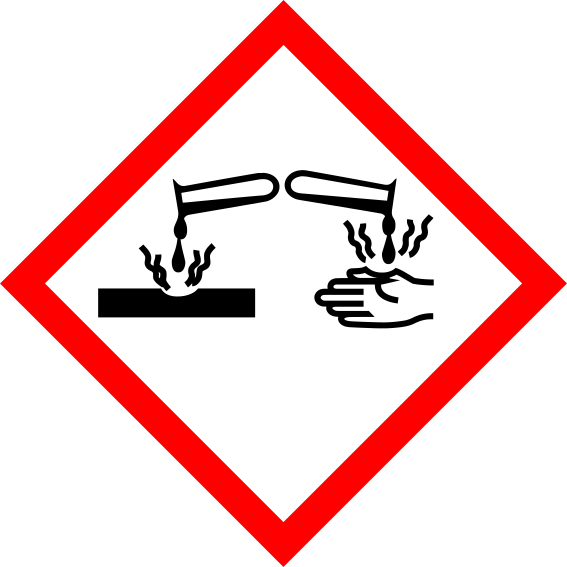
Hazard symbol(s)

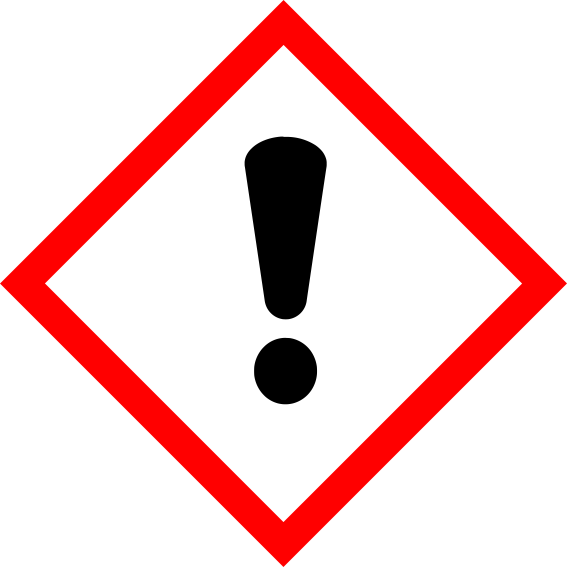
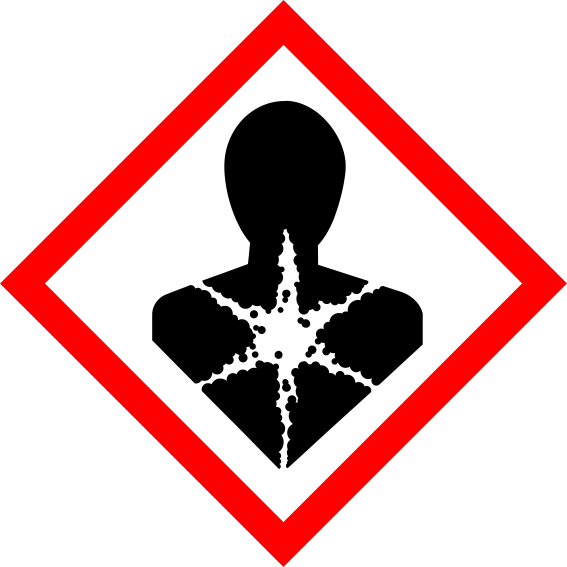
corrosive irritant health_hazard

UFI-Code

9910-S044-V003-R63U

Hazard statement(s)

  • H412: Harmful to aquatic life with long lasting effects.
  • H317: May cause an allergic skin reaction.
  • H341: Suspected of causing genetic defects.
  • H318: Causes serious eye damage.
  • H314: Causes severe skin burns and eye damage.

Safety instructions

  • P303+P361+P353: IF ON SKIN (or hair): Take off immediately all contaminated clothing. Rinse skin with water [or shower].
  • P101: If medical advice is needed, have product container or label at hand.
  • P102: Keep out of reach of children.
  • P305+P351+P338: IF IN EYES: Rinse cautiously with water for several minutes. Remove contact lenses, if present and easy to do. Continue rinsing.
  • P501a: Dispose of contents/container in accordance with local regulations.

Hazard-determining component(s)

  • 541-69-5: m-phenylenediamine dihydrochloride
  • 7647-01-0/1: hydrogen chloride

JBL NO3 1 - Safety information according to GHS

Signal word: Danger

Hazard symbol(s)

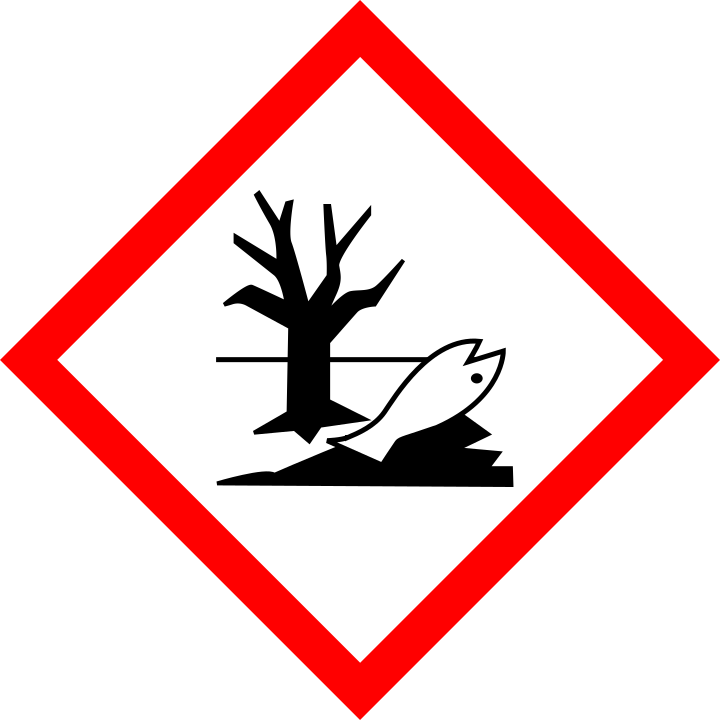
corrosive irritant environmental_hazard

UFI-Code

AW10-90XX-000J-DK69

Hazard statement(s)

  • H411: Toxic to aquatic life with long lasting effects.
  • H317: May cause an allergic skin reaction.
  • H318: Causes serious eye damage.
  • H314: Causes severe skin burns and eye damage.

Safety instructions

  • P303+P361+P353: IF ON SKIN (or hair): Take off immediately all contaminated clothing. Rinse skin with water [or shower].
  • P101: If medical advice is needed, have product container or label at hand.
  • P102: Keep out of reach of children.
  • P305+P351+P338: IF IN EYES: Rinse cautiously with water for several minutes. Remove contact lenses, if present and easy to do. Continue rinsing.
  • P501a: Dispose of contents/container in accordance with local regulations.

Hazard-determining component(s)

  • 87-69-4: (+)-tartaric acid
  • 121-57-3: sulphanilic acid

JBL PO4 Koi 2 - Safety information according to GHS

Signal word: Danger

Hazard symbol(s)

corrosive irritant

UFI-Code

P3FW-2C3G-N72C-1M08

Hazard statement(s)

  • H302: Harmful if swallowed.
  • H335: May cause respiratory irritation.
  • H318: Causes serious eye damage.
  • H314: Causes severe skin burns and eye damage.

Safety instructions

  • P303+P361+P353: IF ON SKIN (or hair): Take off immediately all contaminated clothing. Rinse skin with water [or shower].
  • P101: If medical advice is needed, have product container or label at hand.
  • P102: Keep out of reach of children.
  • P305+P351+P338: IF IN EYES: Rinse cautiously with water for several minutes. Remove contact lenses, if present and easy to do. Continue rinsing.
  • P501a: Dispose of contents/container in accordance with local regulations.

Hazard-determining component(s)

  • 7647-01-0/1: hydrogen chloride

JBL O2 1 - Safety information according to GHS

Signal word: Danger

Hazard symbol(s)

corrosive health_hazard

UFI-Code

PG10-S0GX-G002-2V8Y

Hazard statement(s)

  • H373: May cause damage to organs through prolonged or repeated exposure.
  • H412: Harmful to aquatic life with long lasting effects.
  • H318: Causes serious eye damage.
  • H314: Causes severe skin burns and eye damage.

Safety instructions

  • P303+P361+P353: IF ON SKIN (or hair): Take off immediately all contaminated clothing. Rinse skin with water [or shower].
  • P101: If medical advice is needed, have product container or label at hand.
  • P102: Keep out of reach of children.
  • P305+P351+P338: IF IN EYES: Rinse cautiously with water for several minutes. Remove contact lenses, if present and easy to do. Continue rinsing.
  • P501a: Dispose of contents/container in accordance with local regulations.

Hazard-determining component(s)

  • 7773-01-5/1: manganese dichloride

JBL O2 2 - Safety information according to GHS

Signal word: Danger

Hazard symbol(s)

corrosive

UFI-Code

JJ10-906A-S00K-R6V1

Hazard statement(s)

  • H318: Causes serious eye damage.
  • H314: Causes severe skin burns and eye damage.

Safety instructions

  • P303+P361+P353: IF ON SKIN (or hair): Take off immediately all contaminated clothing. Rinse skin with water [or shower].
  • P101: If medical advice is needed, have product container or label at hand.
  • P102: Keep out of reach of children.
  • P305+P351+P338: IF IN EYES: Rinse cautiously with water for several minutes. Remove contact lenses, if present and easy to do. Continue rinsing.
  • P501a: Dispose of contents/container in accordance with local regulations.

JBL O2 3 - Safety information according to GHS

Signal word: Danger

Hazard symbol(s)

corrosive health_hazard

UFI-Code

FRE0-506Q-800U-PPM6

Hazard statement(s)

  • H317: May cause an allergic skin reaction.
  • H334: May cause allergy or asthma symptoms or breathing difficulties if inhaled.
  • H318: Causes serious eye damage.
  • H314: Causes severe skin burns and eye damage.

Safety instructions

  • P303+P361+P353: IF ON SKIN (or hair): Take off immediately all contaminated clothing. Rinse skin with water [or shower].
  • P101: If medical advice is needed, have product container or label at hand.
  • P102: Keep out of reach of children.
  • P305+P351+P338: IF IN EYES: Rinse cautiously with water for several minutes. Remove contact lenses, if present and easy to do. Continue rinsing.
  • P501a: Dispose of contents/container in accordance with local regulations.

Hazard-determining component(s)

  • 137-09-7/2: 4-hydroxy-m-phenylenediammonium dichloride
  • 7664-93-9: sulphuric acid

JBL pH 7.4-9.0 - Safety information according to GHS

Signal word: Attention

Hazard symbol(s)

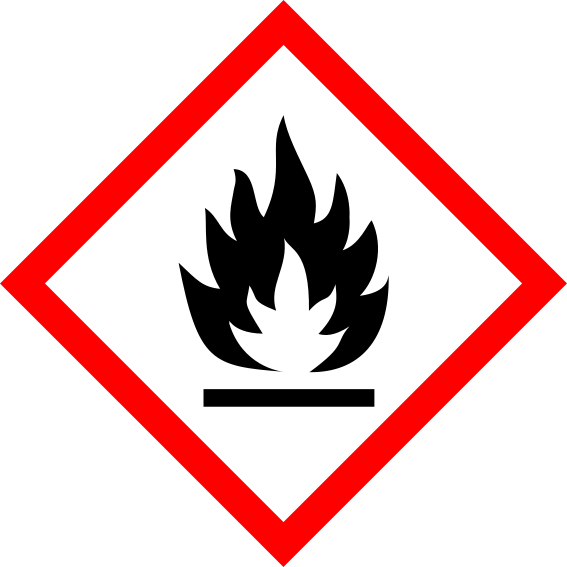
flammable irritant

UFI-Code

36VA-QX97-060J-9D60

Hazard statement(s)

  • H319: Causes serious eye irritation.
  • H226: Flammable liquid and vapour.

Safety instructions

  • P303+P361+P353: IF ON SKIN (or hair): Take off immediately all contaminated clothing. Rinse skin with water [or shower].
  • P101: If medical advice is needed, have product container or label at hand.
  • P102: Keep out of reach of children.
  • P305+P351+P338: IF IN EYES: Rinse cautiously with water for several minutes. Remove contact lenses, if present and easy to do. Continue rinsing.
  • P501a: Dispose of contents/container in accordance with local regulations.

JBL KH - Safety information according to GHS

Signal word: Danger

Hazard symbol(s)

flammable corrosive

UFI-Code

HQHD-DXED-S60G-66TQ

Hazard statement(s)

  • H226: Flammable liquid and vapour.
  • H318: Causes serious eye damage.
  • H314: Causes severe skin burns and eye damage.

Safety instructions

  • P303+P361+P353: IF ON SKIN (or hair): Take off immediately all contaminated clothing. Rinse skin with water [or shower].
  • P101: If medical advice is needed, have product container or label at hand.
  • P102: Keep out of reach of children.
  • P305+P351+P338: IF IN EYES: Rinse cautiously with water for several minutes. Remove contact lenses, if present and easy to do. Continue rinsing.
  • P501a: Dispose of contents/container in accordance with local regulations.

JBL GH - Safety information according to GHS

Signal word: Attention

Hazard symbol(s)

flammable irritant

UFI-Code

UXPC-JXC9-W600-RT0C

Hazard statement(s)

  • H319: Causes serious eye irritation.
  • H226: Flammable liquid and vapour.
  • H315: Causes skin irritation.

Safety instructions

  • P303+P361+P353: IF ON SKIN (or hair): Take off immediately all contaminated clothing. Rinse skin with water [or shower].
  • P101: If medical advice is needed, have product container or label at hand.
  • P102: Keep out of reach of children.
  • P305+P351+P338: IF IN EYES: Rinse cautiously with water for several minutes. Remove contact lenses, if present and easy to do. Continue rinsing.
  • P501a: Dispose of contents/container in accordance with local regulations.

JBL pH 3-10 - Safety information according to GHS

Signal word: Attention

Hazard symbol(s)

flammable irritant

UFI-Code

JUR9-8X6E-G60K-QU36

Hazard statement(s)

  • H319: Causes serious eye irritation.
  • H226: Flammable liquid and vapour.

Safety instructions

  • P303+P361+P353: IF ON SKIN (or hair): Take off immediately all contaminated clothing. Rinse skin with water [or shower].
  • P101: If medical advice is needed, have product container or label at hand.
  • P102: Keep out of reach of children.
  • P305+P351+P338: IF IN EYES: Rinse cautiously with water for several minutes. Remove contact lenses, if present and easy to do. Continue rinsing.
  • P501a: Dispose of contents/container in accordance with local regulations.

JBL PO4 Sensitive 2 - Safety information according to GHS

Signal word: Danger

Hazard symbol(s)

corrosive irritant

UFI-Code

RPE0-N0H9-Y00C-0C14

Hazard statement(s)

  • H302: Harmful if swallowed.
  • H335: May cause respiratory irritation.
  • H318: Causes serious eye damage.
  • H314: Causes severe skin burns and eye damage.

Safety instructions

  • P303+P361+P353: IF ON SKIN (or hair): Take off immediately all contaminated clothing. Rinse skin with water [or shower].
  • P101: If medical advice is needed, have product container or label at hand.
  • P102: Keep out of reach of children.
  • P305+P351+P338: IF IN EYES: Rinse cautiously with water for several minutes. Remove contact lenses, if present and easy to do. Continue rinsing.
  • P501a: Dispose of contents/container in accordance with local regulations.

Hazard-determining component(s)

  • 7647-01-0/1: hydrogen chloride

JBL NO2 2 - Safety information according to GHS

Signal word: Attention

Hazard symbol(s)

flammable irritant

UFI-Code

3K20-C0G3-F00H-P9UT

Hazard statement(s)

  • H319: Causes serious eye irritation.
  • H226: Flammable liquid and vapour.

Safety instructions

  • P303+P361+P353: IF ON SKIN (or hair): Take off immediately all contaminated clothing. Rinse skin with water [or shower].
  • P101: If medical advice is needed, have product container or label at hand.
  • P102: Keep out of reach of children.
  • P305+P351+P338: IF IN EYES: Rinse cautiously with water for several minutes. Remove contact lenses, if present and easy to do. Continue rinsing.
  • P501a: Dispose of contents/container in accordance with local regulations.

JBL NO2 1 - Safety information according to GHS

Signal word: Danger

Hazard symbol(s)

corrosive

UFI-Code

RH20-U0SQ-5000-0Y8R

Hazard statement(s)

  • H318: Causes serious eye damage.
  • H314: Causes severe skin burns and eye damage.

Safety instructions

  • P303+P361+P353: IF ON SKIN (or hair): Take off immediately all contaminated clothing. Rinse skin with water [or shower].
  • P101: If medical advice is needed, have product container or label at hand.
  • P102: Keep out of reach of children.
  • P305+P351+P338: IF IN EYES: Rinse cautiously with water for several minutes. Remove contact lenses, if present and easy to do. Continue rinsing.
  • P501a: Dispose of contents/container in accordance with local regulations.

Hazard-determining component(s)

  • 64-19-7: Acetic acid

JBL NH4 2 - Safety information according to GHS

Signal word: Danger

Hazard symbol(s)

corrosive environmental_hazard

UFI-Code

GX20-D07P-P00G-AP62

Hazard statement(s)

  • H411: Toxic to aquatic life with long lasting effects.
  • H400: Very toxic to aquatic life.
  • H318: Causes serious eye damage.
  • EUH031: Contact with acids liberates toxic gas.
  • H314: Causes severe skin burns and eye damage.

Safety instructions

  • P303+P361+P353: IF ON SKIN (or hair): Take off immediately all contaminated clothing. Rinse skin with water [or shower].
  • P101: If medical advice is needed, have product container or label at hand.
  • P102: Keep out of reach of children.
  • P305+P351+P338: IF IN EYES: Rinse cautiously with water for several minutes. Remove contact lenses, if present and easy to do. Continue rinsing.
  • P501a: Dispose of contents/container in accordance with local regulations.

Hazard-determining component(s)

  • 7681-52-9/1: sodium hypochlorite, solution

JBL NH4 3 - Safety information according to GHS

Signal word: Danger

Hazard symbol(s)

flammable irritant

UFI-Code

WF00-Q075-T004-4S96

Hazard statement(s)

  • H319: Causes serious eye irritation.
  • H336: May cause drowsiness or dizziness.
  • H225: Highly flammable liquid and vapour.
  • H315: Causes skin irritation.

Safety instructions

  • P303+P361+P353: IF ON SKIN (or hair): Take off immediately all contaminated clothing. Rinse skin with water [or shower].
  • P101: If medical advice is needed, have product container or label at hand.
  • P102: Keep out of reach of children.
  • P305+P351+P338: IF IN EYES: Rinse cautiously with water for several minutes. Remove contact lenses, if present and easy to do. Continue rinsing.
  • P501a: Dispose of contents/container in accordance with local regulations.

Hazard-determining component(s)

  • 67-63-0: propan-2-ol

Notas y consentimiento sobre las cookies y contenidos de terceros

Empleamos cookies/herramientas técnicamente necesarias para ofrecer, operar y asegurar este servicio. Además, empleamos con tu consentimiento expreso cookies/herramientas de marketing, de seguimiento, para crear contenidos personalizados en páginas de terceros así como para mostrar contenidos de terceros en nuestro sitio web. Puedes revocar tu consentimiento en todo momento con carácter futuro a través de la opción de menú «Configuración de cookies».
Pinchando en «Permitir todas» nos otorgas el consentimiento expreso para utilizar cookies/herramientas para mejorar la calidad y las prestaciones de nuestro servicio, para optimizar el rendimiento de forma funcional y personalizada, para medir la efectividad de nuestros anuncios o campañas y para mostrar contenidos personalizados con fines de marketing incluso fuera de nuestro sitio web. Esto nos permite mostrar anuncios en línea personalizados y disponer de opciones ampliadas para analizar tu comportamiento como usuario. Esto implica también acceder y almacenar datos en tu dispositivo. Puedes revocar tu consentimiento en todo momento con carácter futuro a través de la opción de menú «Configuración de cookies».
El botón «Cambiar configuración» te permite otorgar y revocar consentimientos por separado sobre las cookies/herramientas y recibir información detallada sobre dichas cookies/herramientas que empleamos, sus fines y duraciones.
Pinchando en «Solo las esenciales» se emplearán únicamente las cookies/herramientas técnicamente imprescindibles.

En nuestra política de privacidad obtendrá información de cómo tratamos sus datos personales y la finalidad de dicho tratamiento de datos.
Notificaciones PUSH (emergentes) de JBL

¿Qué son las notificaciones PUSH? Como parte del estándar W3C, las notificaciones de escritorio definen una API para las notificaciones destinadas a los usuarios finales, que serán enviadas por medio de notificaciones al navegador del equipo de sobremesa y/o dispositivo móvil del usuario. Las notificaciones aparecen en los terminales de la forma que el usuario final conoce por las app instaladas en el dispositivo (p. ej., correos electrónicos). Las notificaciones aparecen en los terminales de la forma que el usuario final conoce por las app instaladas en el dispositivo (p. ej., correos electrónicos).

Una notificación permite notificar al usuario sobre un suceso como, p. ej., un artículo nuevo en un blog, un sorteo o un vale fuera del contexto de una página web.

Estas notificaciones permiten al propietario de una página web ponerse en contacto con sus usuarios siempre que estos tengan un navegador abierto, independientemente de si el usuario está visitando la página web en ese momento o no.

Para poder enviar notificaciones de escritorio solo se necesita una página web con un código web push instalado. Así, las marcas que no tengan app también pueden beneficiarse de las muchas ventajas que ofrecen las notificaciones emergentes (también denominadas push, comunicaciones personalizadas en tiempo real justo en el momento adecuado).

Las notificaciones de escritorio son parte del estándar W3C y definen una API para las notificaciones destinadas a los usuarios finales. Una notificación permite notificar al usuario sobre un suceso como, p. ej., un artículo nuevo en un blog, fuera del contexto de una página web.

JBL GmbH & Co. KG ofrece este servicio de forma gratuita, el cual puede activarse tan fácilmente como se puede desactivar.