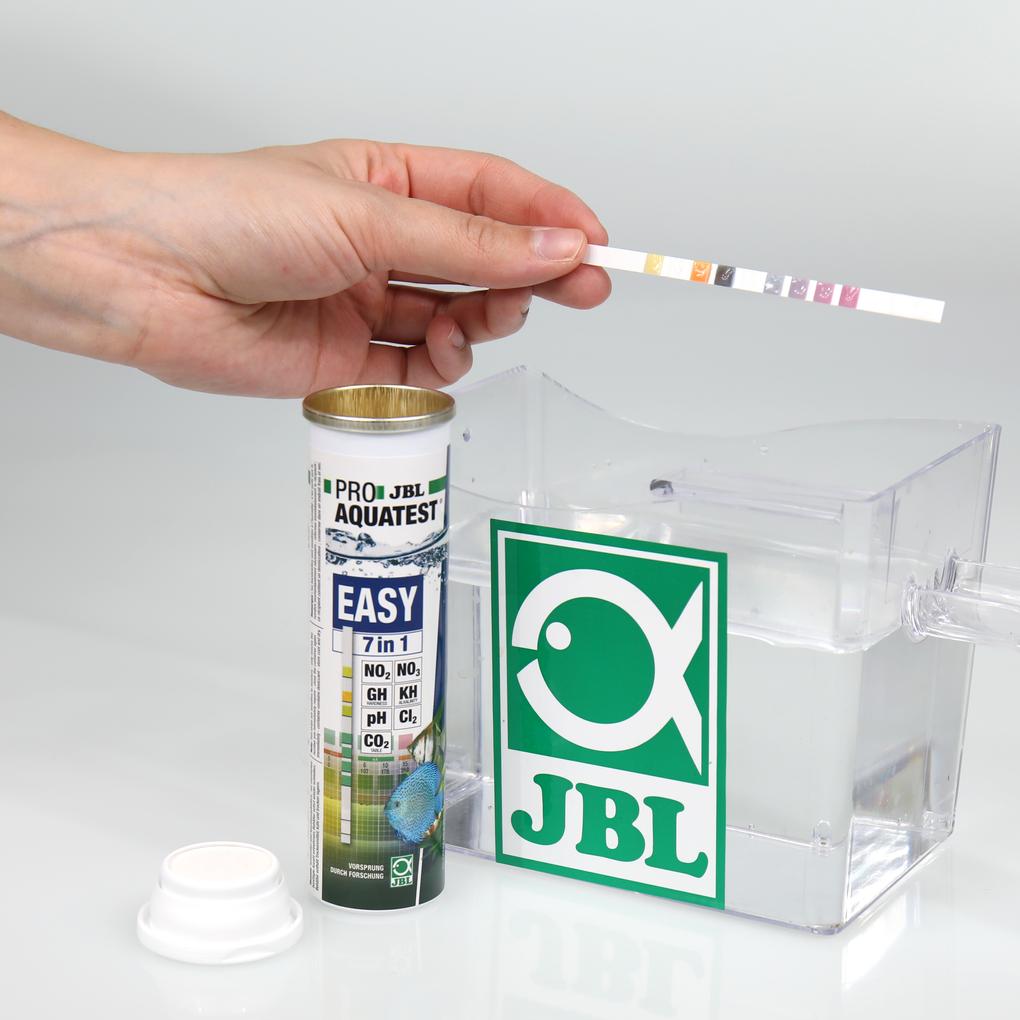
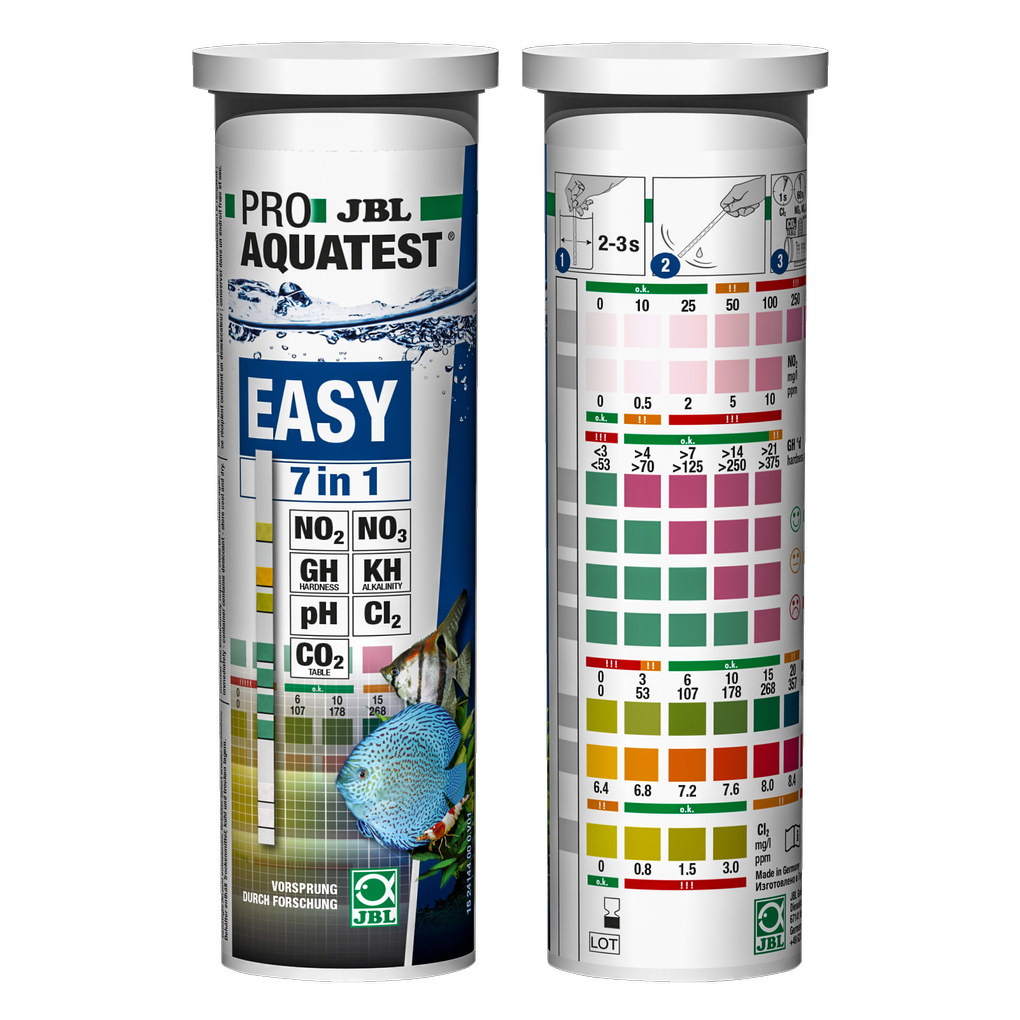
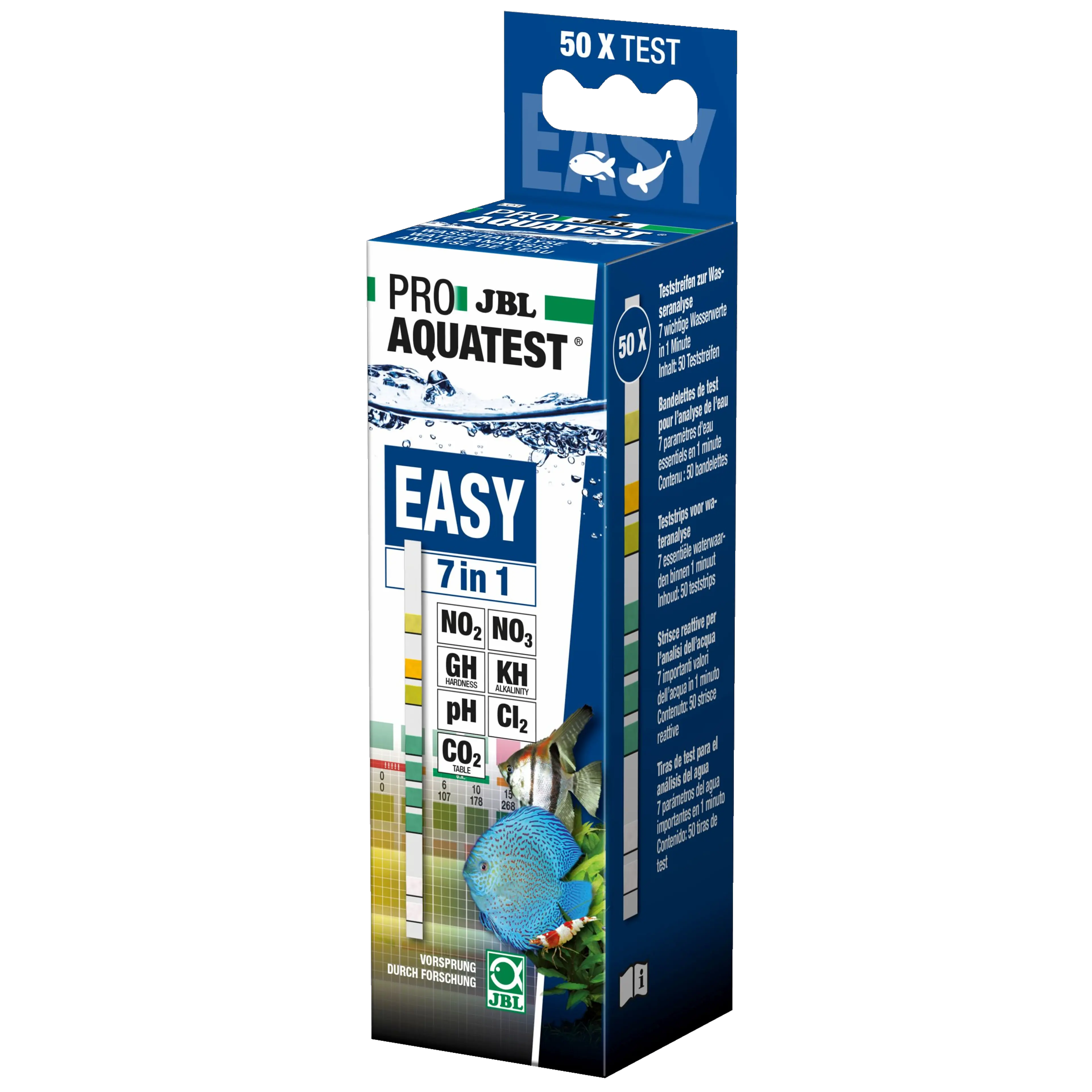
JBL PROAQUATEST EASY 7w1

Paski testowe do pomiaru 7 ważnych parametrów wody w ciągu 1 minuty: szybki test orientacyjny do wody akwariowej, stawowej, studziennej, źródlanej i wodociągowej.
Item no. 2414400

22.87 EUR

Price incl. 23 VAT plus Delivery
W magazynie – dostawa w ciągu 1-3 dni roboczych
Shop locator

Product features

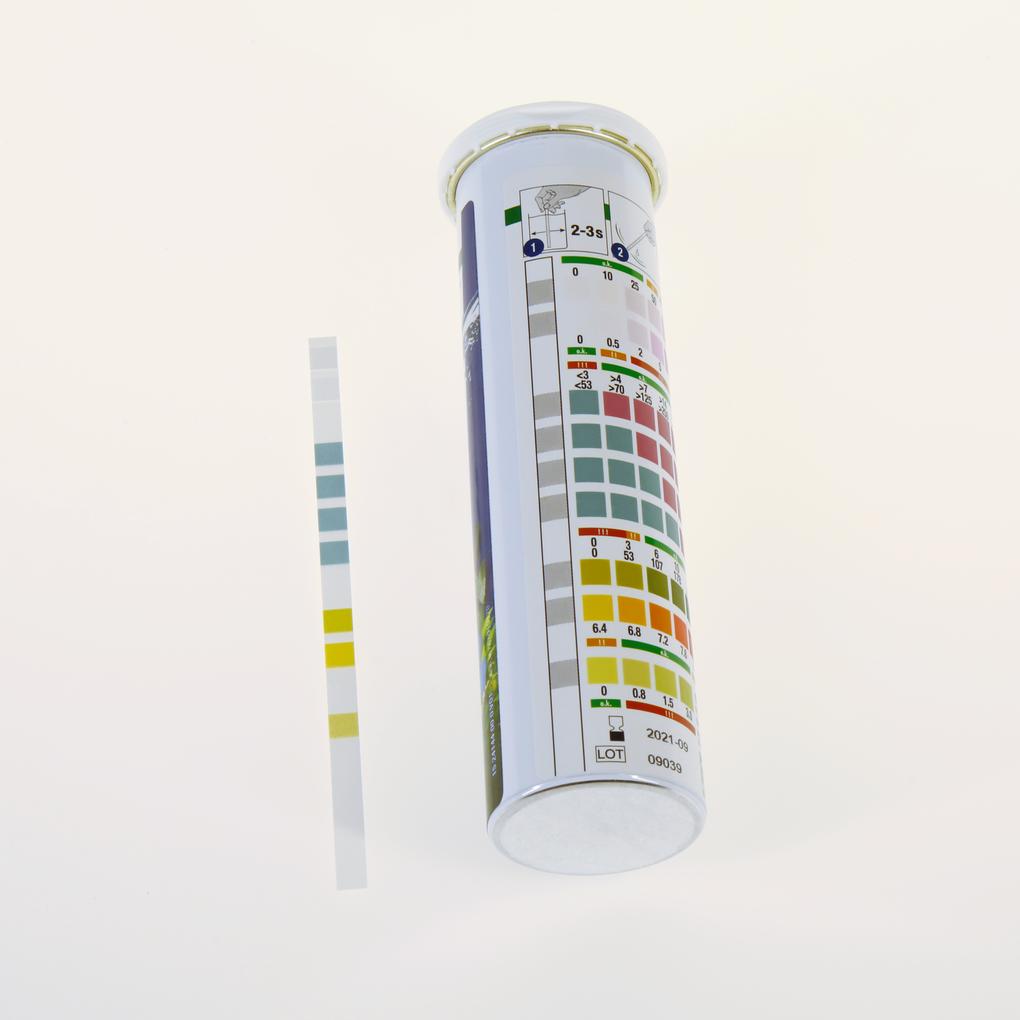
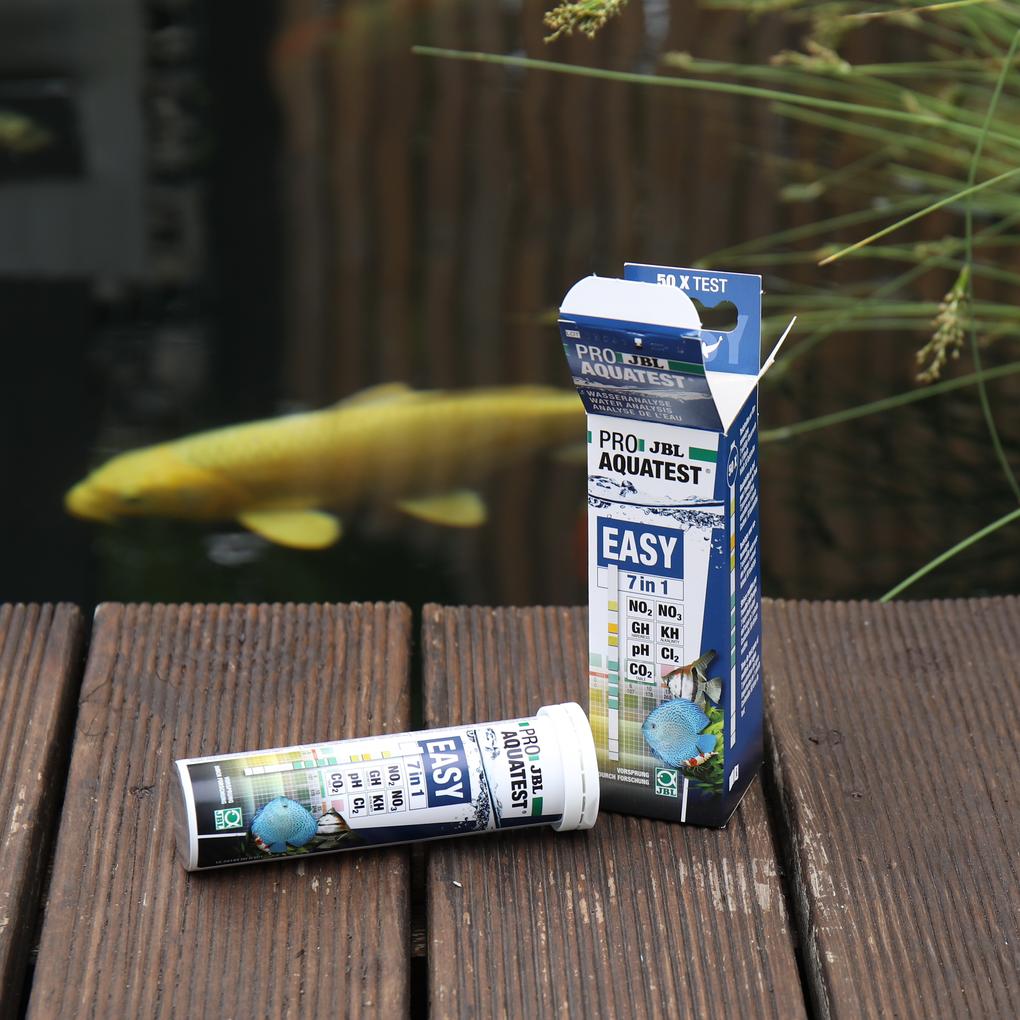
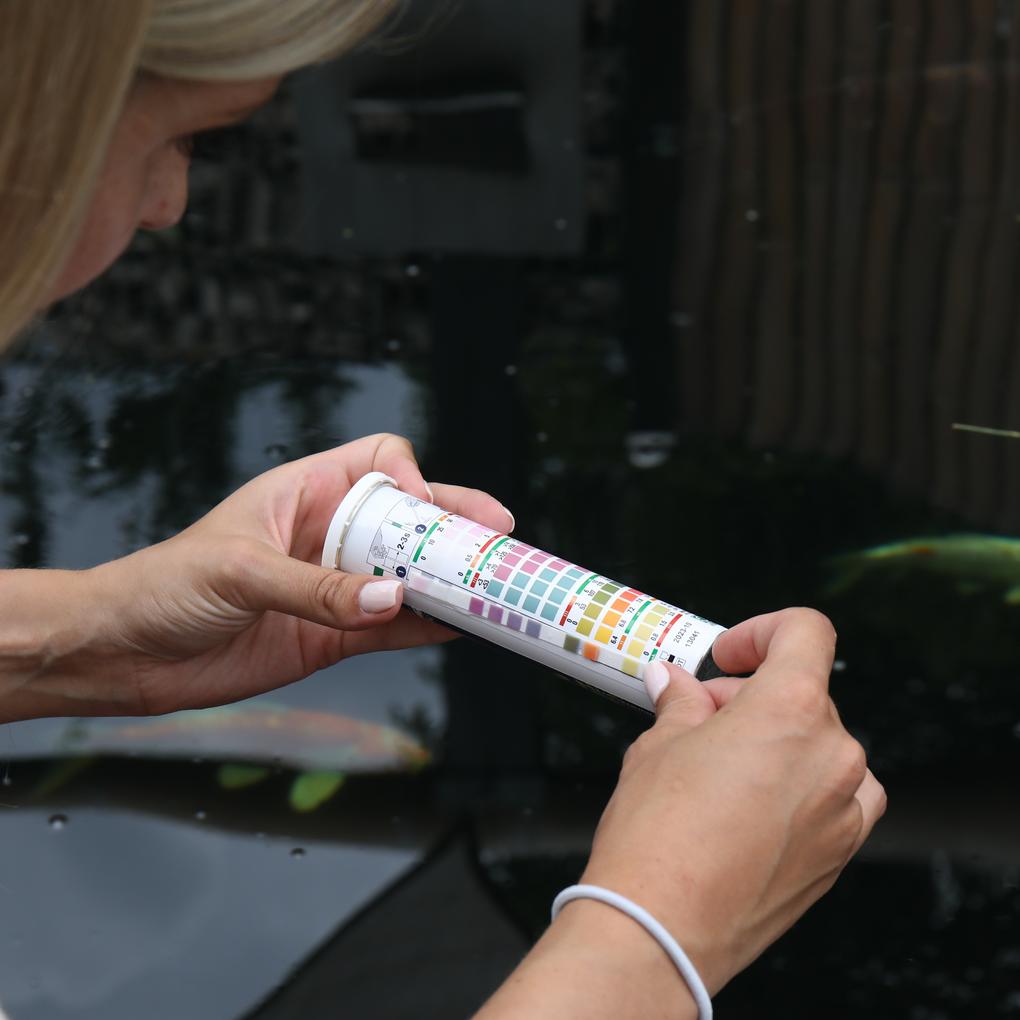
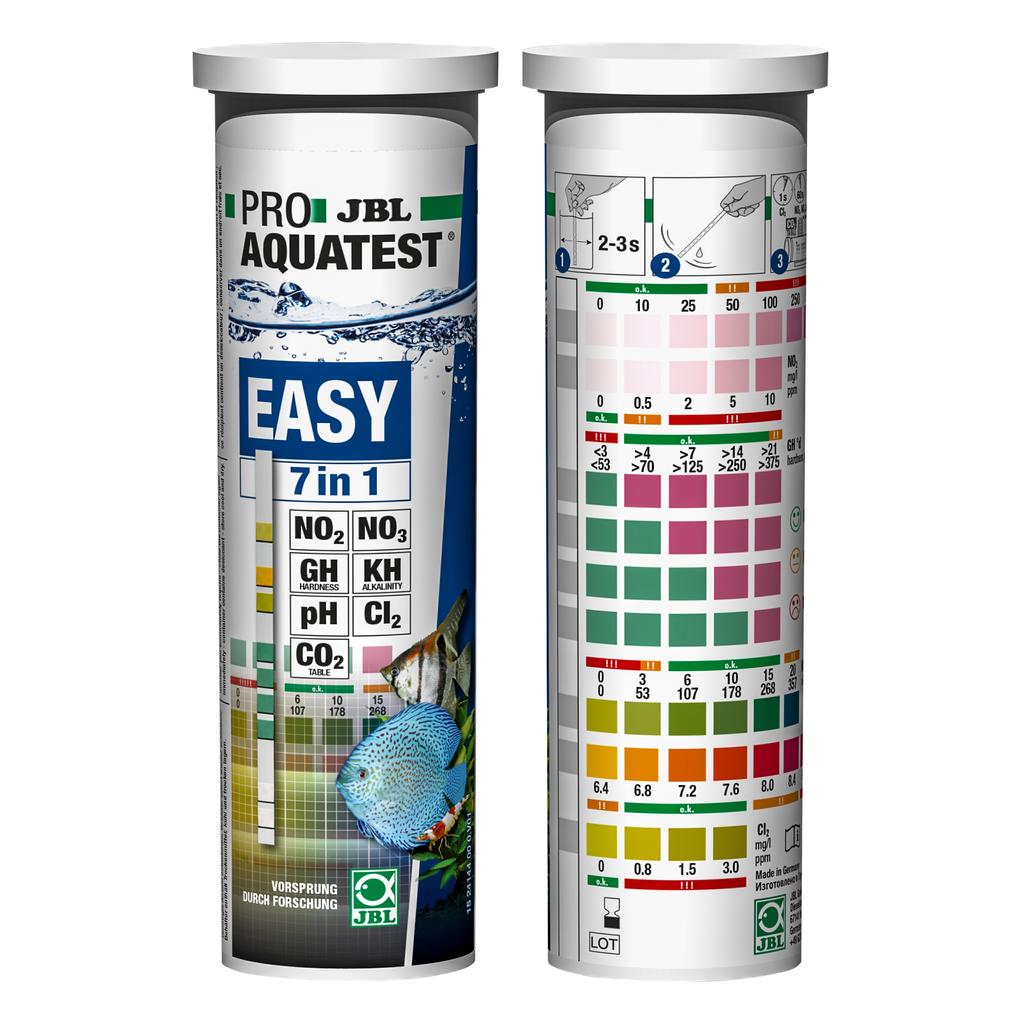
  • Paski testowe do 7 ważnych parametrów wody w ciągu 1 minuty: Orientacyjny szybki test do wody akwariowej, stawów ogrodowych, oczek wodnych, wody źródlanej i wody wodociągowej
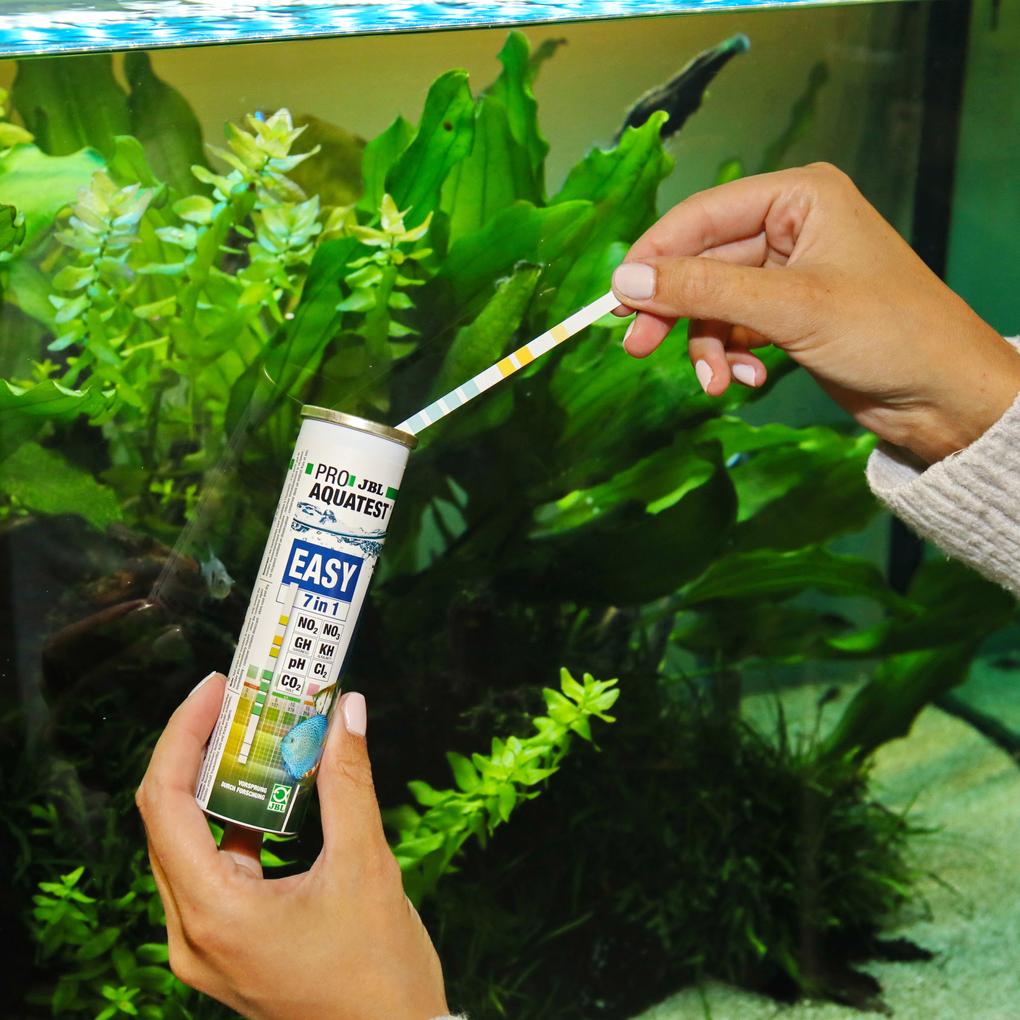
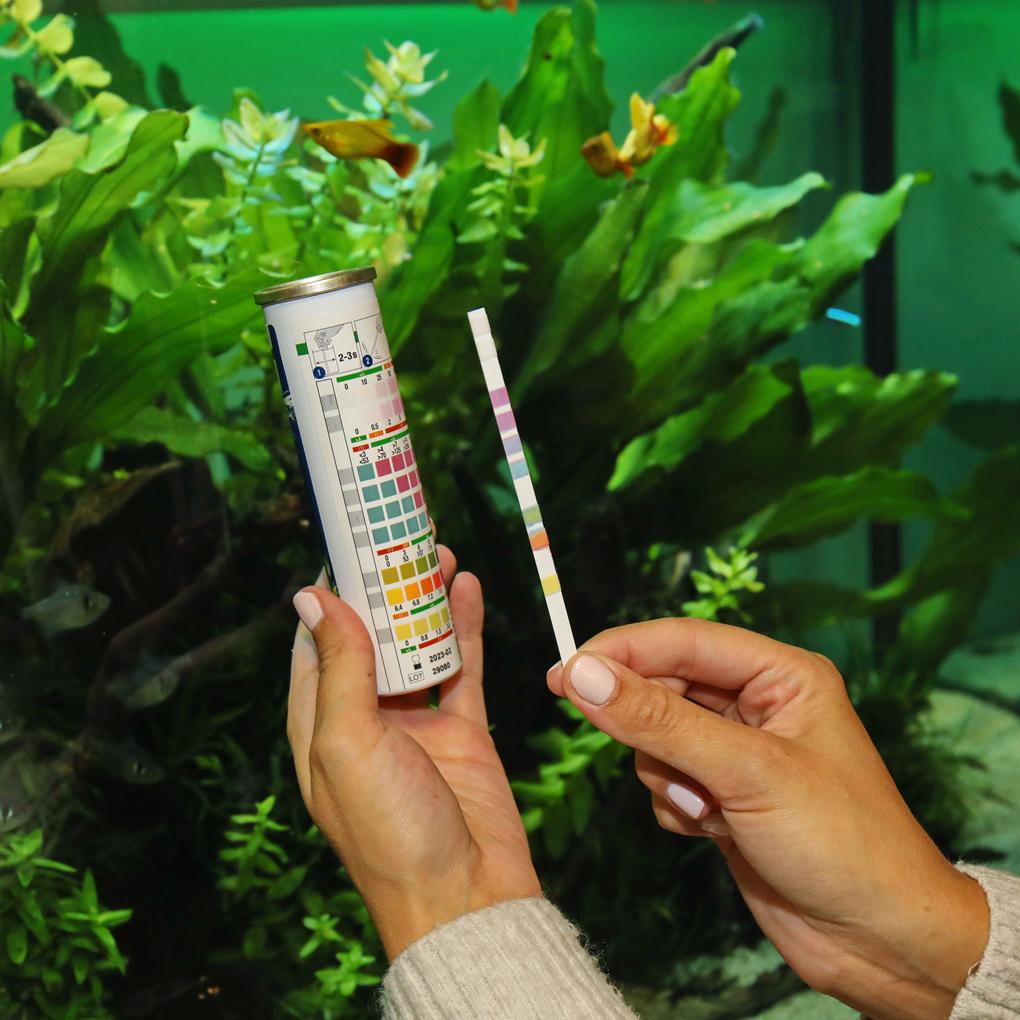
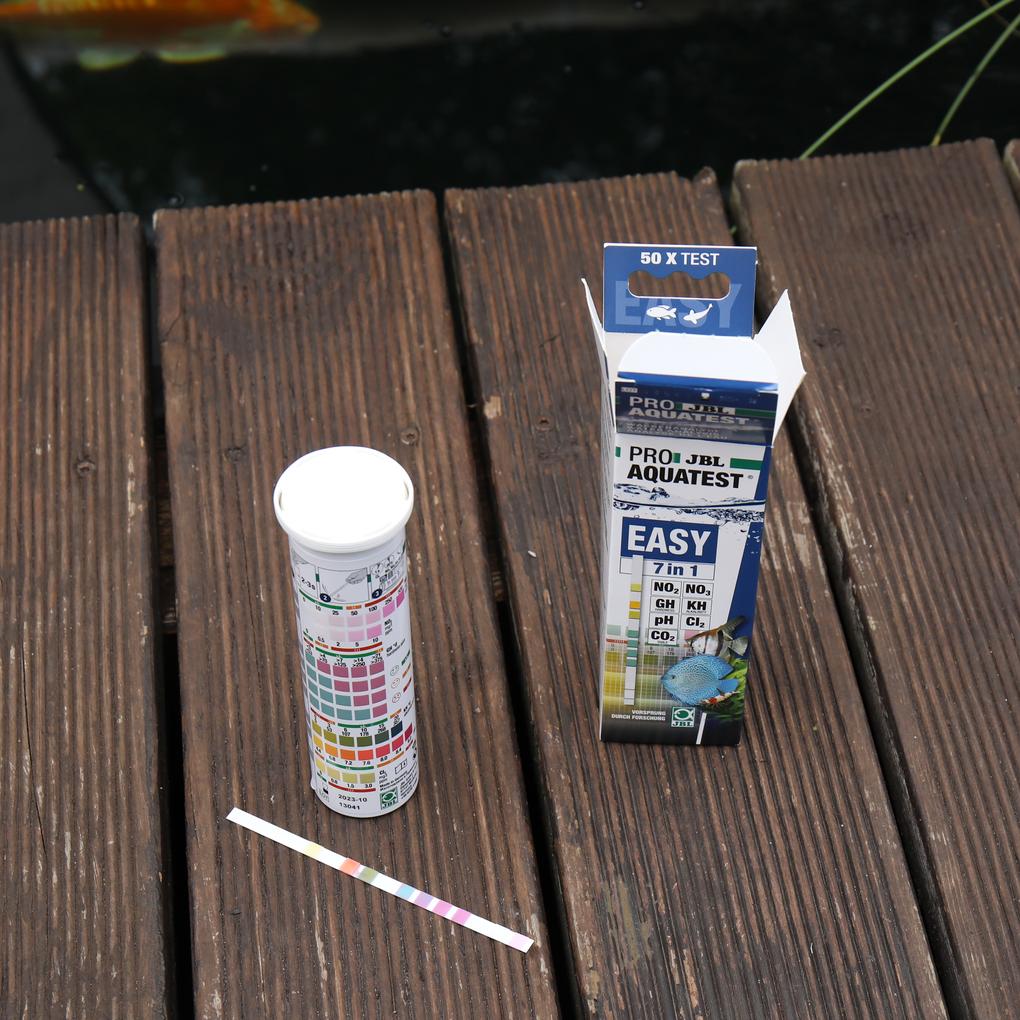
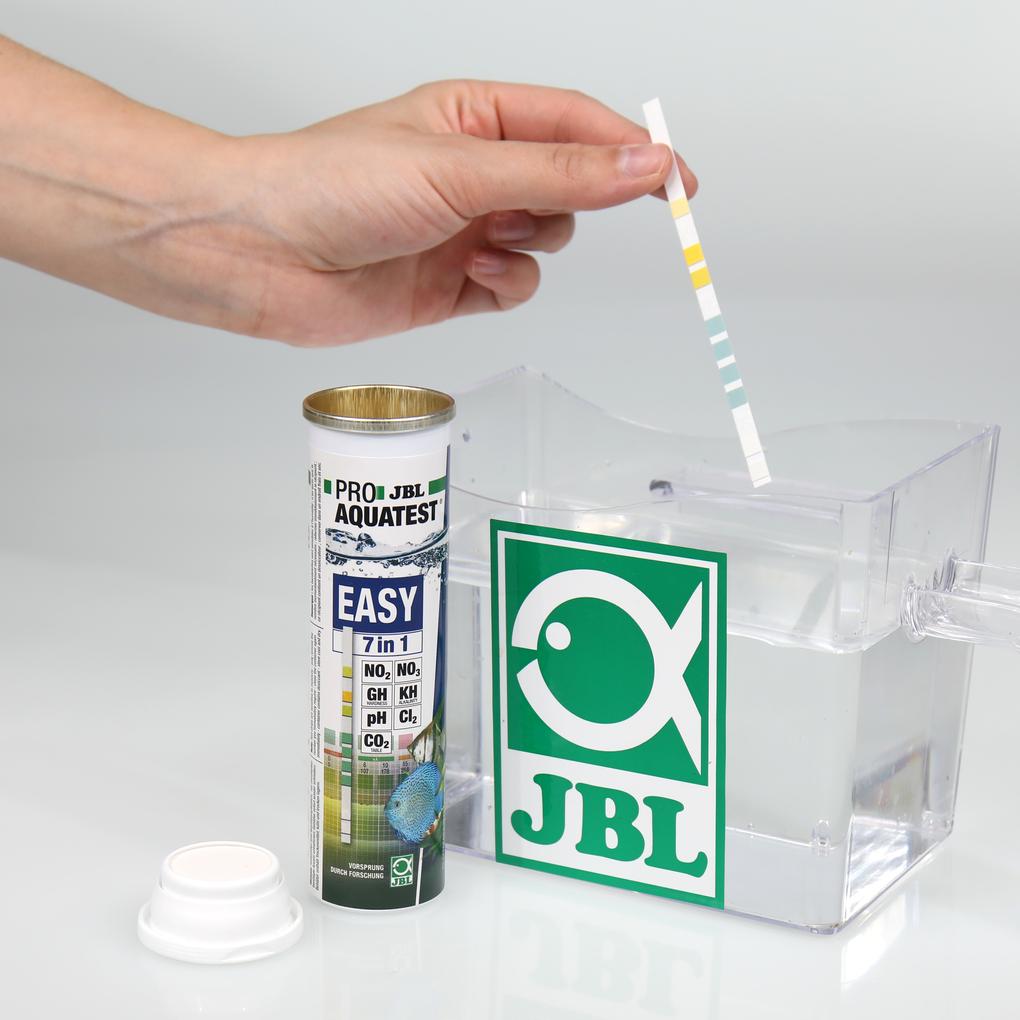
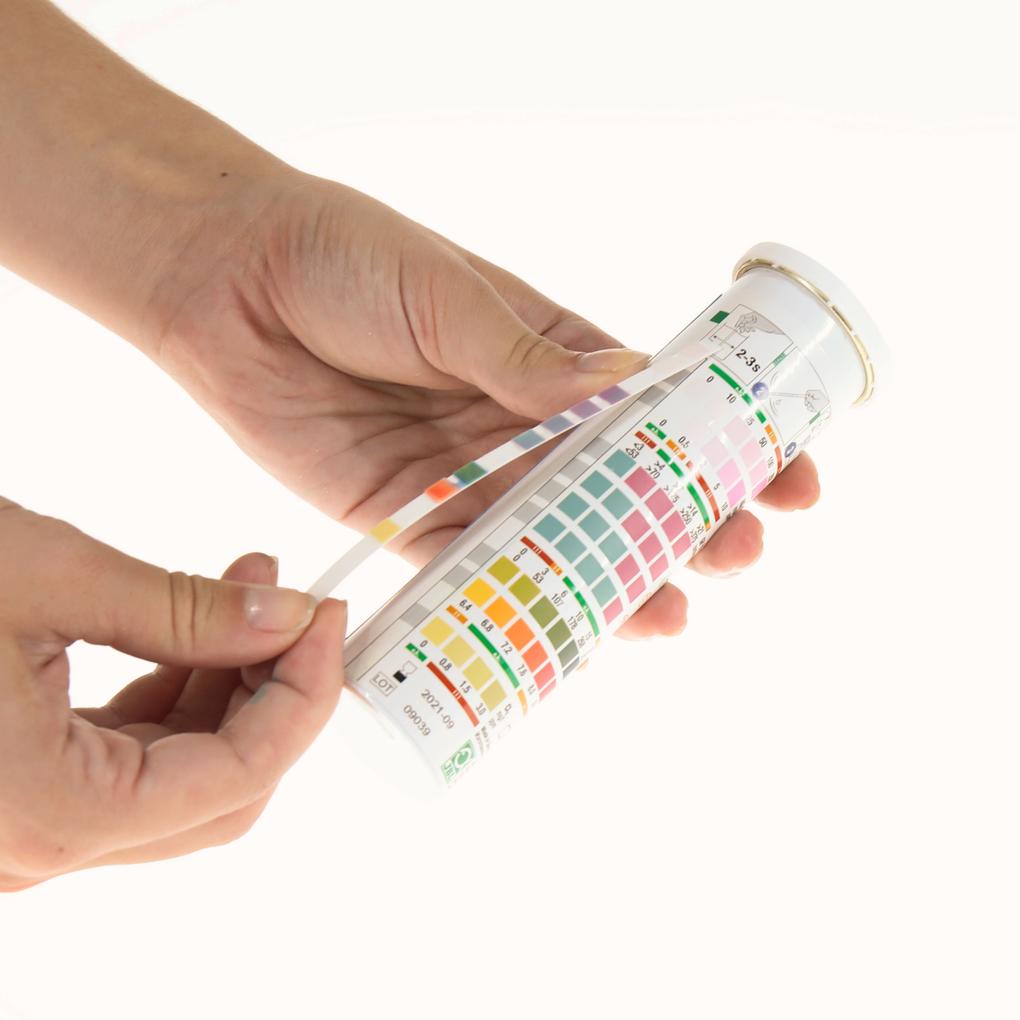
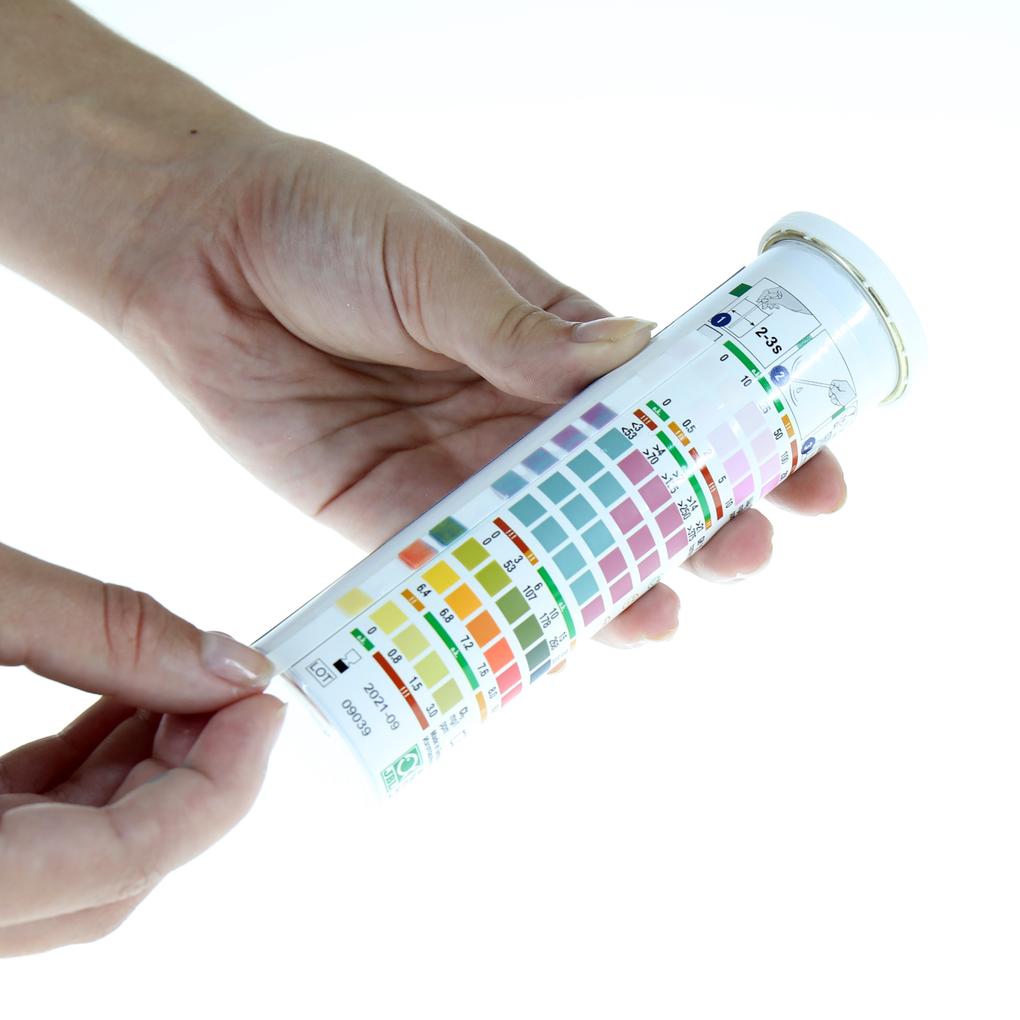
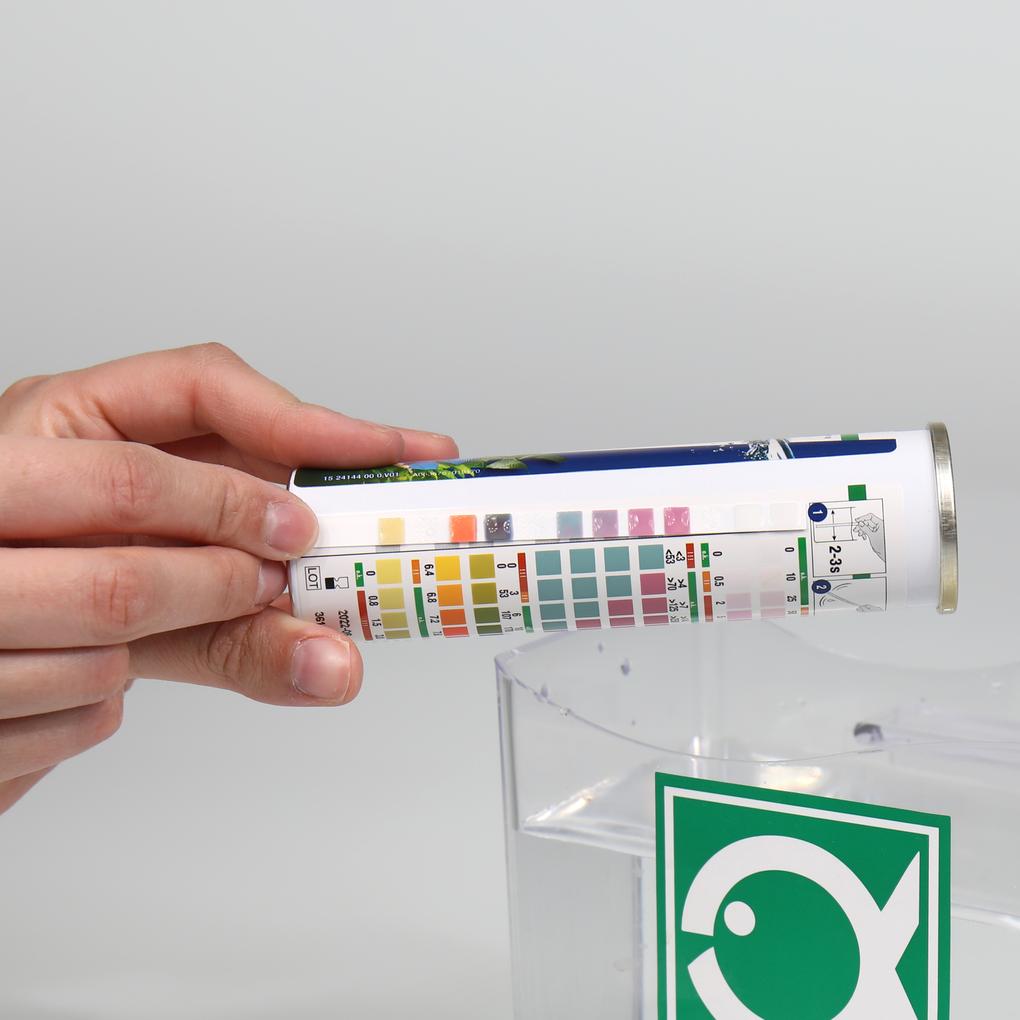
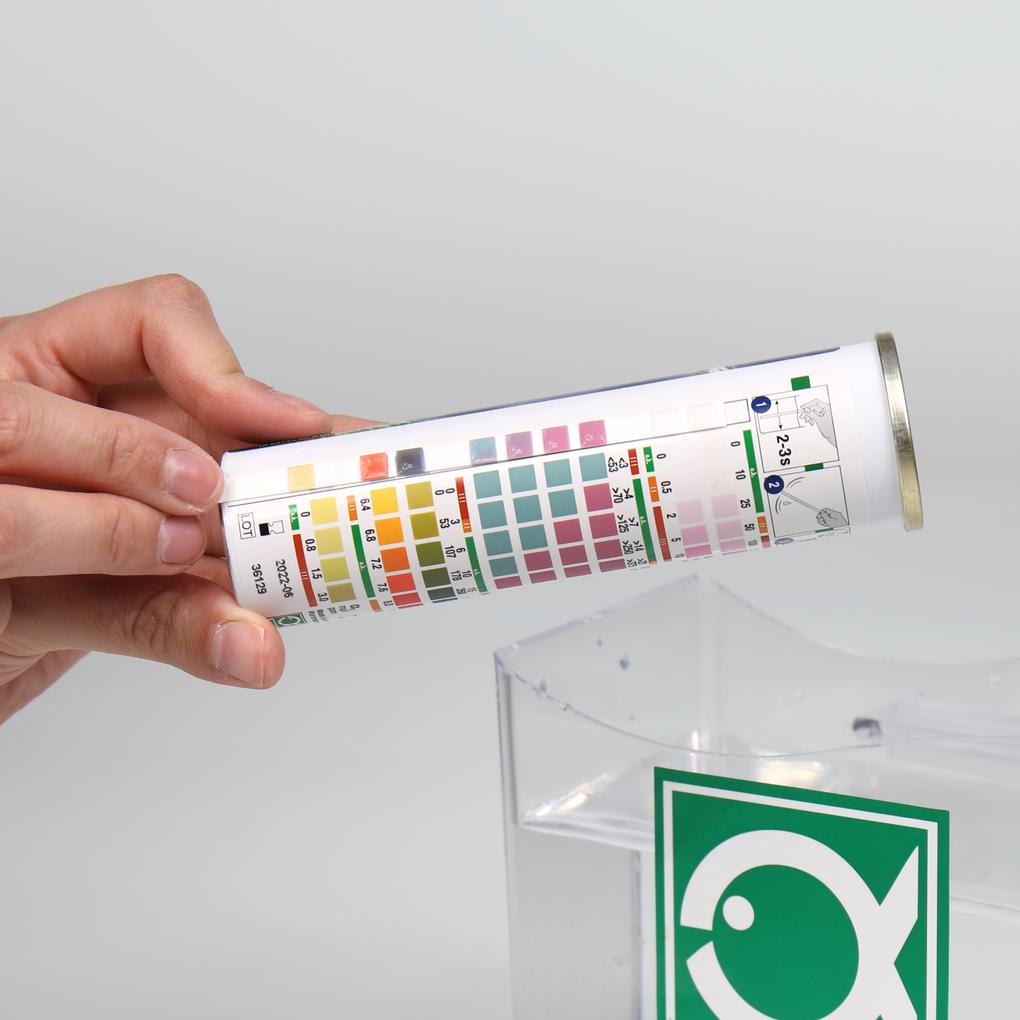
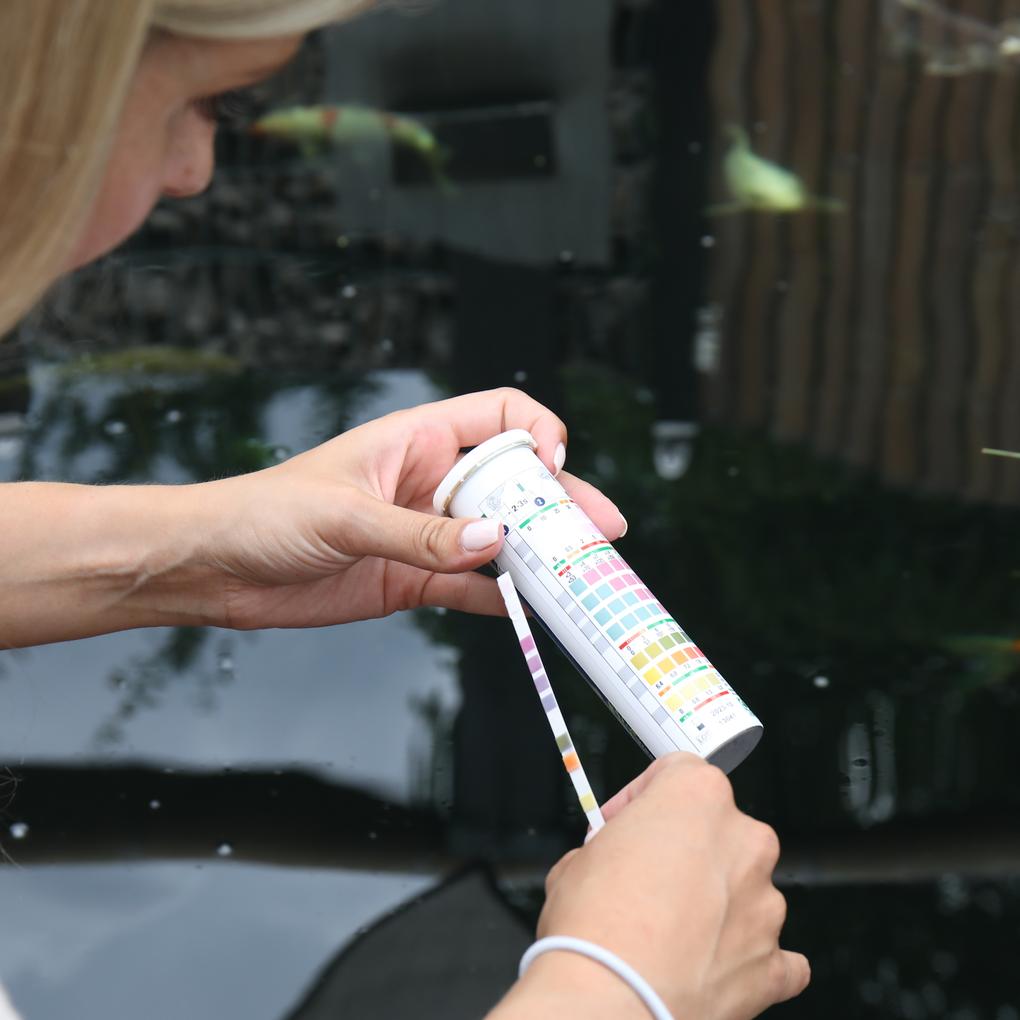
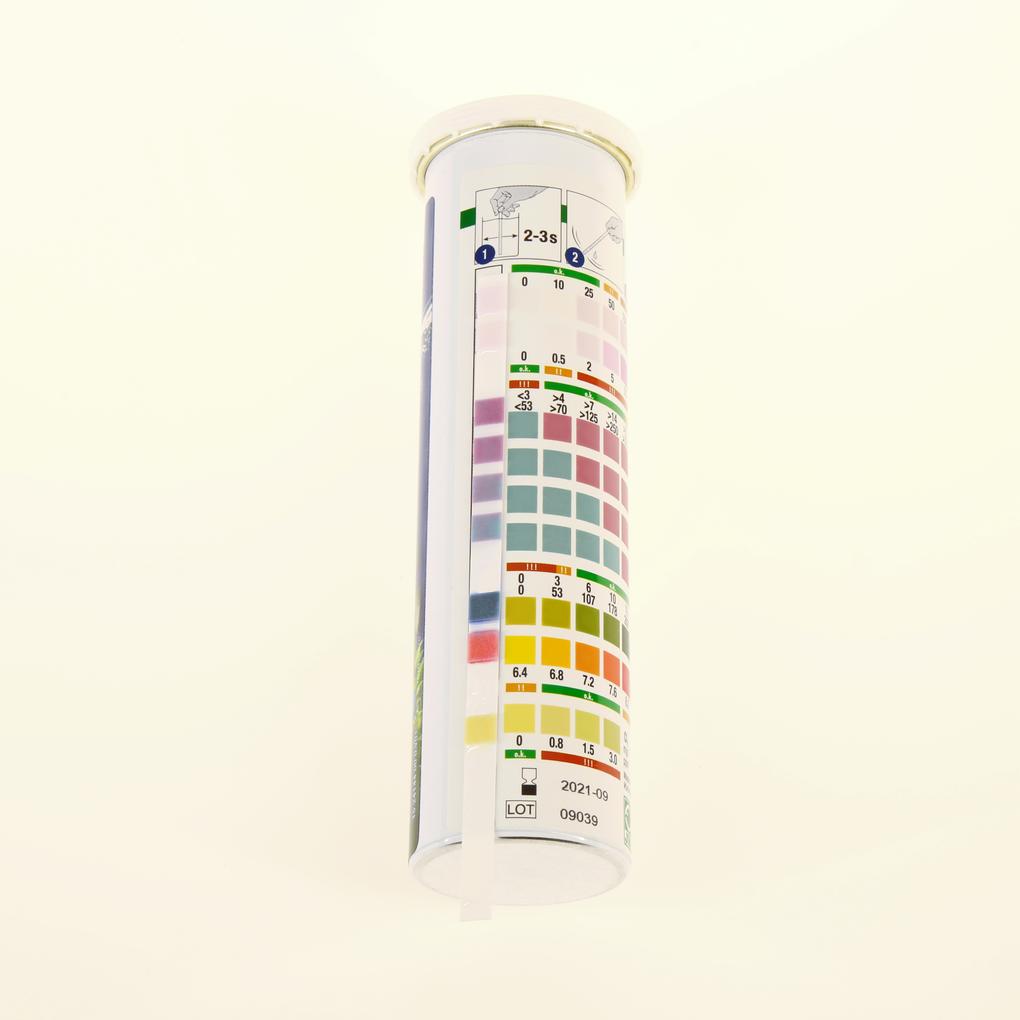
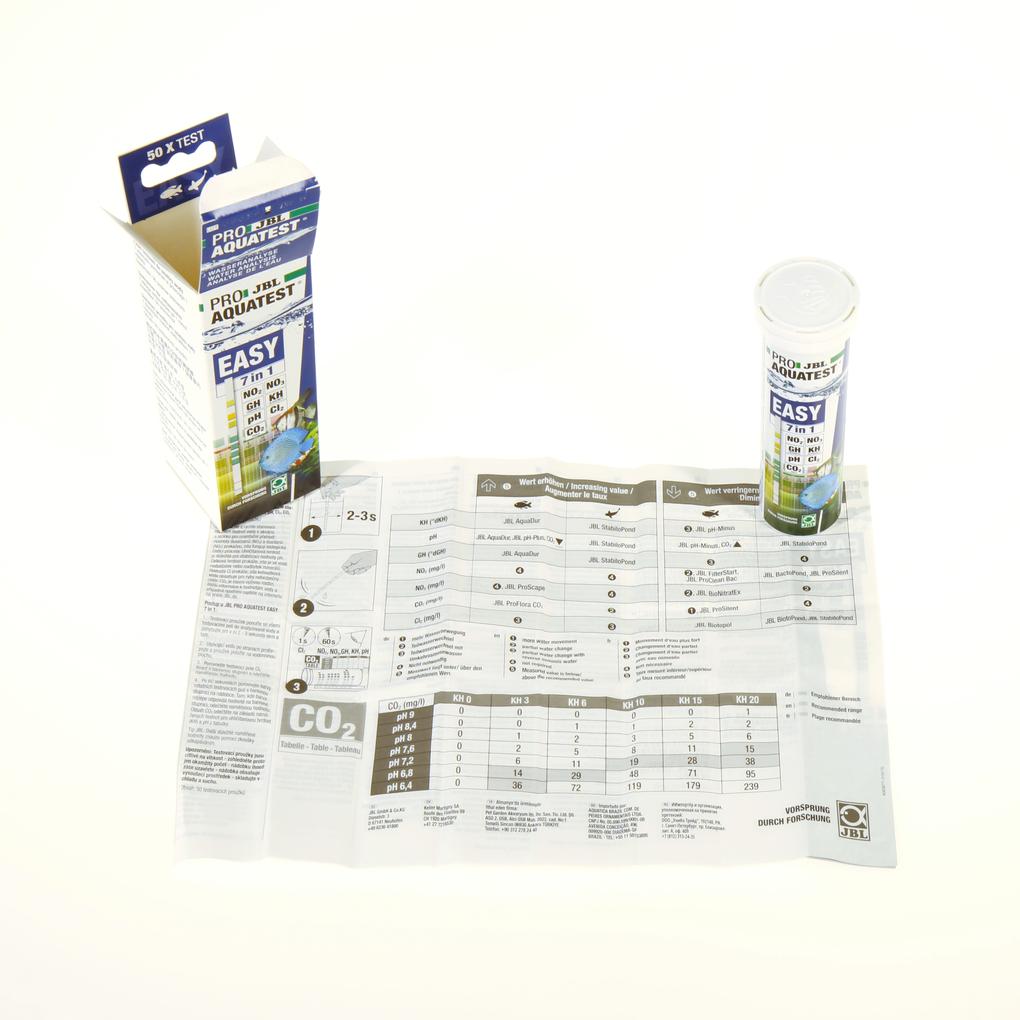
  • Proste stosowanie: Poruszanie paska testowego przez 2-3 sekundy w wodzie. Wyjęcie paska testowego. Poziome ociekanie wody. Porównanie po 1 minucie: Paski testowe ze skalą barw na opakowaniu. Odczytanie wartości CO2 w tabeli
  • Określenie następujących parametrów wody: Chlor, kwasowość (pH), twardość całkowita (GH), toksyczny związek azotu (NO2), przyczyna glonów (NO3) i stabilność pH (KH) i głównego składnika pokarmowego dla roślin (Zawartość CO2 z tabeli)
  • Następne testy jak np. Fosforany lub Amon/amoniak są dostępne jako pojedyncze testy w ofercie JBL
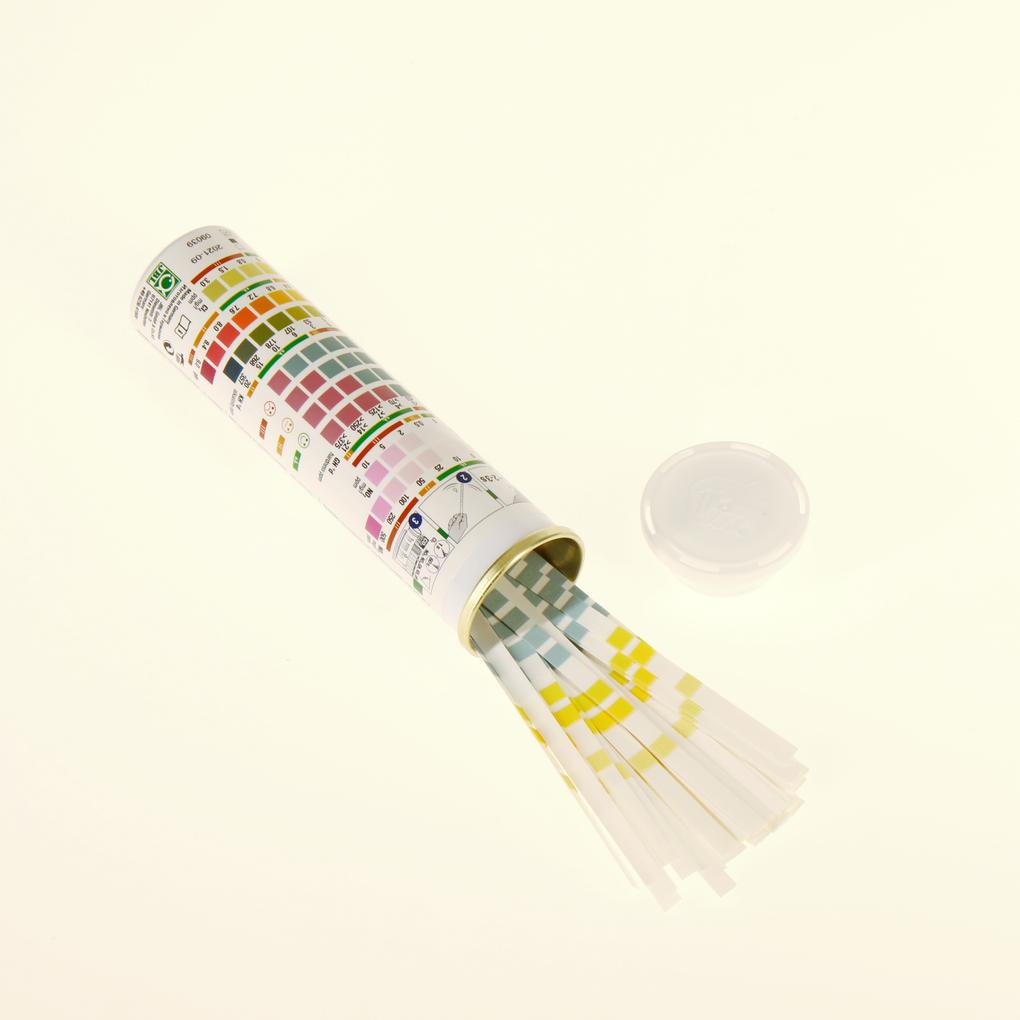
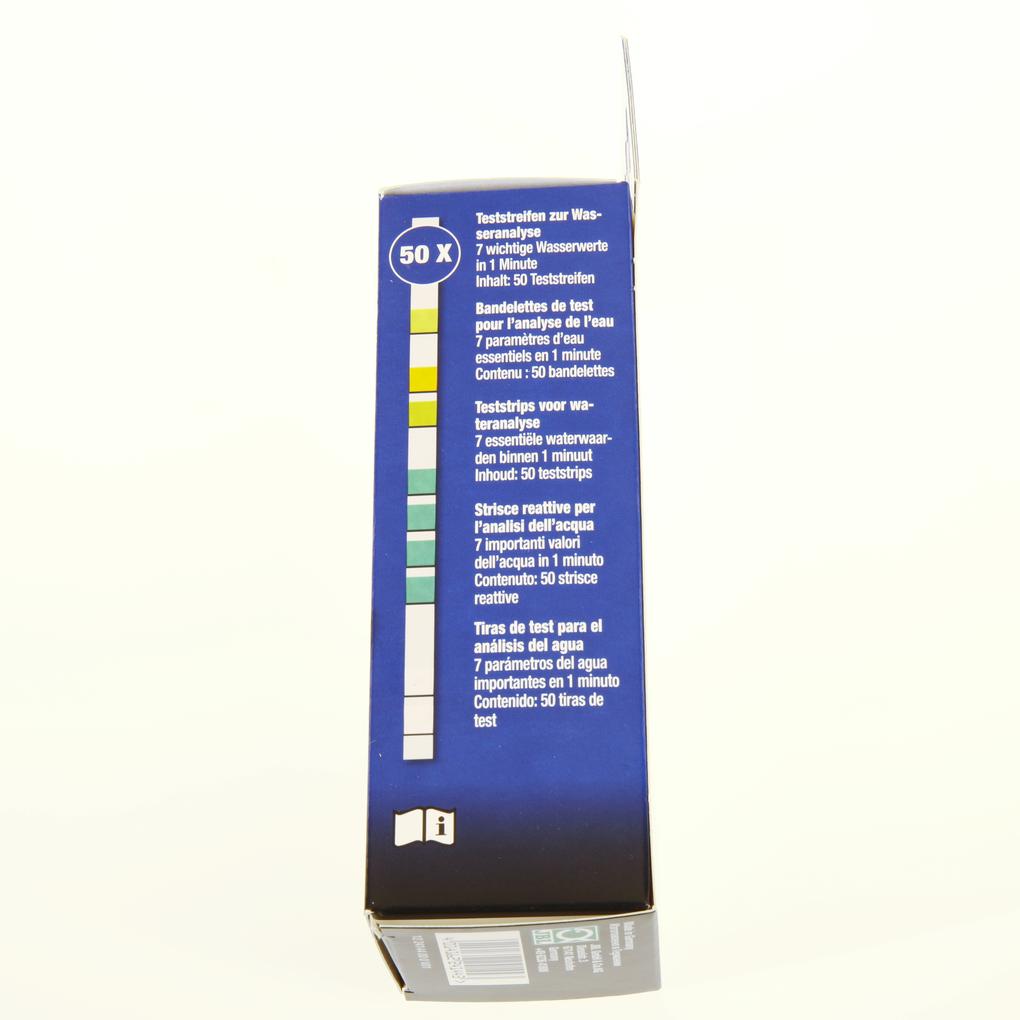
  • W zestawie: Paski testowe EasyTest 7 w 1 ze skalą barw i tabelą CO2. Zawartość: 50 pasków testowych
Produktbild Produktbild Produktbild Produktbild Produktbild Produktbild Produktbild
Produktbild Produktbild Produktbild Produktbild Produktbild Produktbild

Any further questions?

You’ll find answers to the most frequently asked questions in our FAQ section. If you can’t find what you’re looking for here, please don’t hesitate to contact us directly – we’ll be happy to help.

  • Czy odczytanie pasków testowych do badania wody jest konieczne po upływie 60 sekund?

    Tak, ponieważ pasek testowy reaguje w sposób ciągły. W związku z tym pasek można użyć tylko raz. Powtórny pomiar prowadzi do uzyskania różnych wartości, ponieważ po upływie 70 sekund ulegają one znacznej zmianie. Należy pamiętać, że wartość chloru należy odczytać bezpośrednio po kilku sekundach.

    War diese Antwort hilfreich?
  • Jak długo można przechowywać paski testowe po otwarciu opakowania?

    Paski testowe są wrażliwe na wilgoć. Reakcja rozpoczyna się natychmiast po kontakcie z wilgocią. Proszę wyjąć potrzebną liczbę pasków testowych wyłącznie SUCHYMI palcami lub najlepiej wytrzepać je z opakowania jak cukierki i natychmiast zamknąć pojemnik. Pojemnik zawiera środek osuszający, który pochłania wilgoć z powietrza znajdującego się w środku. Jeśli tubka pozostaje otwarta przez dłuższy czas, może dojść do reakcji, która spowoduje, że paski testowe staną się bezużyteczne. Cyfrowe paski testowe do JBL PROSCAN są znacznie bardziej wrażliwe na wilgoć podczas stosowania niż nieco grubsze paski JBL PROAQUATEST EASY 7in1. Dlatego paski testowe należy zawsze przechowywać w chłodnym i suchym miejscu.

    War diese Antwort hilfreich?
  • Czy test działa prawidłowo również w przypadku wody osmozowej i destylowanej?

    W przypadku słabo buforowanych roztworów takie testy nie zapewniają wiarygodnych wyników pomiaru wartości pH. Nie ma to wpływu na pozostałe parametry, takie jak NO3, NO2, GH, KH i Cl. Zakłóca to również obliczenia zawartości CO2.

    War diese Antwort hilfreich?
  • Gdzie znajdę protokoły do dokumentacji analizy wody?

    Zgubiłeś swoje arkusze protokołu, wszystkie już wypełniłeś lub potrzebujesz arkuszy w innym języku? W załączniku do niniejszego FAQ znajdziesz plik PDF do wydrukowania w języku niemieckim, angielskim i francuskim.

    War diese Antwort hilfreich?

Can’t find the answer?

Ask the JBL Service Team your question.

Information and consent to cookies & third-party content

We use technically necessary cookies/tools to offer, operate and secure this service. Furthermore ,with your express consent , we use cookies/tools for marketing, tracking, creating personalised content on third-party sites and for displaying third-party content on our website. You can revoke your consent at any time with effect for the future via the menu item ‘Cookie settings’.
By clicking on ‘Allow all’, you give us your express consent to the use of cookies/tools to improve the quality and performance of our service, for functional and personalised performance optimisation, to measure the effectiveness of our ads or campaigns, for personalised content for marketing purposes, including outside our website. This enables us to provide personalised online ads and extended analysis options about your user behaviour. This also includes accessing and storing data on your device. You can revoke your consent at any time with effect for the future via the menu item ‘Cookie settings’.
You can use the ‘Change settings’ button to grant and revoke individual consent to the cookies/tools and receive further information on the cookies/tools we use, their purposes and duration.
By clicking on ‘Only absolutely necessary’, only technically necessary cookies/tools are used.

Our data protection declaration tells you how we process personal data and what purposes we use the data processing for.
PUSH messages from JBL

What are PUSH messages? As part of the W3C standard, web notifications define an API for end-user notifications that are sent to the user's desktop and/or mobile devices via the browser. Notifications appear on the end devices as they are familiar to the end user from apps installed on the device (e.g. emails). Notifications appear on the end user’s device, just like an app (e.g. for emails) installed on the device.

A notification makes it possible to inform the user about an event outside the context of a website, such as a new blog post, a competition or a voucher.

These notifications enable a website operator to contact its users whenever they have a browser open - it doesn’t matter whether the user is currently visiting the website or not.

To be able to send web push notifications, all you need is a website with a web push code installed. This allows brands without apps to take advantage of many of the benefits of push notifications (personalised real-time communications at just the right moment).

Web notifications are part of the W3C standard and define an API for end user notifications. A notification makes it possible to inform the user about an event, such as a new blog post, outside the context of a website.

JBL GmbH & Co. KG provides this service free of charge, and it is easy to activate or deactivate.