JBL PhosEx ultra
Item no. 6254100
In stock – delivered to you in 1-3 business days
Shop locator
In unserem FAQ‑Bereich findet ihr Antworten auf die am häufigsten gestellten Fragen. Solltet ihr hier nicht fündig werden, zögert bitte nicht, uns direkt zu kontaktieren – wir helfen euch gerne weiter.
After a new installation, the bubbles will only flow slowly through the reactor and will partially combine to form large bubbles. The device requires a running-in period of approx. 48 hours! Only then will a biofilm have formed on the surface of the device, allowing the bubbles to pass through to the top without any problems. After the running-in period, set the bubble rate required for your aquarium.
Algae problems in aquariums can never be attributed to a single factor or set of conditions, but are always a combination of various factors, including light, fertilization, water changes (specifically how often and how much), feeding, animal stocking, and, of course, the specific water values. According to evaluations carried out over many years, red algae, at least the classic brush and beard algae, occur in descending order with the following parameters: 1) Too little carbon dioxide (in 100% of the tanks measured); the pH value should always be in the slightly acidic range, depending on the carbonate hardness. 2) Elevated phosphate levels (above 90%); phosphate limitation using JBL PhosEx ultra often helps here. 3) Too little and too irregular fertilization (iron should always be detectable in trace amounts). 4) Too few water changes; weekly water changes of more than 30% are recommended for algae problems. 5) Too few fast-growing plants
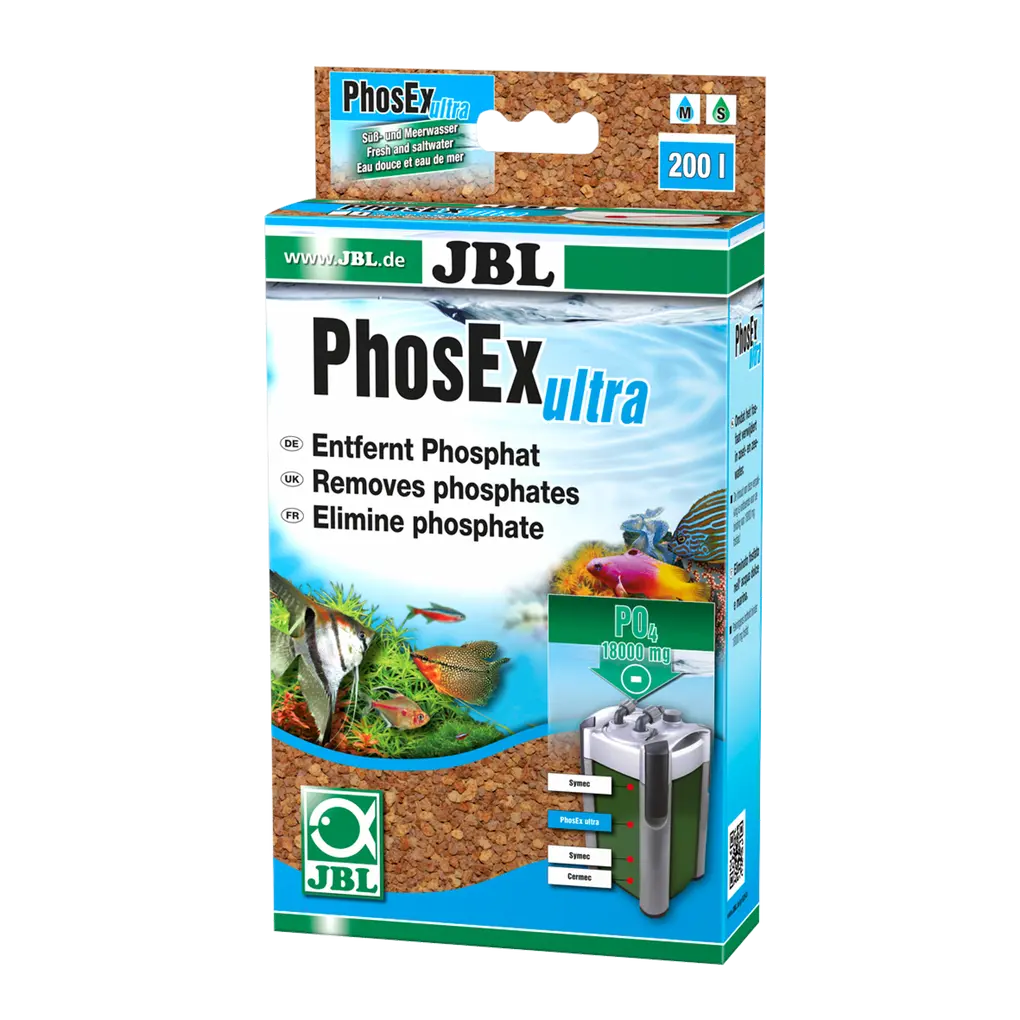
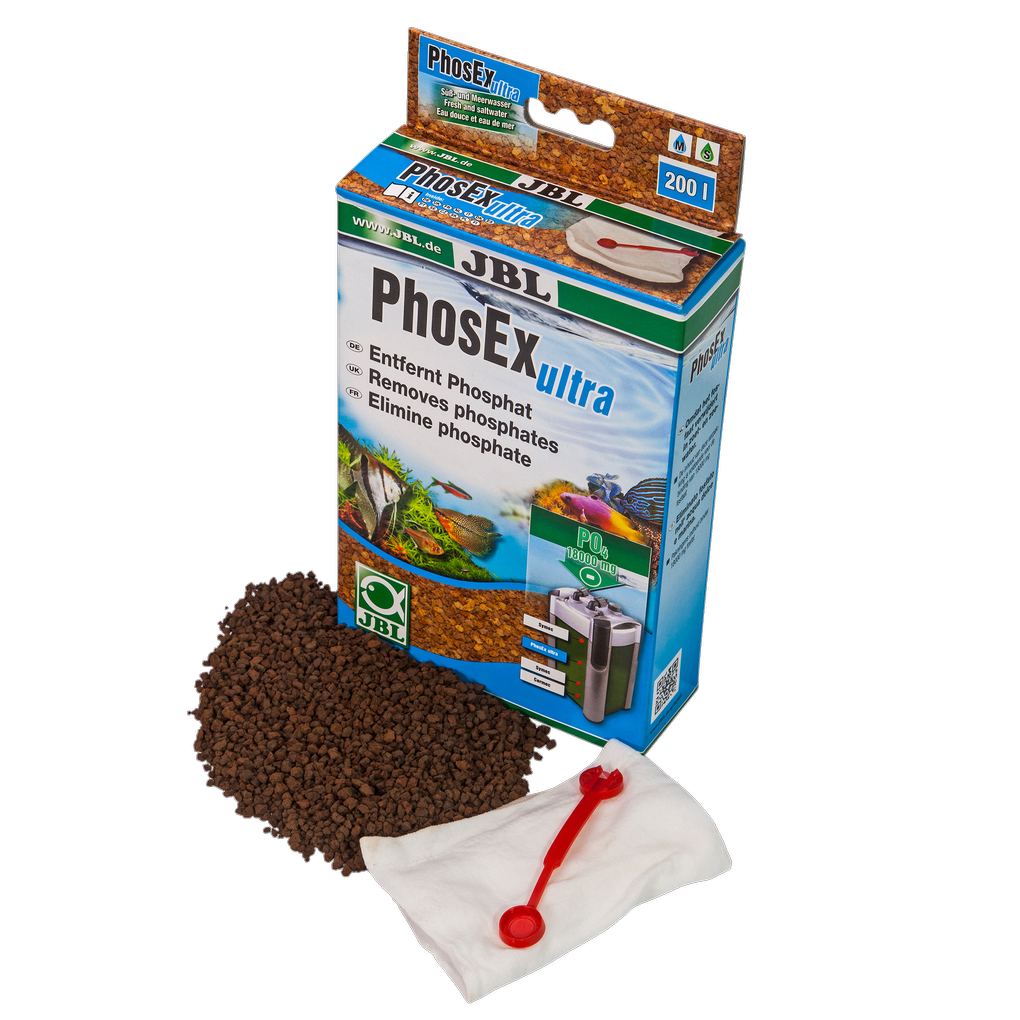
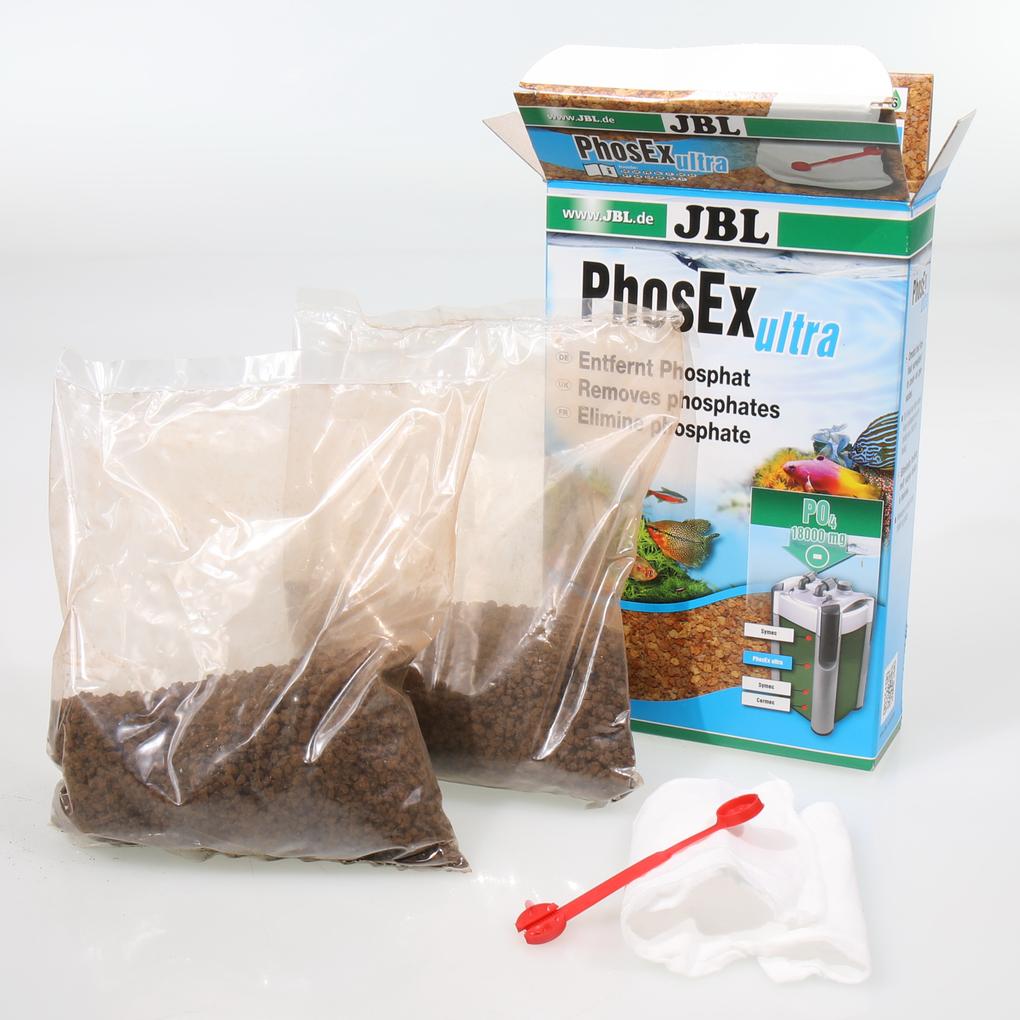
JBL PhosEx ultra binds approximately 18,000 mg of phosphate before its capacity is exhausted. Therefore, it can continue to be used during water changes until its capacity is exhausted and the phosphate content in the water rises (check with JBL Phosphate Test sensitive). Example: 2.0 mg/l in tap water results in 400 mg of phosphate in a 200 l aquarium when fully filled, and 200 mg of phosphate after a 50% partial water change. The range can therefore be calculated depending on the water changes.
Yes, this is possible, but you must take into account that phosphate adsorption will be slower with JBL PhosEx ultra.
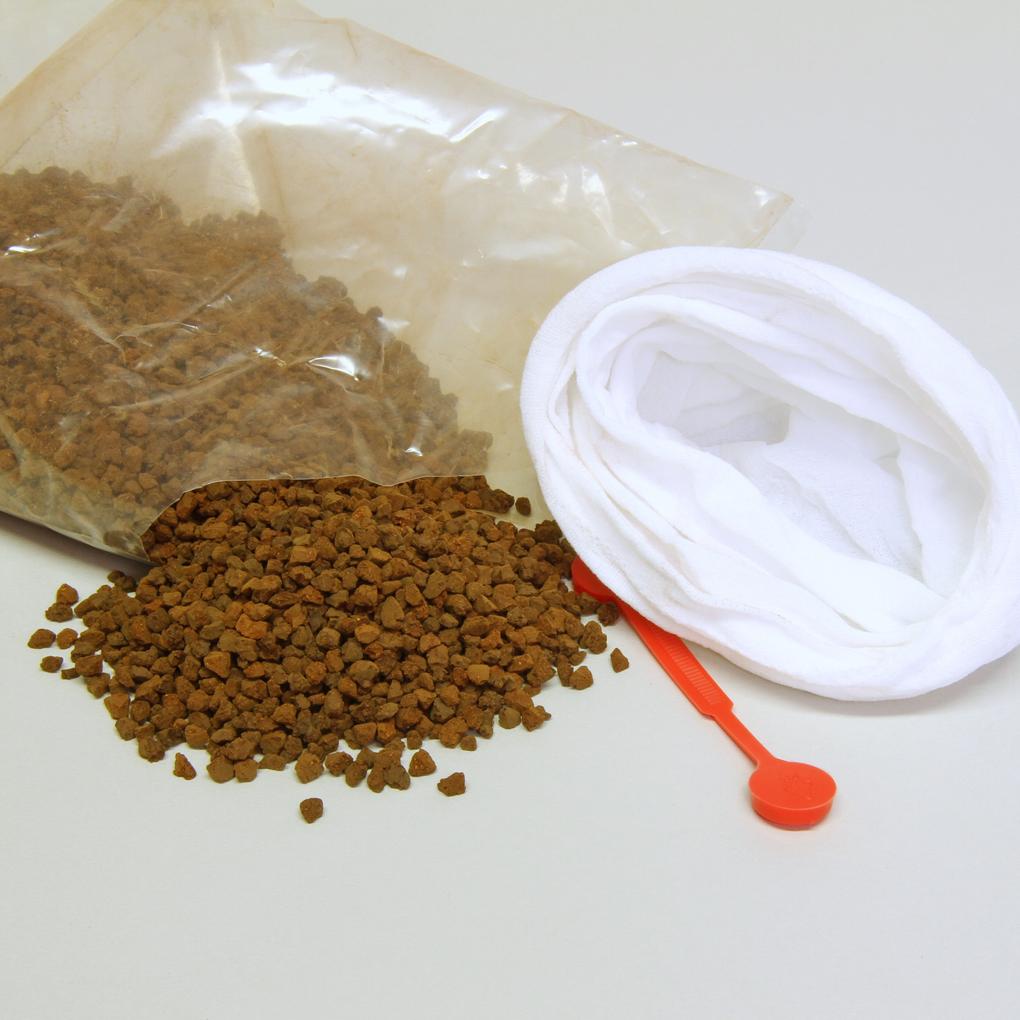
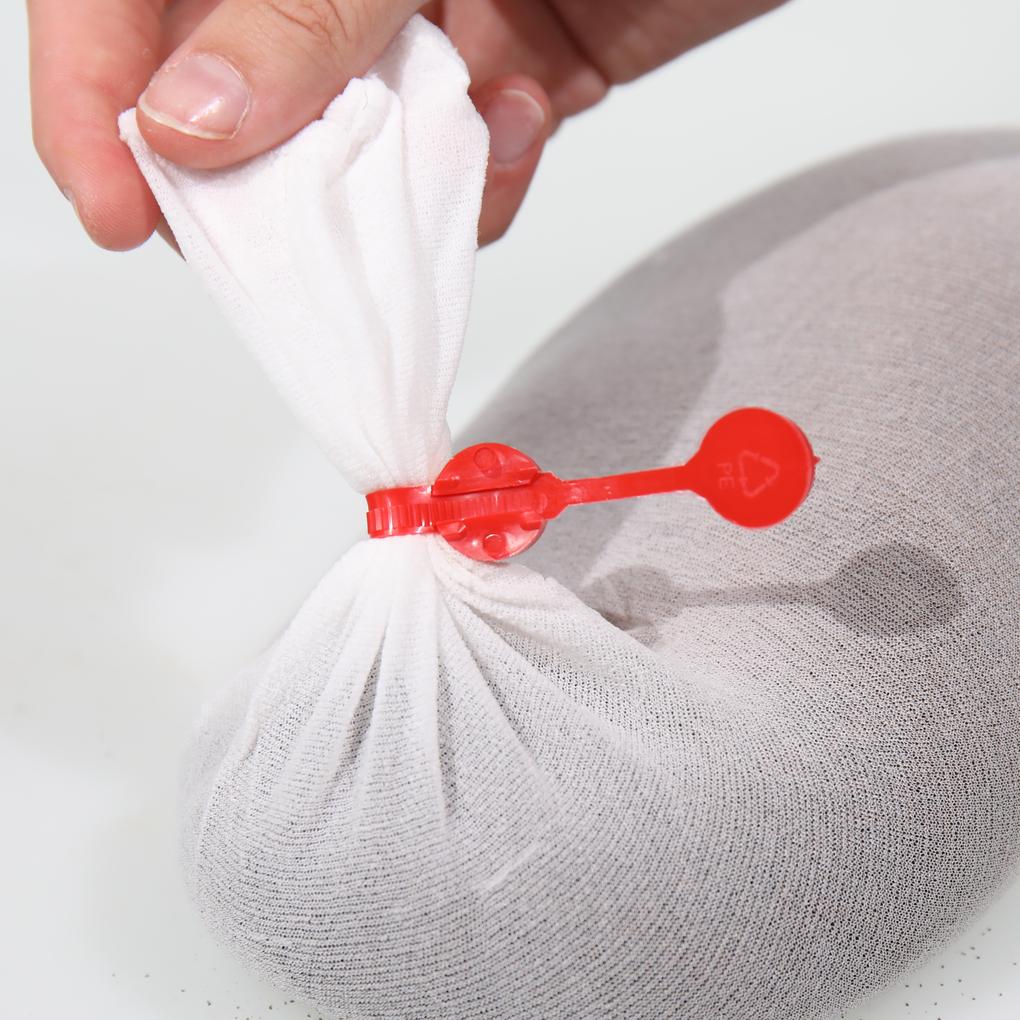
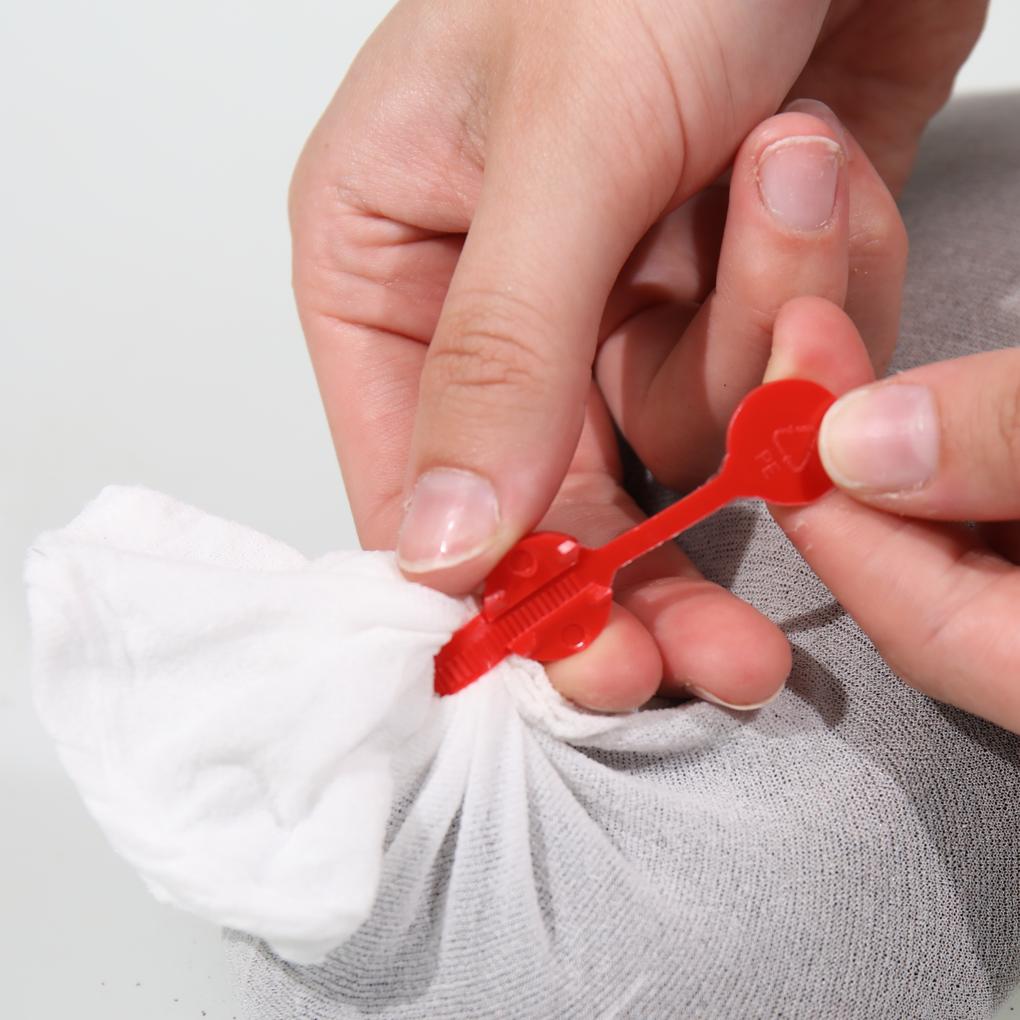
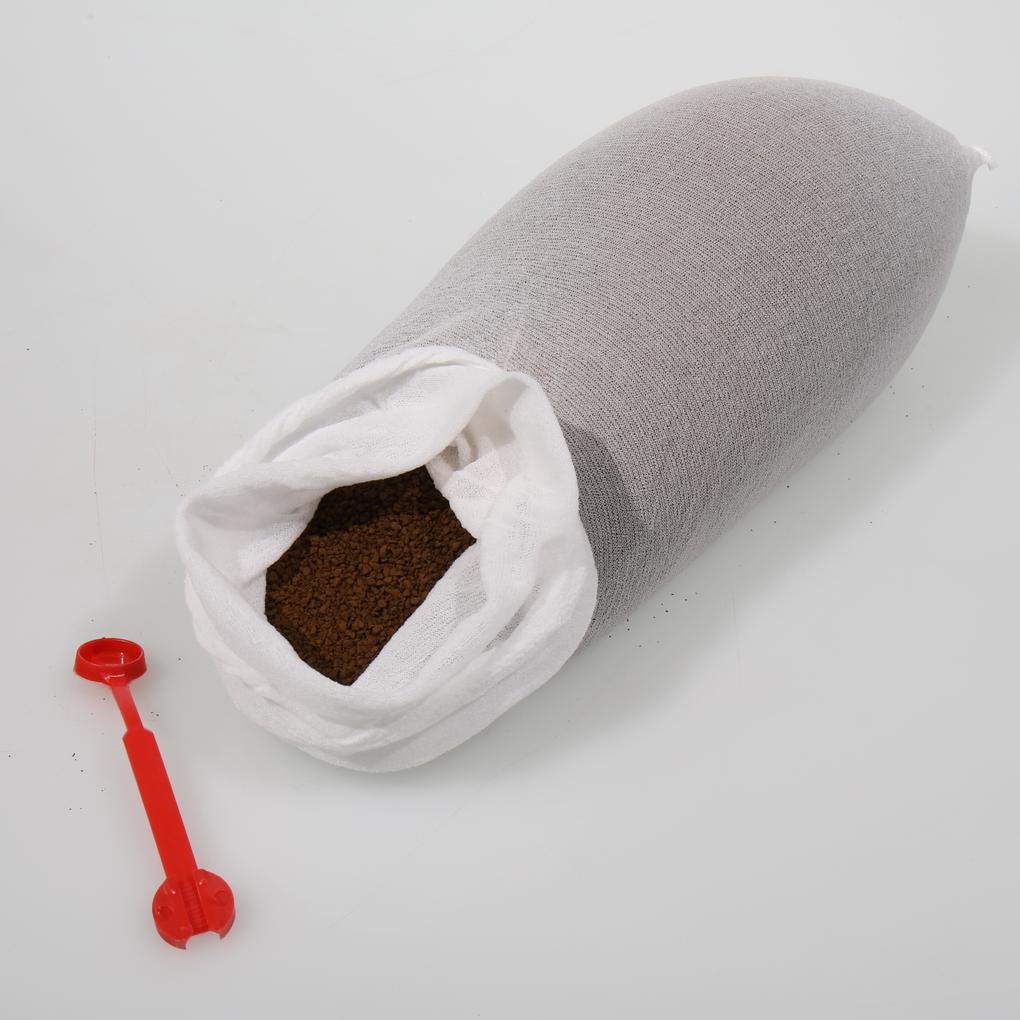
It can be assumed that JBL PhosEx ultra was not washed out before use. Rinse the mesh bag containing JBL PhosEx ultra under running water before first use to remove any dust particles that cannot be completely avoided during transport, etc. Perform a large water change of about 50-60%, remove JBL PhosEx ultra from the filter and rinse the granulate again. If possible, reduce the filter performance for a few hours (please ensure that the oxygen supply is maintained) so that any remaining particles can settle and then be removed with a mulm bell.
Please clean the glass thoroughly before installing the thermometer. Algae, biofilms, and limescale can prevent it from sticking properly. If the thermometer still does not stick, there may be a problem with the suction cup itself. Due to a material defect, some suction cups have bubble-like growths that prevent them from sticking properly. If you have one of these suction cups, please contact our customer service with a photo.
Stelle deine Frage an das JBL Service Team.