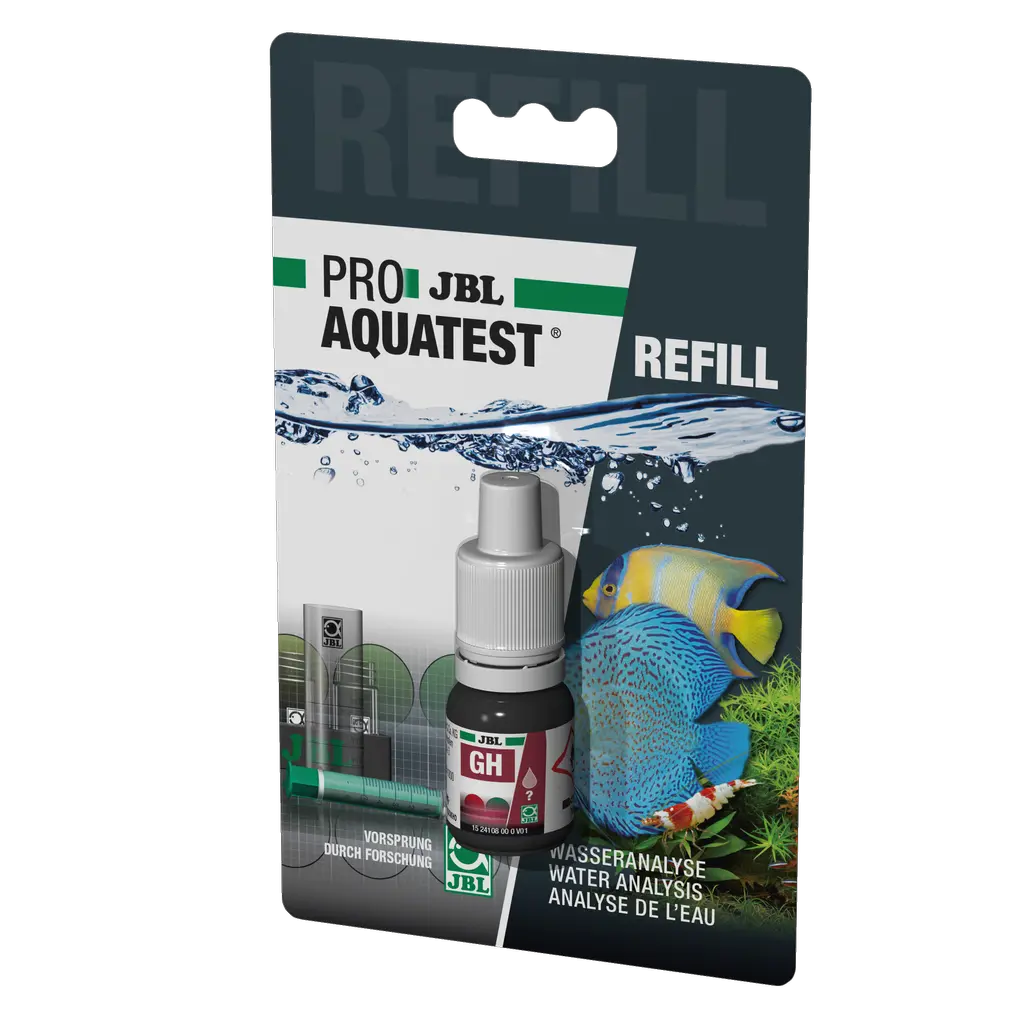
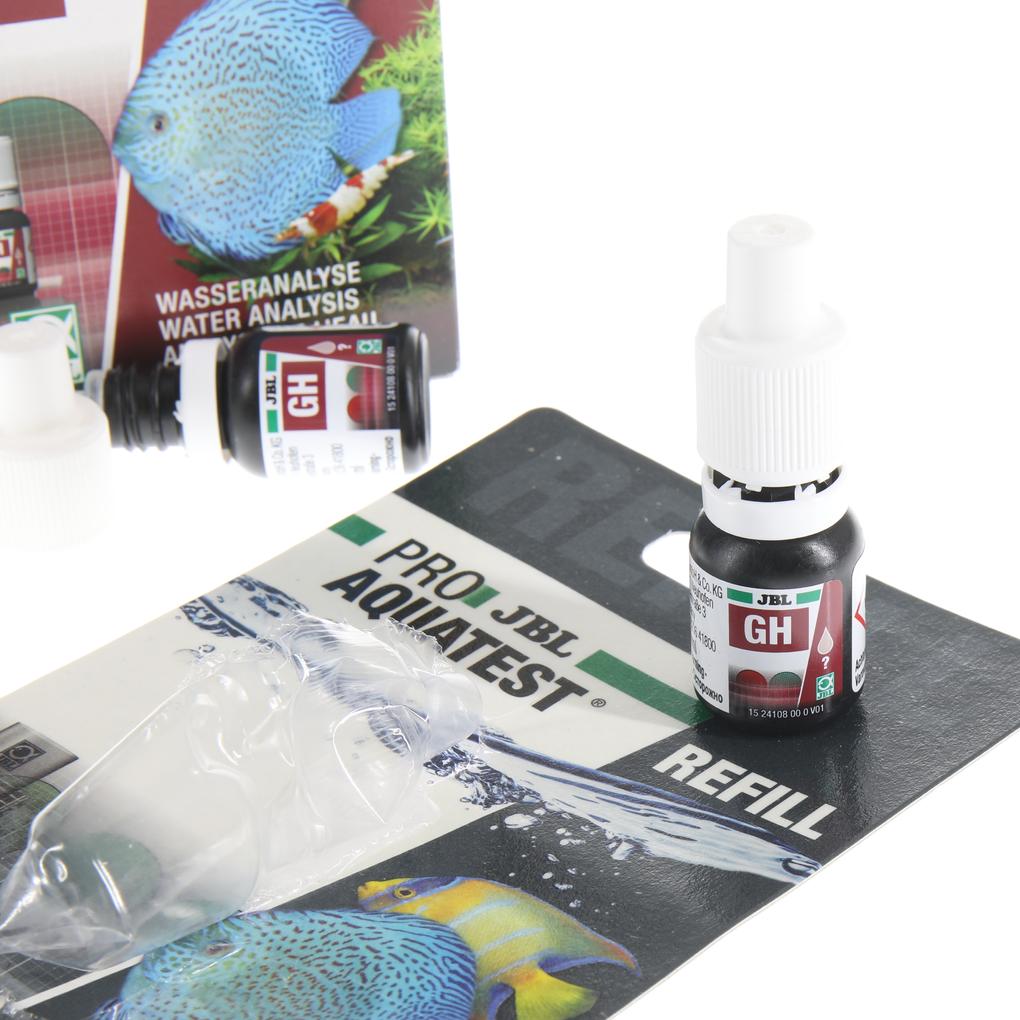
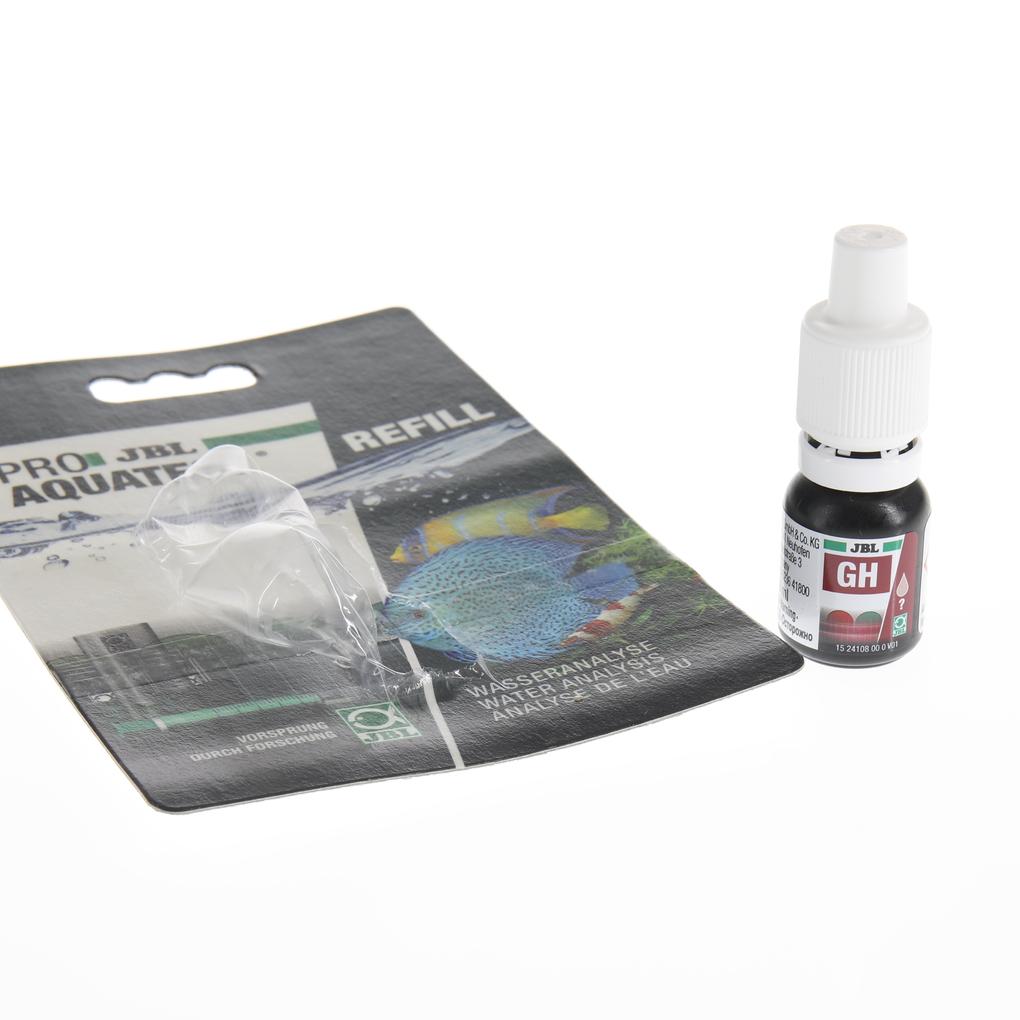
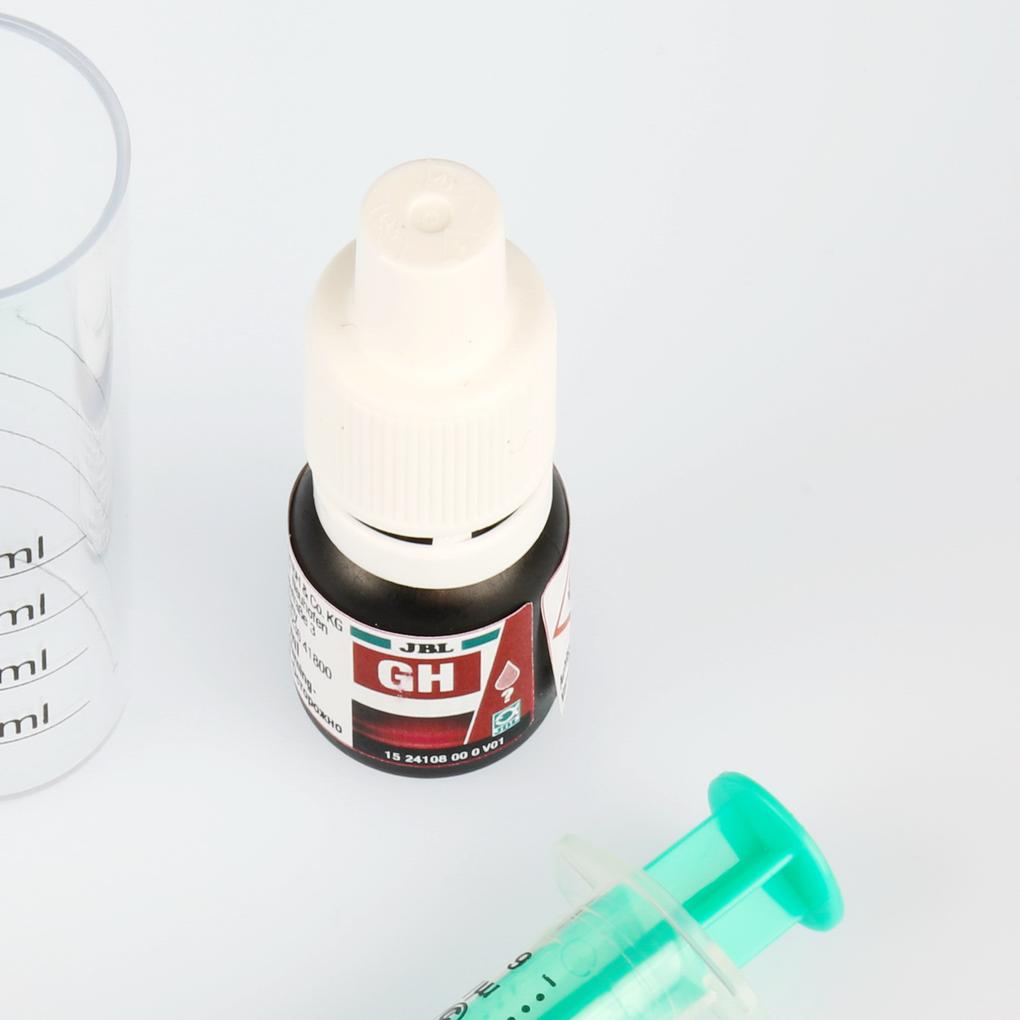
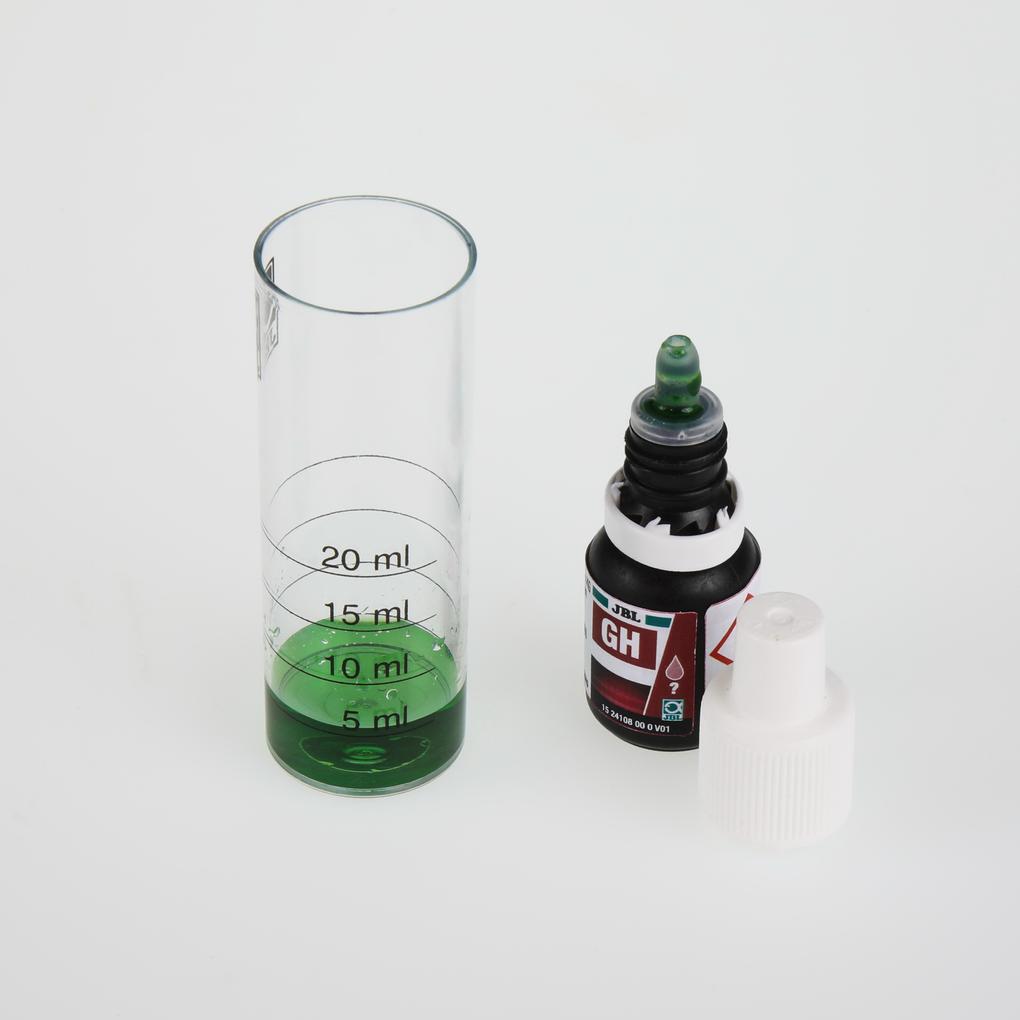
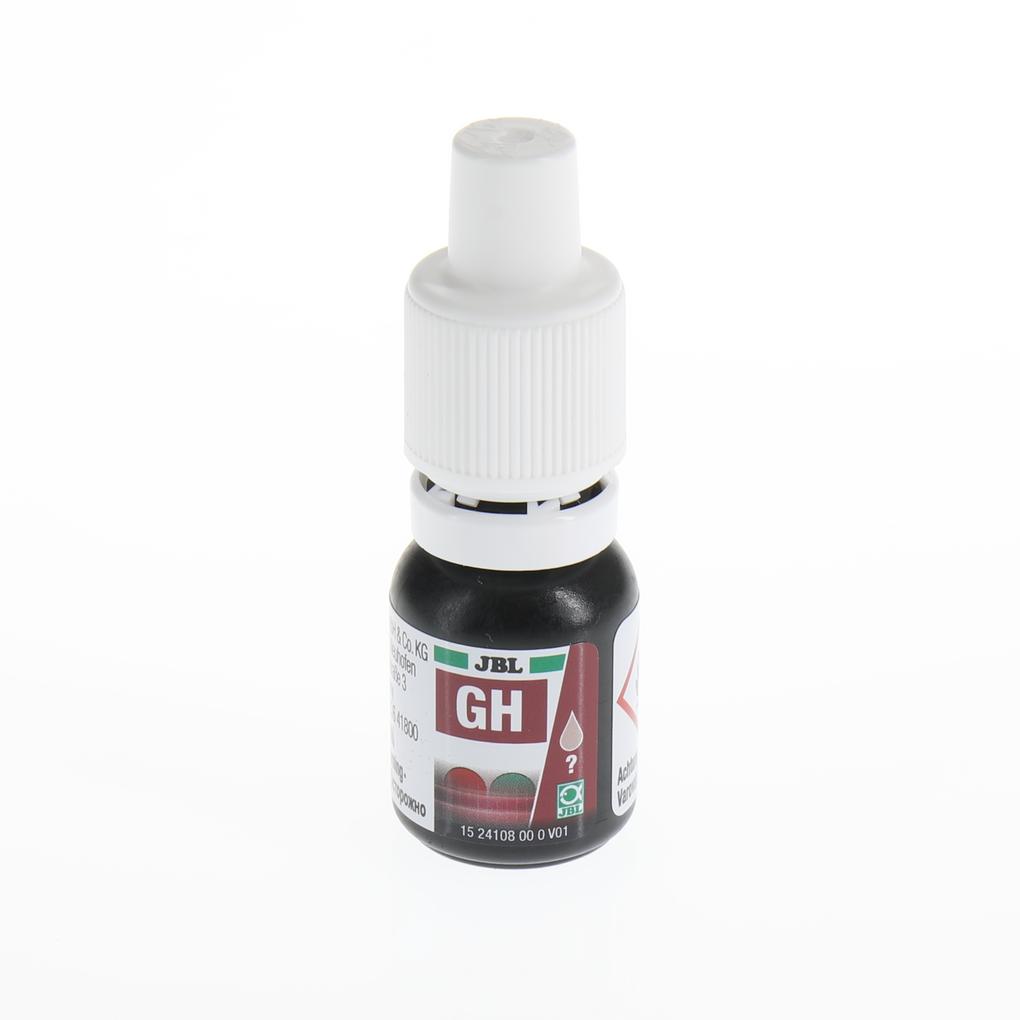
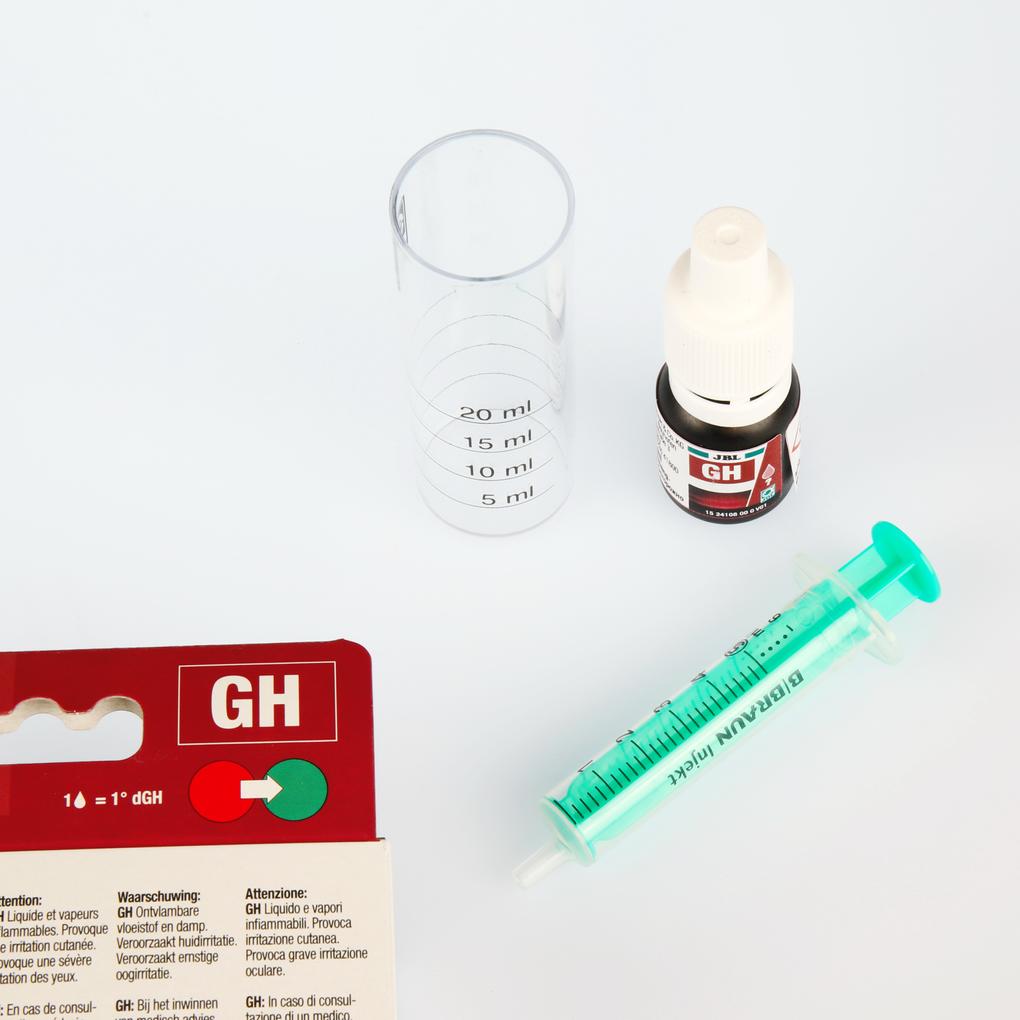
JBL PROAQUATEST GH REFILL
In unserem FAQ‑Bereich findet ihr Antworten auf die am häufigsten gestellten Fragen. Solltet ihr hier nicht fündig werden, zögert bitte nicht, uns direkt zu kontaktieren – wir helfen euch gerne weiter.
ProScan requires a camera with autofocus to accurately determine the photometric measurement results. This is the only way to ensure maximum accuracy. If the app cannot be downloaded from the store, this may be the reason. The app also requires Android version 7.0 or higher or iOS 13.0 or newer. It is compatible with iPhone, iPad, and iPod touch, as well as over 5,100 Android smartphone and tablet models. If the download does not work in the store, your mobile phone is probably incompatible in one of the above respects. If you encounter any problems during use, for example when scanning, please contact our customer service team at www.jbl.de/support.
The color charts are not available for download on the JBL website, as a color-calibrated printer is required to ensure accurate color reproduction, which is rarely the case in private households. You can find the color chart booklet as a spare part on the respective product page and in the spare parts shop at: https://www.jbl.de/de/produkte/detail/8732/jbl-proaquatest-sortiment-farbkarten
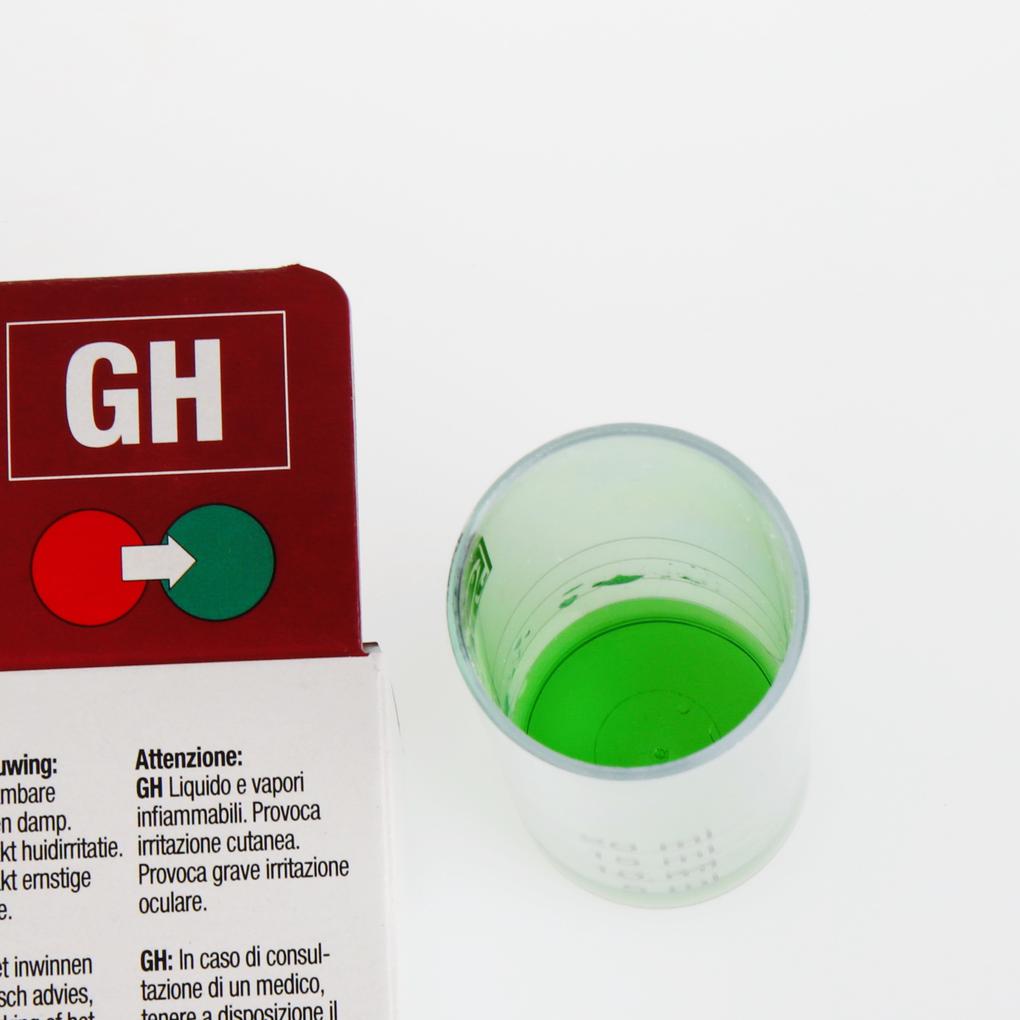
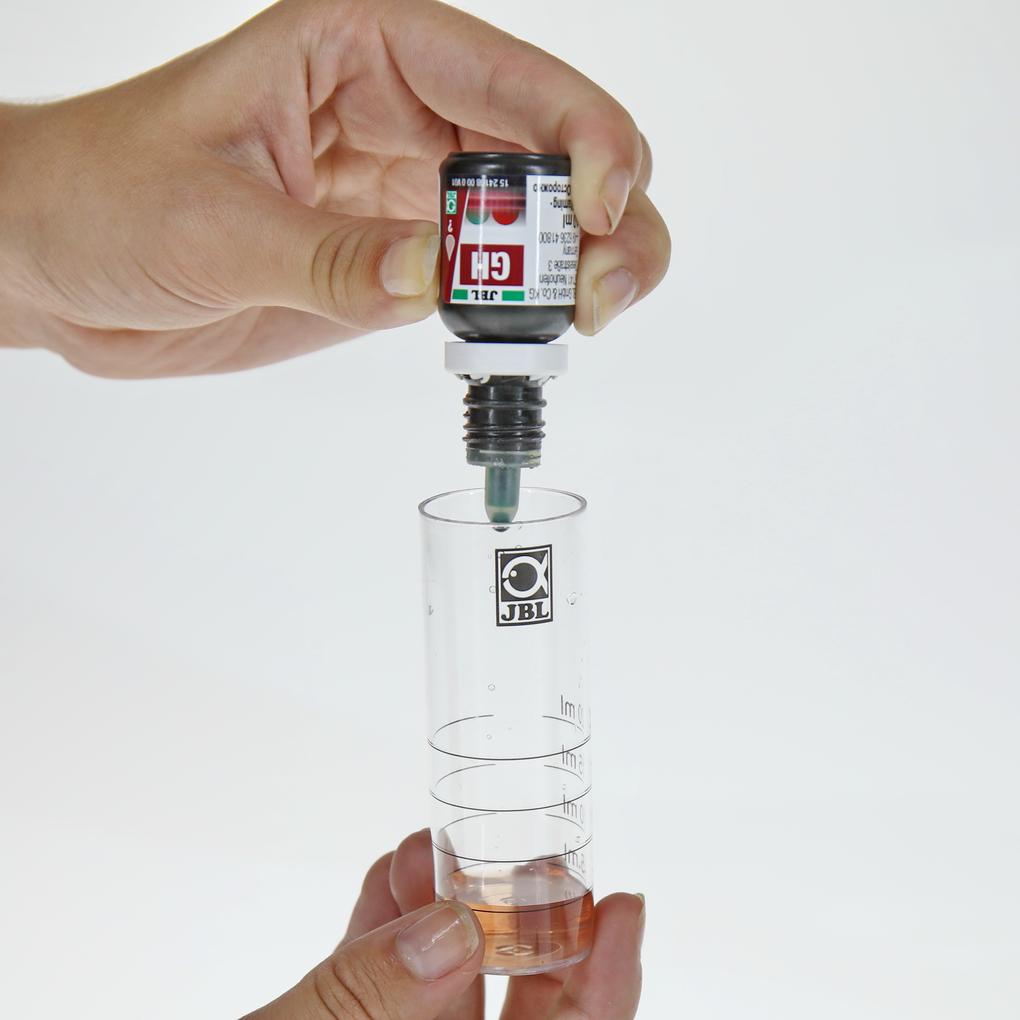
The tests from the test series: JBL GH Test, JBL KH Test, JBL Calcium Test Ca and JBL Magnesium Test Mg are so-called titration tests, in which the number of drops until the color change is counted and the counted value is multiplied by a value: GH = number of drops = total hardness in °dH KH = number of drops = carbonate hardness in °dH CO2 = number of drops * 2 = CO2 in mg/l Magnesium + calcium = number of drops * 120 = total Ca + Mg in mg/l Calcium = number of drops * 20 = total Ca in mg/l Magnesium = total Ca+Mg from magnesium test - total Ca in mg/l = magnesium in mg/l
Please clean the glass thoroughly before installing the thermometer. Algae, biofilms, and limescale can prevent it from sticking properly. If the thermometer still does not stick, there may be a problem with the suction cup itself. Due to a material defect, some suction cups have bubble-like growths that prevent them from sticking properly. If you have one of these suction cups, please contact our customer service with a photo.
If you reach the end of the scale on the color chart with one measurement, you can extend the known scale several times by diluting with distilled water (e.g., JBL Dest) for the following tests. Here's how: Dilute the sample with distilled water and repeat the measurement. This works as follows: GH test: Use 10 ml of aquarium water instead of 5 ml. Now 1 drop corresponds to 0.5 °dGH. KH test: Use 10 ml of aquarium water instead of 5 ml. Now 1 drop corresponds to 0.5 °dGH. Note: When using 10 ml of sample water, the color development is weaker with the first few drops than when filling with 5 ml of sample water. For better readability, place the measuring vessel on a white surface. NH4/NH3 ammonium/ammonia, NO2 nitrite, Fe iron, and Cu copper: 2.5 ml sample + 2.5 ml distilled water: result x 2 Water: Result x 2 1 ml sample + 4 ml distilled water: Result x 5 0.5 ml sample + 4.5 ml distilled water: Result x 10 NO3 Nitrate, SiO2 Silicate, PO4 Phosphate sensitive and Mg Magnesium Freshwater: 5 ml sample + 5 ml distilled Water: Result x 2 2 ml sample + 8 ml distilled water: Result x 5 1 ml sample + 9 ml distilled water: Result x 10 PO4 Phosphate Koi High Range: 2.5 ml sample + 2.5 ml distilled water: Result x 2 1 ml sample + 4 ml distilled water: Result x 5 K Potassium: 7.5 ml sample + 7.5 ml distilled water: Result x 2 3 ml sample + 12 ml distilled water: Result x 5 1.5 ml sample + 13.5 ml distilled water: Result x 10 K Potassium in seawater: 1. 10 ml sample water with distilled water to 300 ml. 2. The remaining steps are the same as for freshwater. 3. Multiply the test result by a factor of 30. CO2 direct, Ca calcium, and Mg+Ca magnesium+calcium: Not required.
After a new installation, the bubbles will only flow slowly through the reactor and will partially combine to form large bubbles. The device requires a running-in period of approx. 48 hours! Only then will a biofilm have formed on the surface of the device, allowing the bubbles to pass through to the top without any problems. After the running-in period, set the bubble rate required for your aquarium.
Have you lost your log sheets, already filled them all out, or need them in a different language? Attached to this FAQ, you will find a PDF file that you can print out in German, English, and French.
Stelle deine Frage an das JBL Service Team.