JBL PROSILENT a200

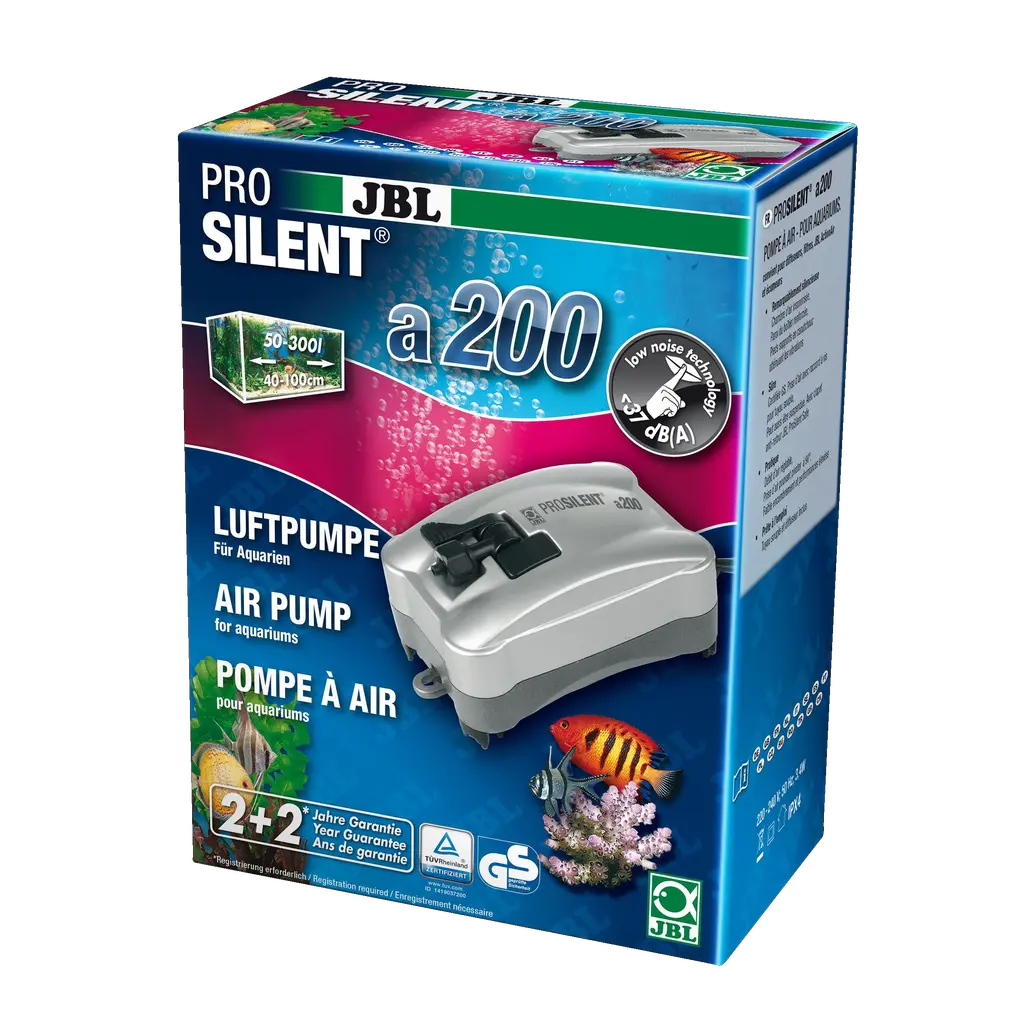
Health and well-being for fish and plants: Air pump for freshwater and saltwater aquariums  from 50 to 300 litres
Archived
Item no. 6054200

42.79 EUR

Price incl. 23 VAT plus Delivery
Product no longer available
Shop locator

Product features

  • Health and well-being for fish and plants: air pump for fresh and saltwater aquariums from 50 up to 300 l
  • Easy to install: connect pump with air hose and air stone. Mount pump outside aquarium, place air stone inside the aquarium
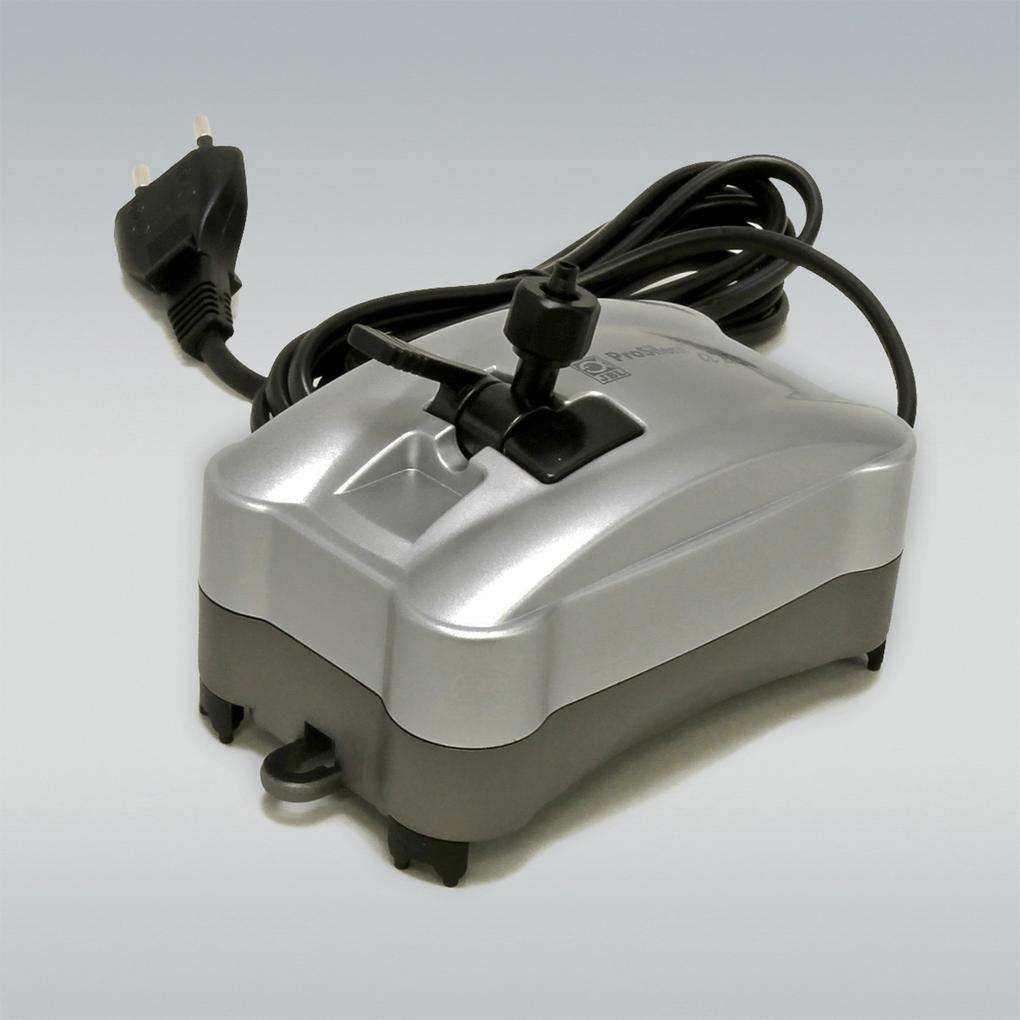
  • Reduced noise level: noise suppression air chamber, vibration dampening silicone feet, reinforced housing wall, adjustable air outlet, 90° rotatable air connection with hose screw connection
  • TÜV tested, powerful: 200 l/h air output with > 160 mbar air pressure with only 3.5 W consumption, check valve prevents backflow of water into the pump
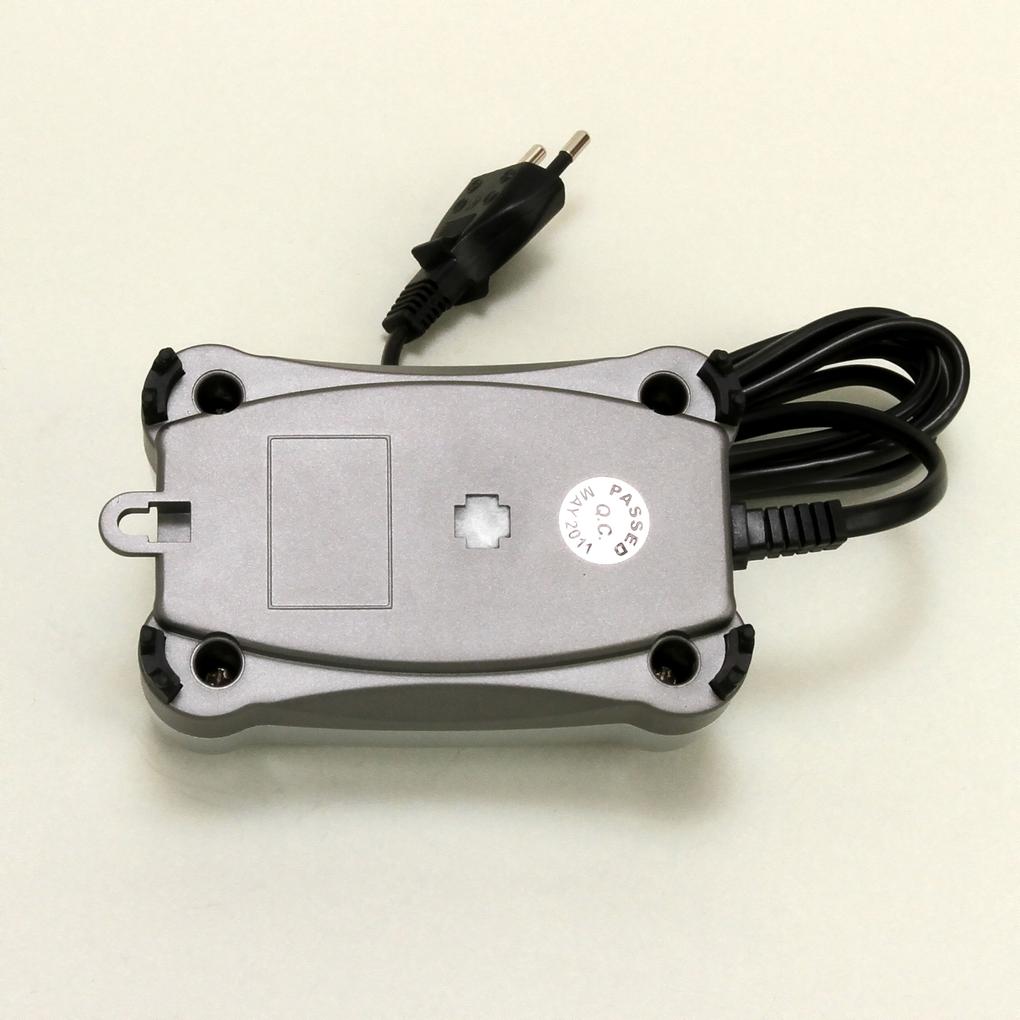
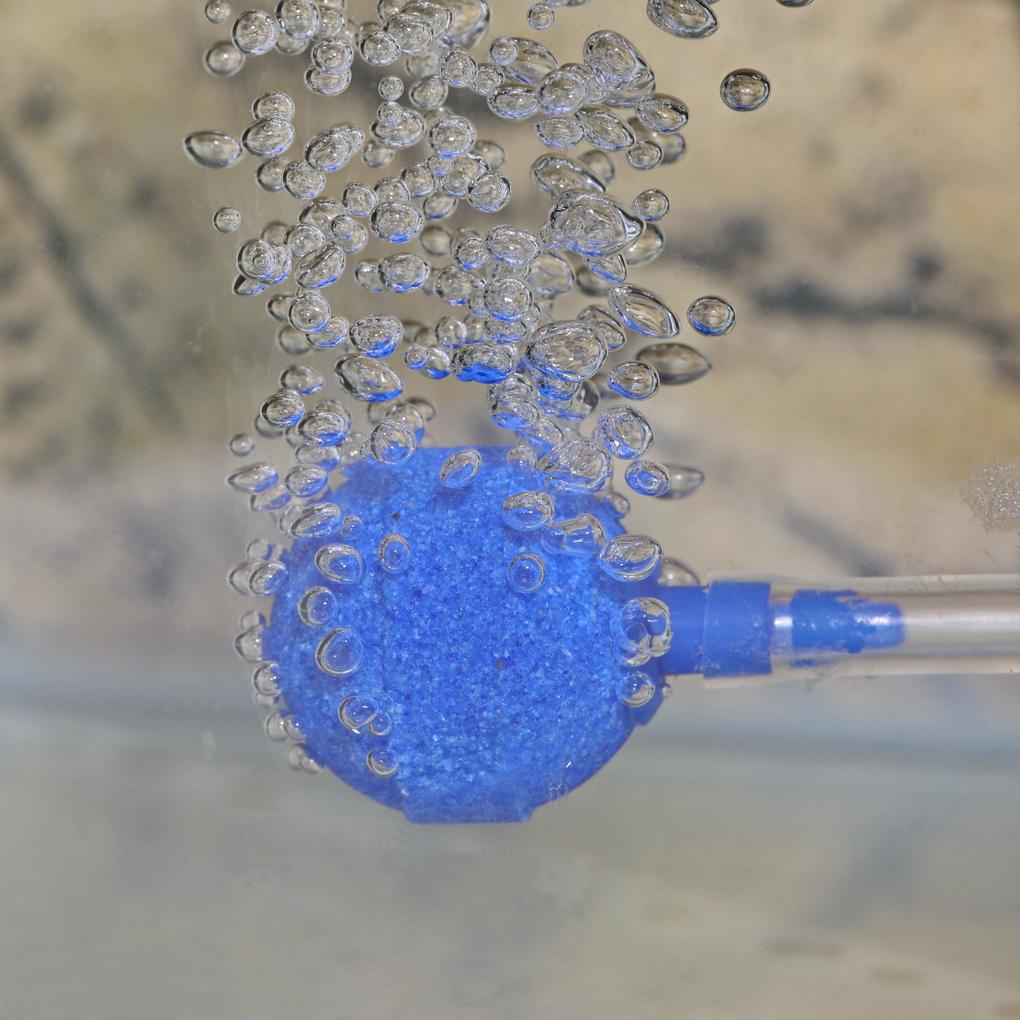
  • Package contents: air pump for freshwater and saltwater aquariums from 50 up to 300 l, Pro Silent a200, incl. 2 m air hose, check valve, air stone

Noch offene Fragen?

In unserem FAQ‑Bereich findet ihr Antworten auf die am häufigsten gestellten Fragen. Solltet ihr hier nicht fündig werden, zögert bitte nicht, uns direkt zu kontaktieren – wir helfen euch gerne weiter.

  • Does the use of effervescent tablets and strong currents cause the important plant nutrient CO2 to be expelled from the water?

    When aerated and/or when there is strong water flow, a gas equilibrium between the ambient air and the water is established. This also results in a corresponding, but very low CO2 content in the water, which cannot be changed by aeration. HOWEVER, this low CO2 content is far too low for most aquarium plants to thrive. Therefore, aquarium owners must rely on additional CO2 supply through CO2 fertilization systems. The higher CO2 content achieved in this way is reduced by ventilation and strong currents or, as it is called in aquarium terminology, expelled. For this reason, well-planted aquariums should only be lightly ventilated at night if necessary.

    War diese Antwort hilfreich?
  • How do I remove the hose from the device?

    At first, air hoses and special CO2 hoses are flexible and can be easily attached to the connection pieces. After a few months, the hoses harden more and more and can only be removed from the connection piece with considerable force. If you pull hard on the hose, this will damage the connection. In the worst case, it may break off. Therefore, cut the hoses to be removed at the side and remove them carefully. Always install the hoses with a little extra length.

    War diese Antwort hilfreich?
  • Why is my air pump making loud humming noises?

    Even under optimal conditions, the operating noise will be audible in quiet rooms. Every air pump generates vibration and humming noises that are more or less clearly audible. To reduce vibration transmission to the surface, JBL PROSILENT diaphragm pumps have rubber feet. On smooth surfaces, the air pump can "wander" and should be secured with a soft, non-slip mat. Mounting on the wall ensures complete decoupling. Please note that the volume can be very loud when the hoses are not connected, similar to a modified car exhaust. The "silencer" is missing. These noises are significantly reduced when counterpressure is present. Reducing the flow rate on one of the air volume regulators significantly reduces the noise level. Therefore, never operate the JBL PROSILENT model(s) with two air connections with only one air connection in "idle mode," i.e., without a hose connected to an air diffuser or similar device! This will lead to premature membrane wear and increased noise levels

    War diese Antwort hilfreich?

Antwort nicht gefunden?

Stelle deine Frage an das JBL Service Team.

Information and consent to cookies & third-party content

We use technically necessary cookies/tools to offer, operate and secure this service. Furthermore ,with your express consent , we use cookies/tools for marketing, tracking, creating personalised content on third-party sites and for displaying third-party content on our website. You can revoke your consent at any time with effect for the future via the menu item ‘Cookie settings’.
By clicking on ‘Allow all’, you give us your express consent to the use of cookies/tools to improve the quality and performance of our service, for functional and personalised performance optimisation, to measure the effectiveness of our ads or campaigns, for personalised content for marketing purposes, including outside our website. This enables us to provide personalised online ads and extended analysis options about your user behaviour. This also includes accessing and storing data on your device. You can revoke your consent at any time with effect for the future via the menu item ‘Cookie settings’.
You can use the ‘Change settings’ button to grant and revoke individual consent to the cookies/tools and receive further information on the cookies/tools we use, their purposes and duration.
By clicking on ‘Only absolutely necessary’, only technically necessary cookies/tools are used.

Our data protection declaration tells you how we process personal data and what purposes we use the data processing for.

PUSH messages from JBL

What are PUSH messages? As part of the W3C standard, web notifications define an API for end-user notifications that are sent to the user's desktop and/or mobile devices via the browser. Notifications appear on the end devices as they are familiar to the end user from apps installed on the device (e.g. emails). Notifications appear on the end user’s device, just like an app (e.g. for emails) installed on the device.

A notification makes it possible to inform the user about an event outside the context of a website, such as a new blog post, a competition or a voucher.

These notifications enable a website operator to contact its users whenever they have a browser open - it doesn’t matter whether the user is currently visiting the website or not.

To be able to send web push notifications, all you need is a website with a web push code installed. This allows brands without apps to take advantage of many of the benefits of push notifications (personalised real-time communications at just the right moment).

Web notifications are part of the W3C standard and define an API for end user notifications. A notification makes it possible to inform the user about an event, such as a new blog post, outside the context of a website.

JBL GmbH & Co. KG provides this service free of charge, and it is easy to activate or deactivate.