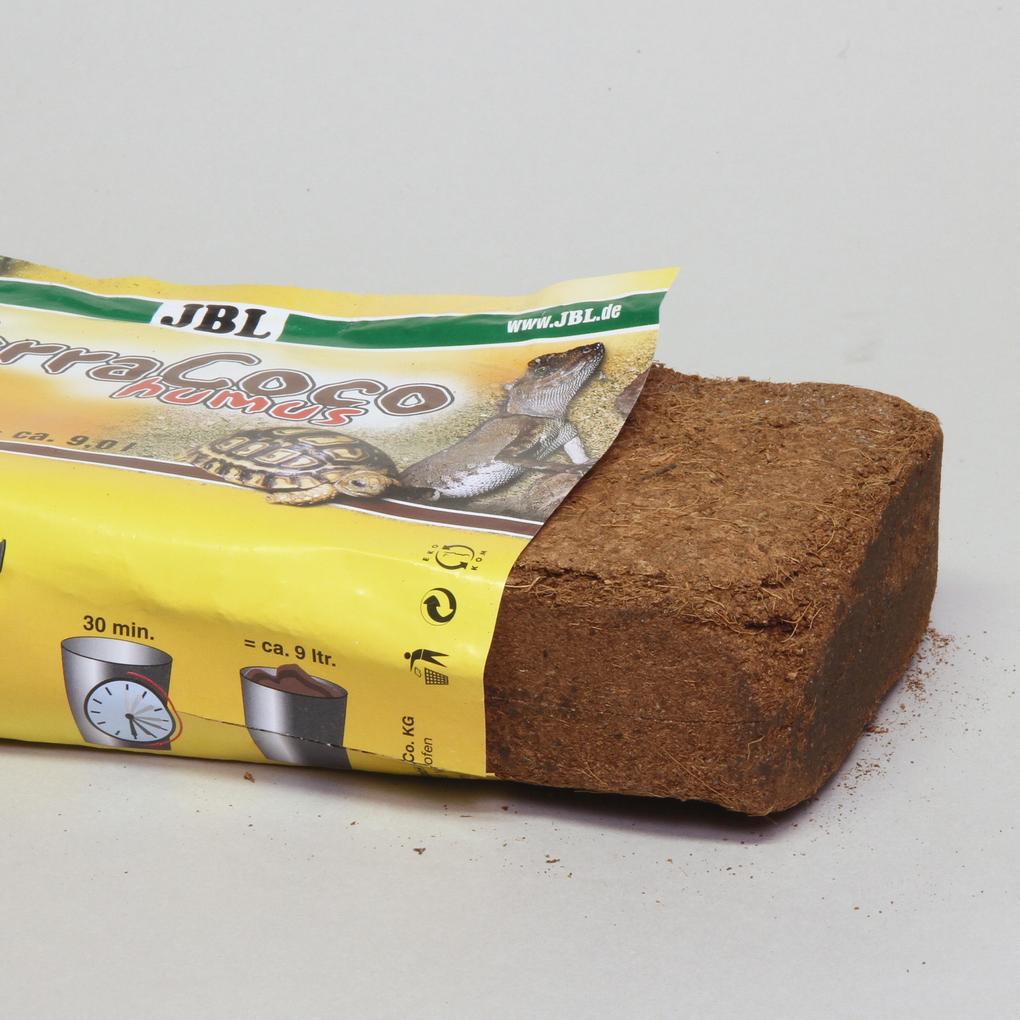
JBL TerraCoco Humus 600g, 9l
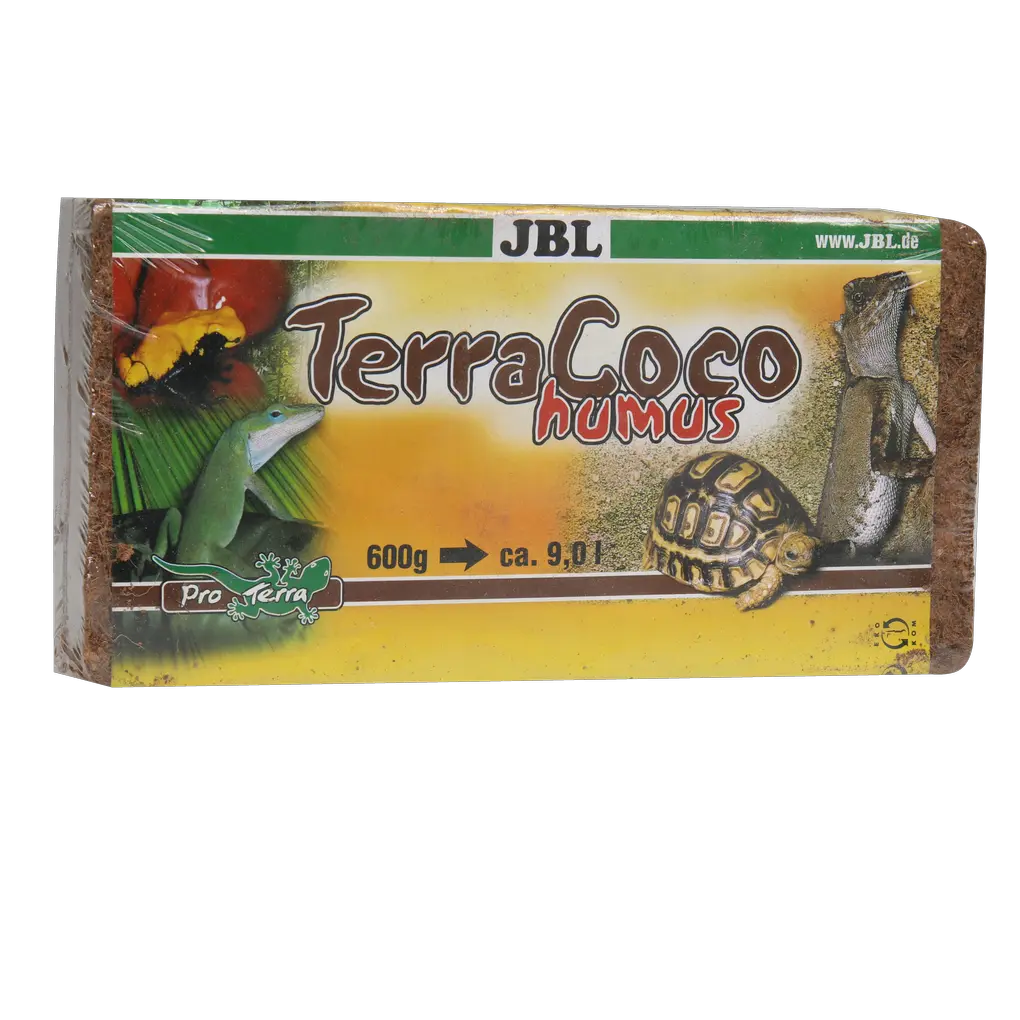
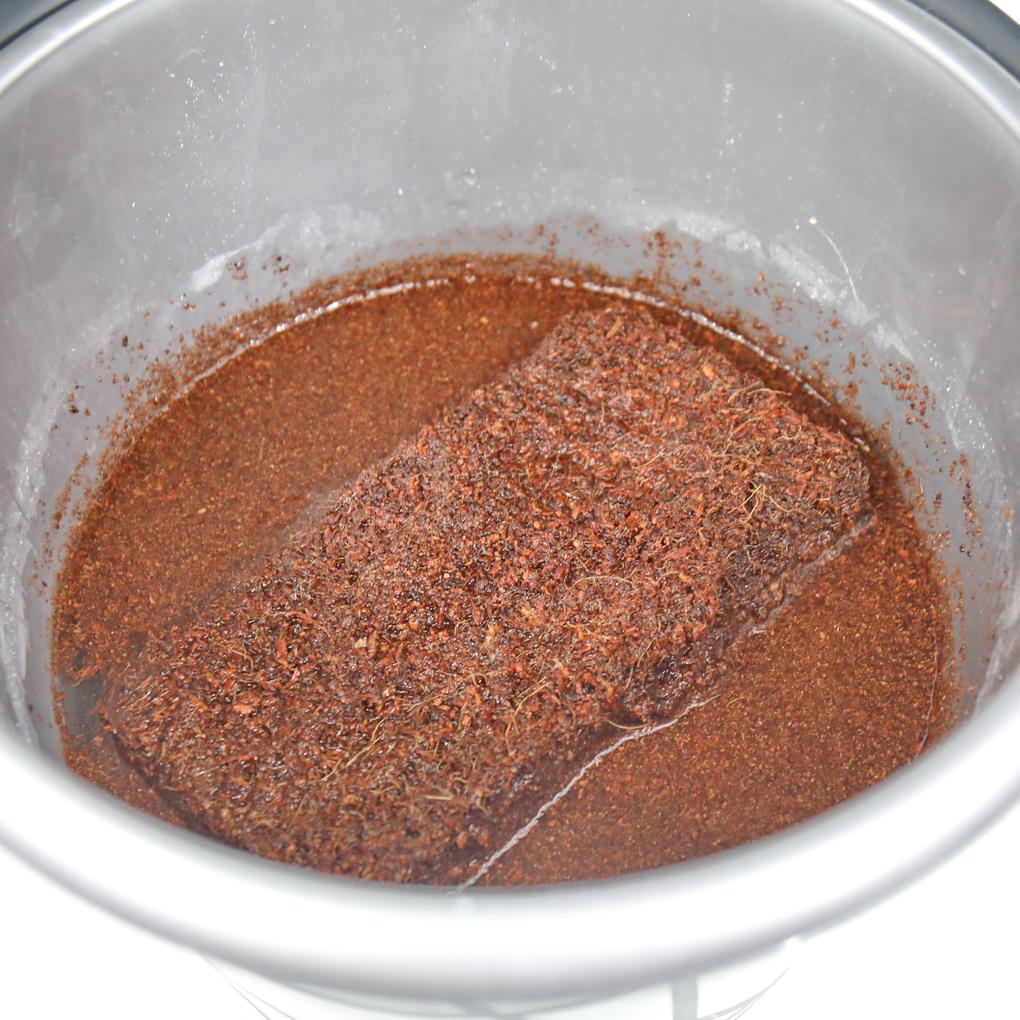
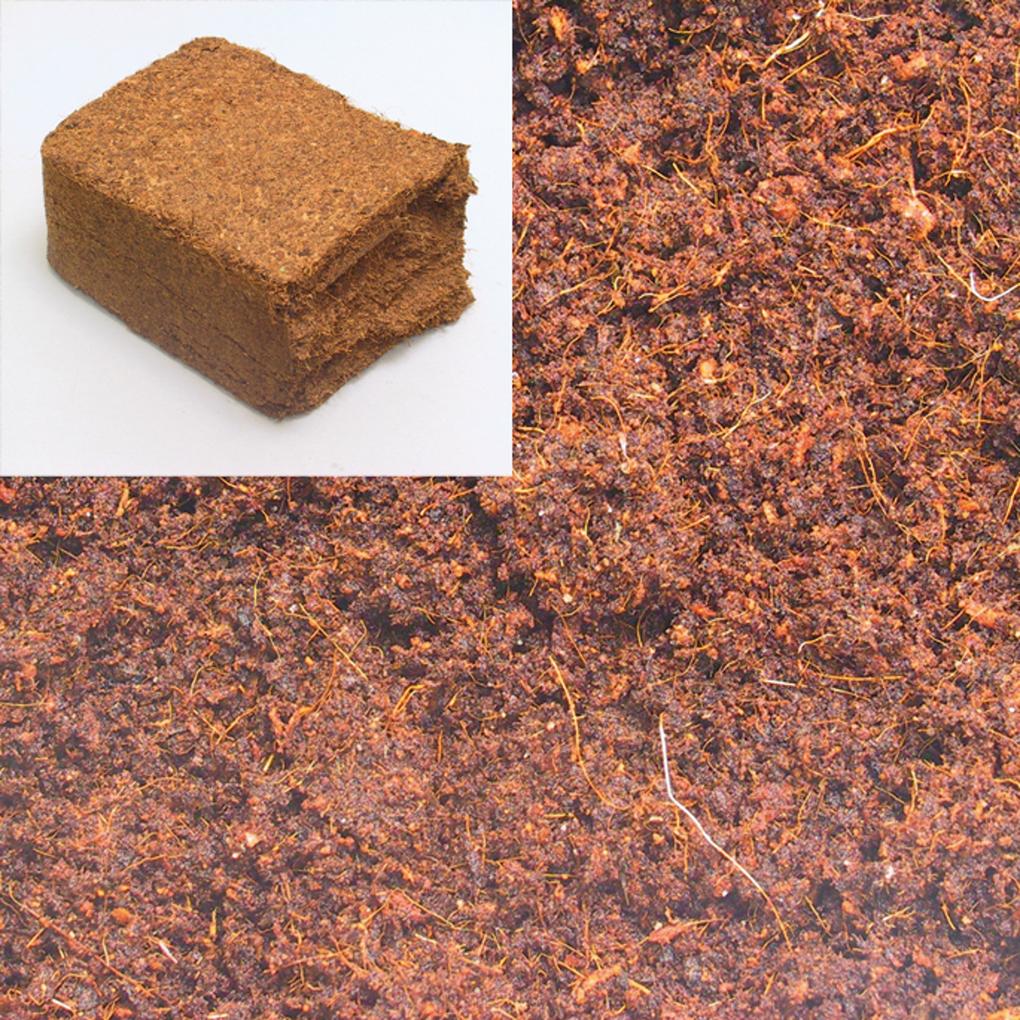
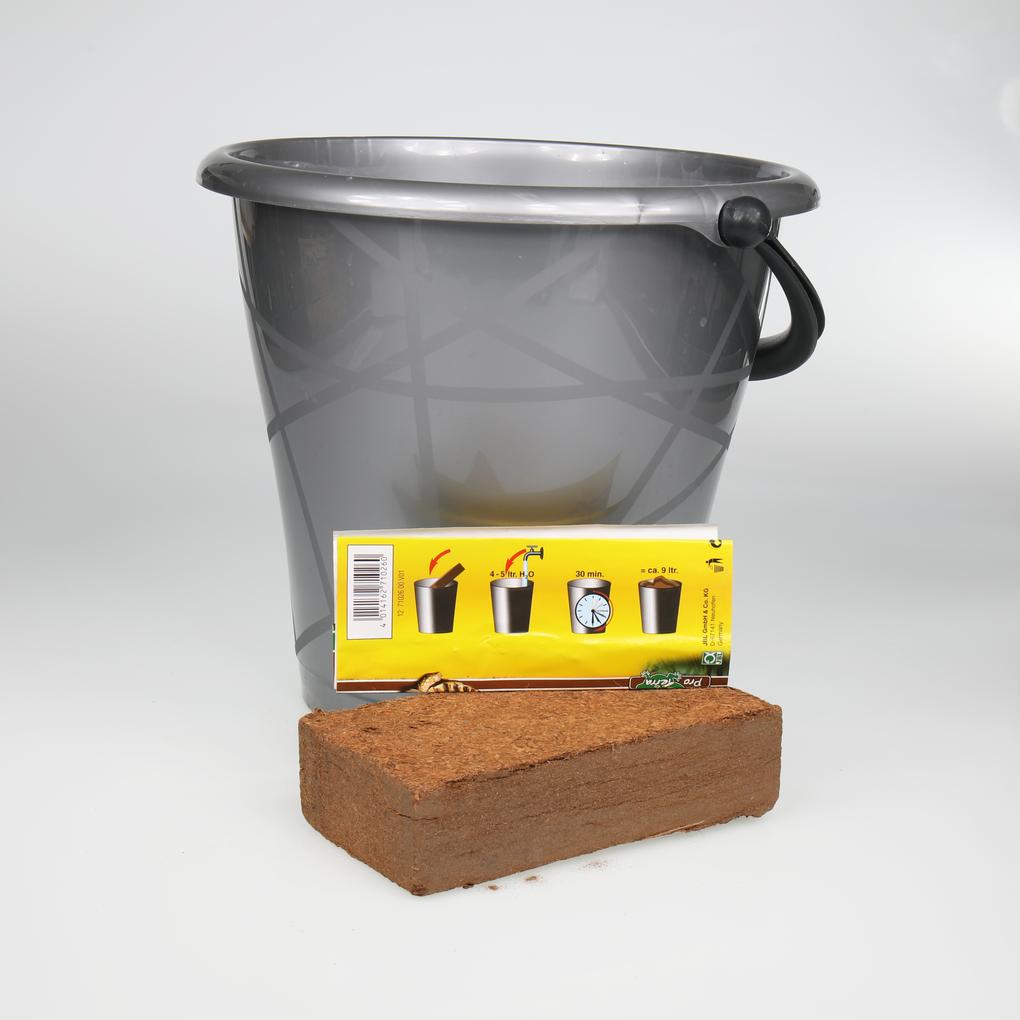
For all types of terrariums: Natural substrate made from peaty coconut humus.
Item no. 7102600

4.49 EUR

Price incl. 23 VAT plus Delivery
Base price 7.48 EUR / kg
In stock – delivered to you in 1-3 business days
Shop locator
Product features

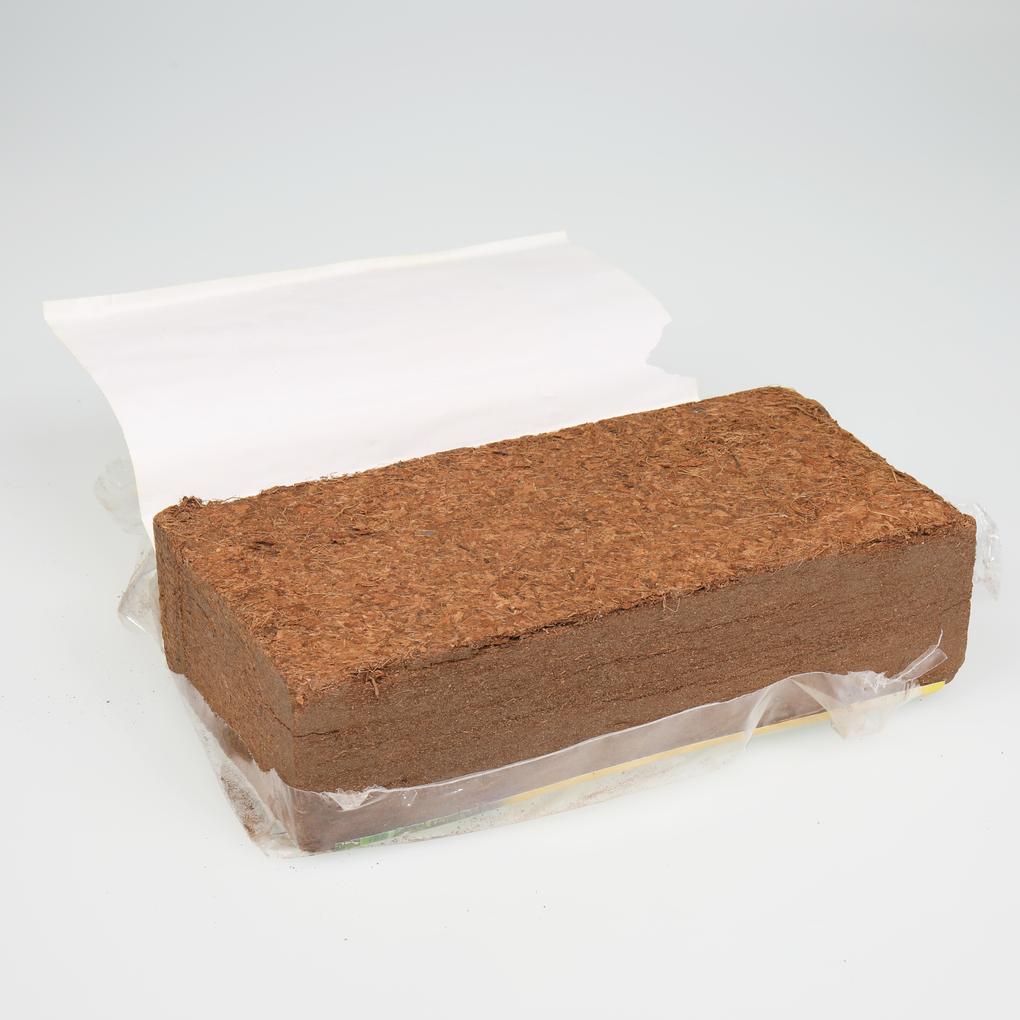
  • For all types of terrariums: natural substrate made of turf-like coconut humus.
  • From the fibrous outer husks of ripe coconuts.
  • Natural germ-inhibiting effect.
  • Reduces fungal infection.
  • Contents: substrate, TerraCoco, coconut chippings, compressed, turf-like

Noch offene Fragen?

In unserem FAQ‑Bereich findet ihr Antworten auf die am häufigsten gestellten Fragen. Solltet ihr hier nicht fündig werden, zögert bitte nicht, uns direkt zu kontaktieren – wir helfen euch gerne weiter.

  • Is JBL TerraCoco Humus suitable for tortoises?

    The answer to this question depends first and foremost on the type of tortoise, i.e. whether they are tropical rainforest species or European tortoises, which are more common in terrariums. TerraCoco humus is not suitable as the sole substrate for European tortoises. These animals come from Mediterranean regions with dry, warm summers and should therefore not be kept permanently on damp or semi-damp substrates. If the tortoises are not kept in outdoor enclosures, the terrarium should ideally be equipped with a substrate consisting of 3/4 sand and 1/4 of a sand/TerraCoco Humus mixture (50:50). This quarter is then kept slightly moist by spraying. You will quickly see that young tortoises in particular actively use this material to burrow into at night and to regulate humidity. Literature: Schardt, Michael (2007): Die Griechische Landschildkröte (Testudo hermanni boettgeri). - Münster 2007. Herz, Mario (2007: The Marginated Tortoise (Testudo marginata). - Münster

    War diese Antwort hilfreich?

Antwort nicht gefunden?

Stelle deine Frage an das JBL Service Team.

Information and consent to cookies & third-party content

We use technically necessary cookies/tools to offer, operate and secure this service. Furthermore ,with your express consent , we use cookies/tools for marketing, tracking, creating personalised content on third-party sites and for displaying third-party content on our website. You can revoke your consent at any time with effect for the future via the menu item ‘Cookie settings’.
By clicking on ‘Allow all’, you give us your express consent to the use of cookies/tools to improve the quality and performance of our service, for functional and personalised performance optimisation, to measure the effectiveness of our ads or campaigns, for personalised content for marketing purposes, including outside our website. This enables us to provide personalised online ads and extended analysis options about your user behaviour. This also includes accessing and storing data on your device. You can revoke your consent at any time with effect for the future via the menu item ‘Cookie settings’.
You can use the ‘Change settings’ button to grant and revoke individual consent to the cookies/tools and receive further information on the cookies/tools we use, their purposes and duration.
By clicking on ‘Only absolutely necessary’, only technically necessary cookies/tools are used.

Our data protection declaration tells you how we process personal data and what purposes we use the data processing for.

PUSH messages from JBL

What are PUSH messages? As part of the W3C standard, web notifications define an API for end-user notifications that are sent to the user's desktop and/or mobile devices via the browser. Notifications appear on the end devices as they are familiar to the end user from apps installed on the device (e.g. emails). Notifications appear on the end user’s device, just like an app (e.g. for emails) installed on the device.

A notification makes it possible to inform the user about an event outside the context of a website, such as a new blog post, a competition or a voucher.

These notifications enable a website operator to contact its users whenever they have a browser open - it doesn’t matter whether the user is currently visiting the website or not.

To be able to send web push notifications, all you need is a website with a web push code installed. This allows brands without apps to take advantage of many of the benefits of push notifications (personalised real-time communications at just the right moment).

Web notifications are part of the W3C standard and define an API for end user notifications. A notification makes it possible to inform the user about an event, such as a new blog post, outside the context of a website.

JBL GmbH & Co. KG provides this service free of charge, and it is easy to activate or deactivate.