JBL ProFlow u1101

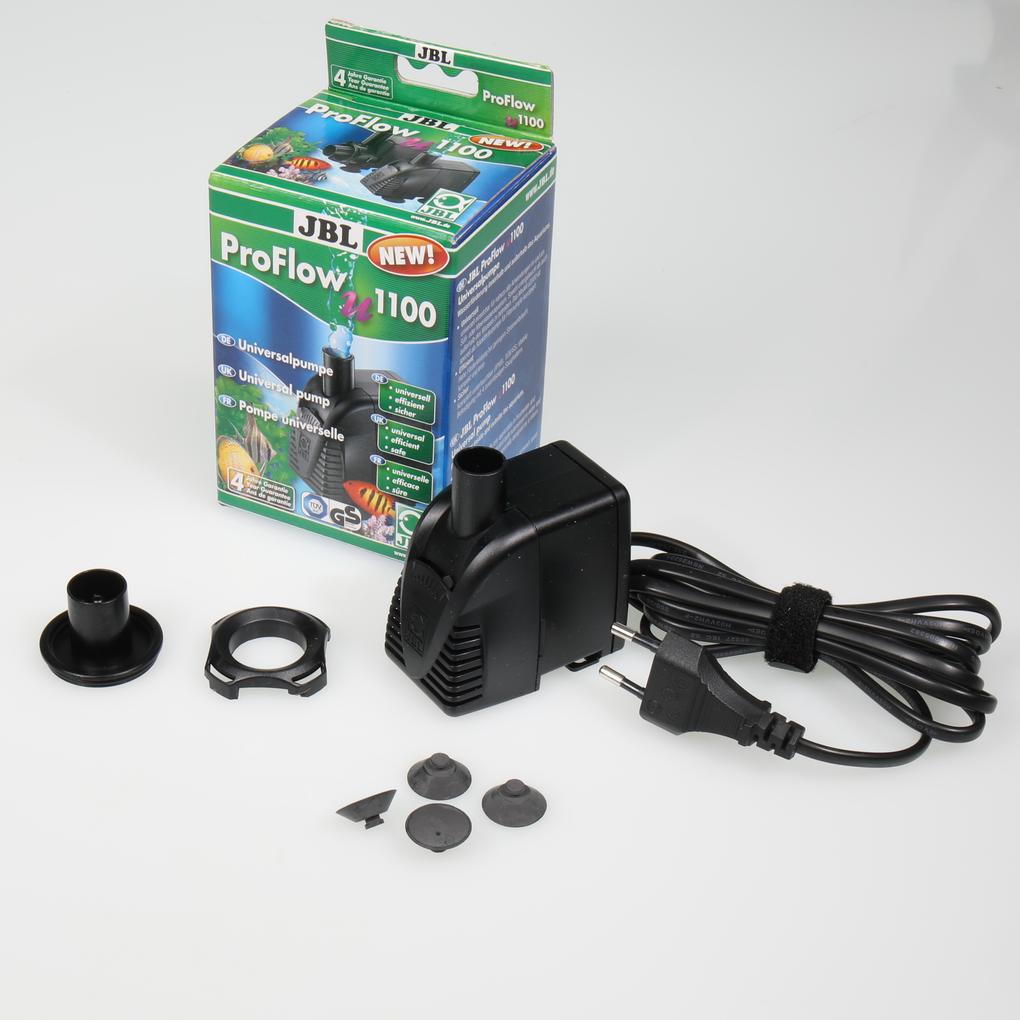
Clean and healthy water: Universal pump with a capacity of 1200 l/h for circulating water in aquariums and aquaterrariums. Can be used for biofilters, indoor fountains or as a fountain.
Item no. 6058400

49.05 EUR

Price incl. 23 VAT plus Delivery
In stock – delivered to you in 1-3 business days
Shop locator

Product features

  • Clean and healthy water: universal pump with 1200 l/h output for the circulation of water in aquariums and aqua-terrariums. Use for bio filters, indoor fountains and other fountains
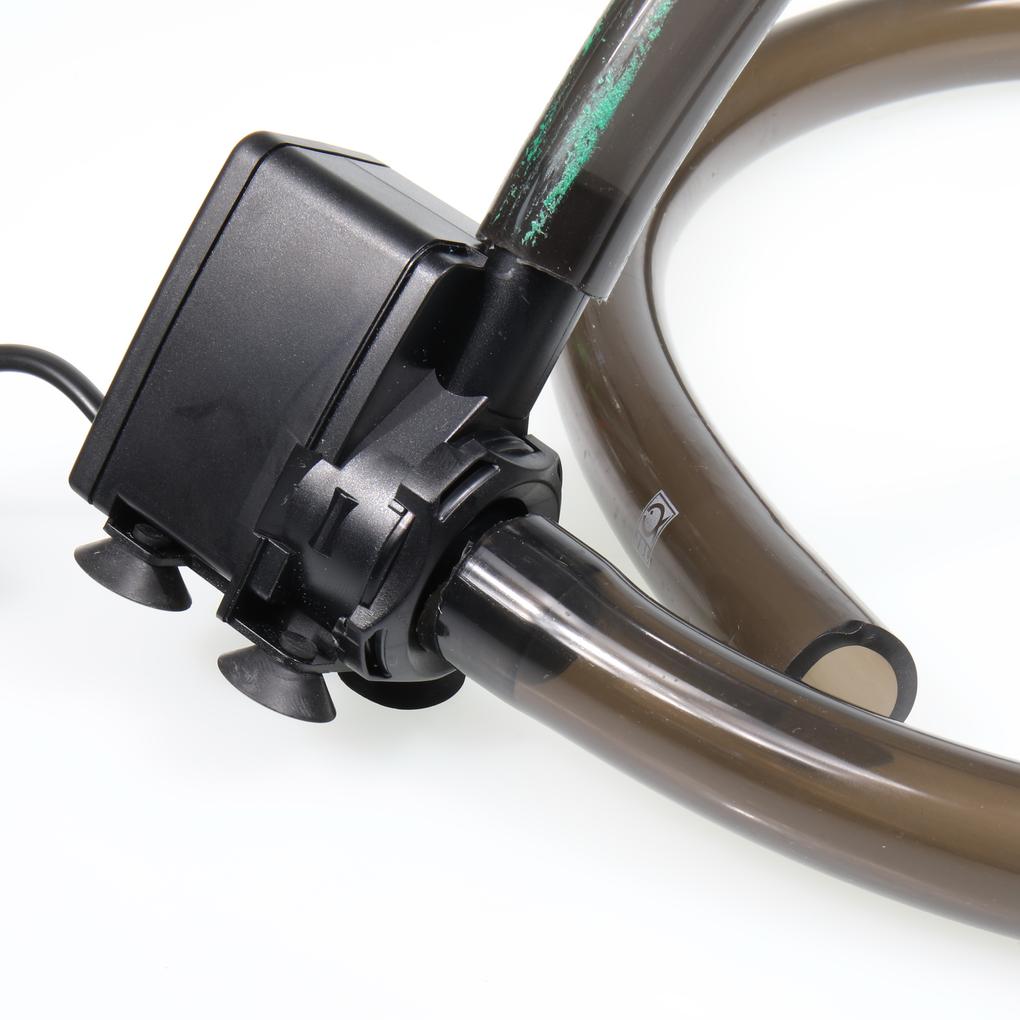
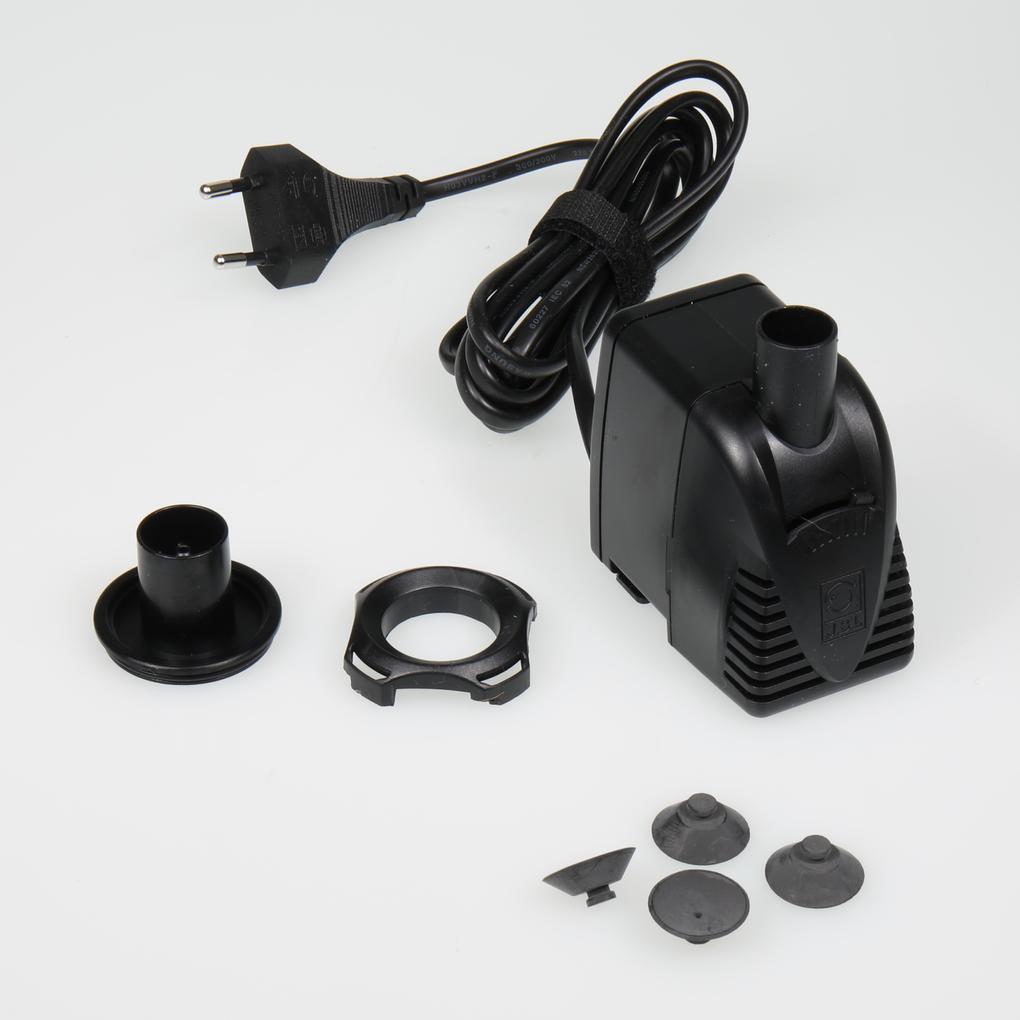
  • Easy to install as internal or external pump: connect under water with strainer attachment or outside by hose connection. Hose inlet 19/25 (or strainer), outlet 16/22 to pump, connect mains plug
  • Only 4 cm water level required for operation under water, adjustable pump capacity, stainless steel shaft, max. pumping head 1.3 m. Can also be operated outside the aquarium by means of a hose connection
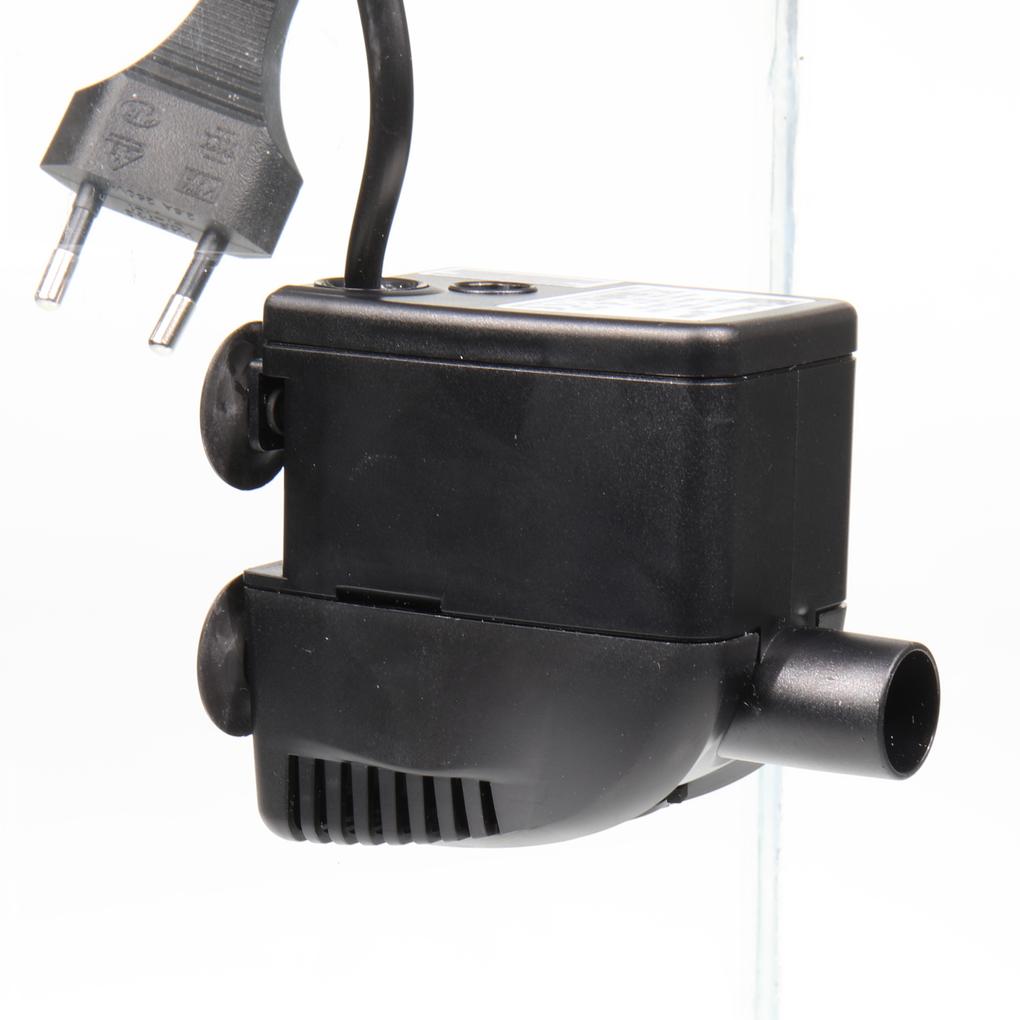
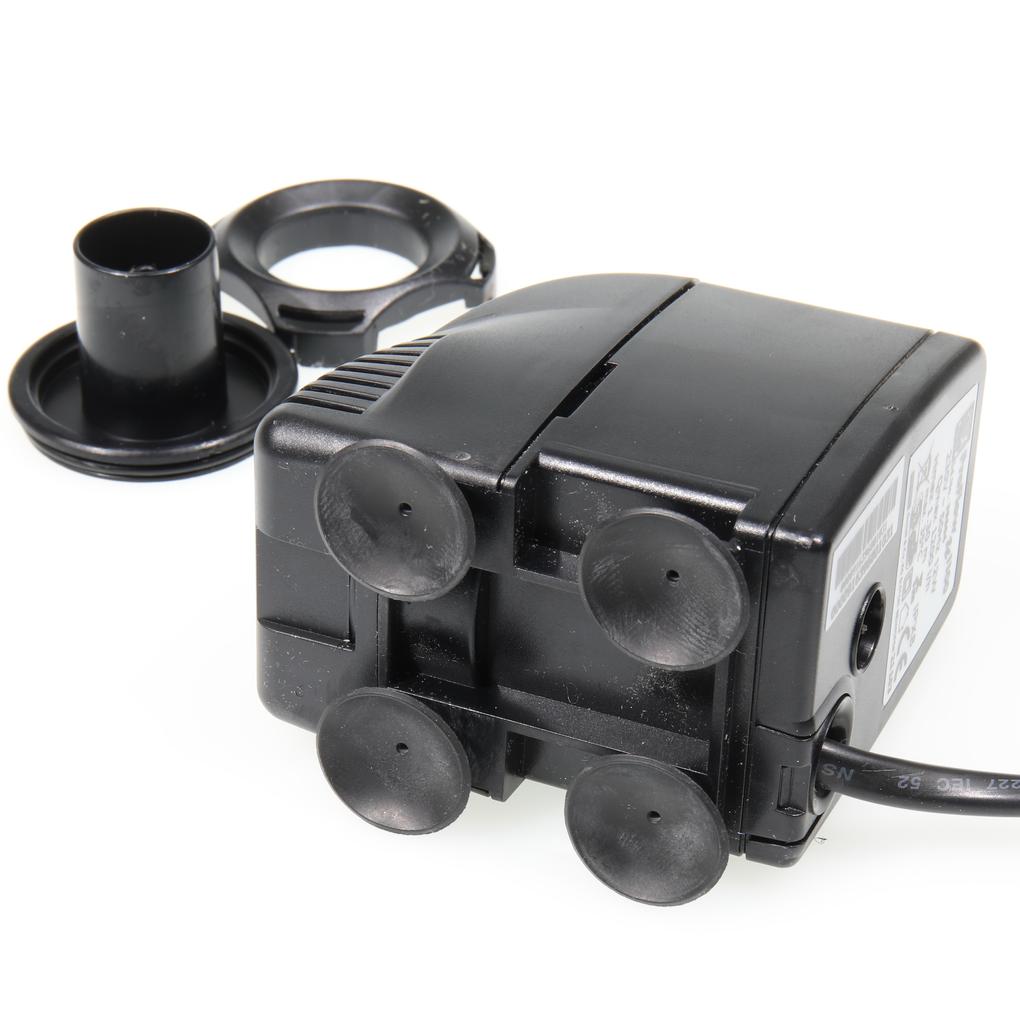
  • Tested to TÜV, low power consumption of 12 W, completely submersible (IPX8), sturdy mounting due to 4 suction cups
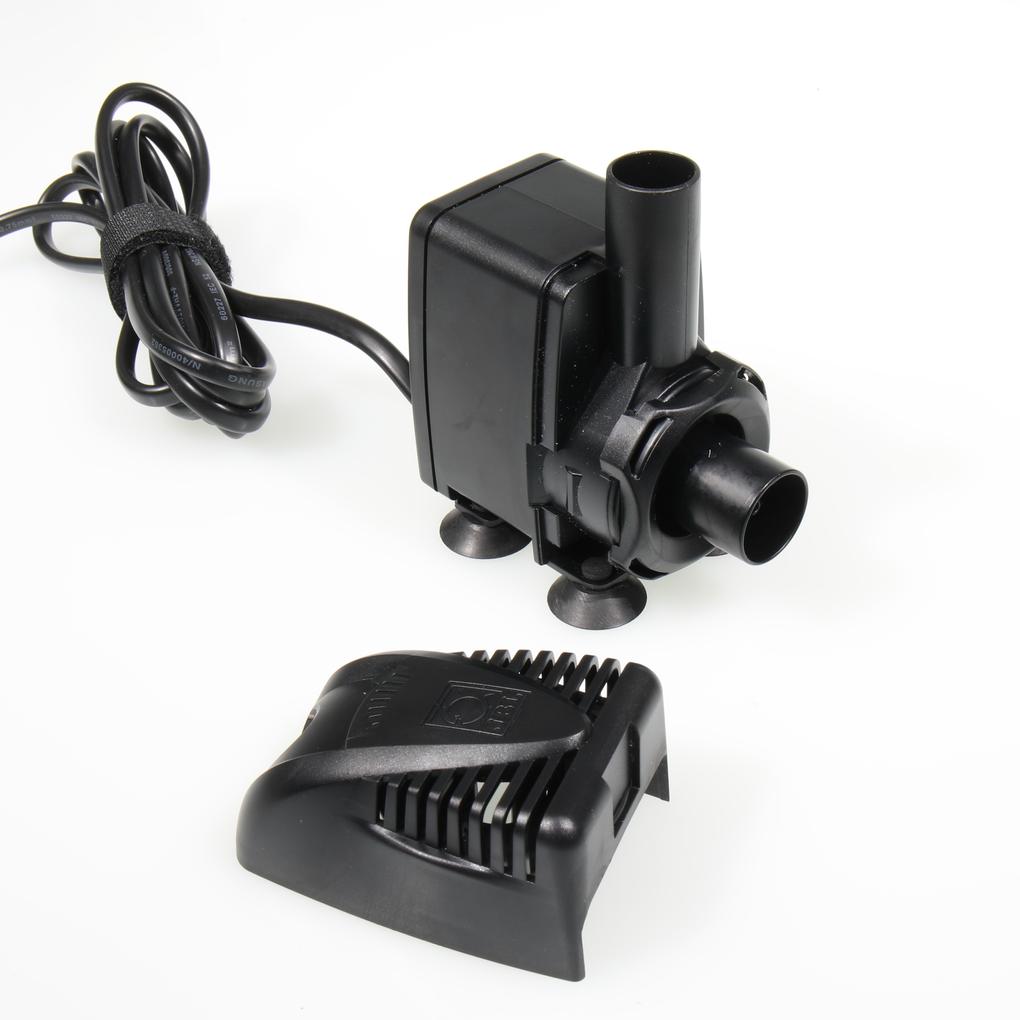
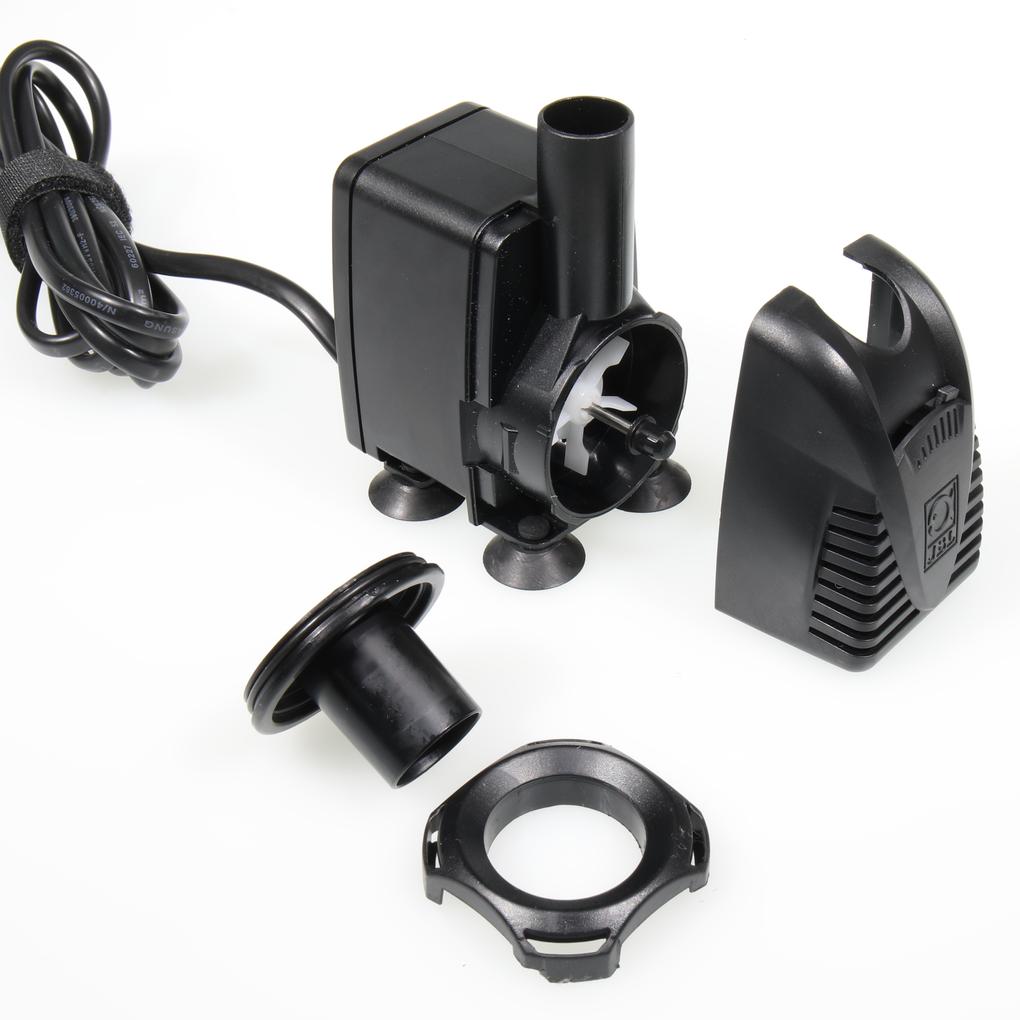
  • Package contents: universal pump for water pumping, incl. 4 suction cups. Dimensions (l/h/w): 79.1 x 45.5 x 82.5 mm. Choice of strainer suction protector/ hose connection on the suction tract

Noch offene Fragen?

In unserem FAQ‑Bereich findet ihr Antworten auf die am häufigsten gestellten Fragen. Solltet ihr hier nicht fündig werden, zögert bitte nicht, uns direkt zu kontaktieren – wir helfen euch gerne weiter.

  • Does the JBL ProFlow prime itself when it is dry?

    No, ProwFlow pumps are not self-priming.

    War diese Antwort hilfreich?
  • Wear on the rotor—when should I replace it?

    There is no general answer to this question. As with a car tire, the duration and intensity of use are decisive. Many customers use the rotors for several years without noticing any noticeable change. Heavy use of the rotor will shorten its service life. With a car, you are familiar with wear and tear caused by heavy braking, mechanical damage, and high mileage. The following factors apply to a rotor: 1. Operating time in hours 2. Throttling of the flow rate (max. 50%) and thus lower cooling capacity 3. Dry running when changing the water (see 2.) 4. Mechanical damage (e.g. caused by snails, improper installation after removal, etc.) 5. Heavy soiling As this is a wearing part, the rotor is not covered by the warranty. For a long service life, you should clean it regularly. This will prevent increased running noise. The rotor housing, rotor, and axle can be cleaned with a suitable cleaning brush. If the rotor needs to be replaced due to wear, the entire set, including the rotor with axle and 2 rubber bearings, must always be replaced. This is the only way to ensure proper functioning and smooth operation. When removing the rotor and axle, a rubber bearing often gets stuck at the bottom of the rotor housing and is very difficult to remove. JBL has developed a special tool for this purpose, which is available from pet stores under the name "Pull-out aid for rotor bearings." A useful cleaning brush for the rotor housing is also included with the tool.

    War diese Antwort hilfreich?
  • The filter/pump hums during operation

    You don't need much to investigate the cause. For internal pumps and filters, all you need to do is keep the device free in the water without it coming into contact with other objects. It is important that the device remains completely submerged and only comes into contact with your hand. If the running noise is now quiet, there is no wear on the rotor, but rather resonance transmission to surrounding elements such as the cover, the base cabinet, or anything adjacent to the aquarium. You can then decouple this by making small adjustments. For external filters, make sure that the filter has 4 rubber feet on the bottom (except for the CPe1901/2 model with casters) and that it only comes into contact with the cabinet there. Place the filter next to or in front of the aquarium on a soft surface (e.g., a thick towel) to test it and make sure that the hoses do not come into contact with the base cabinet. Many aquarium cabinets act like the sound box of a guitar with a sound hole. Even the smallest noises are amplified by the hollow body. Therefore, a soft surface and, if necessary, side insulation are advantageous if the resonance is amplified. Hoses lying on top or very rigid installations with additional attachments have the same effect. The test with the filter outside the cabinet, as described above, provides information about the actual operating noise. Loud running noises are caused by a worn rotor, excessive load on the rotor due to a reduction in performance (contamination or throttling), and too little height difference between the water surface and the filter head, as described in the instructions. Another possibility is that CO2 sucked in from the fertiliser system or air from the diaphragm pump, which is fed in near the filter, causes loud running noises.

    War diese Antwort hilfreich?

Antwort nicht gefunden?

Stelle deine Frage an das JBL Service Team.

Information and consent to cookies & third-party content

We use technically necessary cookies/tools to offer, operate and secure this service. Furthermore ,with your express consent , we use cookies/tools for marketing, tracking, creating personalised content on third-party sites and for displaying third-party content on our website. You can revoke your consent at any time with effect for the future via the menu item ‘Cookie settings’.
By clicking on ‘Allow all’, you give us your express consent to the use of cookies/tools to improve the quality and performance of our service, for functional and personalised performance optimisation, to measure the effectiveness of our ads or campaigns, for personalised content for marketing purposes, including outside our website. This enables us to provide personalised online ads and extended analysis options about your user behaviour. This also includes accessing and storing data on your device. You can revoke your consent at any time with effect for the future via the menu item ‘Cookie settings’.
You can use the ‘Change settings’ button to grant and revoke individual consent to the cookies/tools and receive further information on the cookies/tools we use, their purposes and duration.
By clicking on ‘Only absolutely necessary’, only technically necessary cookies/tools are used.

Our data protection declaration tells you how we process personal data and what purposes we use the data processing for.
PUSH messages from JBL

What are PUSH messages? As part of the W3C standard, web notifications define an API for end-user notifications that are sent to the user's desktop and/or mobile devices via the browser. Notifications appear on the end devices as they are familiar to the end user from apps installed on the device (e.g. emails). Notifications appear on the end user’s device, just like an app (e.g. for emails) installed on the device.

A notification makes it possible to inform the user about an event outside the context of a website, such as a new blog post, a competition or a voucher.

These notifications enable a website operator to contact its users whenever they have a browser open - it doesn’t matter whether the user is currently visiting the website or not.

To be able to send web push notifications, all you need is a website with a web push code installed. This allows brands without apps to take advantage of many of the benefits of push notifications (personalised real-time communications at just the right moment).

Web notifications are part of the W3C standard and define an API for end user notifications. A notification makes it possible to inform the user about an event, such as a new blog post, outside the context of a website.

JBL GmbH & Co. KG provides this service free of charge, and it is easy to activate or deactivate.