JBL PROFLORA CO2 CONTROL
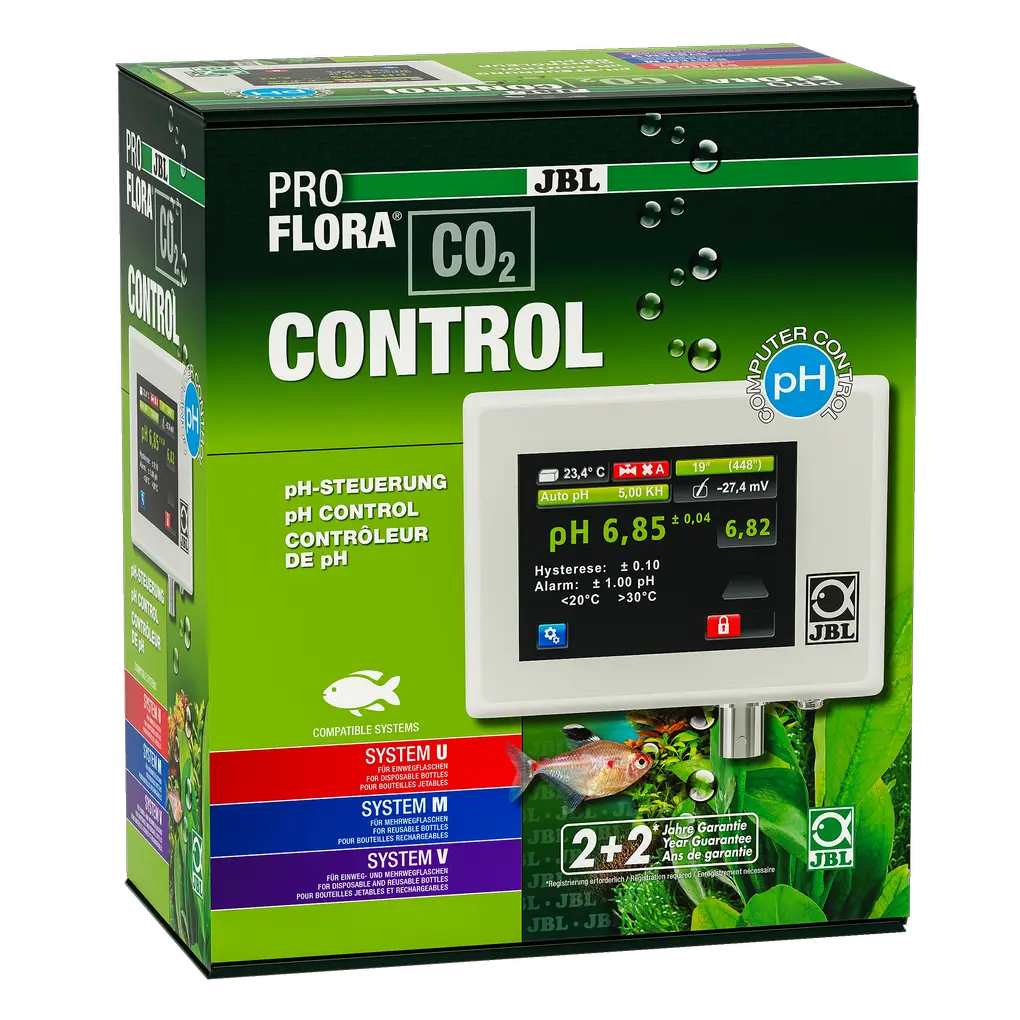
Controls CO2 addition for perfect plant growth in the aquarium and the ideal pH value for aquarium fish.

303.13 EUR

Price incl. 23 VAT plus Delivery
In stock – delivered to you in 1-3 business days
Shop locator
Product features

  • Regulates the addition of CO2 for perfect plant growth in the aquarium and the ideal pH value for aquarium fish
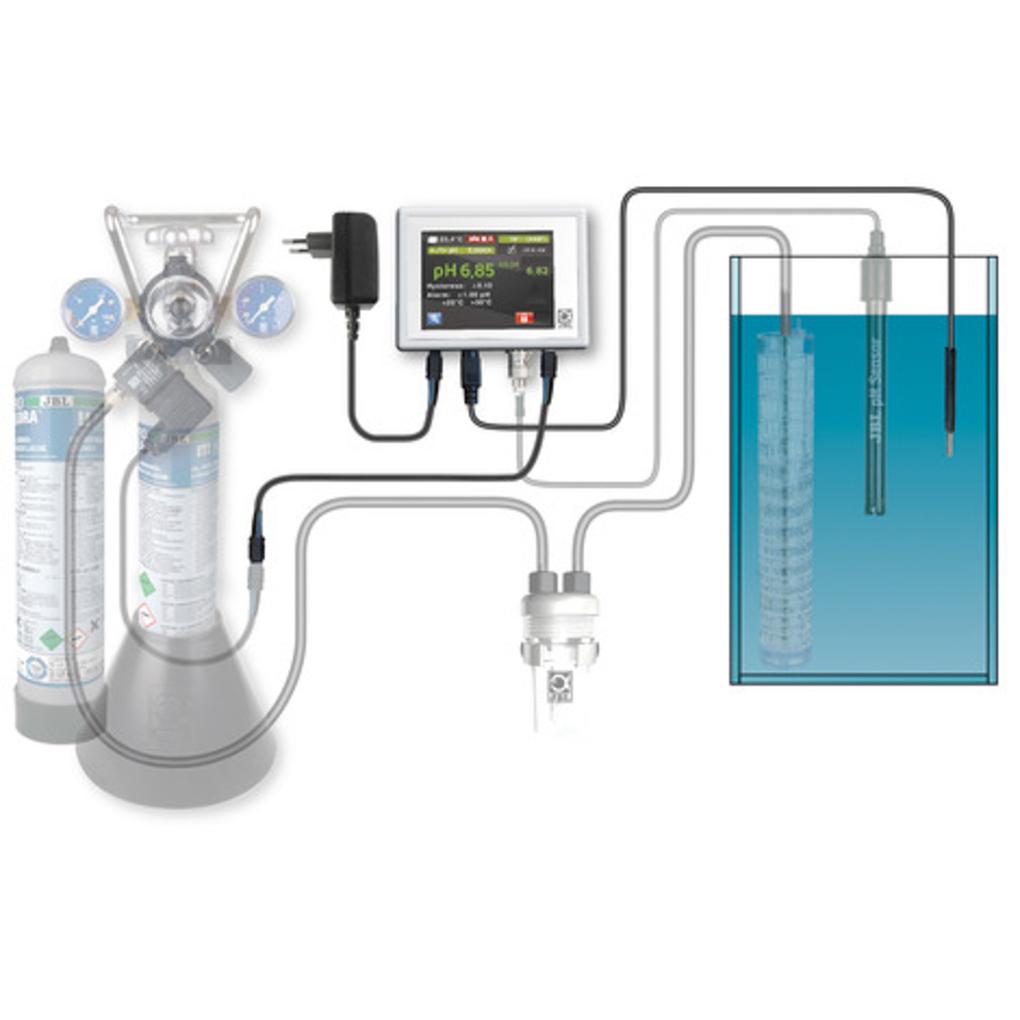
  • Connect temperature sensor, transformer and pH electrode (not included), connect to the solenoid valve, enter the wished pH value or use the automatic programme
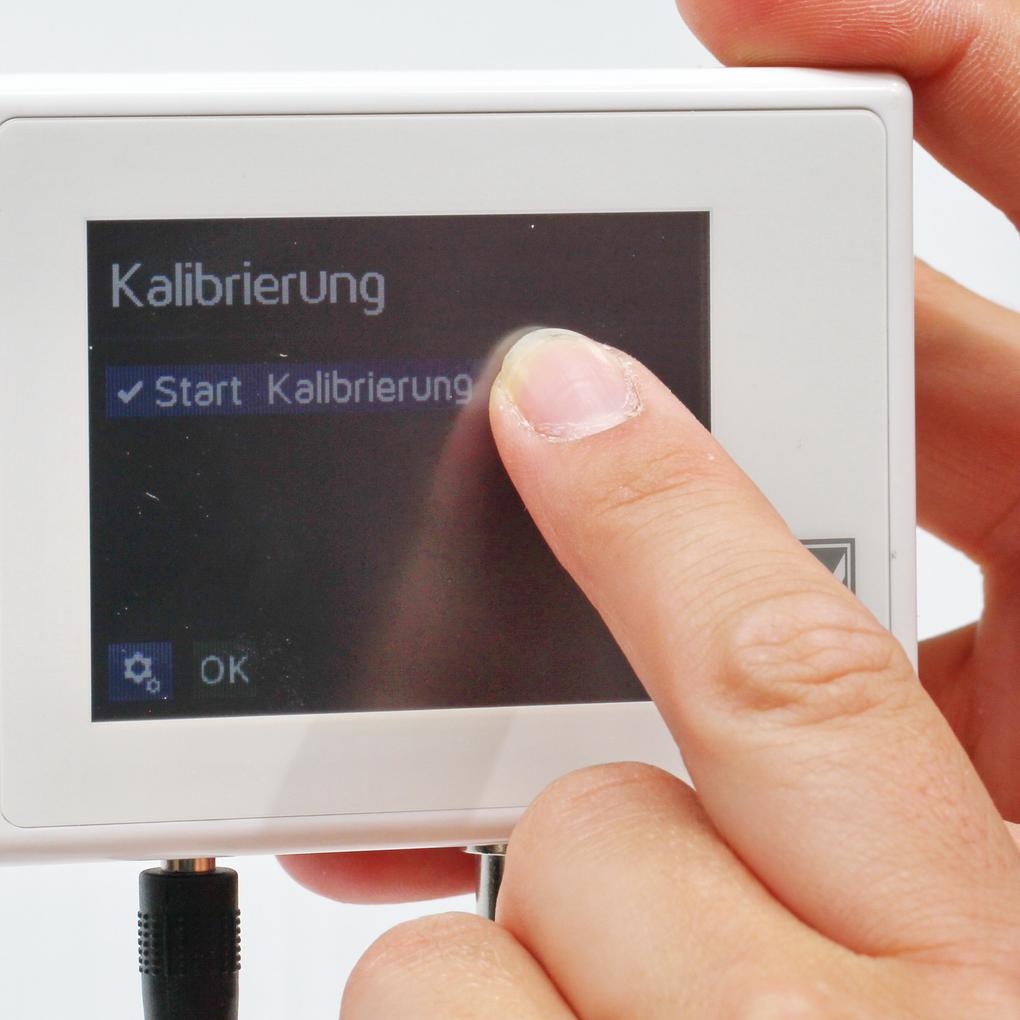
  • Touch display enables easy operation through the operating menu. For automatic adjustment of CO2 addition, the carbonate hardness (KH) needs to be measured and entered.
  • The programme calculates the ideal pH value from the KH and the existing pH value and adds as much CO2 as necessary until the pH value is reached. Also displays the water temperature
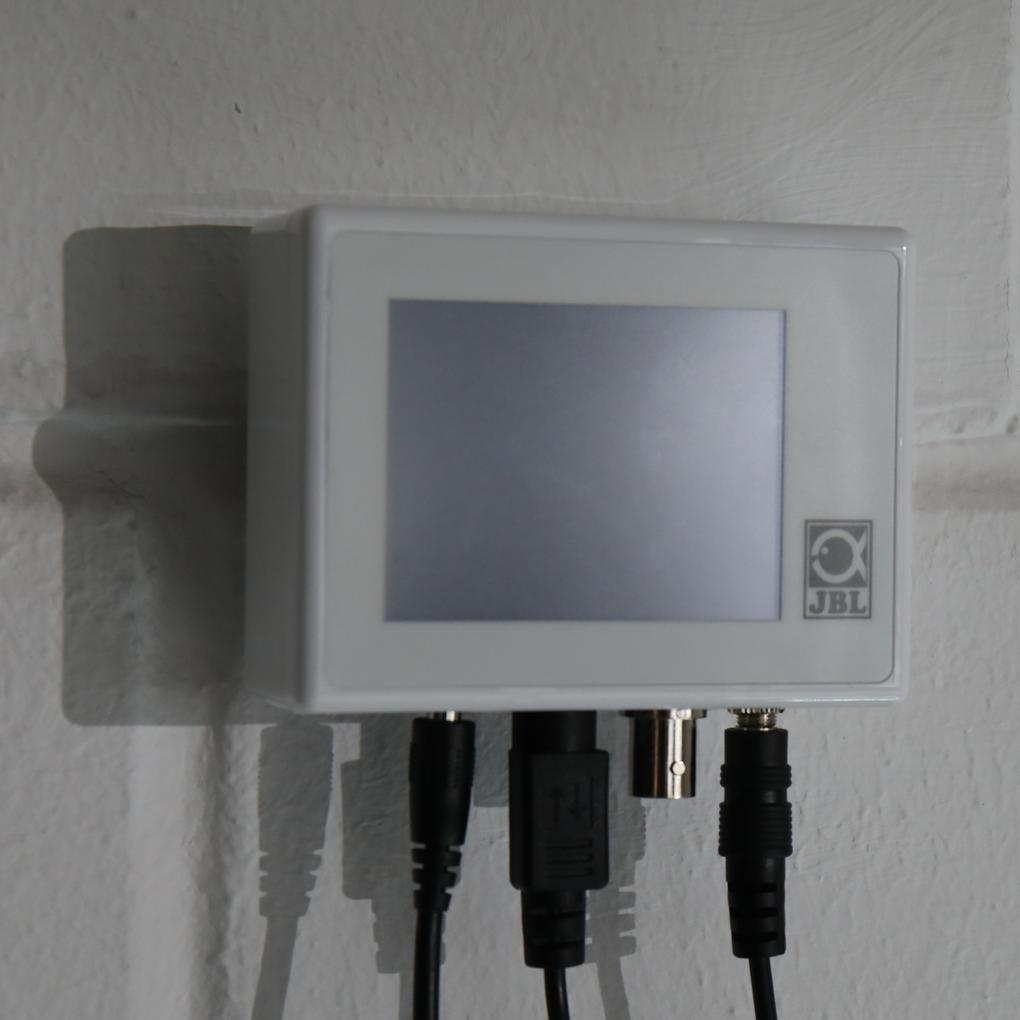
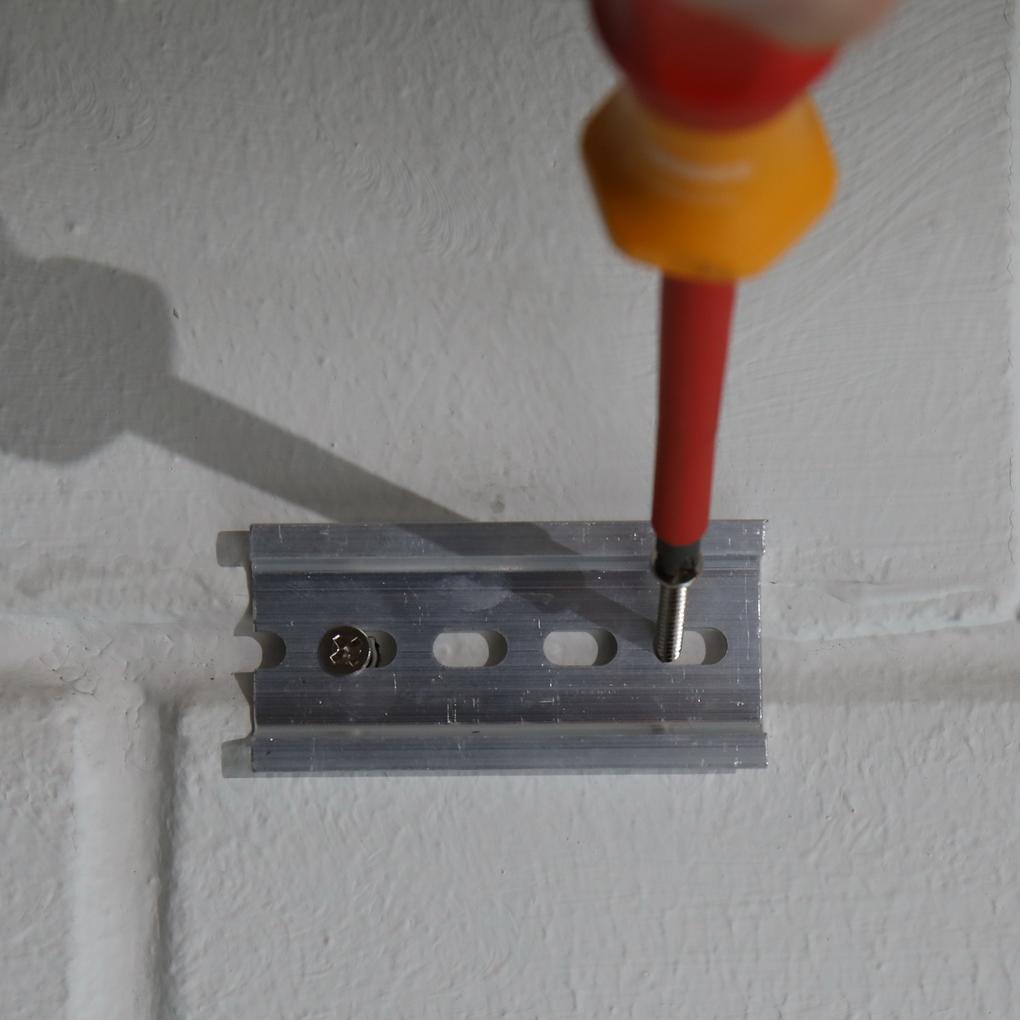
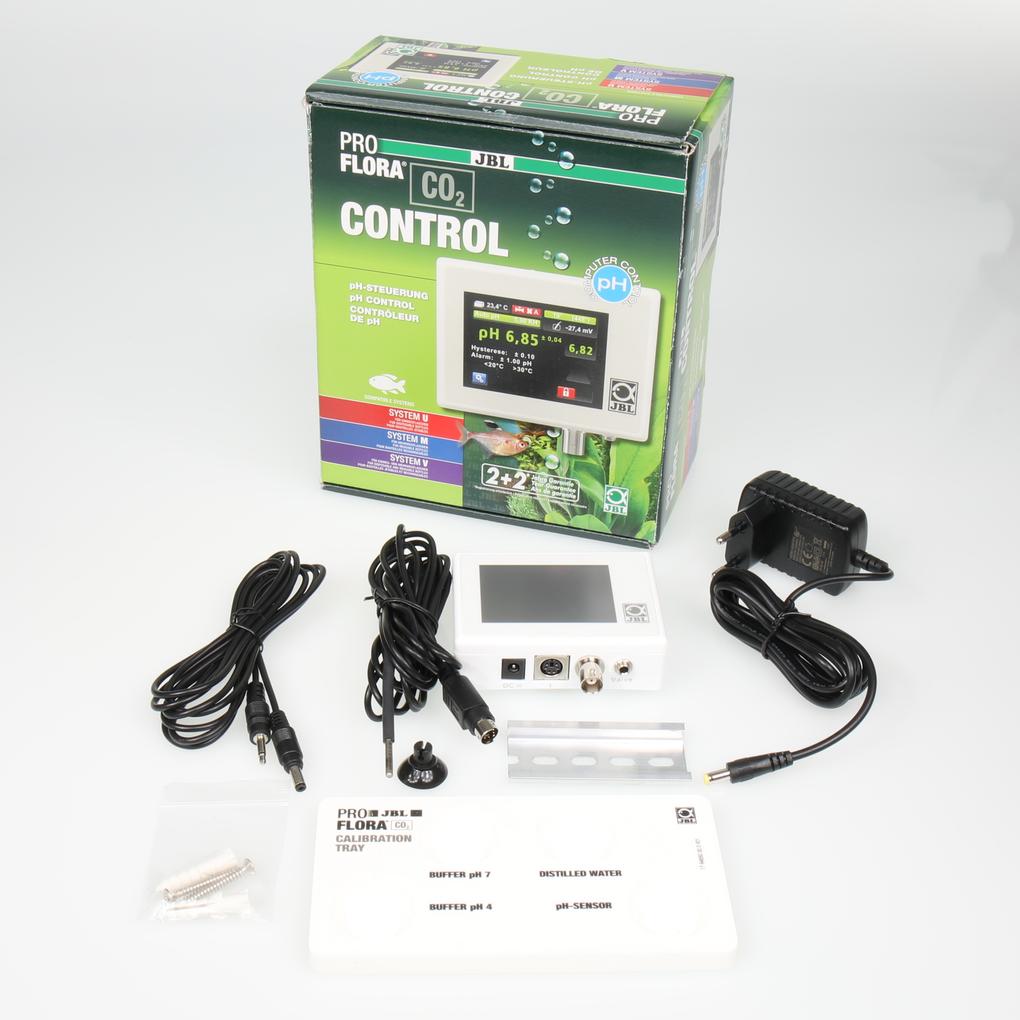
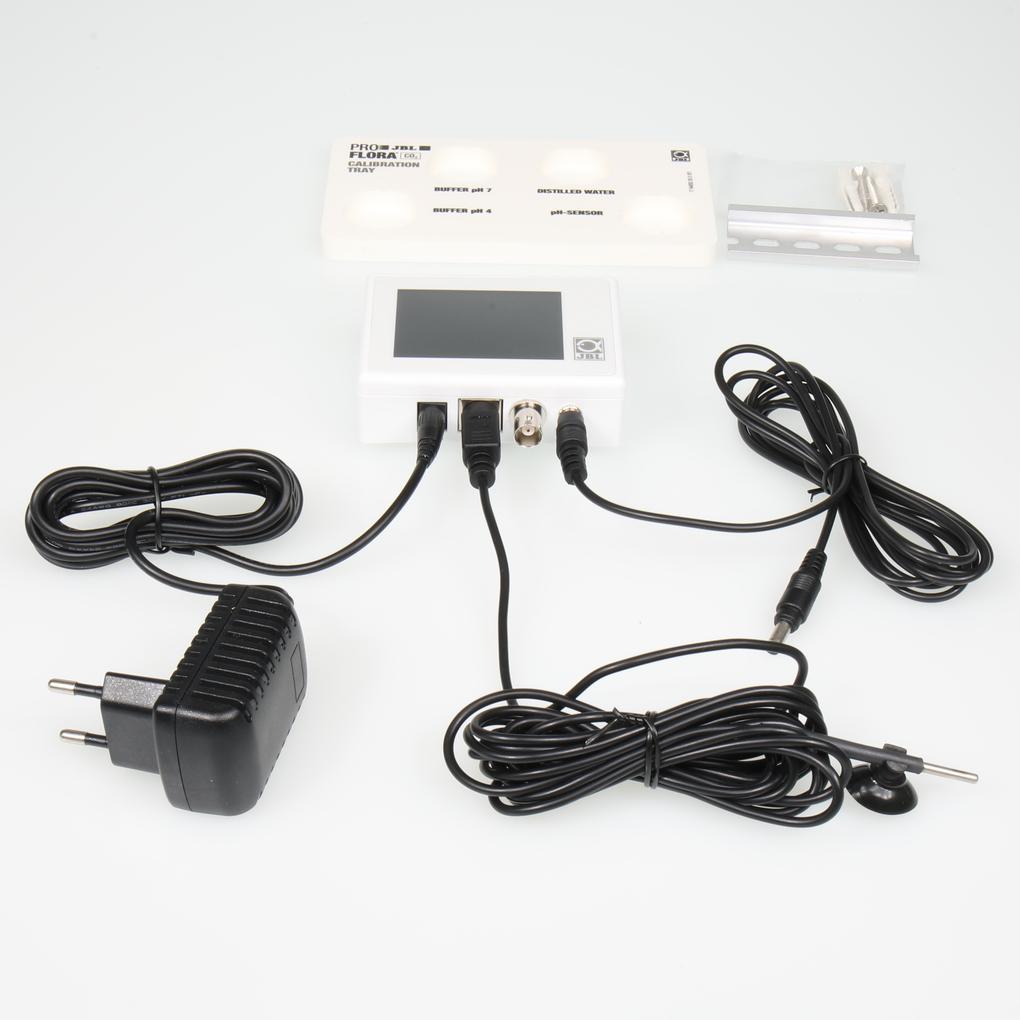
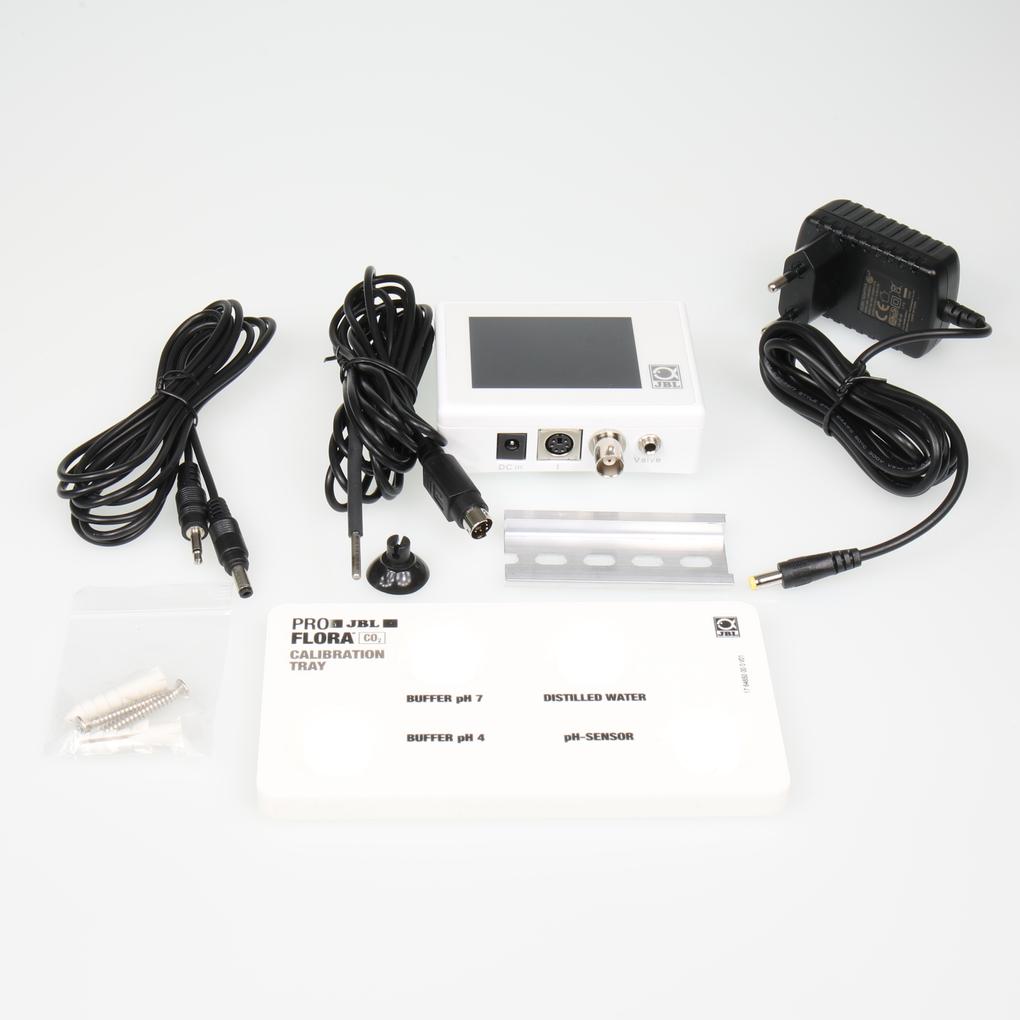
  • Package contents: CO2 control unit with touch display, wall bracket, power supply unit, temperature sensor + suction holder, connecting cable to the solenoid valve, cuvette holder for calibration liquids

Noch offene Fragen?

In unserem FAQ‑Bereich findet ihr Antworten auf die am häufigsten gestellten Fragen. Solltet ihr hier nicht fündig werden, zögert bitte nicht, uns direkt zu kontaktieren – wir helfen euch gerne weiter.

  • What does DELTAV mean on the display?

    This message means that the voltage difference per full pH unit is less than 30 mV. The pH sensor is either too old, defective, or has been accidentally calibrated twice with the same buffer solution. Remedy: Repeat calibration, ensuring that the buffer solutions are used correctly. If this does not help, connect a new sensor and calibrate it.

    War diese Antwort hilfreich?
  • What does the message INSTAB mean?

    The message INSTAB means: Unstable sensor voltage: Sensor tip dirty, electrolyte leaked from the sensor, sensor tip damaged. Remedy: Clean the sensor tip (see the relevant instructions), place the sensor in the storage solution for 24 hours and then recalibrate it. If this does not help, the sensor is defective and must be replaced.

    War diese Antwort hilfreich?
  • What deviations are normal during calibration, and how do they relate to temperature?

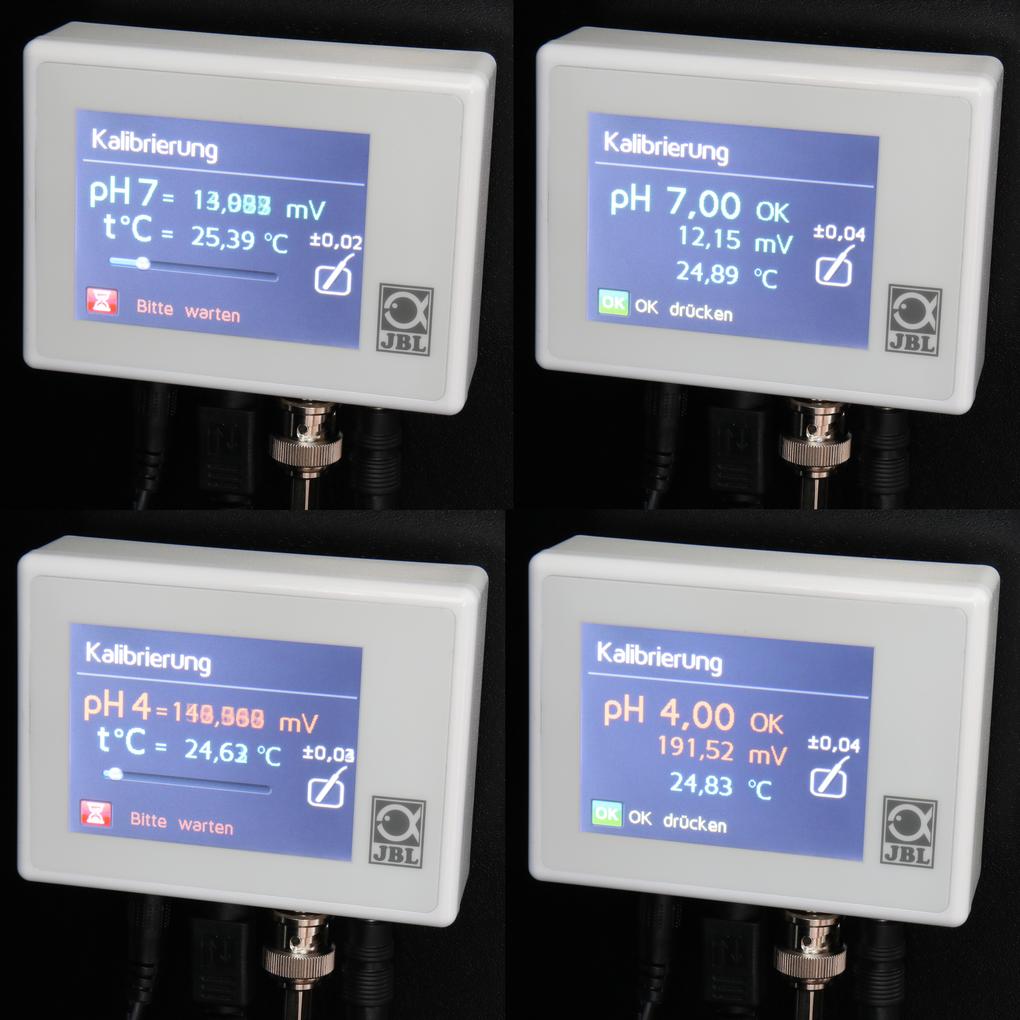
    Without information about the sensor, especially its age, it is difficult to make more precise statements. Good sensors have calibration deviations in the range between 0.02 and 0.05 pH steps. The input voltage is different for each sensor, as each sensor behaves individually. For most of our sensors, it is between -30 and +30 mV at pH 7. Both input voltages (pH 7 and pH 4) are important for assessing the quality of a sensor. The greater the difference between these two values, the better the sensor and the measurement and control accuracy. The difference values should be above 140-150 mV. The temperature sensor should always be used during calibration. The pH value is temperature-dependent, so it is best to always measure the pH value with temperature compensation. The deviation is between 0.17 pH steps at 20 and 30 °C; the relationship is not linear.

    War diese Antwort hilfreich?
  • How often does the JBL pH/CO2 Control need to be calibrated?

    In the menu, you can choose between different times until the next calibration reminder. The following calibration intervals are available: 30 days 45 days 60 days 60 days However, we strongly advise against the 60-day setting, as every pH sensor ages continuously and the measured values shift. The more often you calibrate, the more reliable the measurements will be.

    War diese Antwort hilfreich?
  • What does the message OFFSET mean?

    The message OFFSET means: Sensor voltage at pH 7.00 is outside the limit value, the sensor is too old, the cable is defective, no sensor is connected, or it was accidentally calibrated with buffer 4. Remedy: Check the sensor cable for damage, connect the sensor correctly, and repeat the calibration. Ensure that the buffer solutions are used correctly. If this does not help, replace the sensor and recalibrate it.

    War diese Antwort hilfreich?
  • Do I need a night shut-off when using the JBL Proflora pH Control Touch or the JBL PROFLORA CO2 CONTROL?

    You will need a separate solenoid valve (JBL ProFlora v002 or JBL PROFLORA CO2 VALVE) to control the CO2 supply. A night shut-off is not necessary for pH controller-controlled CO2 systems, as they do not switch on the CO2 supply when there is no CO2 consumption, or only do so rarely (CO2 escaping via the water surface). Therefore, the control systems do not need a timer

    War diese Antwort hilfreich?
  • Can JBL PROFLORA CO2 products only be used for aquariums?

    Yes, JBL PROFLORA CO2 products are designed exclusively for use in aquariums. The gas supplied promotes plant growth and can be adjusted with fine precision so that even the smallest quantities can be added to the aquarium. This ensures constant operation and the safety of the fish.

    War diese Antwort hilfreich?
  • Why does the controller constantly display a pH value that is too high/low, or why does calibration not work even though the sensor is new?

    The cause is probably very easy to fix. The protective cap of the pH sensor must be removed before inserting it into the aquarium/calibration so that the control/calibration can be carried out properly. The protective cap is used to store and "reactivate" the sensor with the storage fluid. It must be removed in the aquarium and during calibration, as no water from outside can pass through it. If the controller continues to display an error during calibration, i.e. after removing the protective cap, please read the FAQ for the individual error messages in detail

    War diese Antwort hilfreich?

Antwort nicht gefunden?

Stelle deine Frage an das JBL Service Team.

Information and consent to cookies & third-party content

We use technically necessary cookies/tools to offer, operate and secure this service. Furthermore ,with your express consent , we use cookies/tools for marketing, tracking, creating personalised content on third-party sites and for displaying third-party content on our website. You can revoke your consent at any time with effect for the future via the menu item ‘Cookie settings’.
By clicking on ‘Allow all’, you give us your express consent to the use of cookies/tools to improve the quality and performance of our service, for functional and personalised performance optimisation, to measure the effectiveness of our ads or campaigns, for personalised content for marketing purposes, including outside our website. This enables us to provide personalised online ads and extended analysis options about your user behaviour. This also includes accessing and storing data on your device. You can revoke your consent at any time with effect for the future via the menu item ‘Cookie settings’.
You can use the ‘Change settings’ button to grant and revoke individual consent to the cookies/tools and receive further information on the cookies/tools we use, their purposes and duration.
By clicking on ‘Only absolutely necessary’, only technically necessary cookies/tools are used.

Our data protection declaration tells you how we process personal data and what purposes we use the data processing for.

PUSH messages from JBL

What are PUSH messages? As part of the W3C standard, web notifications define an API for end-user notifications that are sent to the user's desktop and/or mobile devices via the browser. Notifications appear on the end devices as they are familiar to the end user from apps installed on the device (e.g. emails). Notifications appear on the end user’s device, just like an app (e.g. for emails) installed on the device.

A notification makes it possible to inform the user about an event outside the context of a website, such as a new blog post, a competition or a voucher.

These notifications enable a website operator to contact its users whenever they have a browser open - it doesn’t matter whether the user is currently visiting the website or not.

To be able to send web push notifications, all you need is a website with a web push code installed. This allows brands without apps to take advantage of many of the benefits of push notifications (personalised real-time communications at just the right moment).

Web notifications are part of the W3C standard and define an API for end user notifications. A notification makes it possible to inform the user about an event, such as a new blog post, outside the context of a website.

JBL GmbH & Co. KG provides this service free of charge, and it is easy to activate or deactivate.