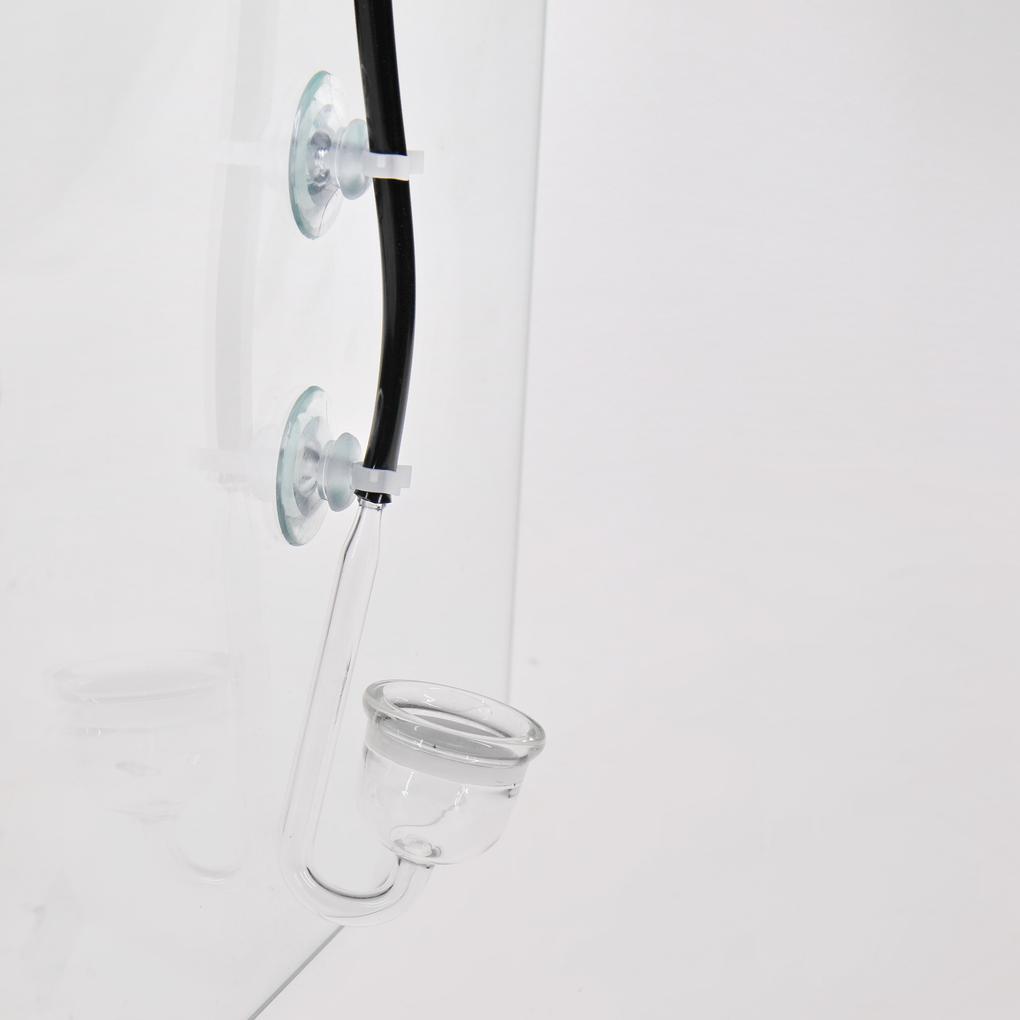
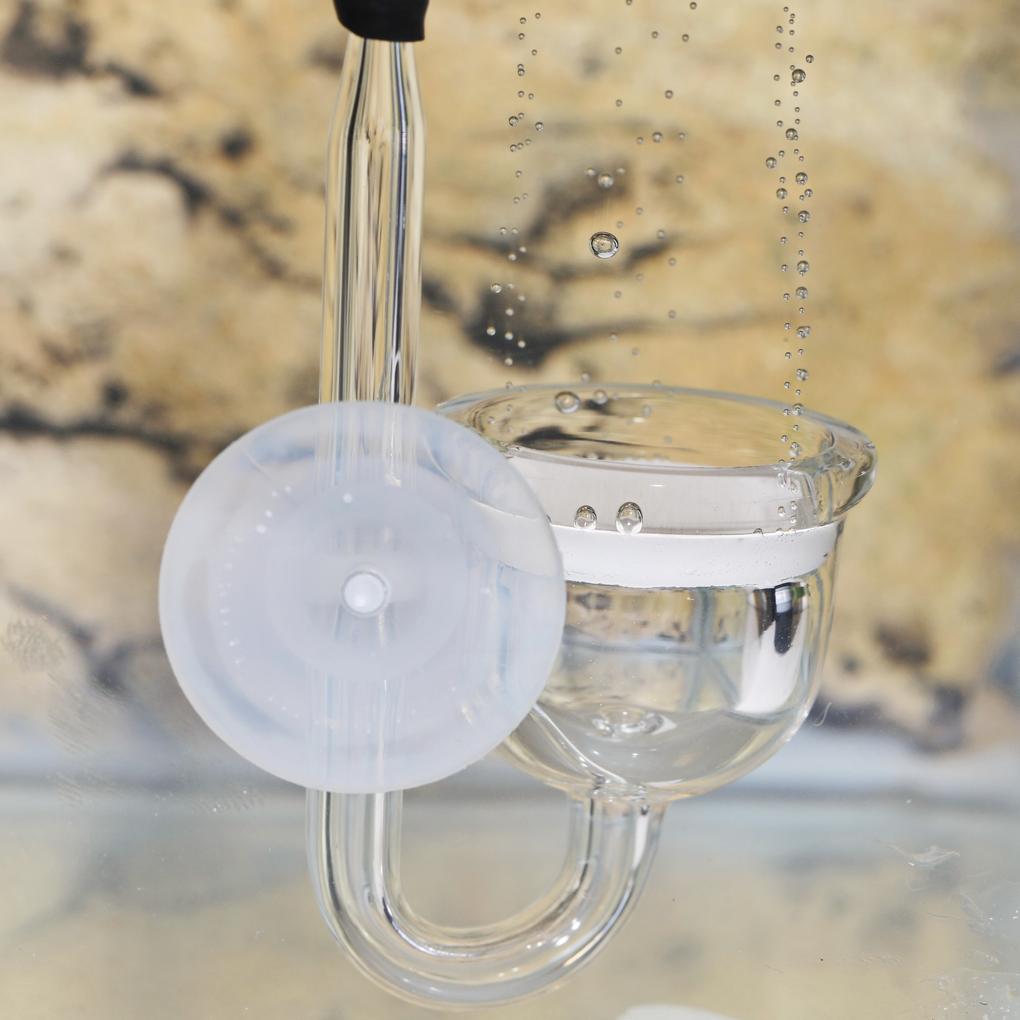
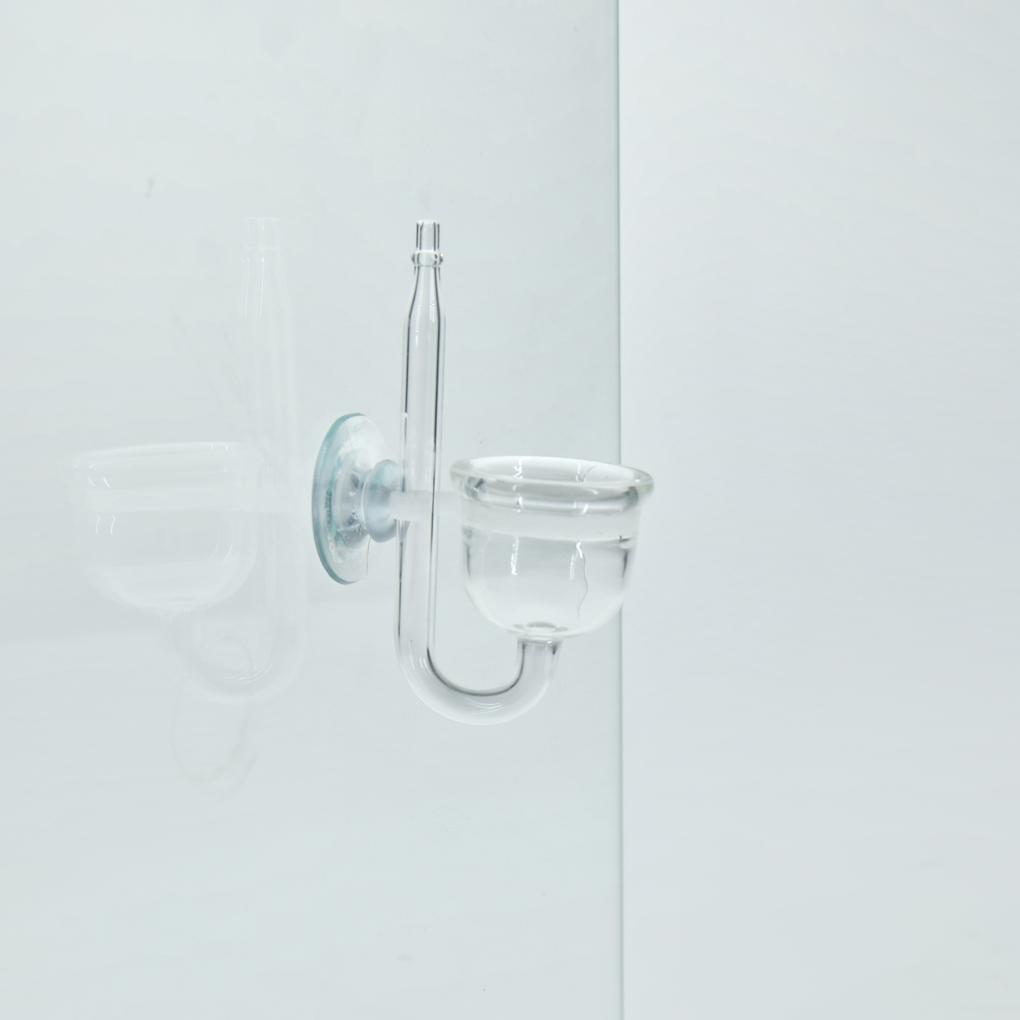
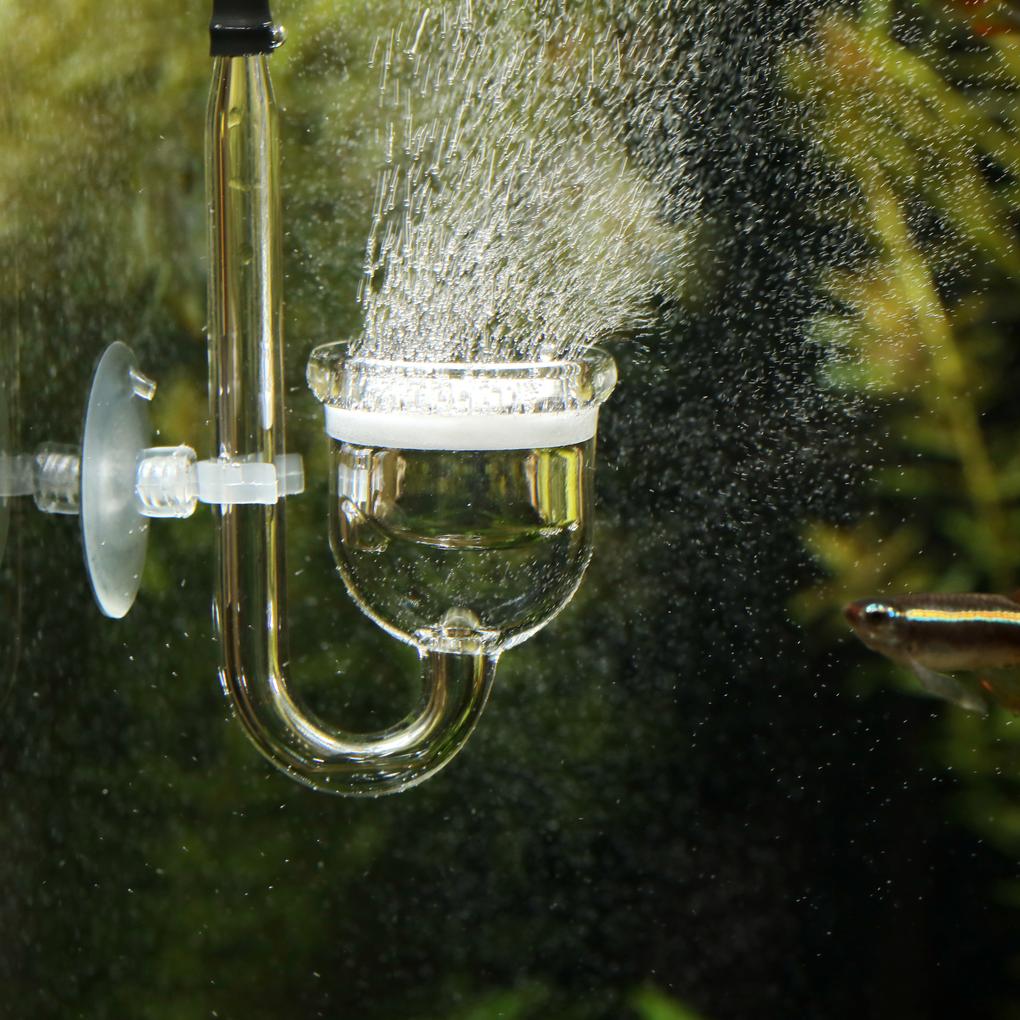
JBL PROFLORA Taifun P
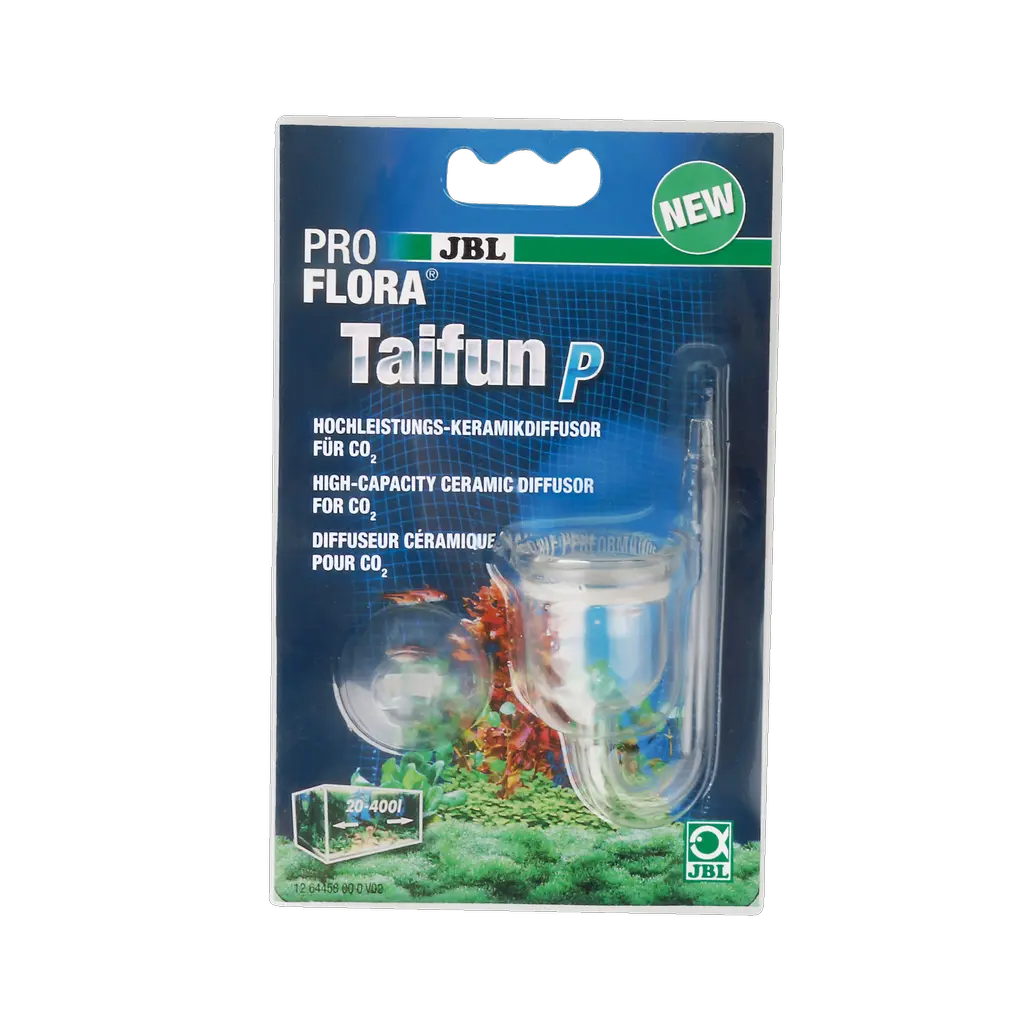
Optimal enrichment with carbon dioxide, the main nutrient for plants: CO2 diffuser for small freshwater aquariums from 20 to 400 litres
Archived
Item no. 6445800

15.67 EUR

Price incl. 18 VAT plus Delivery
Product no longer available
Shop locator

Product features

  • Optimal enrichment with main plant nutrient carbon dioxide: CO2 diffuser for small freshwater aquariums from 20 up to 400 l
  • Suitable for all common CO2 systems: connect to CO2 hose (4/6 mm), mount diffuser in the aquarium with suction holder
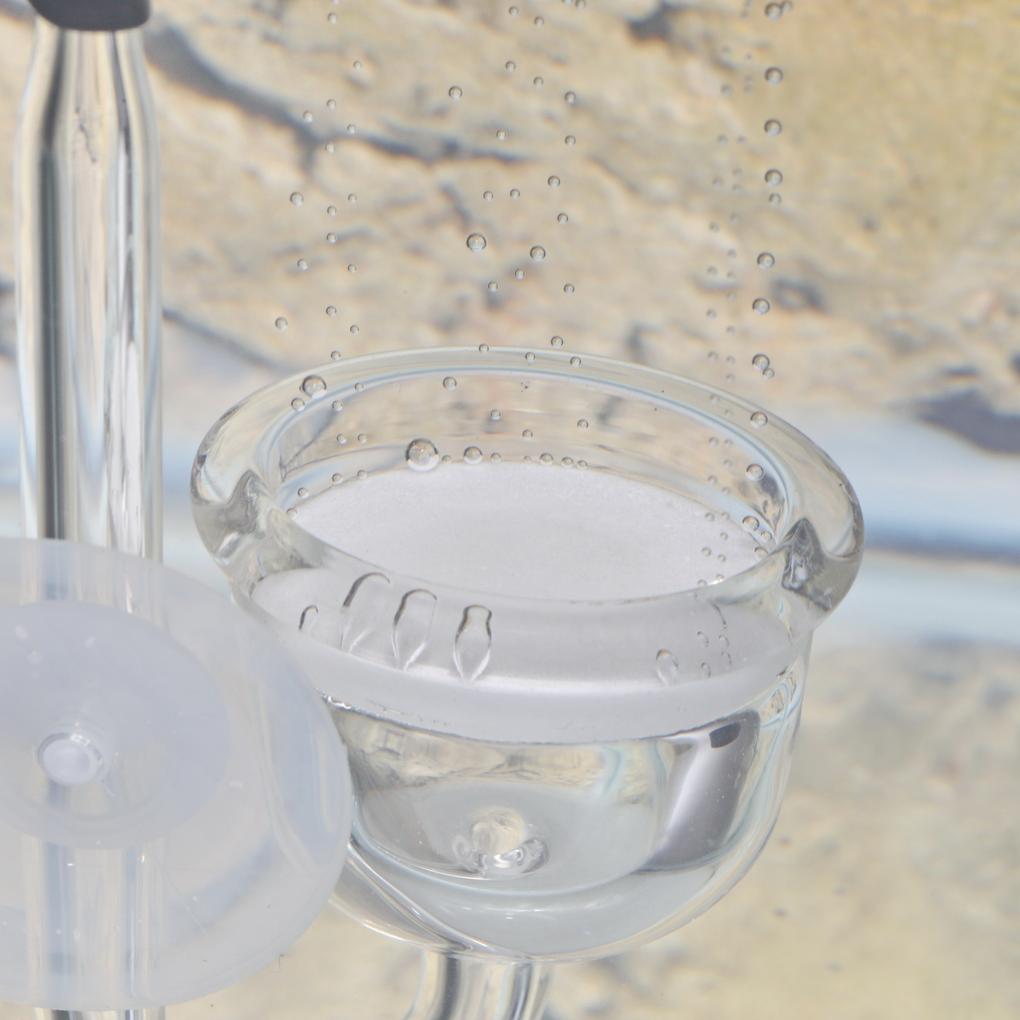
  • Even release and effective distribution: special ceramic for very small CO2 bubbles, built-in ceramic diaphragm
  • High-quality glass design
  • Package contents: mini CO2 diffuser ProFlora Taifun P Nano, incl. 1 suction holder

Noch offene Fragen?

In unserem FAQ‑Bereich findet ihr Antworten auf die am häufigsten gestellten Fragen. Solltet ihr hier nicht fündig werden, zögert bitte nicht, uns direkt zu kontaktieren – wir helfen euch gerne weiter.

  • The JBL Taifun P or GLASS has become clogged. What’s the cause and what can be done about it?

    Over time, algae growth, mulm deposits or occasionally limescale deposits can lead to a clogging of the ceramic diffusion membrane for tiny micro bubbles, with the result that the bubbles get bigger._x000D_ _x000D_ In this case please add the JBL Taifun P to JBL PROCLEAN AQUA for several hours.

    War diese Antwort hilfreich?
  • The Taifun P does not produce any bubbles when used with a JBL bio80 or JBL bio160.

    The Taifun P requires pressure for the carbon dioxide to be pressed through the fine membrane. The pressure formed in the reaction flask of JBL bio80 and JBL bio160 is enough to operate the diffuser._x000D_ _x000D_ If there are no fine bubbles coming out of the Taifun P, this may be due to the following:_x000D_ _x000D_ 1) The fermentation of the microorganisms isn’t working (see Solutions in the FAQ for the JBL bioRefill)._x000D_ 2) There might be a leak somewhere in the system where pressure can escape. Potential causes of the leak:_x000D_ 2a) The lid of the reaction vessel isn't screwed onto the cylinder properly. Solution: Clean or perhaps replace the sealing ring in the lid._x000D_ 2b) The connections of the JBL T3 CO₂ hose where it is connected to the cylinder and the JBL SafeStop aren’t fastened tightly. Solution: The hoses must be pushed onto the connections all the way. If used frequently, we recommend shortening the hose by approx. 1 cm.

    War diese Antwort hilfreich?

Antwort nicht gefunden?

Stelle deine Frage an das JBL Service Team.

Information and consent to cookies & third-party content

We use technically necessary cookies/tools to offer, operate and secure this service. Furthermore ,with your express consent , we use cookies/tools for marketing, tracking, creating personalised content on third-party sites and for displaying third-party content on our website. You can revoke your consent at any time with effect for the future via the menu item ‘Cookie settings’.
By clicking on ‘Allow all’, you give us your express consent to the use of cookies/tools to improve the quality and performance of our service, for functional and personalised performance optimisation, to measure the effectiveness of our ads or campaigns, for personalised content for marketing purposes, including outside our website. This enables us to provide personalised online ads and extended analysis options about your user behaviour. This also includes accessing and storing data on your device. You can revoke your consent at any time with effect for the future via the menu item ‘Cookie settings’.
You can use the ‘Change settings’ button to grant and revoke individual consent to the cookies/tools and receive further information on the cookies/tools we use, their purposes and duration.
By clicking on ‘Only absolutely necessary’, only technically necessary cookies/tools are used.

Our data protection declaration tells you how we process personal data and what purposes we use the data processing for.

PUSH messages from JBL

What are PUSH messages? As part of the W3C standard, web notifications define an API for end-user notifications that are sent to the user's desktop and/or mobile devices via the browser. Notifications appear on the end devices as they are familiar to the end user from apps installed on the device (e.g. emails). Notifications appear on the end user’s device, just like an app (e.g. for emails) installed on the device.

A notification makes it possible to inform the user about an event outside the context of a website, such as a new blog post, a competition or a voucher.

These notifications enable a website operator to contact its users whenever they have a browser open - it doesn’t matter whether the user is currently visiting the website or not.

To be able to send web push notifications, all you need is a website with a web push code installed. This allows brands without apps to take advantage of many of the benefits of push notifications (personalised real-time communications at just the right moment).

Web notifications are part of the W3C standard and define an API for end user notifications. A notification makes it possible to inform the user about an event, such as a new blog post, outside the context of a website.

JBL GmbH & Co. KG provides this service free of charge, and it is easy to activate or deactivate.