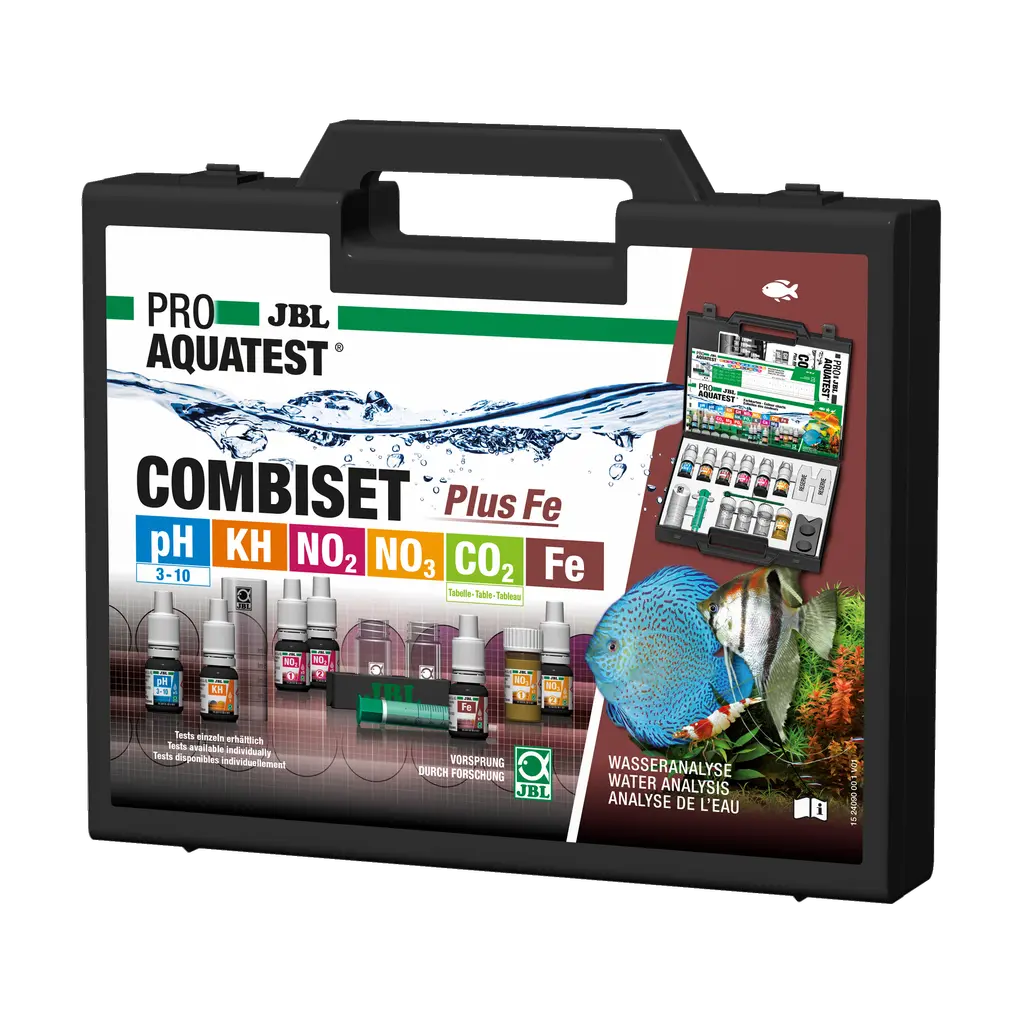
JBL PROAQUATEST COMBISET Plus Fe

Prosta i bezpieczna kontrola parametrów wody w akwariach. Oznaczanie: wartości pH, twardości węglanowej, żelaza, azotynów, azotanów, CO2 (obliczenia na podstawie tabeli)
Item no. 2409263

65.19 EUR

Price incl. 23 VAT plus Delivery
Shop locator Hazard statements

Product features

  • Prosta i bezpieczna kontrola parametrów wody akwariów. Określane parametry: wartość pH, twardość węglanowa, żelazo, azotyny, azotany, CO2 (obliczanie na podstawie tabeli)
  • Proste stosowanie: Wodę akwariową wlać do kuwety strzykawką, dodać odczynnik i porównać kolor ze skalą barw lub podczas testu KH liczyć krople do zmiany barwy
  • Ten system porównawczy uwzględnia własne zabarwienie wody. Zawartość CO2 określa się z tabeli poprzez wartość pH i KH
  • Bezpieczne dla dzieci butelki z odczynnikami, wodoodporna walizka z tworzywa sztucznego, odczynniki w opakowaniu uzupełniającym dostępne oddzielnie
  • W zestawie: 1 walizka do testów do akwariów. 7 odczynników, 3 szklane kuwety, strzykawka, łyżeczki dozujące, blok porównawczy, kuweta z tworzywa sztucznego, karty barw, karty protokołów, instrukcja obsługi

Hazard statements

JBL pH 3-10 - Safety information according to GHS

Signal word: Uwaga

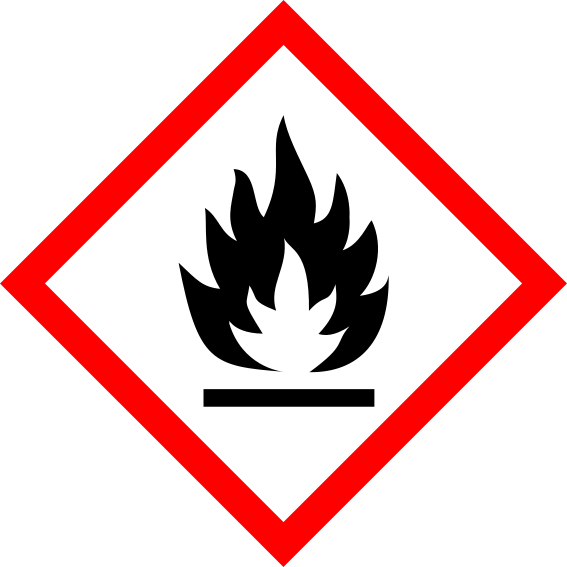
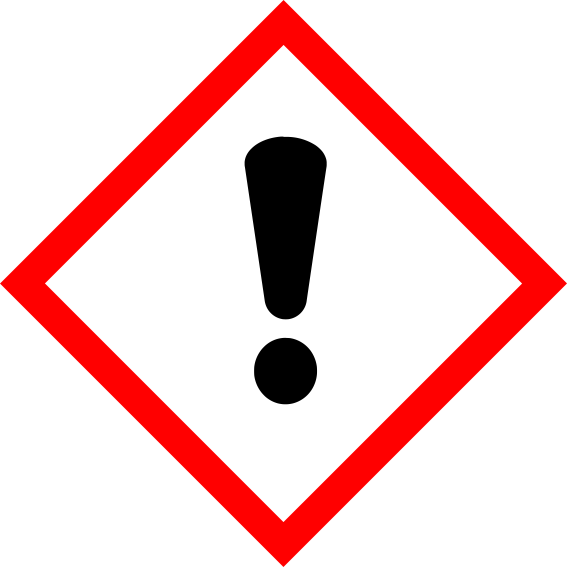
Hazard symbol

flammable irritant

Hazard statement

  • H319: Działa drażniąco na oczy.
  • H226: Łatwopalna ciecz i pary.

Safety instructions

  • P101: W razie konieczności zasięgnięcia porady lekarza należy pokazać pojemnik lub etykietę.
  • P102: Chronić przed dziećmi.

JBL NO3 2 - Safety information according to GHS

Signal word: Niebezpieczeństwo

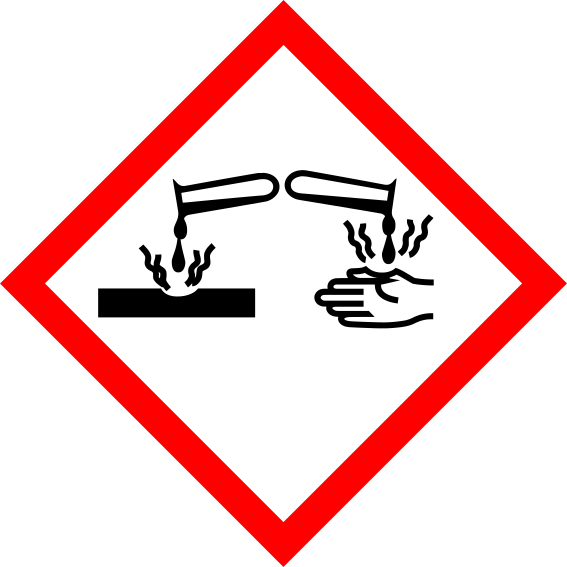
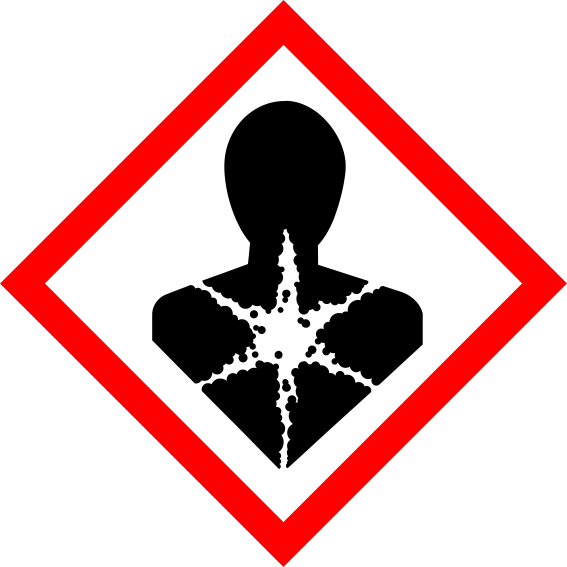
Hazard symbol

corrosive irritant health_hazard

Hazard statement

  • H314: Powoduje poważne oparzenia skóry oraz uszkodzenia oczu.
  • H341: Podejrzewa się, że powoduje wady genetyczne.
  • H317: Może powodować reakcję alergiczną skóry.
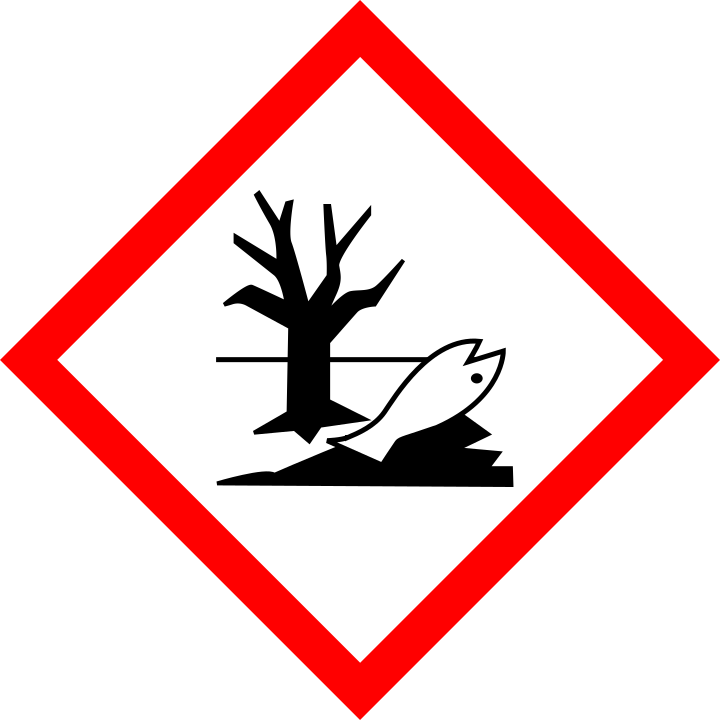
  • H412: Działa szkodliwie na organizmy wodne, powodując długotrwałe skutki.

Safety instructions

  • P101: W razie konieczności zasięgnięcia porady lekarza należy pokazać pojemnik lub etykietę.
  • P102: Chronić przed dziećmi.

Hazardous component

  • 7647-01-0/1: chlorowodór
  • 541-69-5: dichlorowodorek m-fenylenodiaminy

JBL NO3 1 - Safety information according to GHS

Signal word: Niebezpieczeństwo

Hazard symbol

corrosive irritant environmental_hazard

Hazard statement

  • H314: Powoduje poważne oparzenia skóry oraz uszkodzenia oczu.
  • H317: Może powodować reakcję alergiczną skóry.
  • H411: Działa toksycznie na organizmy wodne, powodując długotrwałe skutki.

Safety instructions

  • P101: W razie konieczności zasięgnięcia porady lekarza należy pokazać pojemnik lub etykietę.
  • P102: Chronić przed dziećmi.

Hazardous component

  • 87-69-4: (+)-tartaric acid
  • 121-57-3: kwas 4-aminobenzenosulfonowy

JBL NO2 2 - Safety information according to GHS

Signal word: Uwaga

Hazard symbol

flammable irritant

Hazard statement

  • H319: Działa drażniąco na oczy.
  • H226: Łatwopalna ciecz i pary.

Safety instructions

  • P101: W razie konieczności zasięgnięcia porady lekarza należy pokazać pojemnik lub etykietę.
  • P102: Chronić przed dziećmi.

JBL NO2 1 - Safety information according to GHS

Signal word: Niebezpieczeństwo

Hazard symbol

corrosive

Hazard statement

  • H314: Powoduje poważne oparzenia skóry oraz uszkodzenia oczu.

Safety instructions

  • P101: W razie konieczności zasięgnięcia porady lekarza należy pokazać pojemnik lub etykietę.
  • P102: Chronić przed dziećmi.

Hazardous component

  • 64-19-7: kwas octowy

JBL KH - Safety information according to GHS

Signal word: Niebezpieczeństwo

Hazard symbol

flammable corrosive

Hazard statement

  • H226: Łatwopalna ciecz i pary.
  • H314: Powoduje poważne oparzenia skóry oraz uszkodzenia oczu.

Safety instructions

  • P101: W razie konieczności zasięgnięcia porady lekarza należy pokazać pojemnik lub etykietę.
  • P102: Chronić przed dziećmi.

JBL Fe - Safety information according to GHS

Signal word: Uwaga

Hazard symbol

irritant

Hazard statement

  • H319: Działa drażniąco na oczy.
  • H302: Działa szkodliwie po połknięciu.
  • H317: Może powodować reakcję alergiczną skóry.

Safety instructions

  • P101: W razie konieczności zasięgnięcia porady lekarza należy pokazać pojemnik lub etykietę.
  • P102: Chronić przed dziećmi.

Hazardous component

  • 5421-46-5: Merkaptooctan amonu

Information and consent to cookies & third-party content

We use technically necessary cookies/tools to offer, operate and secure this service. Furthermore ,with your express consent , we use cookies/tools for marketing, tracking, creating personalised content on third-party sites and for displaying third-party content on our website. You can revoke your consent at any time with effect for the future via the menu item ‘Cookie settings’.
By clicking on ‘Allow all’, you give us your express consent to the use of cookies/tools to improve the quality and performance of our service, for functional and personalised performance optimisation, to measure the effectiveness of our ads or campaigns, for personalised content for marketing purposes, including outside our website. This enables us to provide personalised online ads and extended analysis options about your user behaviour. This also includes accessing and storing data on your device. You can revoke your consent at any time with effect for the future via the menu item ‘Cookie settings’.
You can use the ‘Change settings’ button to grant and revoke individual consent to the cookies/tools and receive further information on the cookies/tools we use, their purposes and duration.
By clicking on ‘Only absolutely necessary’, only technically necessary cookies/tools are used.

Our data protection declaration tells you how we process personal data and what purposes we use the data processing for.
PUSH messages from JBL

What are PUSH messages? As part of the W3C standard, web notifications define an API for end-user notifications that are sent to the user's desktop and/or mobile devices via the browser. Notifications appear on the end devices as they are familiar to the end user from apps installed on the device (e.g. emails). Notifications appear on the end user’s device, just like an app (e.g. for emails) installed on the device.

A notification makes it possible to inform the user about an event outside the context of a website, such as a new blog post, a competition or a voucher.

These notifications enable a website operator to contact its users whenever they have a browser open - it doesn’t matter whether the user is currently visiting the website or not.

To be able to send web push notifications, all you need is a website with a web push code installed. This allows brands without apps to take advantage of many of the benefits of push notifications (personalised real-time communications at just the right moment).

Web notifications are part of the W3C standard and define an API for end user notifications. A notification makes it possible to inform the user about an event, such as a new blog post, outside the context of a website.

JBL GmbH & Co. KG provides this service free of charge, and it is easy to activate or deactivate.