




Peru 2025

back to the worldmap overview

Ahead through research

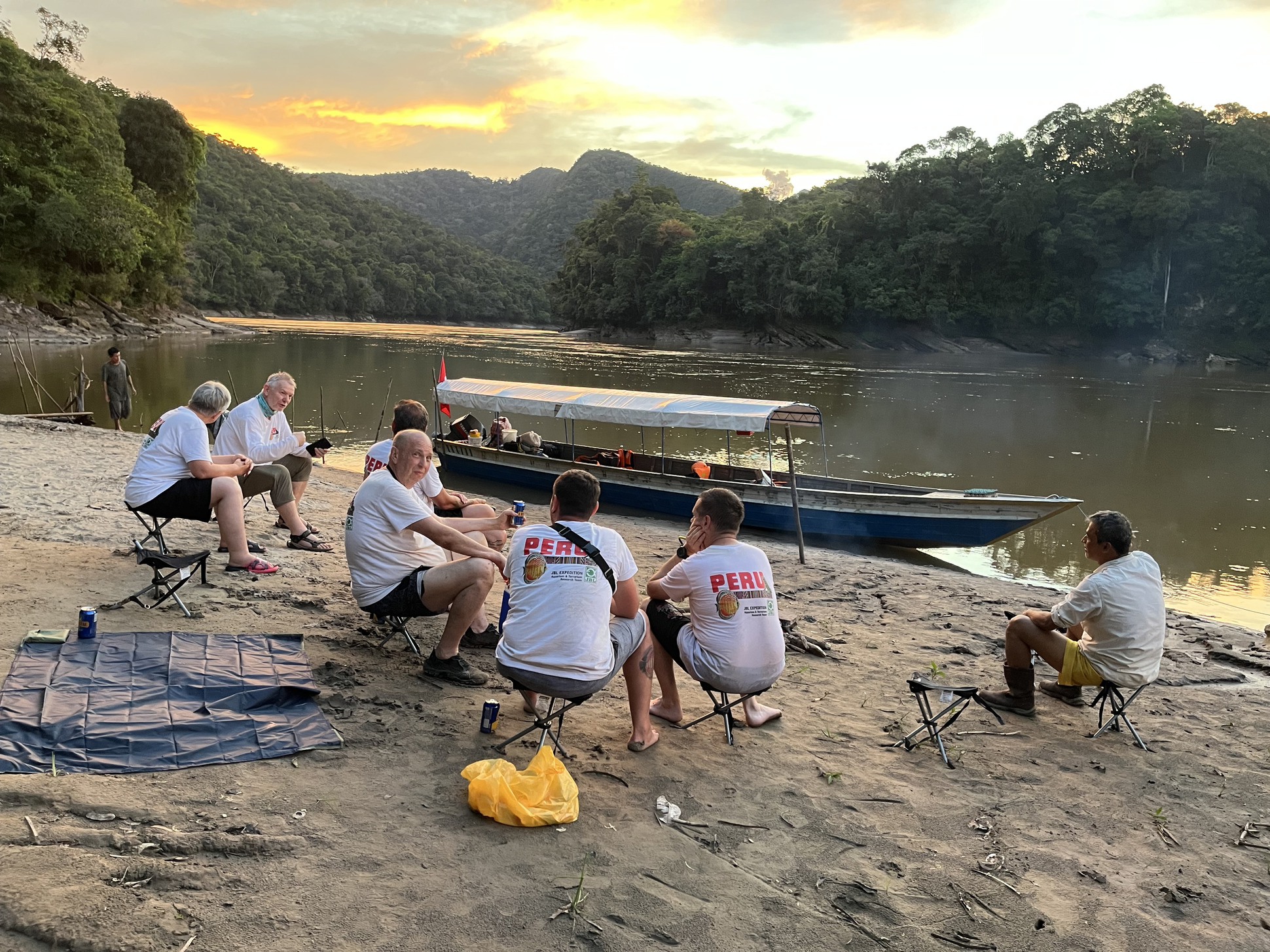
Serious product development needs to be based on solid research. That is why we travel the world and explore habitats first-hand during our expeditions.

Our main objectives:

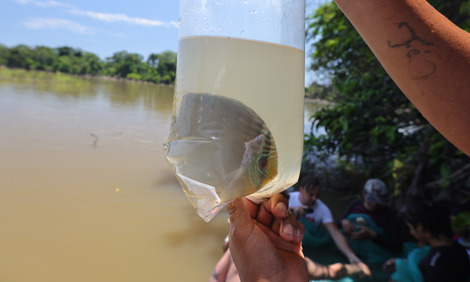
  • How do discus fish live in the Amazon, and which other fish do they live alongside?
  • Why are poison dart frogs so common in certain places?
  • What do the underwater habitats in Lake Titicaca look like?

Research for the aquaristics and terraristics hobby

It’s hard to imagine such diverse destinations within one single expedition! The Amazonian lowland rainforest near Iquitos on the Amazon, Tarapoto, a mecca for poison-dart frog enthusiasts and cold-water rivers flowing from the Andes, and the Urubamba River, right next to the Inca city of Machu Picchu, and finally Lake Titicaca. What more could you want when in Peru?

    To the discus fish near Iquitos on the Amazon

    Iquitos is the largest city in the world without road access – reachable only by plane or boat and situated directly at the fork between the Rio Nanay and the Amazon.

    Find out more

    Among the poison dart frogs and bristlemouth catfish in the jungle near Tarapoto

    Tarapoto: Never heard of it? Don’t worry – only poison dart frog experts from around the world know this place.

    Find out more

    First sighting of long-whiskered catfish in the cold mountain streams of the Andes

    After arriving in Cusco, we had planned a short tour of the city. The historic Inca city has plenty to offer, and even the main square in the centre is well worth a visit.

    Find out more

Information and consent to cookies & third-party content

We use technically necessary cookies/tools to offer, operate and secure this service. Furthermore ,with your express consent , we use cookies/tools for marketing, tracking, creating personalised content on third-party sites and for displaying third-party content on our website. You can revoke your consent at any time with effect for the future via the menu item ‘Cookie settings’.
By clicking on ‘Allow all’, you give us your express consent to the use of cookies/tools to improve the quality and performance of our service, for functional and personalised performance optimisation, to measure the effectiveness of our ads or campaigns, for personalised content for marketing purposes, including outside our website. This enables us to provide personalised online ads and extended analysis options about your user behaviour. This also includes accessing and storing data on your device. You can revoke your consent at any time with effect for the future via the menu item ‘Cookie settings’.
You can use the ‘Change settings’ button to grant and revoke individual consent to the cookies/tools and receive further information on the cookies/tools we use, their purposes and duration.
By clicking on ‘Only absolutely necessary’, only technically necessary cookies/tools are used.

Our data protection declaration tells you how we process personal data and what purposes we use the data processing for.

PUSH messages from JBL

What are PUSH messages? As part of the W3C standard, web notifications define an API for end-user notifications that are sent to the user's desktop and/or mobile devices via the browser. Notifications appear on the end devices as they are familiar to the end user from apps installed on the device (e.g. emails). Notifications appear on the end user’s device, just like an app (e.g. for emails) installed on the device.

A notification makes it possible to inform the user about an event outside the context of a website, such as a new blog post, a competition or a voucher.

These notifications enable a website operator to contact its users whenever they have a browser open - it doesn’t matter whether the user is currently visiting the website or not.

To be able to send web push notifications, all you need is a website with a web push code installed. This allows brands without apps to take advantage of many of the benefits of push notifications (personalised real-time communications at just the right moment).

Web notifications are part of the W3C standard and define an API for end user notifications. A notification makes it possible to inform the user about an event, such as a new blog post, outside the context of a website.

JBL GmbH & Co. KG provides this service free of charge, and it is easy to activate or deactivate.