




Peru 2025

back to the worldmap overview

Vorsprung durch Forschung

Für eine ernsthafte Produktentwicklung ist Grundlagenforschung nötig. Daher reisen wir um die Welt und erforschen in unseren Expeditionen die Lebensräume direkt Vorort.

Unsere Hauptziele:

  • Wie leben Diskus in Amazonien und mit welchen Fischen leben sie assoziiert?
  • Warum sind Pfeilgiftfrösche an bestimmten Orten sehr häufig zu finden?
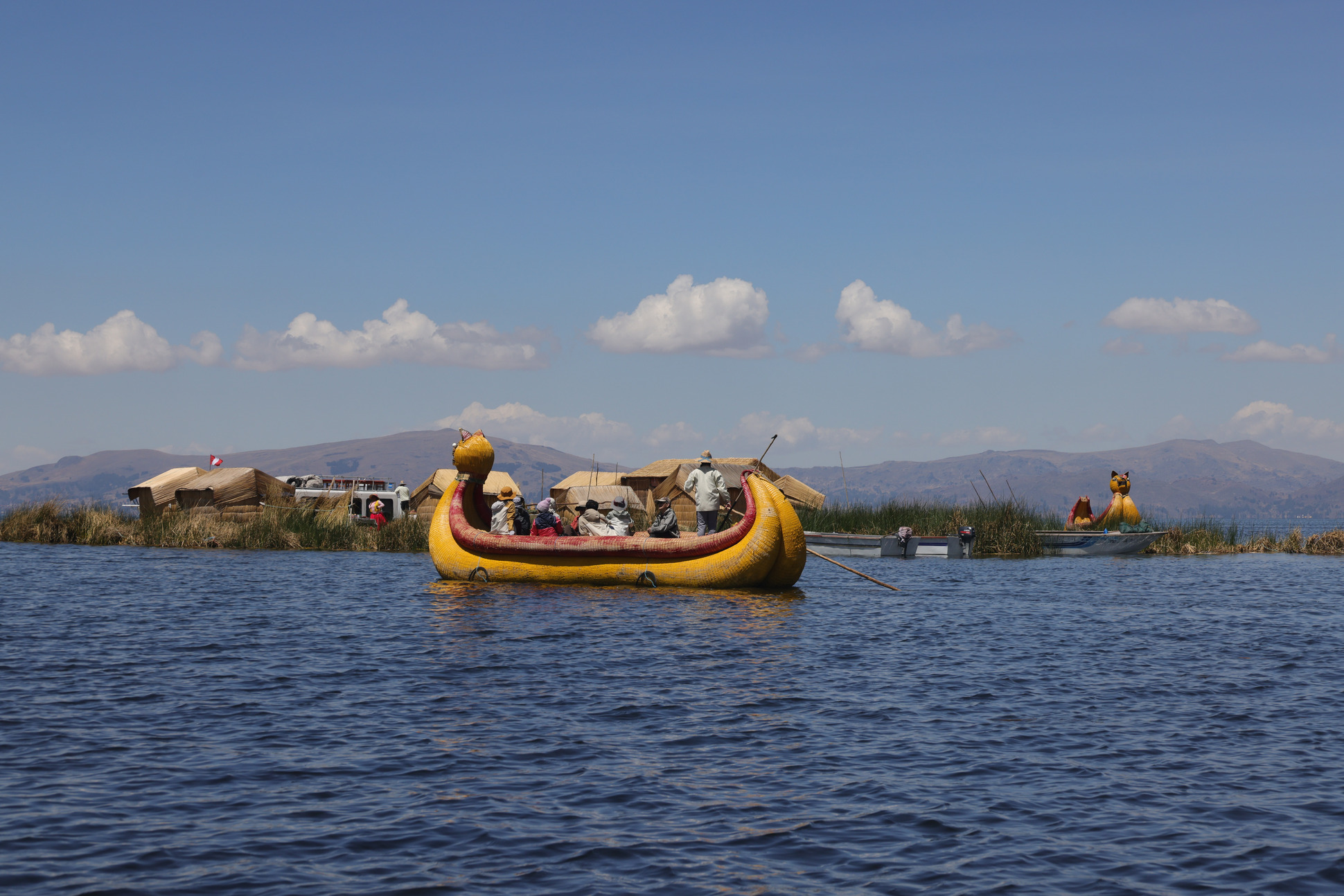
  • Wie sehen die Lebensräume im Titicacasee unter Wasser aus?

Unsere Erlebnisse auf der Expedition

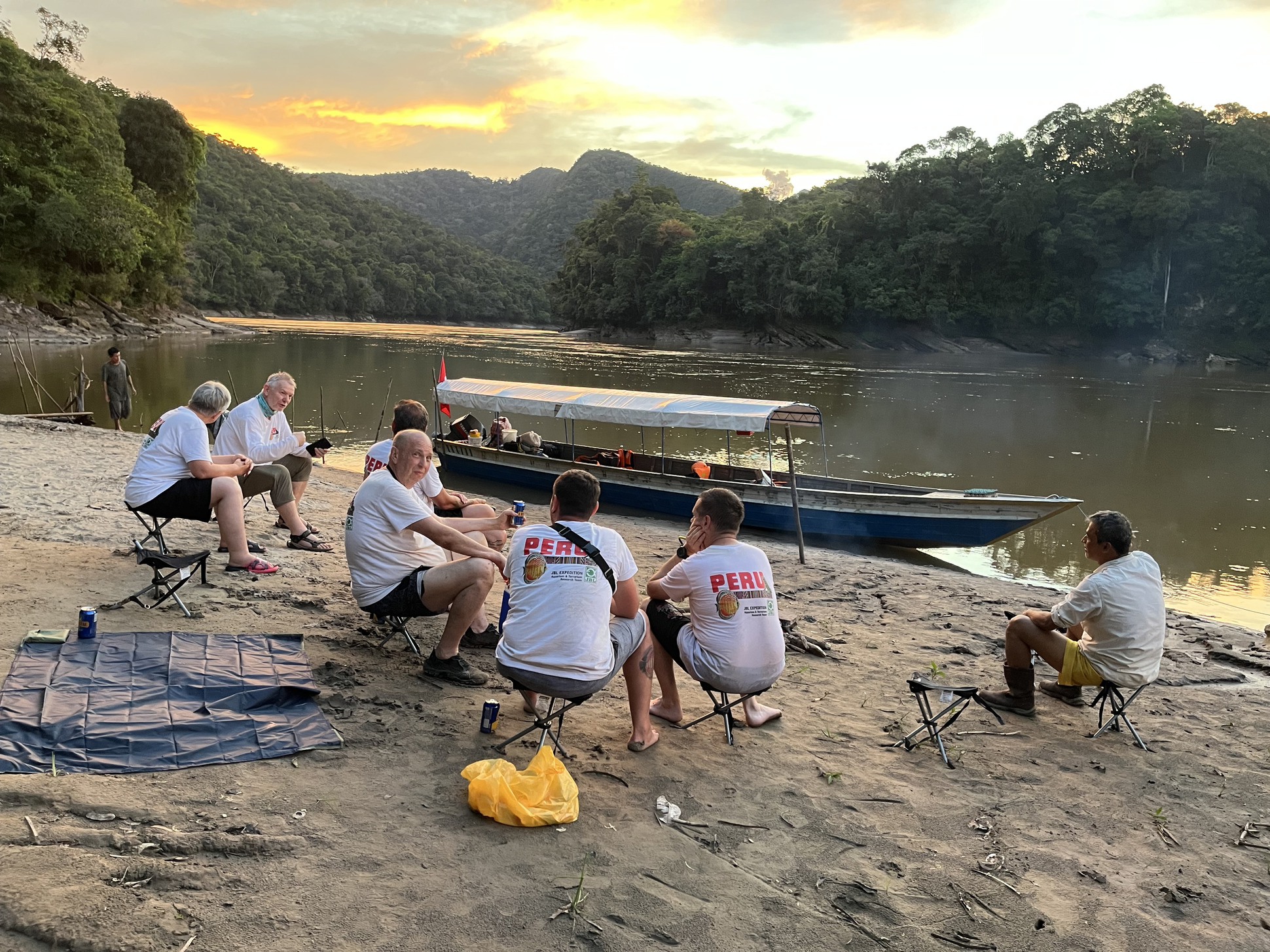
Unterschiedlicher können Ziele EINER Expedition kaum sein: Der Tieflandregenwald Amazoniens in der Nähe von Iquitos am Amazonas, Tarapoto – das Mekka der Pfeilgiftfroschfreunde und Kaltwasserflüsse aus den Anden sowie der Fluss Urubamba, direkt neben der Inkastadt Machu Picchu und zum Abschluss der Titicacasee. Was will man in Peru mehr machen?

    Zu den Diskusbuntbarschen bei Iquitos am Amazonas

    Iquitos ist die größte Stadt der Welt ohne Straßenanbindung – nur per Flugzeug oder Boot erreichbar und direkt in der Gabel zwischen Rio Nanay und dem Amazonas gelegen.

    Find out more

    Bei den Pfeilgiftfröschen und Gebirgsharnischwelsen im Dschungel bei Tarapoto

    Tarapoto: Noch nie gehört? Keine Sorge, nur Pfeilgiftfroschexperten rund um den Globus kennen diesen Ort.

    Find out more

    Erstmalige Beobachtung von Antennenwelsen in kalten Gebirgsbächen der Anden

    Nach der Ankunft in Cusco war eine kleine Stadtbesichtigung geplant. Die historische Inkastadt hat einiges zu bieten und schon der zentrale Platz im Zentrum ist wirklich sehenswert.

    Find out more

Information and consent to cookies & third-party content

We use technically necessary cookies/tools to offer, operate and secure this service. Furthermore ,with your express consent , we use cookies/tools for marketing, tracking, creating personalised content on third-party sites and for displaying third-party content on our website. You can revoke your consent at any time with effect for the future via the menu item ‘Cookie settings’.
By clicking on ‘Allow all’, you give us your express consent to the use of cookies/tools to improve the quality and performance of our service, for functional and personalised performance optimisation, to measure the effectiveness of our ads or campaigns, for personalised content for marketing purposes, including outside our website. This enables us to provide personalised online ads and extended analysis options about your user behaviour. This also includes accessing and storing data on your device. You can revoke your consent at any time with effect for the future via the menu item ‘Cookie settings’.
You can use the ‘Change settings’ button to grant and revoke individual consent to the cookies/tools and receive further information on the cookies/tools we use, their purposes and duration.
By clicking on ‘Only absolutely necessary’, only technically necessary cookies/tools are used.

Our data protection declaration tells you how we process personal data and what purposes we use the data processing for.

PUSH messages from JBL

What are PUSH messages? As part of the W3C standard, web notifications define an API for end-user notifications that are sent to the user's desktop and/or mobile devices via the browser. Notifications appear on the end devices as they are familiar to the end user from apps installed on the device (e.g. emails). Notifications appear on the end user’s device, just like an app (e.g. for emails) installed on the device.

A notification makes it possible to inform the user about an event outside the context of a website, such as a new blog post, a competition or a voucher.

These notifications enable a website operator to contact its users whenever they have a browser open - it doesn’t matter whether the user is currently visiting the website or not.

To be able to send web push notifications, all you need is a website with a web push code installed. This allows brands without apps to take advantage of many of the benefits of push notifications (personalised real-time communications at just the right moment).

Web notifications are part of the W3C standard and define an API for end user notifications. A notification makes it possible to inform the user about an event, such as a new blog post, outside the context of a website.

JBL GmbH & Co. KG provides this service free of charge, and it is easy to activate or deactivate.