Peru 2025

back to the worldmap overview

Echsen & Stabschrecken in den Ruinen von Machu Picchu

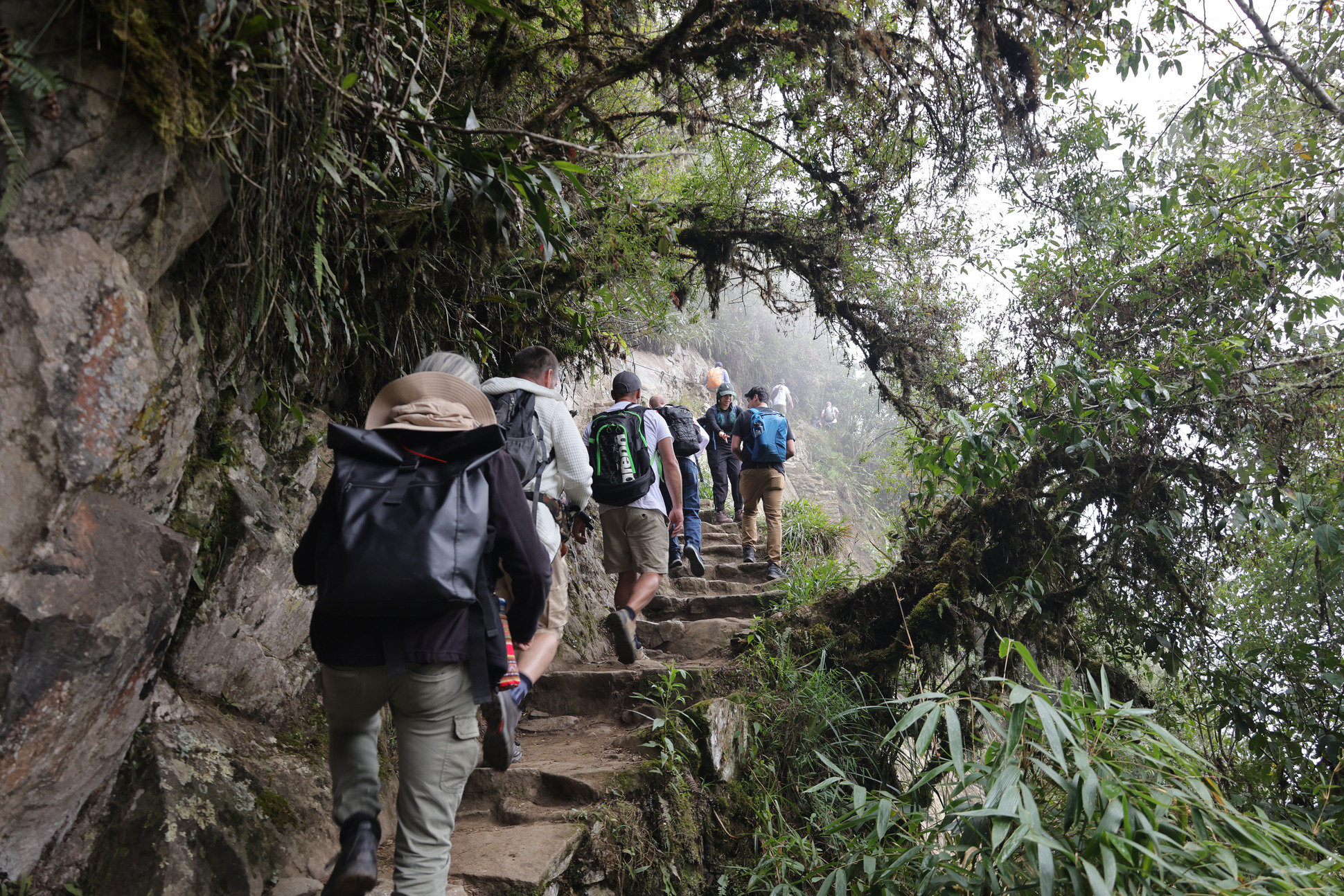
Am nächsten Morgen ging es früh zu den Bussen, die alle Besucher vom Ort auf 2.000 m zu den auf 2.400 m hoch gelegenen Ruinen bringen. Davor heißt es aber geduldig in einer endlosen Schlange warten, bevor es in einen der vielen rotierenden Busse geht. In vielen Serpentinen geht es zum Eingang. Zu Fuß kann man auch hoch gehen, aber nicht jeder hat wirklich Lust auf die 1.900 steilen Stufen.

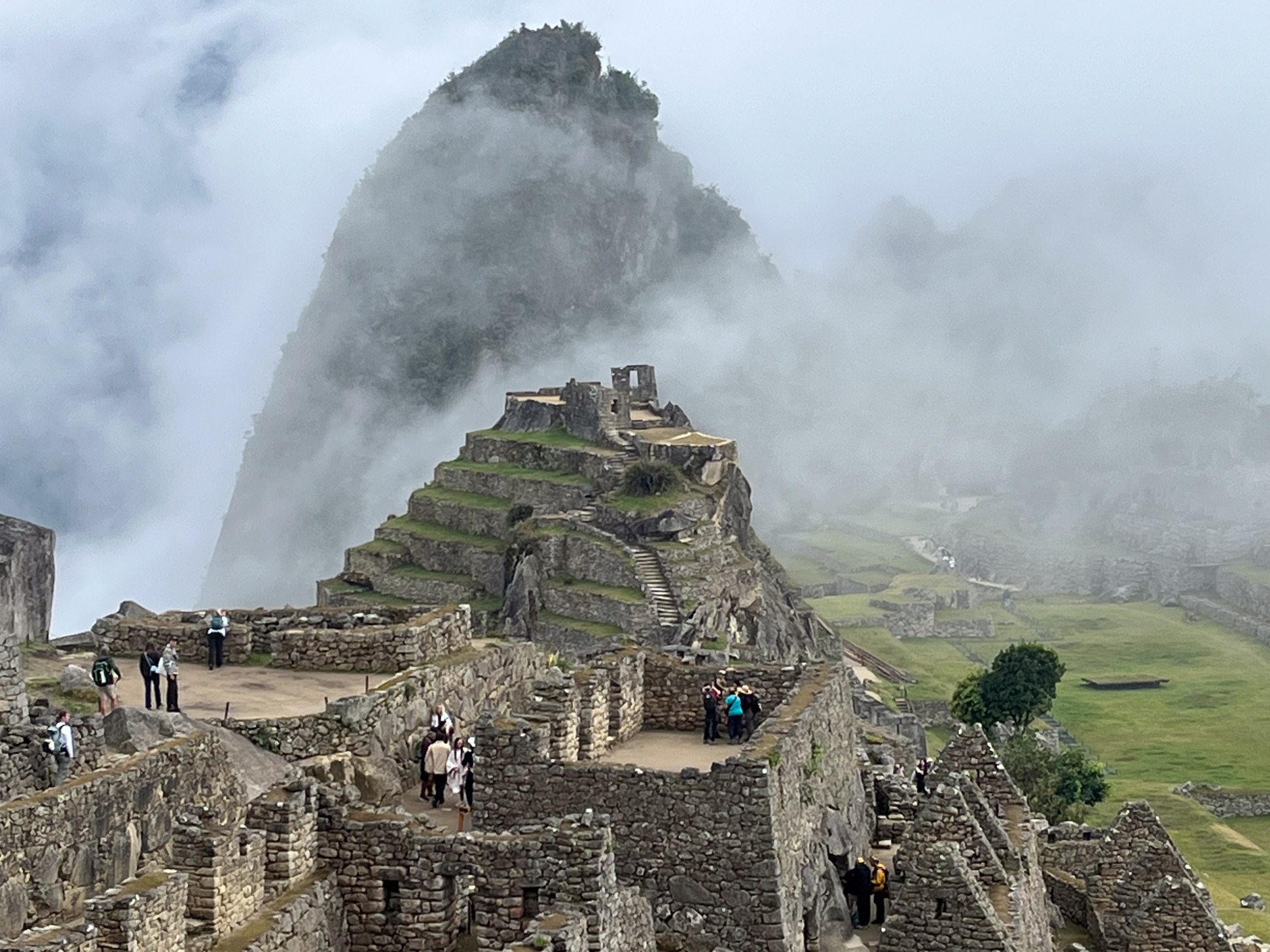
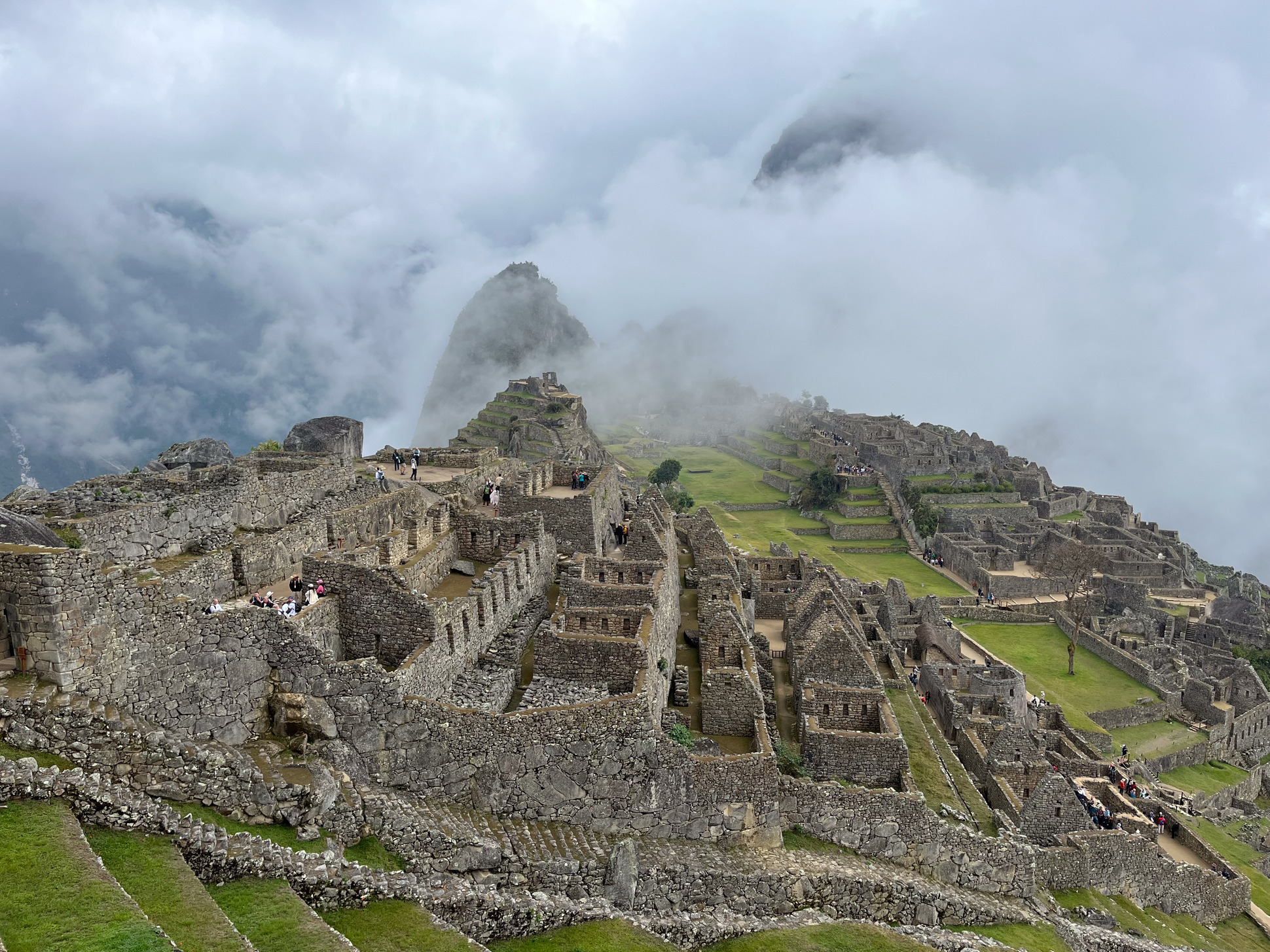
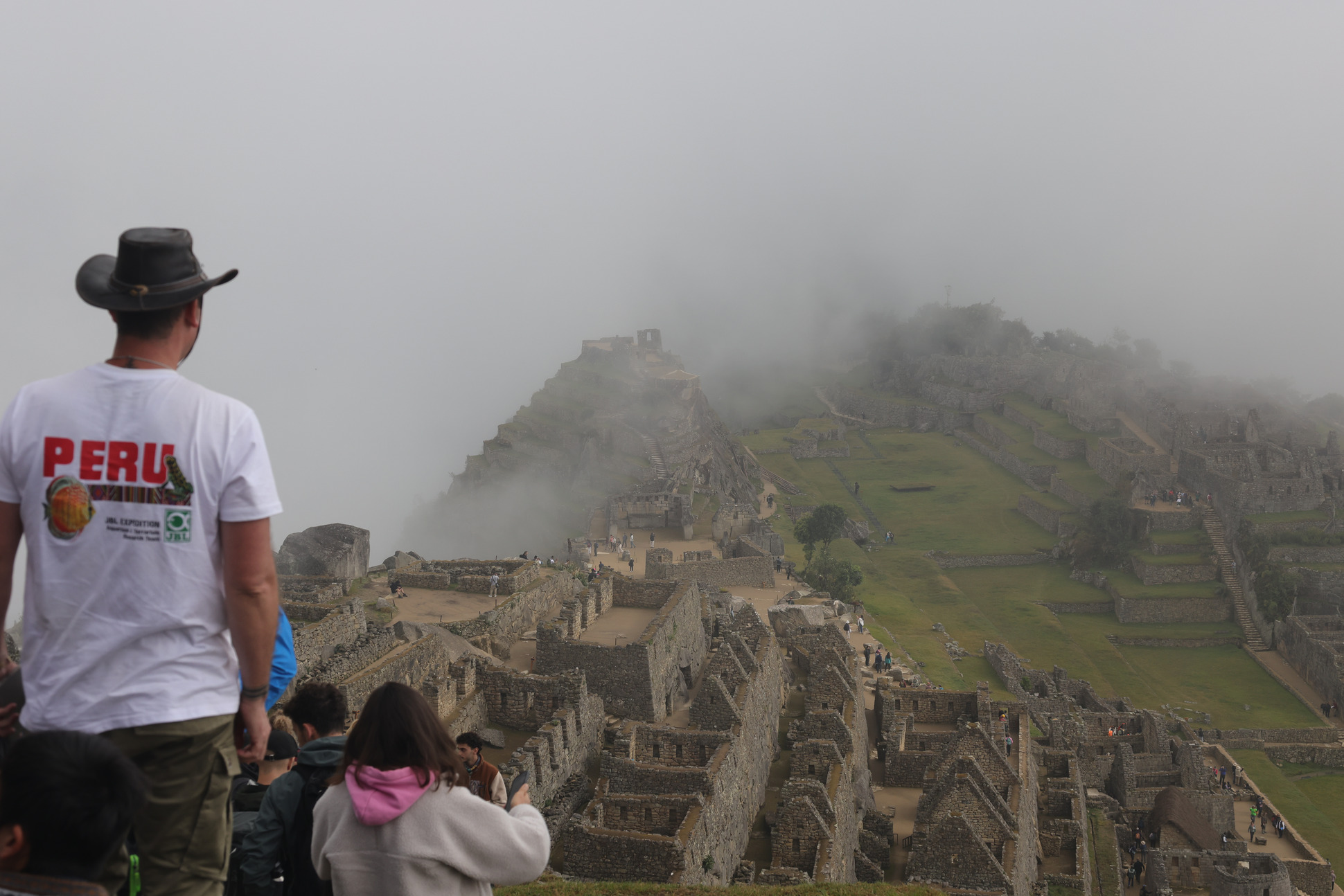
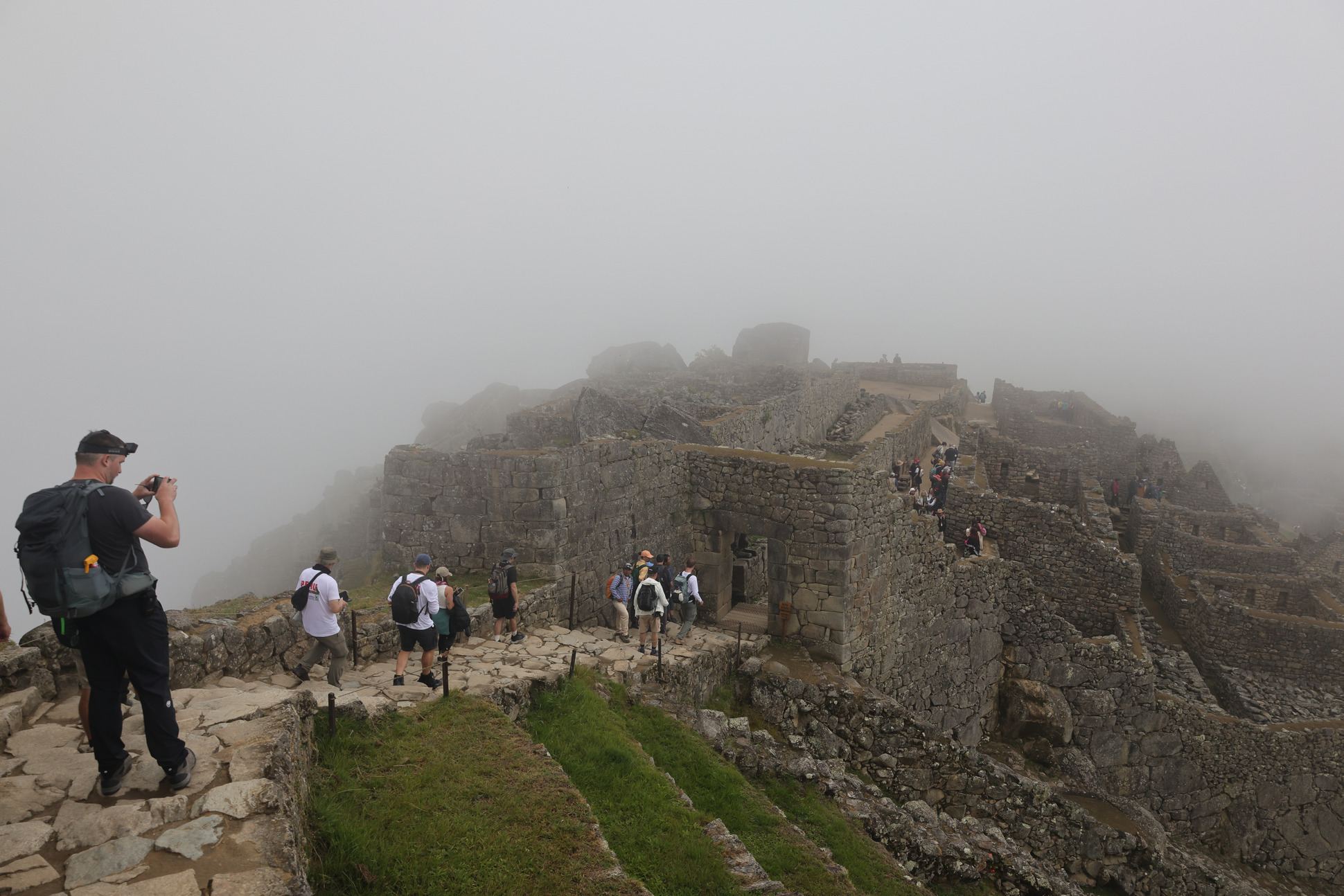
Die Ruinen verbargen sich zu Anfang noch in Wolken und Nebel. Erst im Laufe des Vormittages kam die Sonne durch und lies den Blick auf die weltberühmte Ruinenstadt der Inkas bzw. Quechuas zu, wie die Bewohner hießen. Inkas wurden nur die Könige genannt.

Auch wenn wirklich viele Menschen in den Ruinen mit ihren Guides umherliefen, war es sehr beeindruckend. Man dachte an das Leben der Inkas und Quechuas, die damals eine funktionierende Wasserversorgung bauten, die heute noch läuft! Man dachte an Hiram Bingham, der die Ruinen zwar nicht entdeckte, aber deren Bedeutung erfasste und sie 1911 der Welt bekannt machte. Es war eine Art Zeitreise zwischen sorgsam behauenen Steinen, die zentimetergenau bearbeitet und eingepasst wurden.

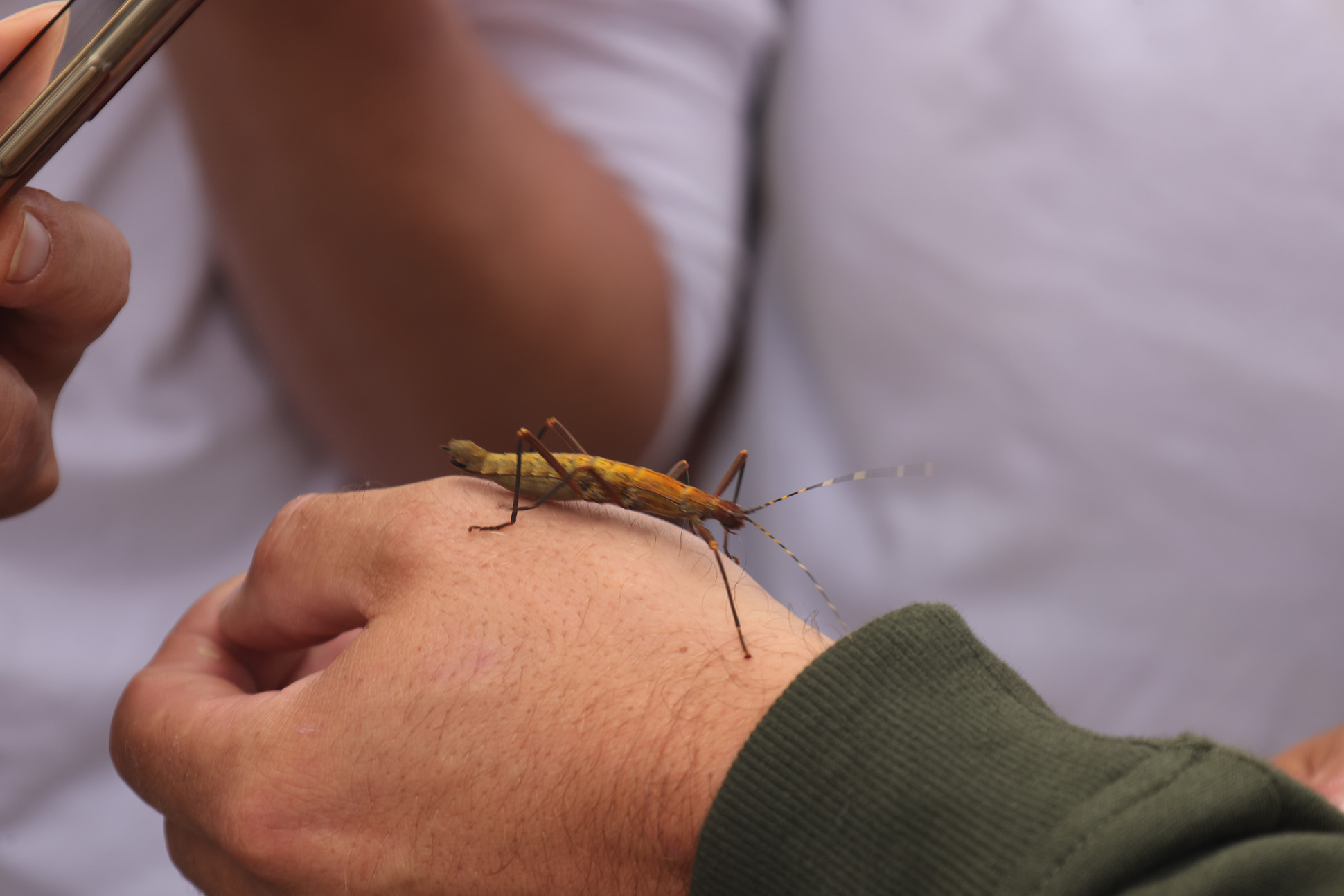
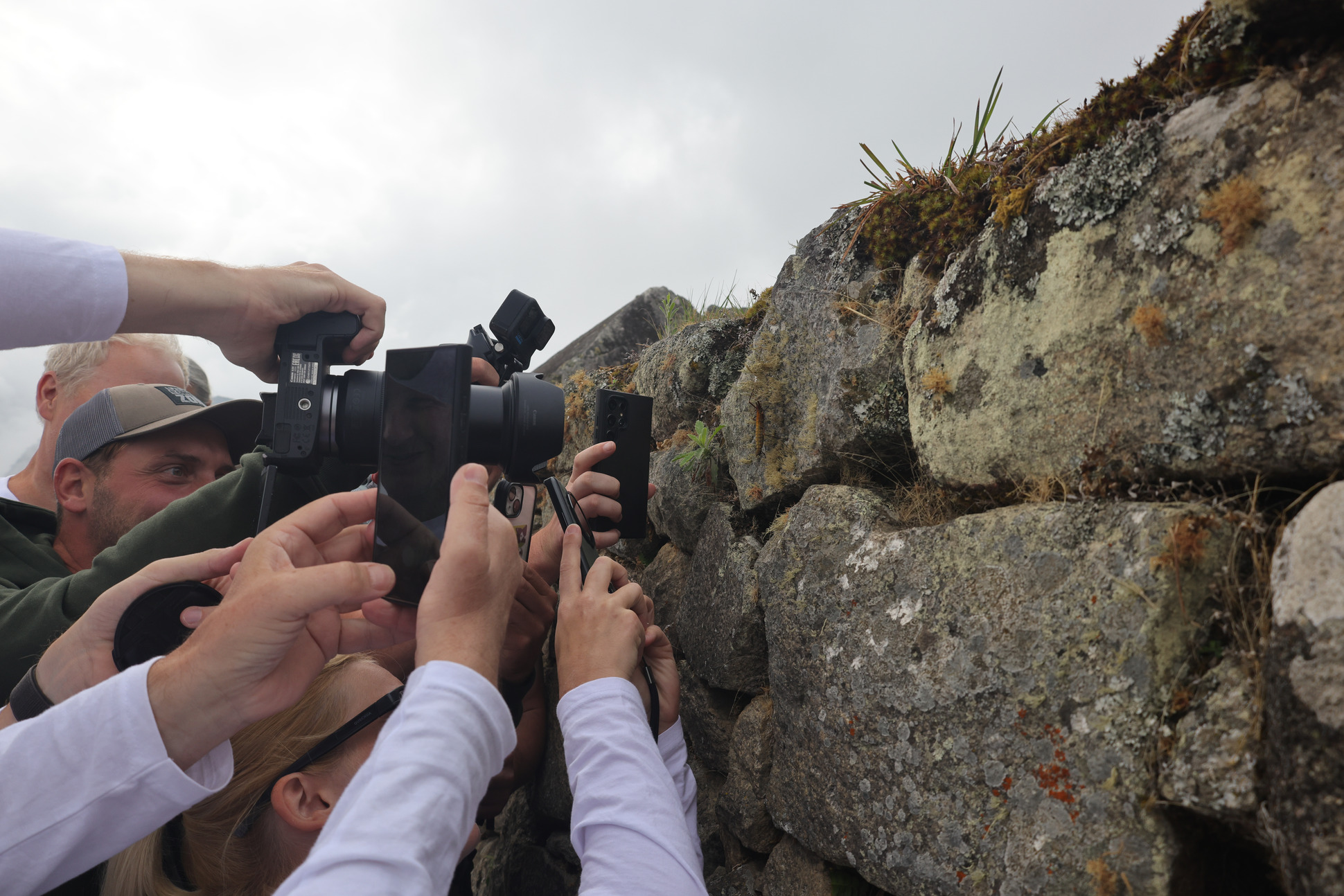
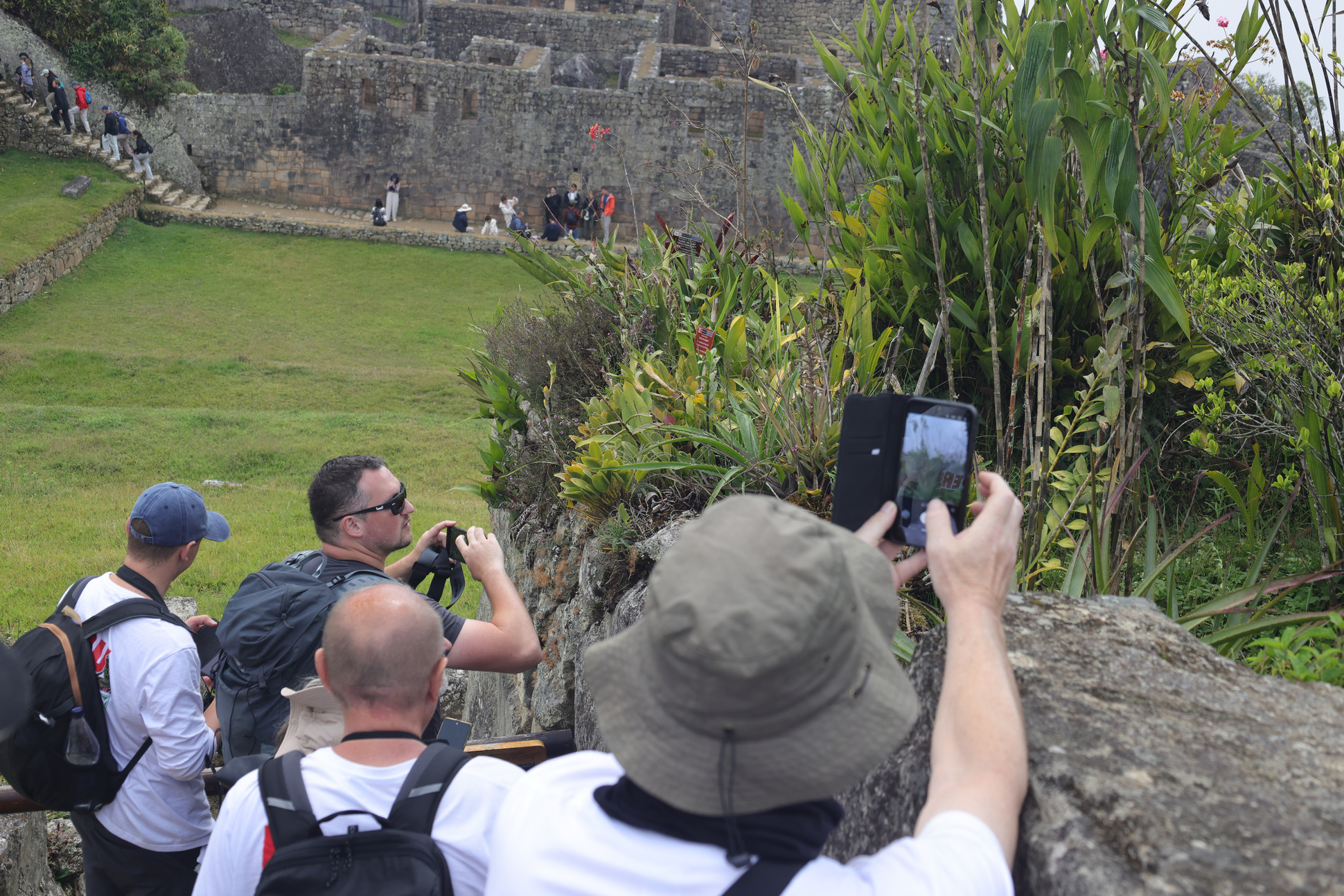
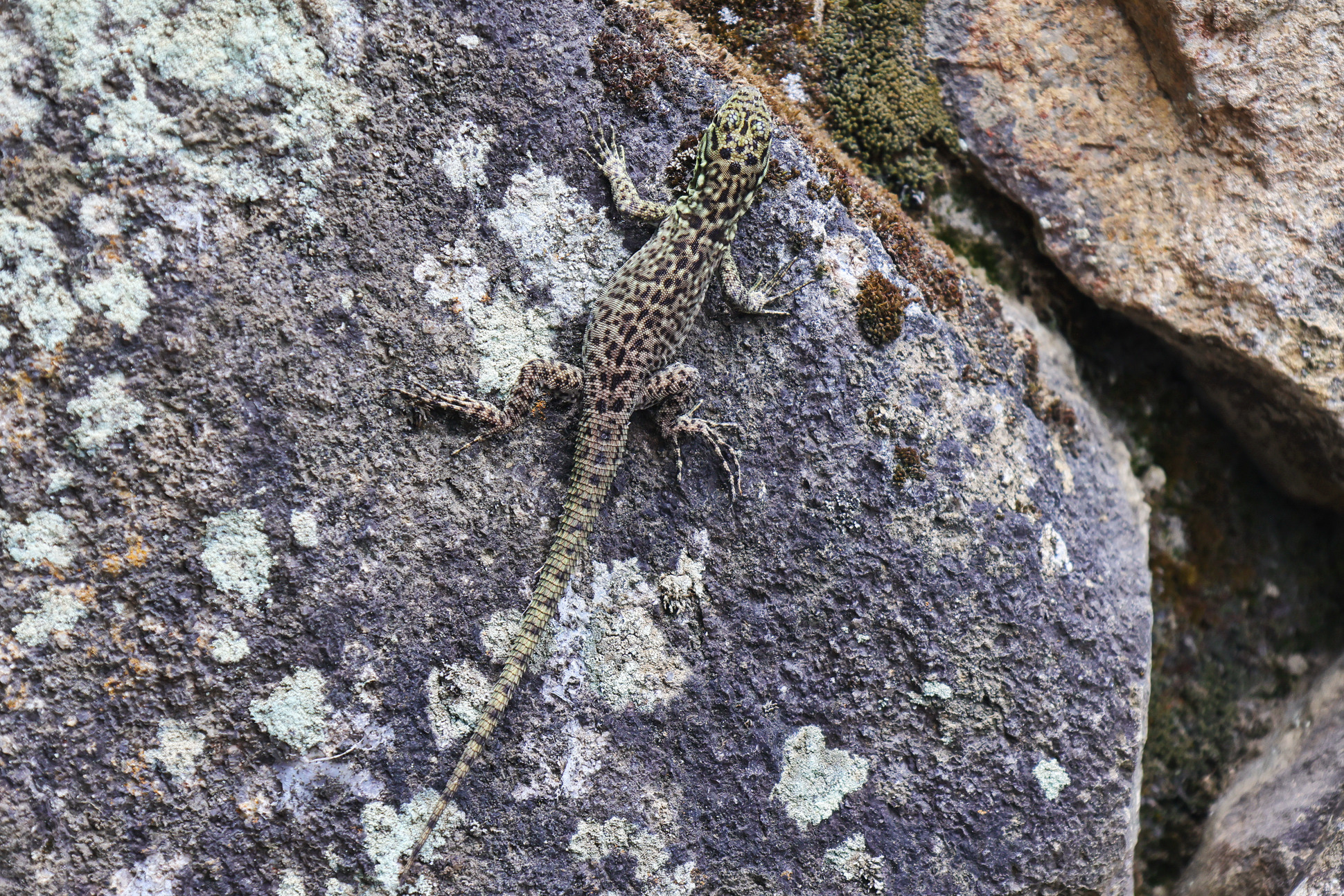
Das Team wäre kein Forschungsteam, wenn es nicht manchmal anders wäre als andere Menschen: Jedes Pflänzchen wurde begutachtet und wenn möglich auch bestimmt. Wenn ein Tier, egal wie klein, gesichtet wurde, geriet das Team vollkommen in Ekstase. Wirklich jeder musste dann ein Foto der Stabschrecke oder Echse machen. Als Expeditionsleiter war man dann schon ein wenig stolz auf den verrückten Haufen 😊. Übrigens wurden 2022 zwei neue Echsenarten bei Macchu Picchu entdeckt. Eine wurde nach dem Filmhelden Optimus Prime aus Transformers benannt.

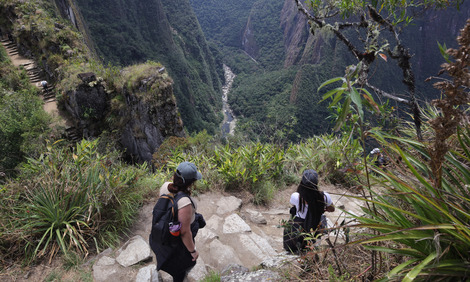
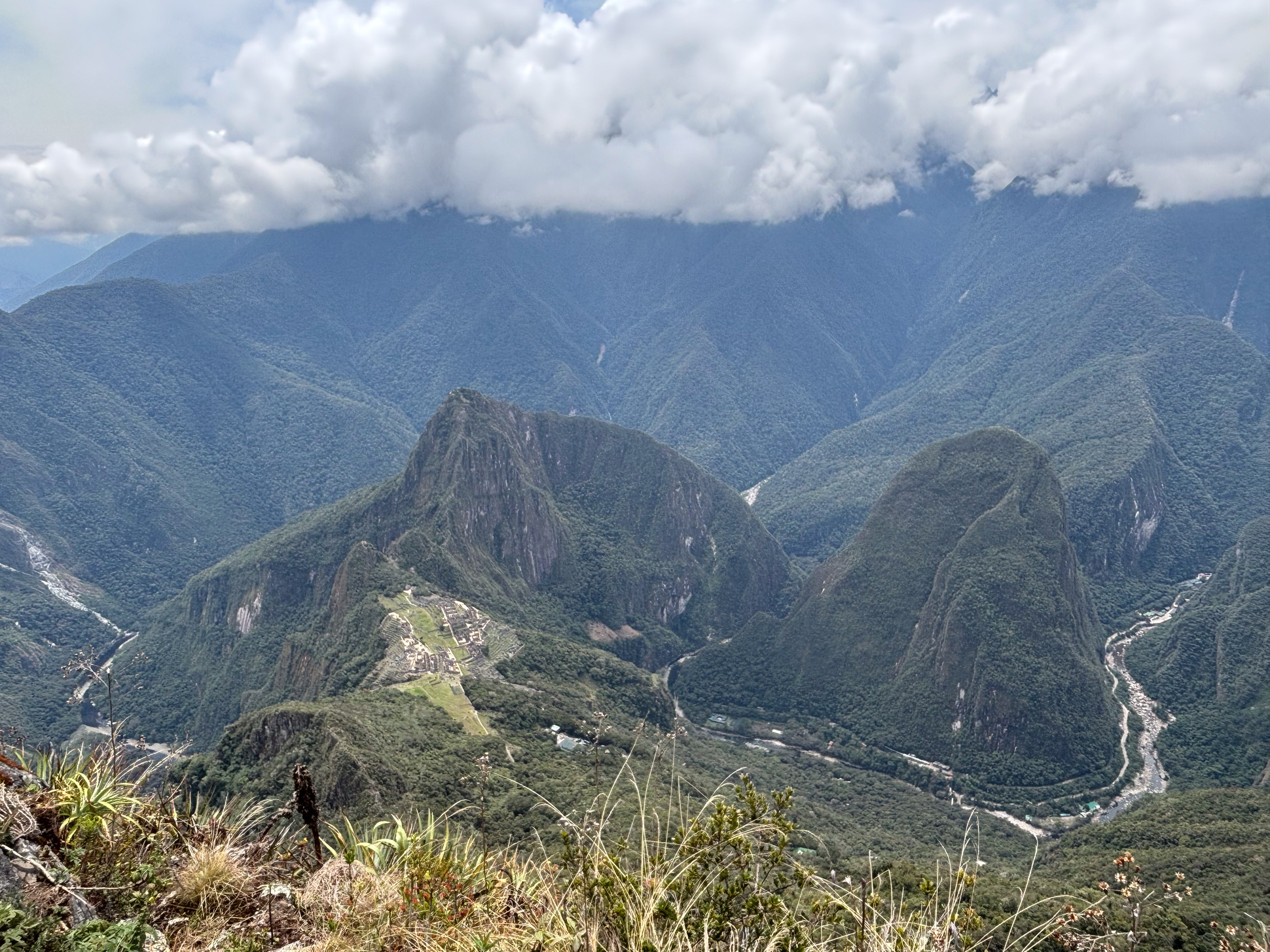
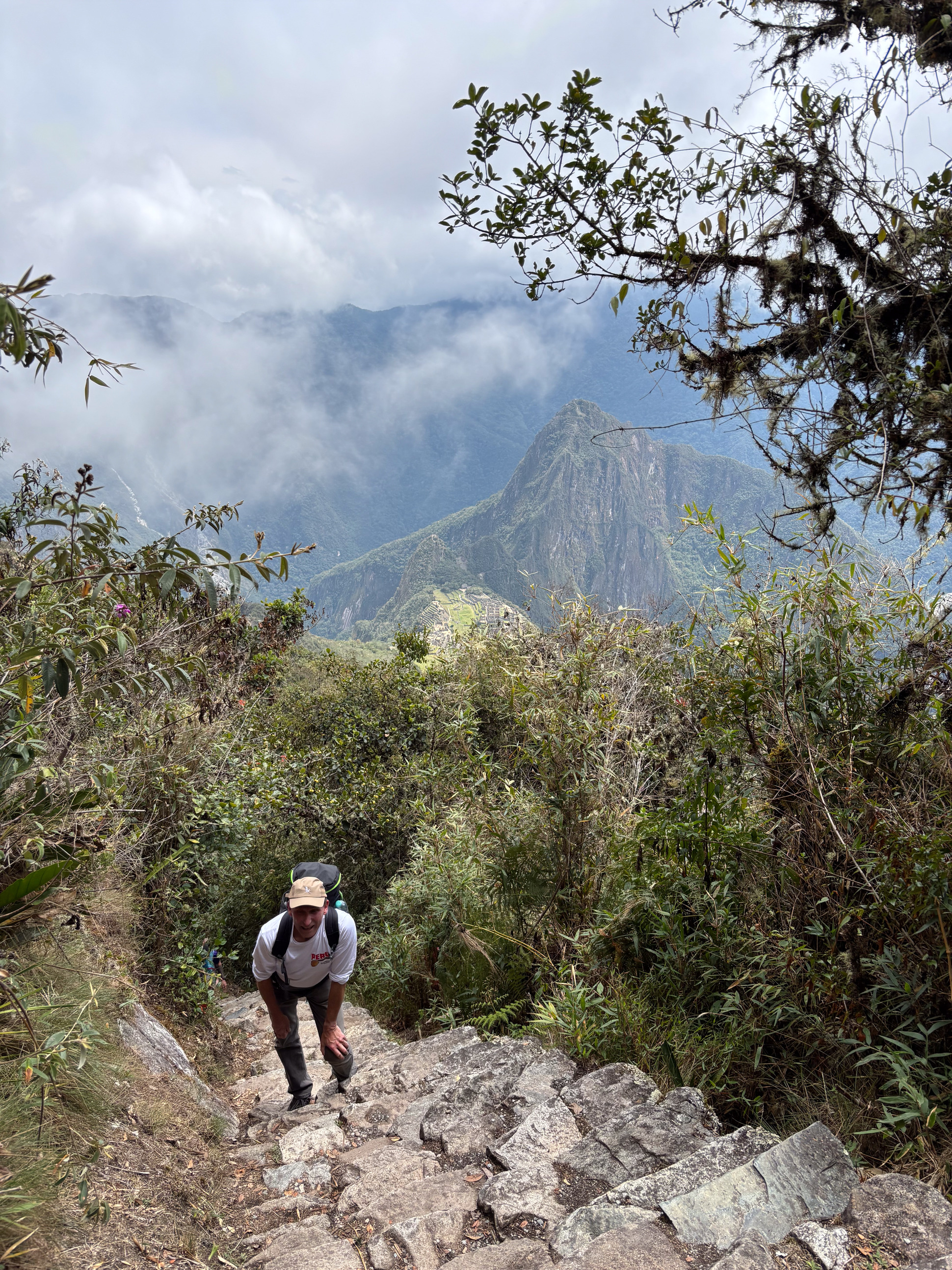
Einige hatten im Vorfeld den Aufstieg auf den Machu Picchu Berg oder den Huayna Picchu Berg gebucht und machten sich an die Aufstiege. Der Machu Picchu Mountain ist mit 2.430 m der etwas flachere der beiden, bietet dafür aber den berühmten Ausblick auf die Ruinenstadt.

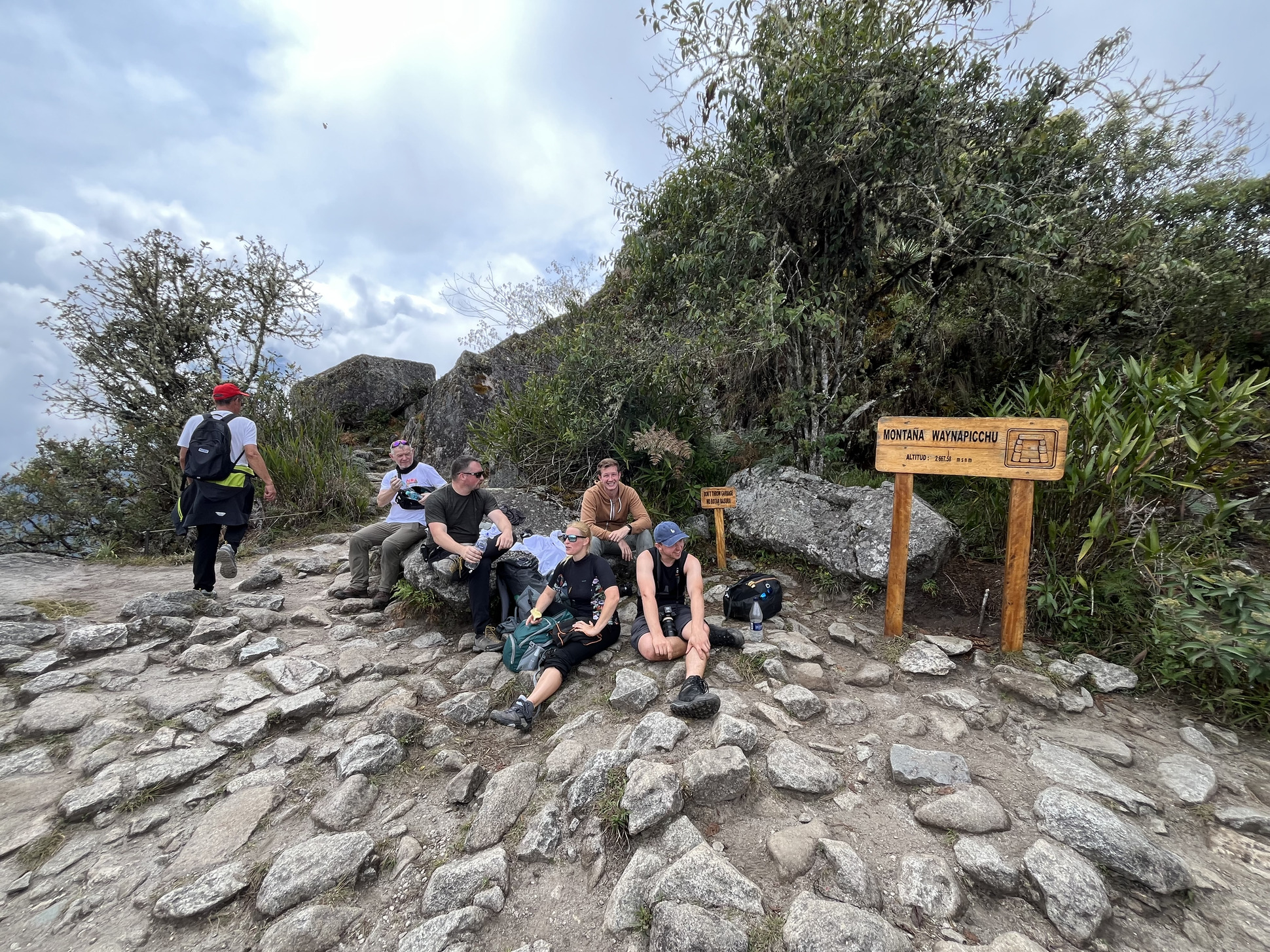
Der Huayna oder Wayna Picchu ist mit 2.693 m etwas höher und seine Treppen sind als Escalera del Muerto (Treppen des Todes) berühmt-berüchtigt. Die meisten Teammitglieder erreichten die Gipfel und konnten eindrucksvolle Fotos schießen, als die Wolken sich verzogen hatten.

Nach der ausgiebigen Besichtigung der Ruinen und Berge ging es per Bus wieder in den Ort, etwas Essen und per Bahn zurück ins Heilige Tal. Ein paar Tage nach unserem Besuch ereignete sich ein schweres Zugunglück auf der Bahnstrecke, bei der zwei Züge kollidierten. Wir hatten einfach Glück gehabt.

Information and consent to cookies & third-party content

We use technically necessary cookies/tools to offer, operate and secure this service. Furthermore ,with your express consent , we use cookies/tools for marketing, tracking, creating personalised content on third-party sites and for displaying third-party content on our website. You can revoke your consent at any time with effect for the future via the menu item ‘Cookie settings’.
By clicking on ‘Allow all’, you give us your express consent to the use of cookies/tools to improve the quality and performance of our service, for functional and personalised performance optimisation, to measure the effectiveness of our ads or campaigns, for personalised content for marketing purposes, including outside our website. This enables us to provide personalised online ads and extended analysis options about your user behaviour. This also includes accessing and storing data on your device. You can revoke your consent at any time with effect for the future via the menu item ‘Cookie settings’.
You can use the ‘Change settings’ button to grant and revoke individual consent to the cookies/tools and receive further information on the cookies/tools we use, their purposes and duration.
By clicking on ‘Only absolutely necessary’, only technically necessary cookies/tools are used.

Our data protection declaration tells you how we process personal data and what purposes we use the data processing for.

PUSH messages from JBL

What are PUSH messages? As part of the W3C standard, web notifications define an API for end-user notifications that are sent to the user's desktop and/or mobile devices via the browser. Notifications appear on the end devices as they are familiar to the end user from apps installed on the device (e.g. emails). Notifications appear on the end user’s device, just like an app (e.g. for emails) installed on the device.

A notification makes it possible to inform the user about an event outside the context of a website, such as a new blog post, a competition or a voucher.

These notifications enable a website operator to contact its users whenever they have a browser open - it doesn’t matter whether the user is currently visiting the website or not.

To be able to send web push notifications, all you need is a website with a web push code installed. This allows brands without apps to take advantage of many of the benefits of push notifications (personalised real-time communications at just the right moment).

Web notifications are part of the W3C standard and define an API for end user notifications. A notification makes it possible to inform the user about an event, such as a new blog post, outside the context of a website.

JBL GmbH & Co. KG provides this service free of charge, and it is easy to activate or deactivate.