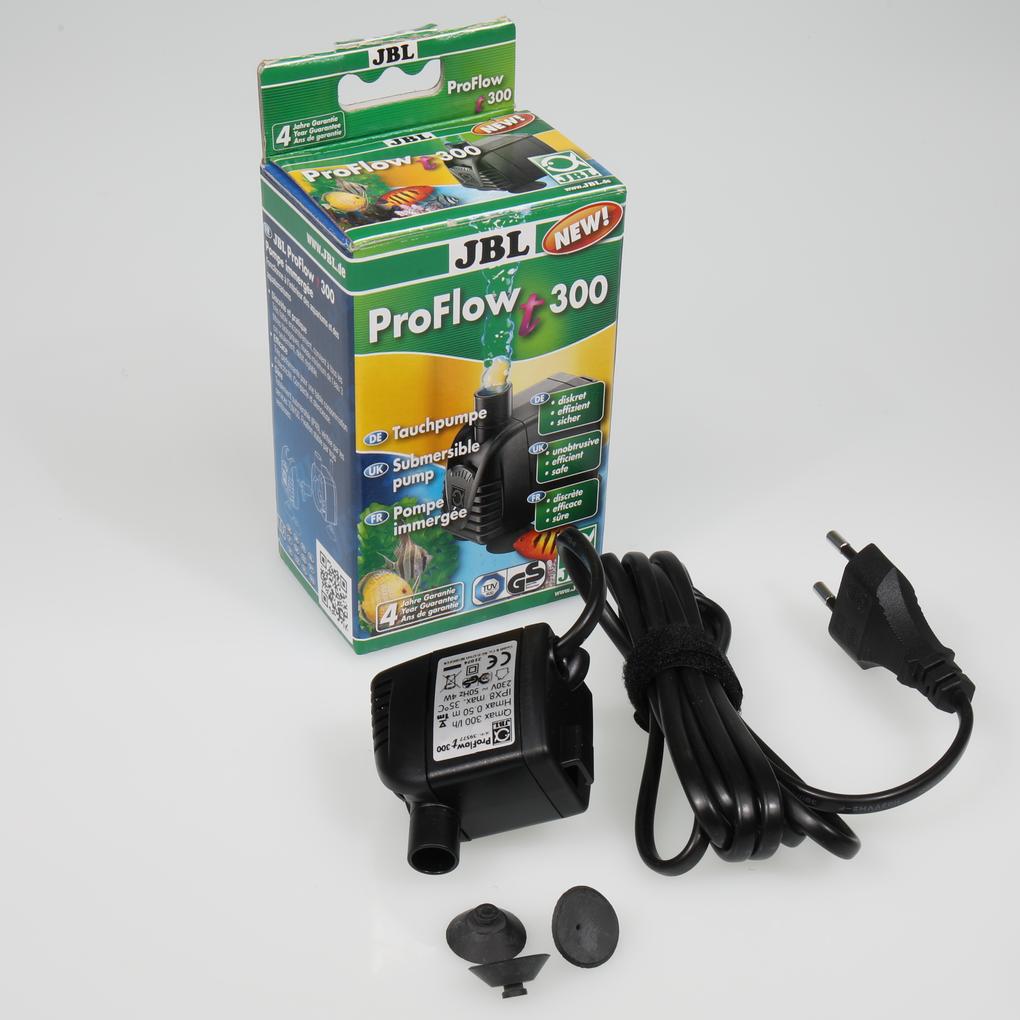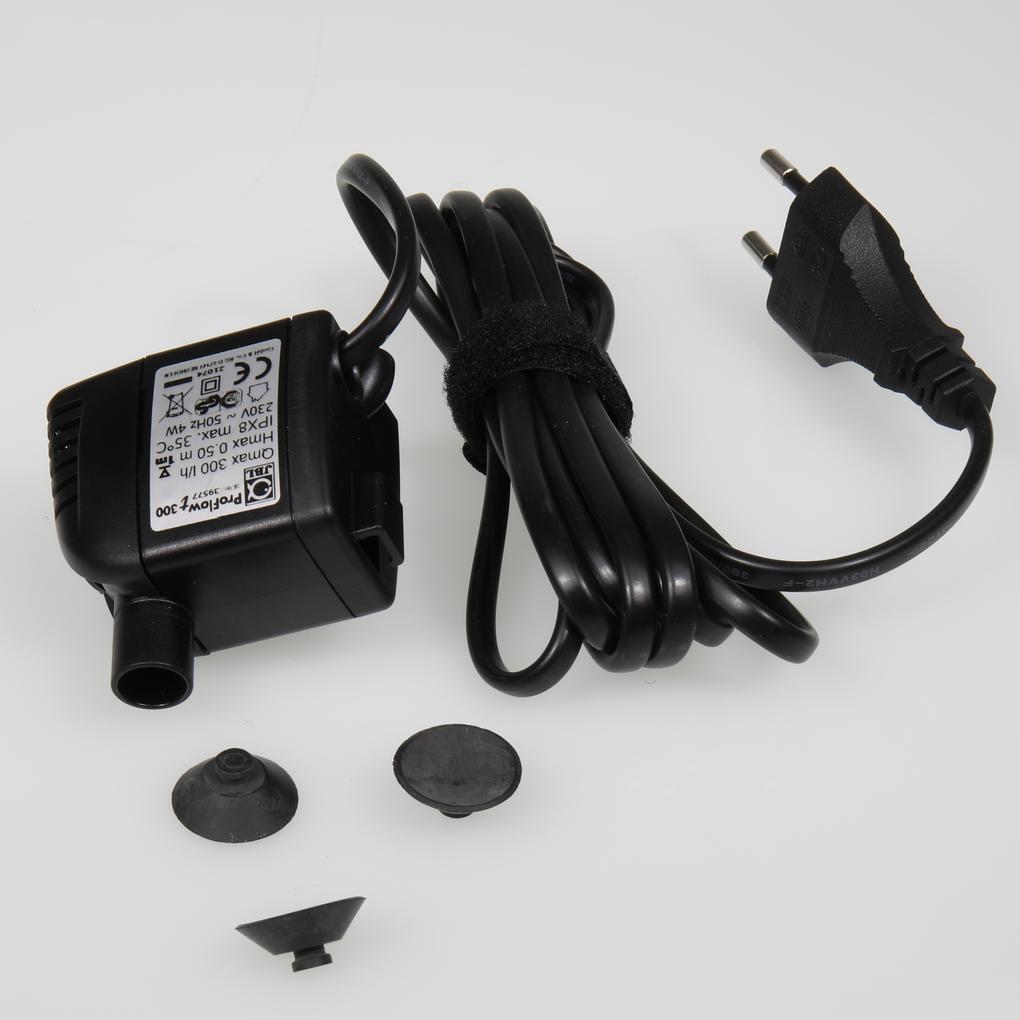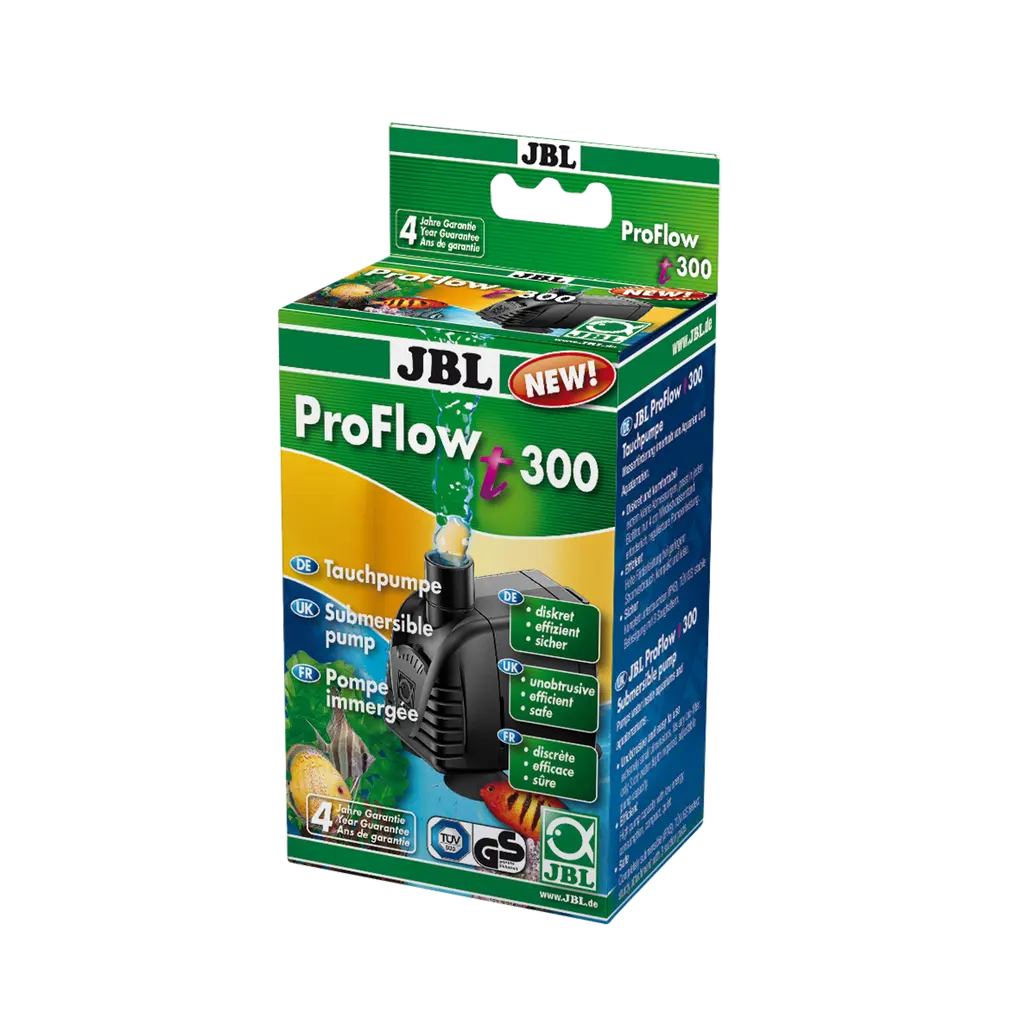
JBL ProFlow t300

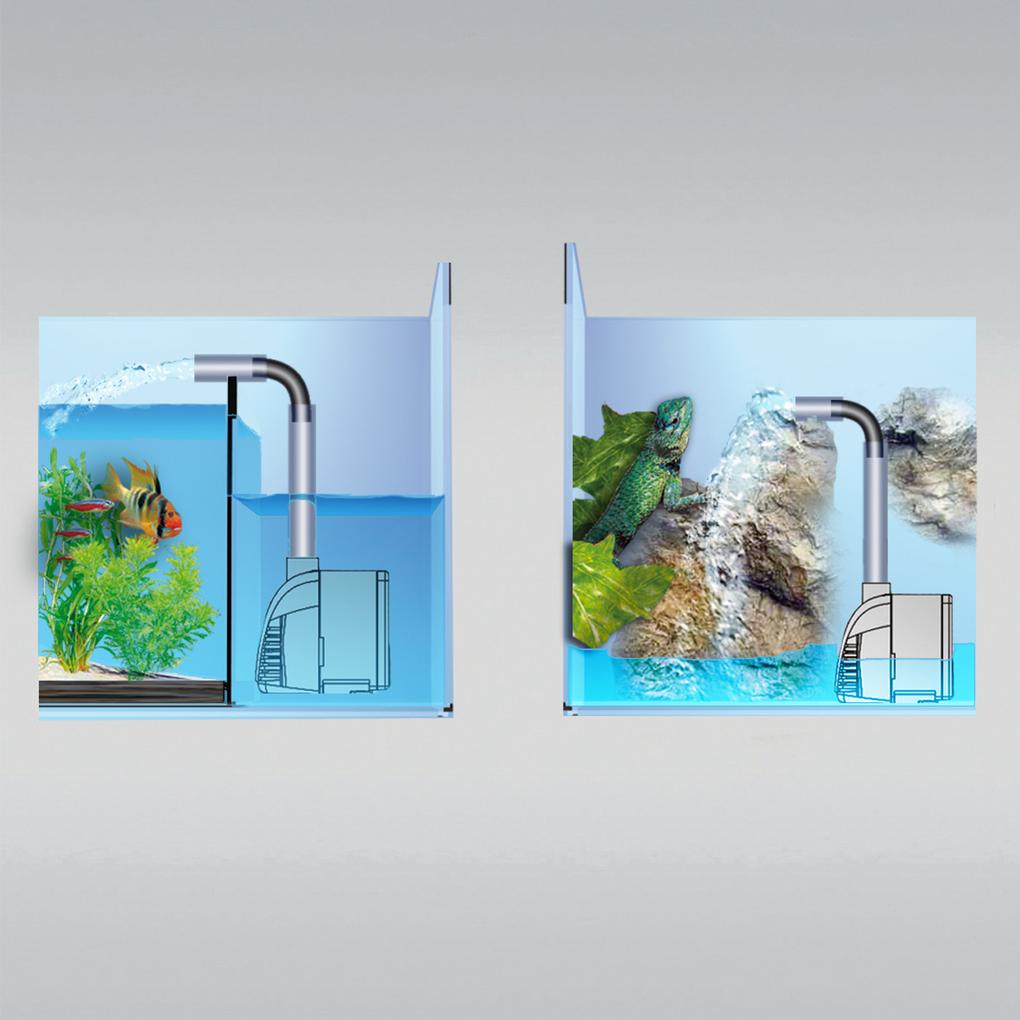
Čistá a zdravá voda: Ponorné čerpadlo s výkonem 80–300 l/h pro cirkulaci vody v akváriích a akvateráriích. Použití pro biofiltry, pokojové fontány nebo jako fontána.
Item no. 6058000

26.58 EUR

Price incl. 21 VAT plus Delivery
Skladem – doručení do 1–3 pracovních dnů
Shop locator

Product features

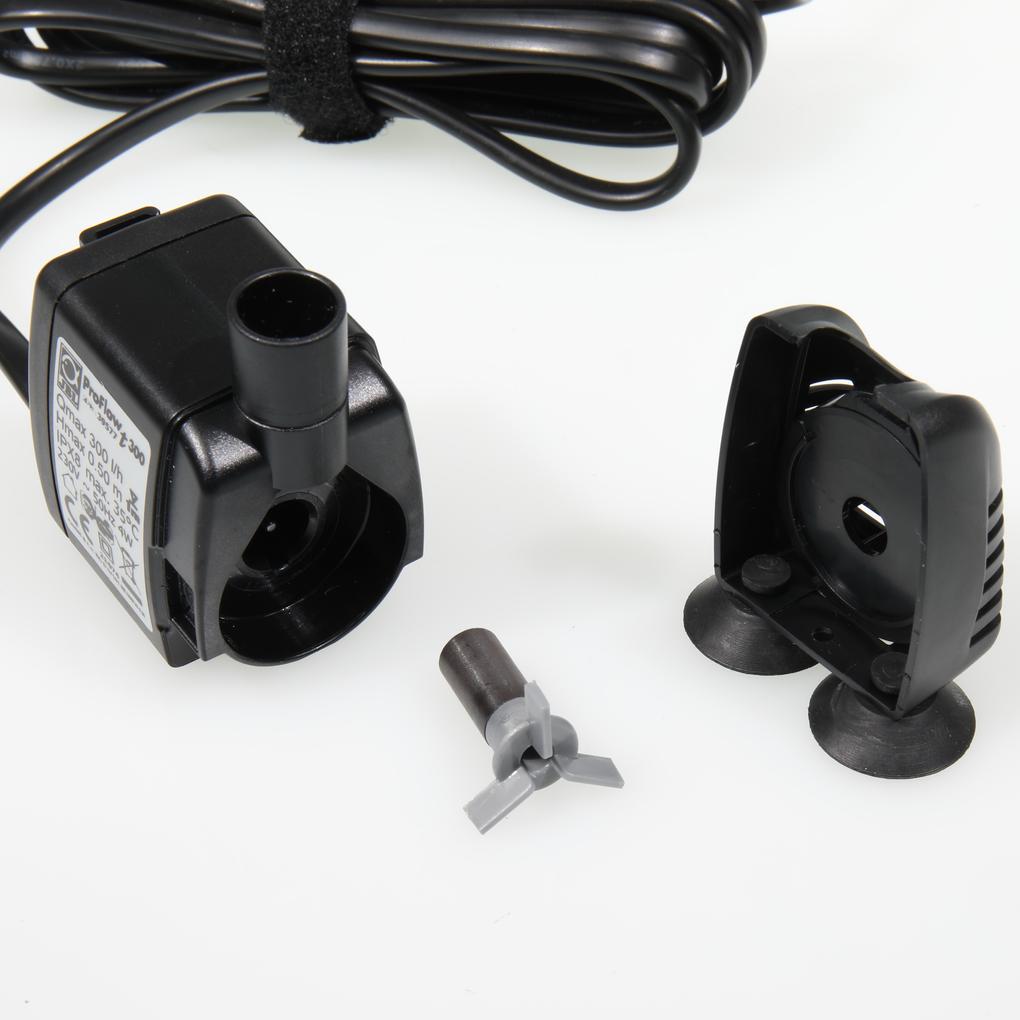
  • Čistá a zdravá voda: Ponorné čerpadlo s 80 – 300 l/h výkonu pro oběh vody v akváriu a akvateráriu. Používání pro biofiltry, pokojové a jiné fontánky
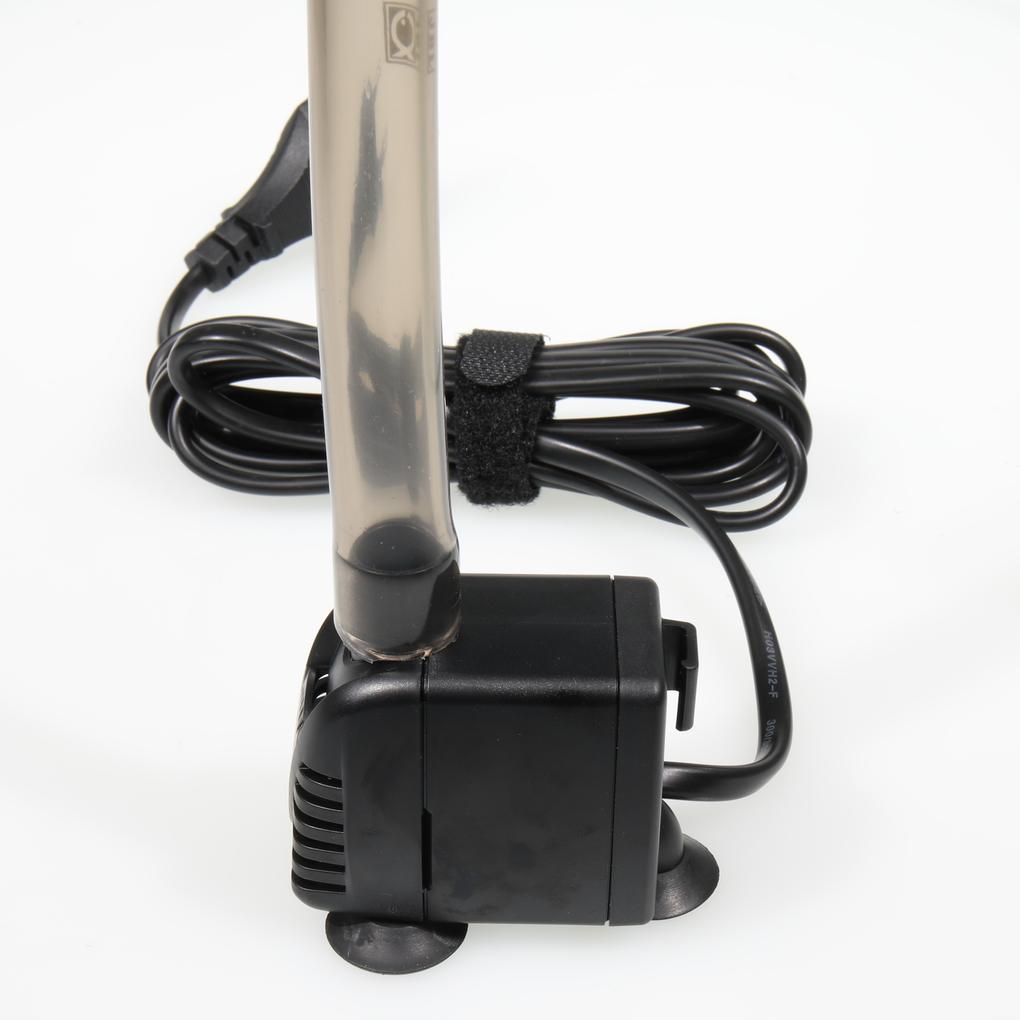
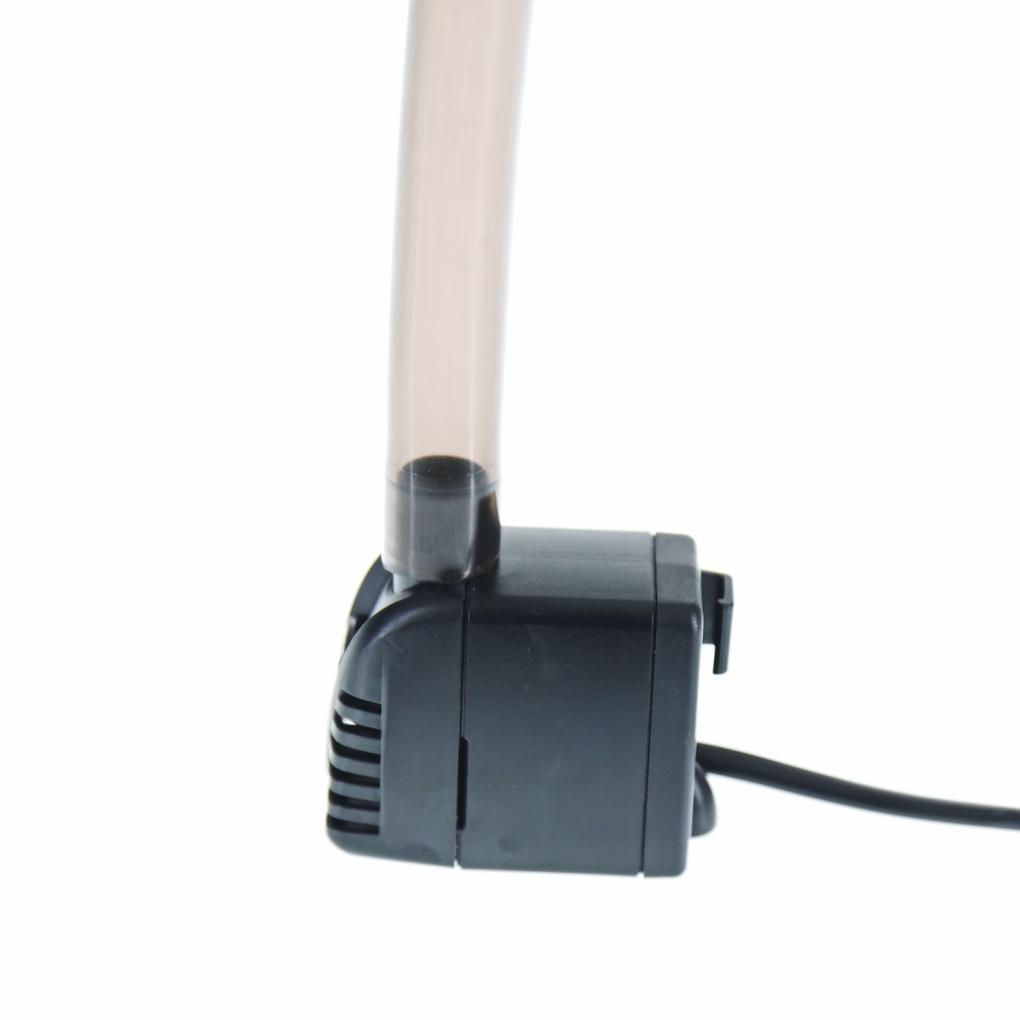
  • Snadná instalace: Připojte hadici nebo trubku s výstupem 12/16 k čerpadlu (koncovka volitelná), vložte do akvária /akvaterária, připojte síťovou zástrčku
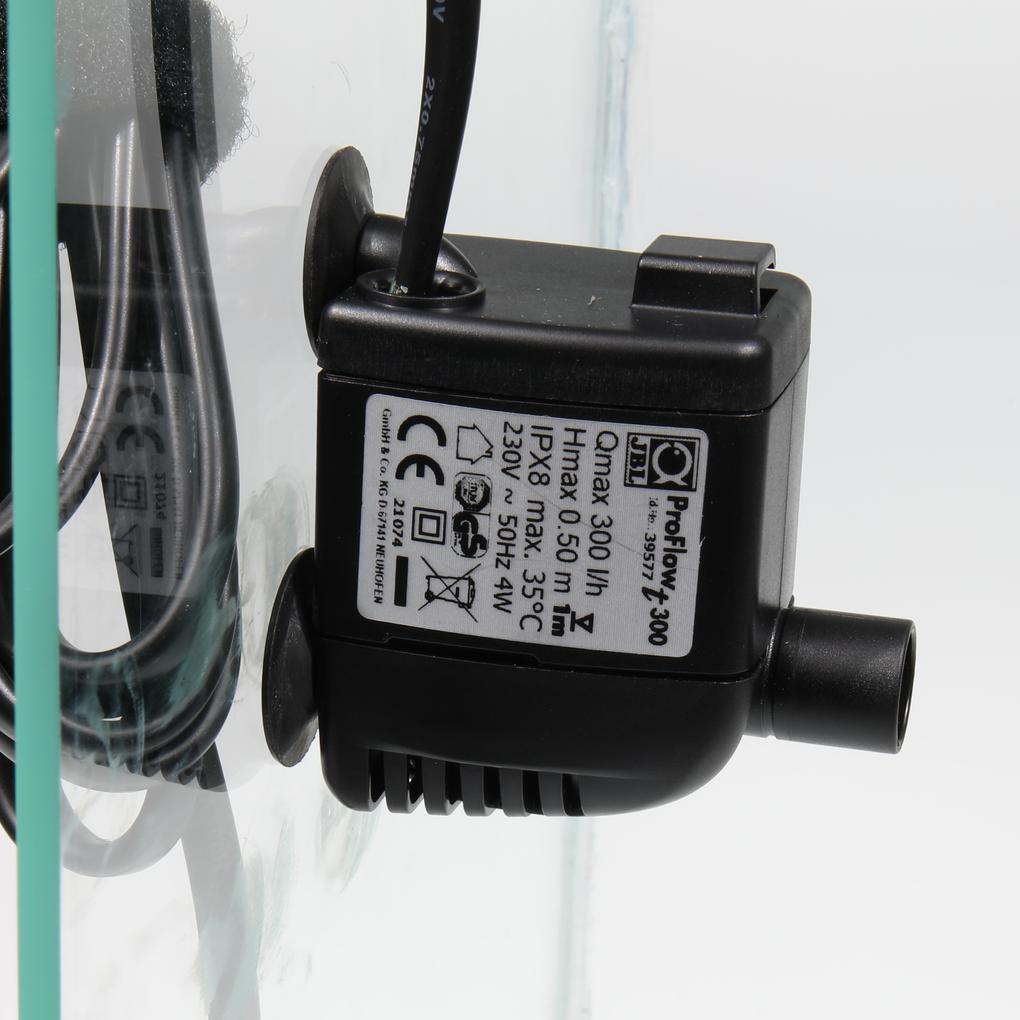
  • Potřebný stav vody 4 cm: Vhodné pro každý biofiltr, použití jako pokojová fontána nebo fontána, regulovatelný výkon čerpadla, nerezová osa z ušlechtilé oceli, max. čerpací výkon 0,5 m
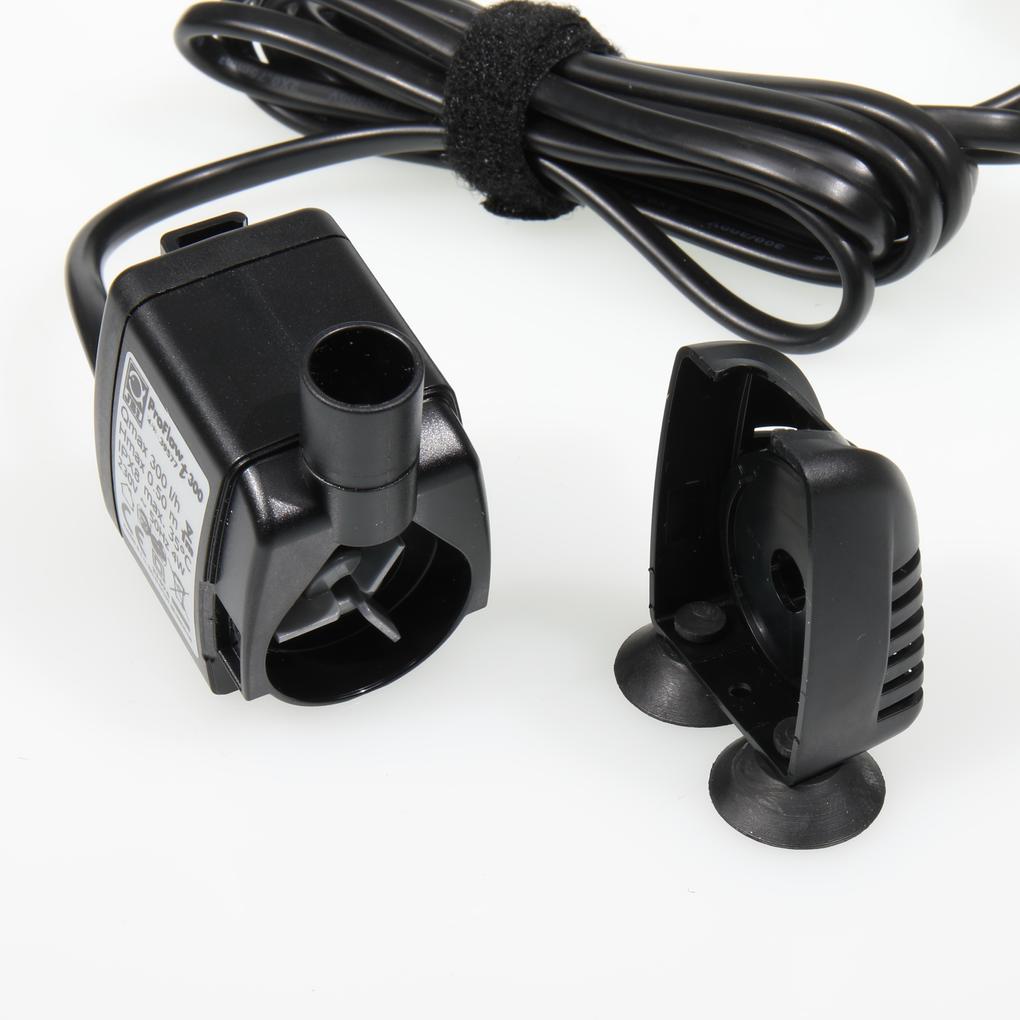
  • Schváleno TÜV, nízká spotřeba energie 4 W, lze kompletně ponořit (IPX8), stabilní upevnění 3 přísavkami
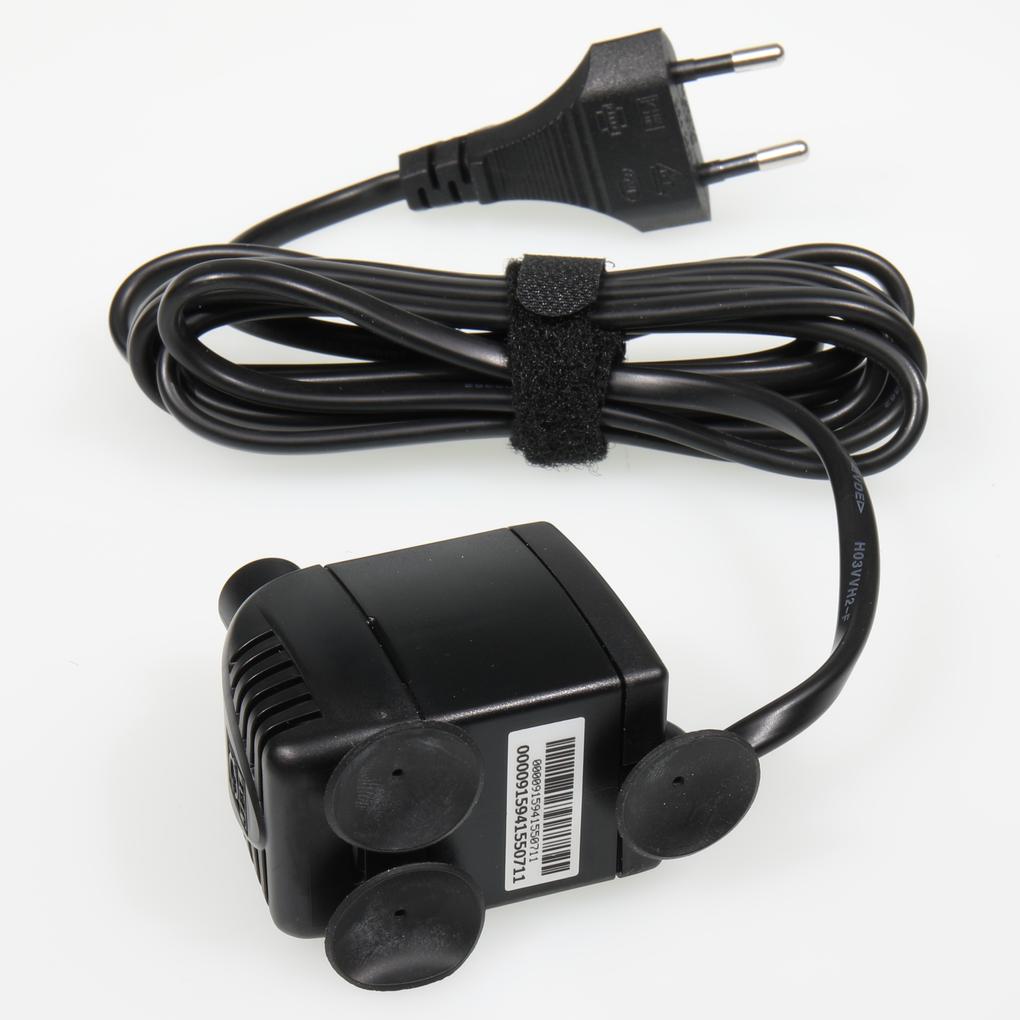
  • Balení obsahuje: Ponorné čerpadlo k čerpání vody, rozměry (d/v/š): 36 x 58 mm, vč. 3 přísavek

Noch offene Fragen?

In unserem FAQ‑Bereich findet ihr Antworten auf die am häufigsten gestellten Fragen. Solltet ihr hier nicht fündig werden, zögert bitte nicht, uns direkt zu kontaktieren – wir helfen euch gerne weiter.

  • Is the JBL ProFlow self-priming when it is operated outside of the tank?

    No, the ProwFlow pumps are not self-priming.

    War diese Antwort hilfreich?
  • Wear on the impeller - When should I replace it?

    There is no general answer to this question. As with a car tyre, the duration and intensity of use is decisive. Many customers use the impellers for several years without any noticeable change. Heavy use of the impeller results in a shorter service life. With a car, you know the wear and tear caused by heavy braking, mechanical damage and many kilometres driven. The following factors apply to an impeller: 1. Running time in hours 2. Throttling of the flow rate (max. 50 %) and thus lower cooling capacity 3. Dry running during water change (see 2.) 4. Mechanical damage (e.g. by snails, improper installation after removal, ...) 5. Heavy soiling As it is a wearing part, the impeller is not covered by the warranty. For a long service life, you need to clean it regularly. This will prevent increased running noises. The impeller housing, the impeller and the shaft can be cleaned with a suitable cleaning brush. If it is necessary to replace the impeller due to wear, always replace the complete set, impeller with shaft and 2 rubber bearings. This is the only way to ensure proper functioning and smooth running. When removing the impeller and shaft, a rubber bearing often gets stuck at the bottom of the impeller housing and is very difficult to remove. JBL has developed its own special tool for this purpose, which is available from pet shops under the name "Pulling aid for impeller bearing". A useful cleaning brush for the impeller housing is also included in the tool.

    War diese Antwort hilfreich?
  • The filter / pump hums during operation

    It’s to investigate the cause of this. With pumps and filters positioned inside, you do not need to do anything other than hold the unit freely in the water, keeping it out of contact from any other objects. It is important that the unit remains completely under water and is only touching your hand. If the running noise is now quiet, there is no sign of wear on the rotor, it is just resonance transmission to surrounding elements such as the cover, the base cabinet or anything adjacent to the aquarium. You can then decouple this by making small adjustments. For external filters, make sure that the filter has 4 rubber feet at the bottom (except for the model CPe1901/2 with castors) and that it is only touching the cabinet there. To test the filter, place it next to or in front of the aquarium on a soft surface (e.g. a thick towel) and make sure that the hoses are not in contact with the cabinet. Many aquarium cabinets act like the sound box of a guitar with its sound hole. The smallest noise is amplified by the hollow body. Therefore, a soft underlay and, if necessary, lateral insulation are advantageous if the resonance is to be amplified. Tubes lying on top or in a very rigid installation with further attachments lead to the same effect. The test with the filter outside the cabinet, as described above, provides information about the actual operating noise. Strong running noises are caused by a worn impeller, a too strong load on the impeller due to a power reduction (dirt or throttling) and by a too small height difference between the water surface and the filter head, as described in the manual. Another possibility is that CO2 sucked in from the fertiliser system or air from the diaphragm pump, which are introduced near the filter, cause loud running noises.

    War diese Antwort hilfreich?

Antwort nicht gefunden?

Stelle deine Frage an das JBL Service Team.

Information and consent to cookies & third-party content

We use technically necessary cookies/tools to offer, operate and secure this service. Furthermore ,with your express consent , we use cookies/tools for marketing, tracking, creating personalised content on third-party sites and for displaying third-party content on our website. You can revoke your consent at any time with effect for the future via the menu item ‘Cookie settings’.
By clicking on ‘Allow all’, you give us your express consent to the use of cookies/tools to improve the quality and performance of our service, for functional and personalised performance optimisation, to measure the effectiveness of our ads or campaigns, for personalised content for marketing purposes, including outside our website. This enables us to provide personalised online ads and extended analysis options about your user behaviour. This also includes accessing and storing data on your device. You can revoke your consent at any time with effect for the future via the menu item ‘Cookie settings’.
You can use the ‘Change settings’ button to grant and revoke individual consent to the cookies/tools and receive further information on the cookies/tools we use, their purposes and duration.
By clicking on ‘Only absolutely necessary’, only technically necessary cookies/tools are used.

V našem Prohlášení o ochraně osobních údajů se dozvíte, jak zpracováváme osobní údaje a k jakým účelům je používáme.

Zvolte nastavení cookies

Oznámení PUSH od společnosti JBL

Co jsou zprávy PUSH? Webová oznámení jako součást standardu W3C definují rozhraní API pro oznámení koncovým uživatelům, která jsou zasílána na počítač a/nebo mobilní zařízení uživatele prostřednictvím prohlížeče. Oznámení se na koncových zařízeních zobrazují tak, jak je koncový uživatel zná z aplikací nainstalovaných v zařízení (např. e-maily). Na koncových zařízeních se zobrazují oznámení, která koncový uživatel zná z aplikací nainstalovaných v zařízení (např. e-maily).

Oznámení umožňuje informovat uživatele o události mimo kontext webové stránky, například o novém příspěvku na blogu, soutěži nebo poukázce.

Tato oznámení umožňují provozovateli webových stránek kontaktovat uživatele po celou dobu, kdy mají uživatelé otevřený prohlížeč – bez ohledu na to, zda uživatel právě navštěvuje webové stránky, či nikoli.

Abyste mohli odesílat webová oznámení push, potřebujete pouze webovou stránku s nainstalovaným kódem web push. To znamená, že i značky bez aplikací mohou využívat mnoho výhod push oznámení (personalizovaná komunikace v reálném čase a přesně ve správný okamžik).

Webová oznámení jsou součástí standardu W3C a definují rozhraní API pro oznámení koncovým uživatelům. Oznámení umožňuje upozornit uživatele na událost mimo kontext webové stránky, například na nový příspěvek na blogu.

Tuto službu poskytuje společnost JBL GmbH & Co. zdarma. KG poskytuje tuto službu bezplatně a lze ji stejně snadno aktivovat i deaktivovat.