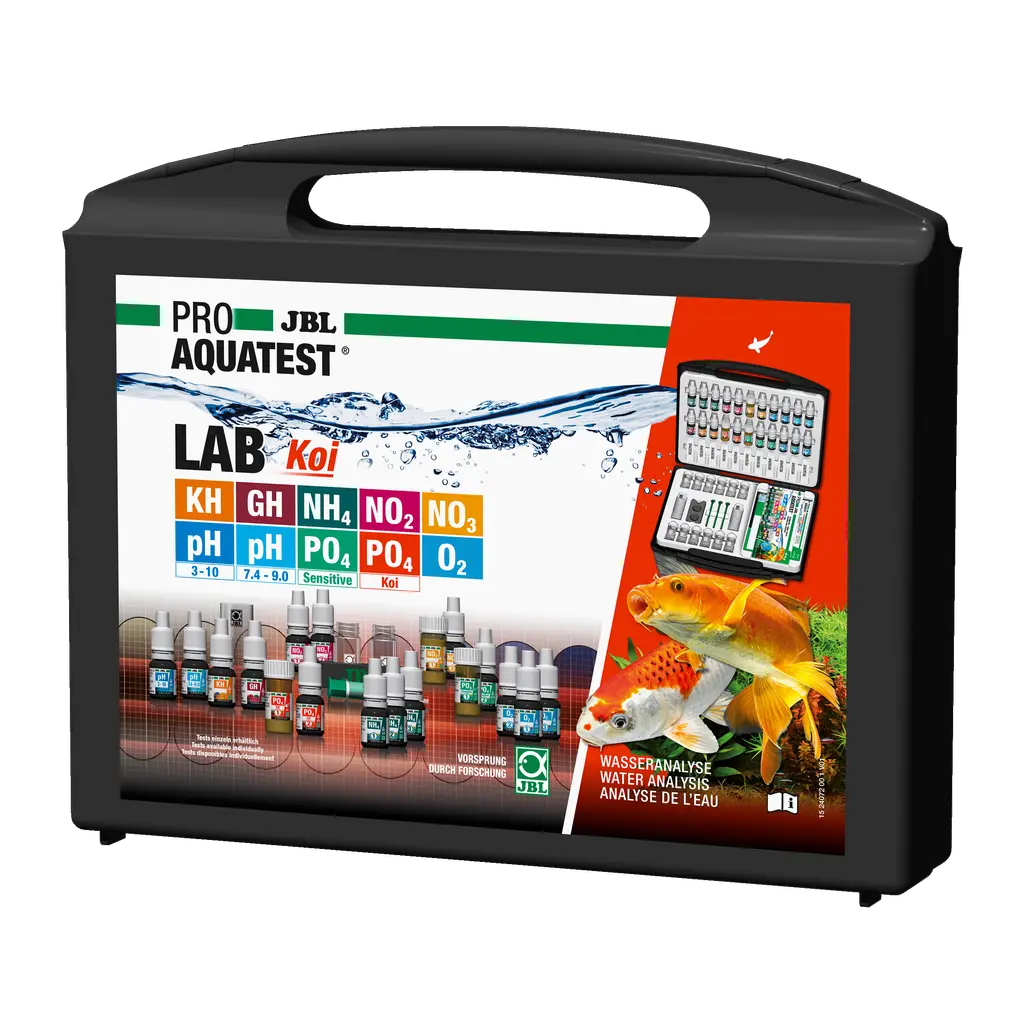
JBL PROAQUATEST LAB Koi

Simple and reliable monitoring of pond water values – determination of: pH 3.0–10, pH 7.4–9, carbonate hardness, total hardness, phosphate sensitive (low values), phosphate koi (high values), nitrite, nitrate, ammonium/ammonia, oxygen
Artikel-Nr. 2407217

114.52 GBP

Preis inkl. 20 MwSt zzgl. Versand
Händlersuche Gefahrenhinweise

Produktmerkmale

  • Monitors the water values in ponds simply and reliably - determines pH 3.0 - 10, pH 7.4 - 9, carbonate hardness, general hardness, phosphate sensitive (low values), phosphate koi (high values), nitrite, nitrate, ammonium/ammonia, oxygen
  • Easy to use: syringe accurately measures the amount of water, detailed instructions. Comparator system takes the inherent water colouring into account and makes colour comparison more precise
  • With a professional ammonium test, the result of which shows the resulting ammonia content via a table (depending on the pH value)
  • Childproof reagent bottles, waterproof plastic case, refillable kit
  • Package contents: test case, incl. 22 reagents, glass vials, syringes, measuring spoons, thermometer, comparator block, plastic cuvettes, colour charts, pen, report sheets and operating instructions

Gefahrenhinweise

JBL pH 3-10 - Sicherheitsinformationen gemäß GHS

Signalwort: Attention

Gefahrensymbol

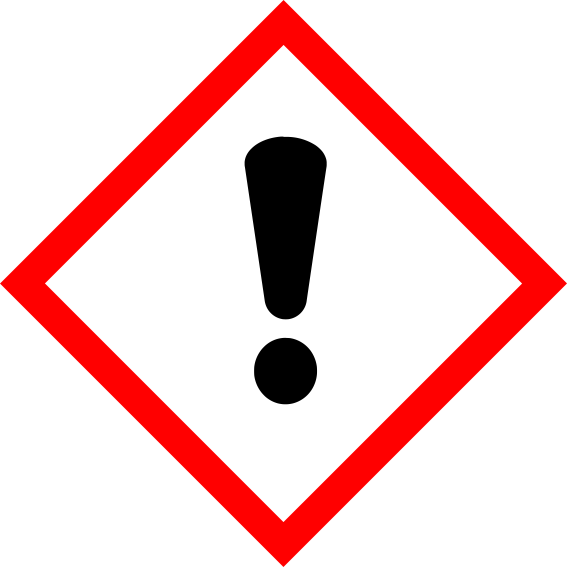
flammable irritant

Gefahrenhinweis

  • H319: Causes serious eye irritation.
  • H226: Flammable liquid and vapour.

Sicherheitshinweise

  • P101: If medical advice is needed, have product container or label at hand.
  • P102: Keep out of reach of children.

JBL NO3 2 - Sicherheitsinformationen gemäß GHS

Signalwort: Danger

Gefahrensymbol

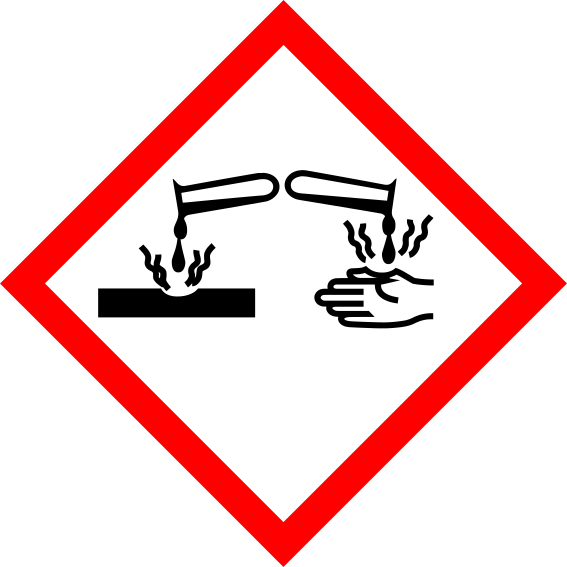
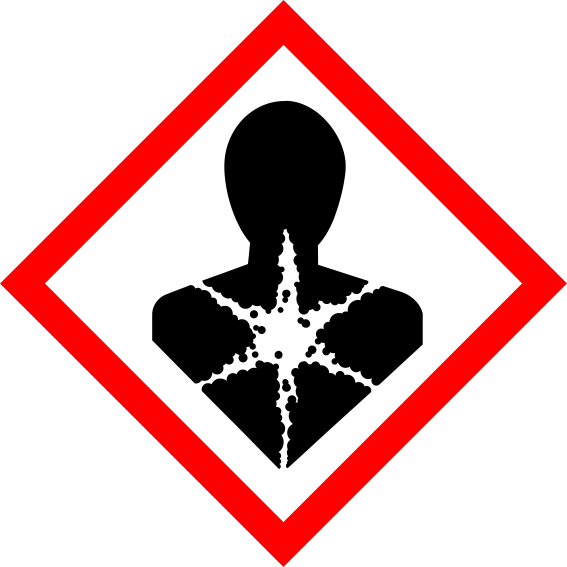
corrosive irritant health_hazard

Gefahrenhinweis

  • H318: Causes serious eye damage.
  • H314: Causes severe skin burns and eye damage.
  • H341: Suspected of causing genetic defects.
  • H317: May cause an allergic skin reaction.
  • H412: Harmful to aquatic life with long lasting effects.

Sicherheitshinweise

  • P101: If medical advice is needed, have product container or label at hand.
  • P102: Keep out of reach of children.

Gefahrbestimmende Komponente

  • 7647-01-0/1: hydrogen chloride
  • 541-69-5: m-phenylenediamine dihydrochloride

JBL NO3 1 - Sicherheitsinformationen gemäß GHS

Signalwort: Danger

Gefahrensymbol

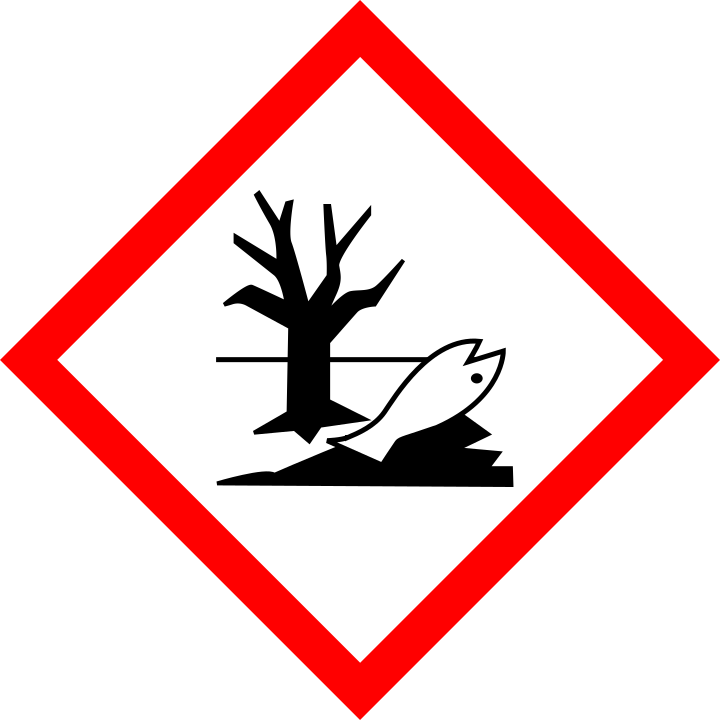
corrosive irritant environmental_hazard

Gefahrenhinweis

  • H318: Causes serious eye damage.
  • H314: Causes severe skin burns and eye damage.
  • H317: May cause an allergic skin reaction.
  • H411: Toxic to aquatic life with long lasting effects.

Sicherheitshinweise

  • P101: If medical advice is needed, have product container or label at hand.
  • P102: Keep out of reach of children.

Gefahrbestimmende Komponente

  • 87-69-4: (+)-tartaric acid
  • 121-57-3: sulphanilic acid

JBL PO4 Sensitive 2 - Sicherheitsinformationen gemäß GHS

Signalwort: Danger

Gefahrensymbol

corrosive irritant

Gefahrenhinweis

  • H318: Causes serious eye damage.
  • H314: Causes severe skin burns and eye damage.
  • H302: Harmful if swallowed.
  • H335: May cause respiratory irritation.

Sicherheitshinweise

  • P101: If medical advice is needed, have product container or label at hand.
  • P102: Keep out of reach of children.

Gefahrbestimmende Komponente

  • 7647-01-0/1: hydrogen chloride

JBL NO2 2 - Sicherheitsinformationen gemäß GHS

Signalwort: Attention

Gefahrensymbol

flammable irritant

Gefahrenhinweis

  • H319: Causes serious eye irritation.
  • H226: Flammable liquid and vapour.

Sicherheitshinweise

  • P101: If medical advice is needed, have product container or label at hand.
  • P102: Keep out of reach of children.

JBL NO2 1 - Sicherheitsinformationen gemäß GHS

Signalwort: Danger

Gefahrensymbol

corrosive

Gefahrenhinweis

  • H318: Causes serious eye damage.
  • H314: Causes severe skin burns and eye damage.

Sicherheitshinweise

  • P101: If medical advice is needed, have product container or label at hand.
  • P102: Keep out of reach of children.

Gefahrbestimmende Komponente

  • 64-19-7: Acetic acid

JBL pH 7.4-9.0 - Sicherheitsinformationen gemäß GHS

Signalwort: Attention

Gefahrensymbol

flammable irritant

Gefahrenhinweis

  • H319: Causes serious eye irritation.
  • H226: Flammable liquid and vapour.

Sicherheitshinweise

  • P101: If medical advice is needed, have product container or label at hand.
  • P102: Keep out of reach of children.

JBL GH - Sicherheitsinformationen gemäß GHS

Signalwort: Attention

Gefahrensymbol

flammable irritant

Gefahrenhinweis

  • H319: Causes serious eye irritation.
  • H226: Flammable liquid and vapour.
  • H315: Causes skin irritation.

Sicherheitshinweise

  • P101: If medical advice is needed, have product container or label at hand.
  • P102: Keep out of reach of children.

JBL KH - Sicherheitsinformationen gemäß GHS

Signalwort: Danger

Gefahrensymbol

flammable corrosive

Gefahrenhinweis

  • H226: Flammable liquid and vapour.
  • H318: Causes serious eye damage.
  • H314: Causes severe skin burns and eye damage.

Sicherheitshinweise

  • P101: If medical advice is needed, have product container or label at hand.
  • P102: Keep out of reach of children.

JBL O2 1 - Sicherheitsinformationen gemäß GHS

Signalwort: Danger

Gefahrensymbol

corrosive health_hazard

Gefahrenhinweis

  • H318: Causes serious eye damage.
  • H314: Causes severe skin burns and eye damage.
  • H373: May cause damage to organs through prolonged or repeated exposure.
  • H412: Harmful to aquatic life with long lasting effects.

Sicherheitshinweise

  • P101: If medical advice is needed, have product container or label at hand.
  • P102: Keep out of reach of children.

Gefahrbestimmende Komponente

  • 7773-01-5/1: manganese dichloride

JBL O2 2 - Sicherheitsinformationen gemäß GHS

Signalwort: Danger

Gefahrensymbol

corrosive

Gefahrenhinweis

  • H318: Causes serious eye damage.
  • H314: Causes severe skin burns and eye damage.

Sicherheitshinweise

  • P101: If medical advice is needed, have product container or label at hand.
  • P102: Keep out of reach of children.

Gefahrbestimmende Komponente

  • 1310-73-2: sodium hydroxide

JBL O2 3 - Sicherheitsinformationen gemäß GHS

Signalwort: Danger

Gefahrensymbol

corrosive health_hazard

Gefahrenhinweis

  • H318: Causes serious eye damage.
  • H314: Causes severe skin burns and eye damage.
  • H317: May cause an allergic skin reaction.
  • H334: May cause allergy or asthma symptoms or breathing difficulties if inhaled.

Sicherheitshinweise

  • P101: If medical advice is needed, have product container or label at hand.
  • P102: Keep out of reach of children.

Gefahrbestimmende Komponente

  • 7664-93-9: sulphuric acid
  • 137-09-7/2: 4-hydroxy-m-phenylenediammonium dichloride

JBL NH4 2 - Sicherheitsinformationen gemäß GHS

Signalwort: Danger

Gefahrensymbol

corrosive environmental_hazard

Gefahrenhinweis

  • H318: Causes serious eye damage.
  • H314: Causes severe skin burns and eye damage.
  • H411: Toxic to aquatic life with long lasting effects.
  • H400: Very toxic to aquatic life.
  • EUH031: Contact with acids liberates toxic gas.

Sicherheitshinweise

  • P101: If medical advice is needed, have product container or label at hand.
  • P102: Keep out of reach of children.

Gefahrbestimmende Komponente

  • 7681-52-9/1: sodium hypochlorite, solution
  • 1310-73-2: sodium hydroxide

JBL NH4 3 - Sicherheitsinformationen gemäß GHS

Signalwort: Danger

Gefahrensymbol

flammable irritant

Gefahrenhinweis

  • H319: Causes serious eye irritation.
  • H315: Causes skin irritation.
  • H336: May cause drowsiness or dizziness.
  • H225: Highly flammable liquid and vapour.

Sicherheitshinweise

  • P101: If medical advice is needed, have product container or label at hand.
  • P102: Keep out of reach of children.

Gefahrbestimmende Komponente

  • 67-63-0: propan-2-ol

JBL PO4 Koi 2 - Sicherheitsinformationen gemäß GHS

Signalwort: Danger

Gefahrensymbol

corrosive irritant

Gefahrenhinweis

  • H318: Causes serious eye damage.
  • H314: Causes severe skin burns and eye damage.
  • H302: Harmful if swallowed.
  • H335: May cause respiratory irritation.

Sicherheitshinweise

  • P101: If medical advice is needed, have product container or label at hand.
  • P102: Keep out of reach of children.

Gefahrbestimmende Komponente

  • 7647-01-0/1: hydrogen chloride

Informativa e consenso ai cookie e ai contenuti di terze parti

Utilizziamo cookie/tool tecnicamente necessari per offrire, gestire e proteggere questo servizio. Inoltre utilizziamo con il tuo consenso esplicito cookie/tool per il marketing, il monitoraggio, la creazione di contenuti personalizzati su pagine di parti terzi come per la presentazione di contenuti di parti terzi sul nostro sito. Puoi revocare il tuo consenso in qualsiasi momento con effetto per il futuro tramite la voce di menu "Impostazioni cookie".
Cliccando "Permettere tutti“ ci dai il tuo consenso esplicito all'utilizzo di cookie/tool per migliorare la qualità e le prestazioni del nostro servizio, per l'ottimizzazione funzionale e personalizzata delle prestazioni, per misurare l'efficacia dei nostri annunci o delle nostre campagne, per contenuti personalizzati a scopo di marketing, anche al di fuori del nostro sito web. Questo ci consente di fornire annunci online personalizzati e di ampliare le possibilità di analisi del tuo comportamento d'utente. Ciò include anche l'accesso e la memorizzazione di dati sul tuo dispositivo. Puoi revocare il tuo consenso in qualsiasi momento, con effetto per il futuro, tramite la voce di menu “Impostazioni dei cookie”.
Tramite la voce di menu “Modificare impostazioni” puoi concedere e revocare il tuo consenso individuale ai cookie/tool e ricevere ulteriori informazioni sui cookie/tool da noi utilizzati, sulle loro finalità e sulla loro durata.
Cliccando su "Solo assolutamente necessario" vengono utilizzati solo i cookie/tool tecnicamente necessari.

Nella nostra informativa privacy verrai a sapere come elaboriamo i dati personali e per quali scopi impieghiamo l'elaborazione dei dati.
Notifiche push di JBL

Cosa sono le notifiche PUSH? In quanto parte dello standard W3C le notifiche web definiscono un'API per le notifiche rivolte agli utenti finali, che vengono trasmesse tramite browser ai dispositivi desktop e/o mobili degli utenti. Sui dispositivi finali appaiono notifiche come le conosce l'utente finale dalle applicazioni istallate sul dispositivo (ad es. email). Sui dispositivi appaiono le notifiche come le conosce l'utente finale dalle applicazioni installate sul dispositivo (ad es. email).

Una notifica permette, al di fuori del contesto di un sito web, di informare l'utente di un evento come ad esempio un nuovo post sul blog, un gioco a premi o un buono.

Queste notifiche permettono al gestore delle pagine web di contattare i suoi utenti mentre hanno ancora aperto un browser – indipendentemente dal fatto se l'utente sta visitando il sito web o no.

Per poter inviare notifiche push si ha bisogno soltanto di un sito web con un codice web push installato. In questo modo anche marchi senza applicazioni possono usufruire di molti vantaggi delle notifiche push (comunicazioni personalizzate in tempo reale, proprio nel momento giusto).

Le notifiche web fanno parte dello standard W3C e definiscono un'API per le notifiche all'utente. Una notifica permette di informare l'utente su un fatto, come ad es. un nuovo commento sul blog, al di fuori dal contesto di una pagina web.

Questo servizio viene offerto gratuitamente da JBL GmbH & Co. KG ed è tanto facile da attivare come da disattivare.