Peru 2025

Powrót do map świata - Przegląd

Saugwelse & Garnelen in Wasserfällen und klarem Wasser

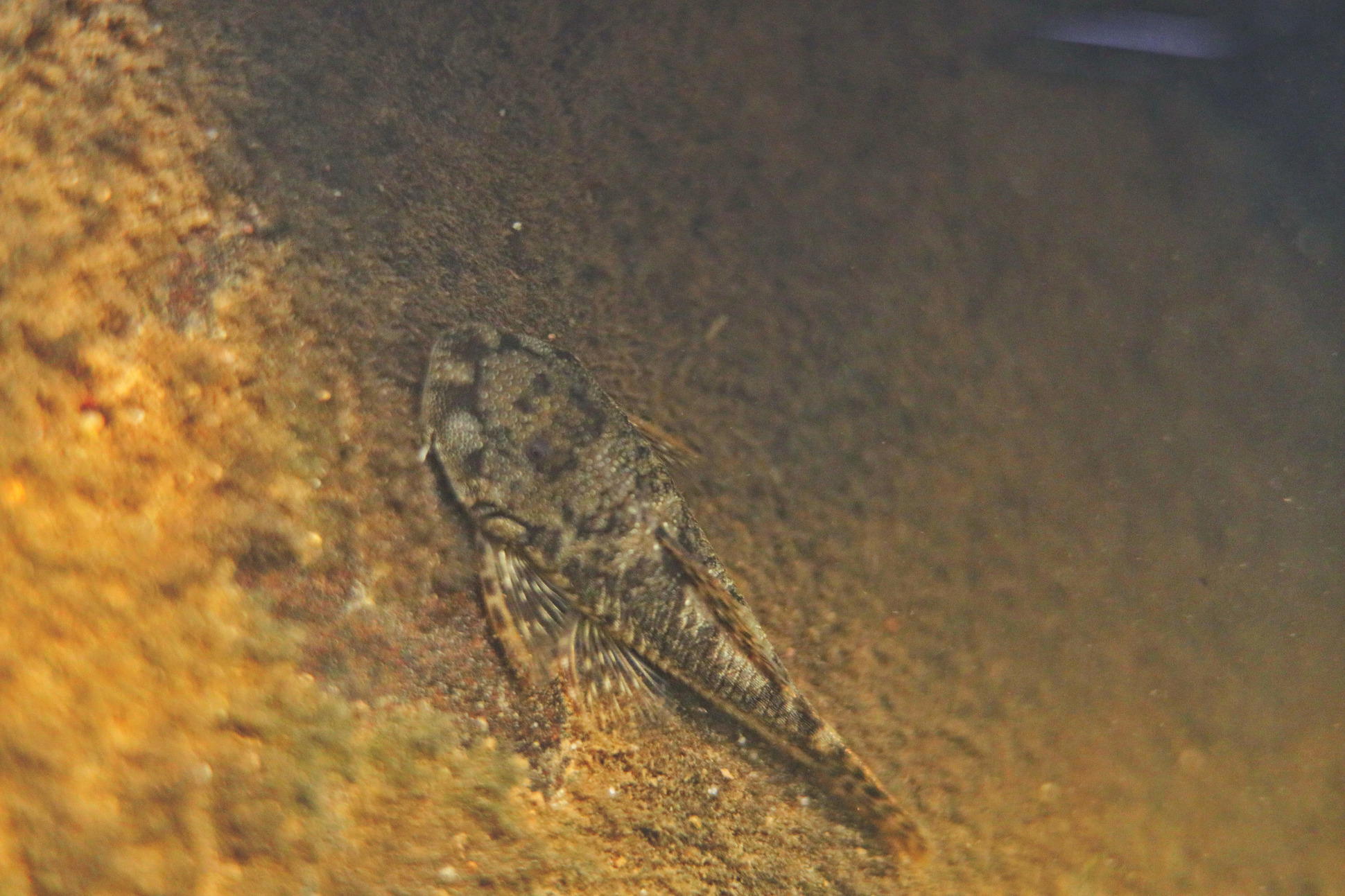
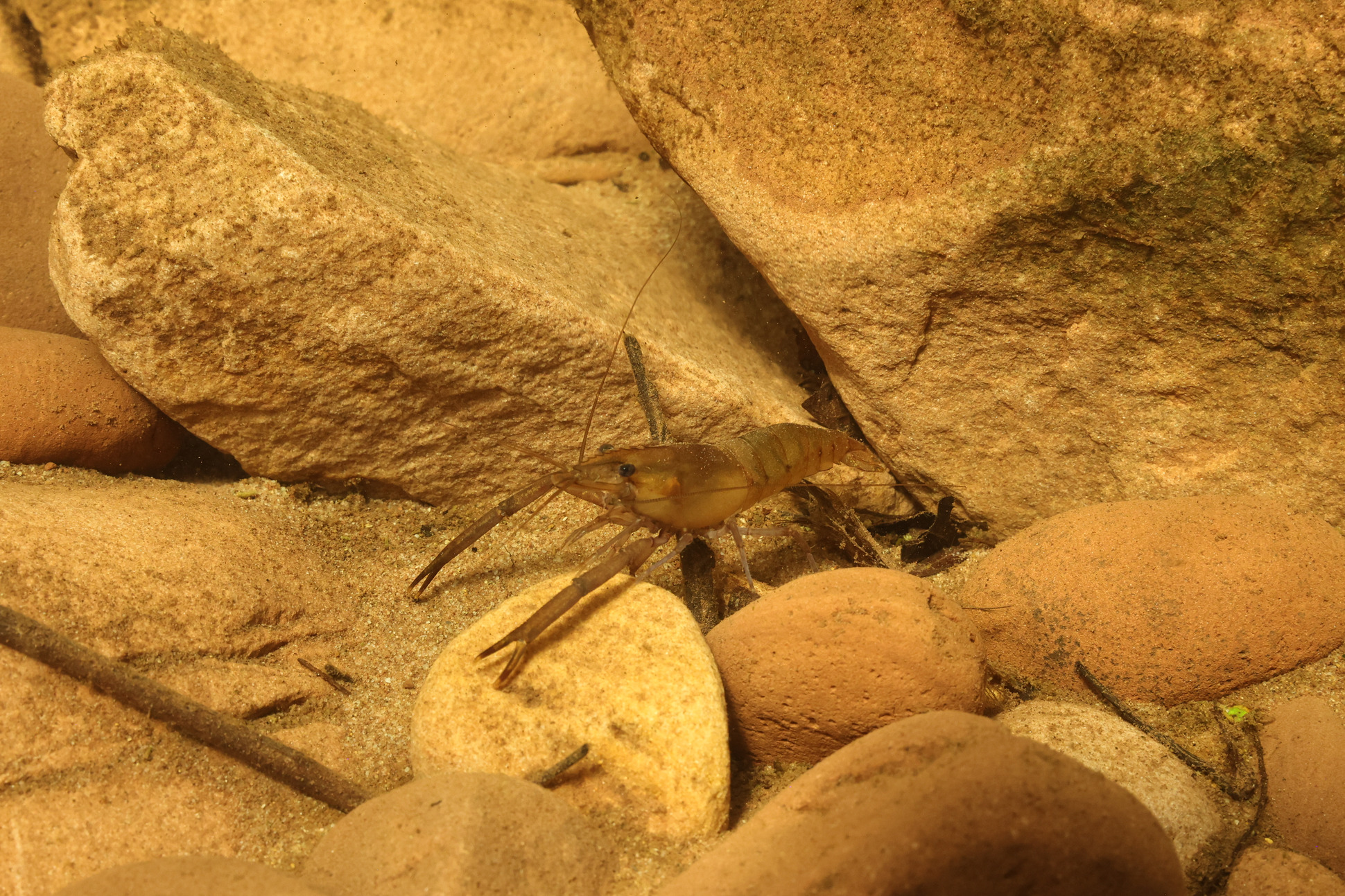
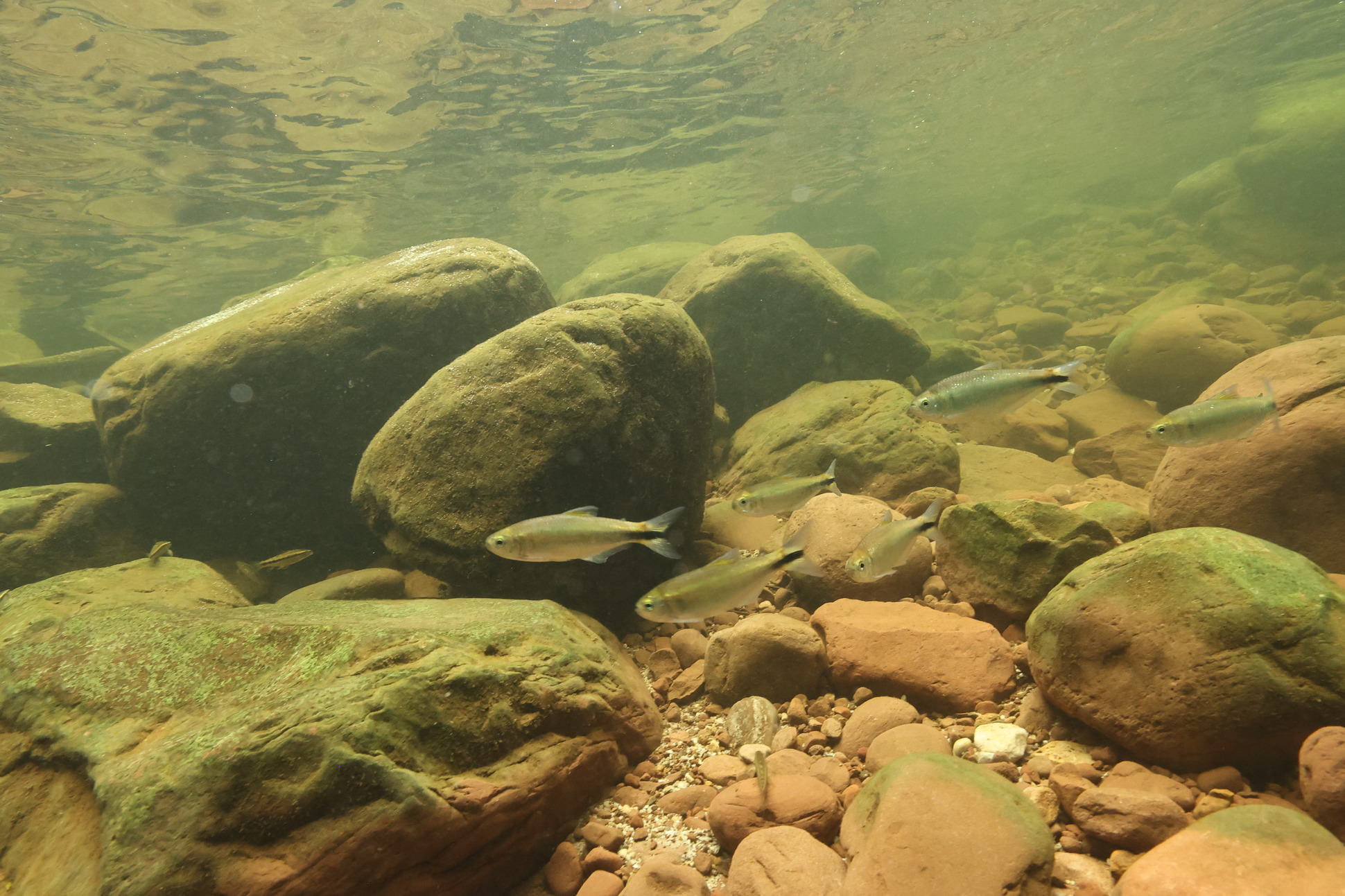
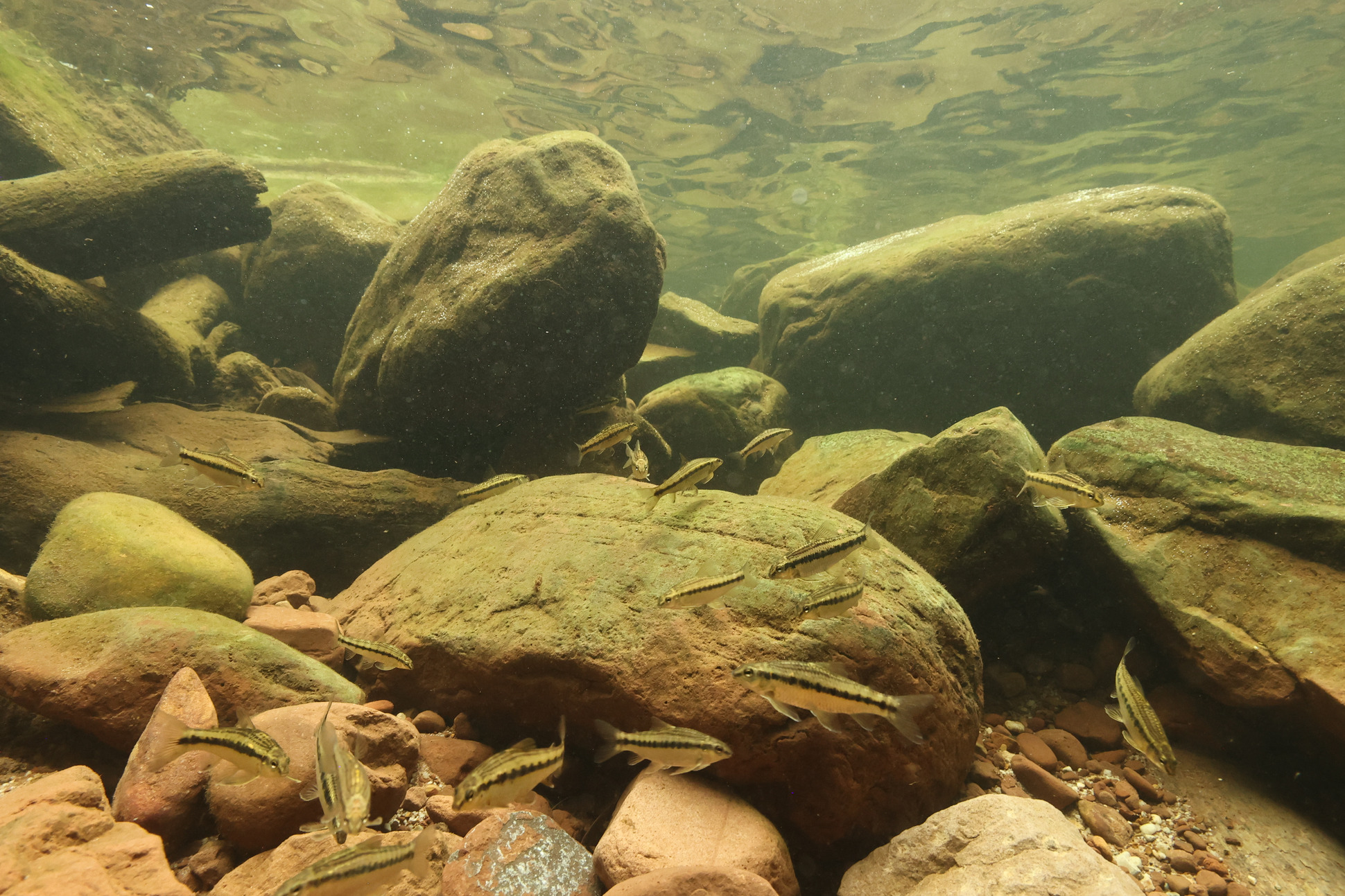
Leider sind Wasserfälle auch bei Touristen beliebt und so waren unsere Teams an den Fällen, dem Pool und dem Bach selten alleine. Aber egal: Die Teams waren die einzigen, die mit Taucherbrille und Kameras bewaffnet nach Unterwasserbewohnern gesucht haben. Und es lohnte sich: Bodensalmler (Characidium), Krebse (Macrobrachium), Gebirgsharnischwelse (Chaetostoma), Antennenwelse (Ancistrus) und freischwimmende Salmler waren neben Kaulquappen im klaren und kühlen Wasser zu sehen.

Der erste Wasserfall (Catarata de Ahuashiyacu, GPS: --6.454915/-76.308299) wies vollkommen andere Wasserwerte auf als der zweite Wasserfall (Catarata de Sabaloyacu, GPS: -6.395031/-76.275527), obwohl sie nur etwa 30 Autominuten voneinander entfernt lagen. Im ersten Wasserfall, optisch und von der Vegetation her identisch mit dem zweiten, war keine Wasserhärte messbar (GH und KH = 0) und die Leitfähigkeit betrug nur 15 µS/cm. Im zweiten Wasserfall betrugen GH und KH jeweils 4 °dH bei einer Leitfähigkeit von 140 µS/cm. Im weichen Wasser lag der pH-Wert bei nur 6, obwohl das herabfallende Wasser jegliches CO2 austreibt und der pH-Wert dadurch in stark bewegten Gewässern normalerweise höher liegt. Erst beim zweiten Wasserfall lag der pH-Wert bei 7,6. Erwartungsgemäß war die Sauerstoffkonzentration mit rund 100 mg/l sehr hoch und nur beim ersten Wasserfall war Eisen mit 0,2 mg/l messbar. Die Wassertemperatur lag bei beiden Wasserfällen bei 23 °C. Ohne Taucheranzug wurde es nach kurzer Zeit recht frisch.

Besonders spannend waren die vielen Gebirgsharnischwelse (Chaetostoma spec.), die in sozialen Verbänden zu leben schienen.

Interessant war, dass die Fischarten trotz der verschiedenen Wasserwerte praktisch identisch waren. Das war insofern spannend, weil viele Aquarienbücher oder Internetinfos uns Aquarianern erzählen, dass der Fisch X nur bei einer Härte 123 und einem pH-Wert von Y gepflegt werden kann. Die Natur hat oft eigene Gesetze.

Information and consent to cookies & third-party content

We use technically necessary cookies/tools to offer, operate and secure this service. Furthermore ,with your express consent , we use cookies/tools for marketing, tracking, creating personalised content on third-party sites and for displaying third-party content on our website. You can revoke your consent at any time with effect for the future via the menu item ‘Cookie settings’.
By clicking on ‘Allow all’, you give us your express consent to the use of cookies/tools to improve the quality and performance of our service, for functional and personalised performance optimisation, to measure the effectiveness of our ads or campaigns, for personalised content for marketing purposes, including outside our website. This enables us to provide personalised online ads and extended analysis options about your user behaviour. This also includes accessing and storing data on your device. You can revoke your consent at any time with effect for the future via the menu item ‘Cookie settings’.
You can use the ‘Change settings’ button to grant and revoke individual consent to the cookies/tools and receive further information on the cookies/tools we use, their purposes and duration.
By clicking on ‘Only absolutely necessary’, only technically necessary cookies/tools are used.

W naszej strefie Polityka prywatności dowiedzą się Państwo, jak przetwarzamy dane osobowe i do jakich celów wykorzystujemy przetwarzanie danych.

Proszę wybrać swoje ustawienia Cookie

Wiadomości PUSH od JBL

Jako część standardu W3C, powiadomienia Web definiują API dla powiadomień użytkowników końcowych, które są wysyłane za pośrednictwem przeglądarki na pulpit urządzeń stacjonarnych i/lub urządzeń mobilnych użytkowników. Powiadomienia pojawiają się na urządzeniach końcowych tak, jak jest to znane użytkownikowi końcowemu z aplikacji zainstalowanych na urządzeniu (np. wiadomości e-mail).

Powiadomienia web push pojawiają się na pulpicie lub ekranie urządzenia mobilnego, kiedy użytkownik ma otwartą przeglądarkę - niezależnie od tego, czy użytkownik jest na tej stronie internetowej, czy nie.

Powiadomienia te umożliwiają operatorowi witryny kontaktowanie się z jego użytkownikami tak długo, jak długo mają oni otwartą przeglądarkę - niezależnie od tego, czy użytkownik aktualnie odwiedza stronę internetową, czy nie.

Aby móc wysyłać powiadomienia web push, wystarczy tylko strona internetowa z zainstalowanym kodem web push. Tym samym także marki bez aplikacji mogą korzystać z wielu zalet powiadomień push (spersonalizowana komunikacja w czasie rzeczywistym dokładnie w odpowiednim momencie.)

Powiadomienia internetowe są częścią standardu W3C i definiują API dla powiadomień użytkowników końcowych. Powiadomienie umożliwia poinformowanie użytkownika poza kontekstem strony internetowej o wydarzeniu, jak na przykład nowy wpis na blogu.

Usługa ta jest udostępniona bezpłatnie przez firmę JBL GmbH & Co. KG, i można ją równie łatwo aktywować jak i dezaktywować.