


THE NEXT GENERATION SOIL

PROSCAPE MOUNT ASO SOIL

Buy now

The new generation of Soil is here.

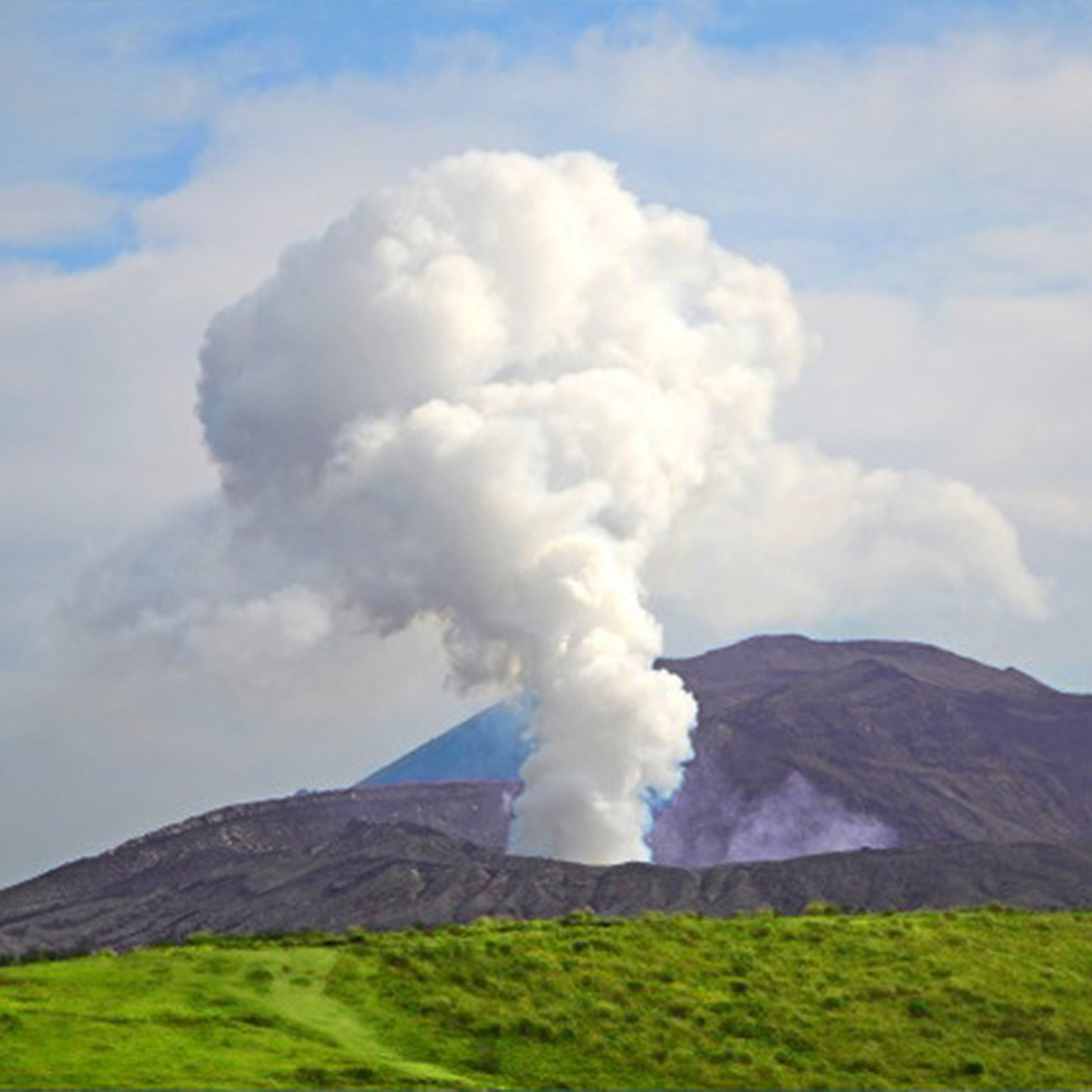
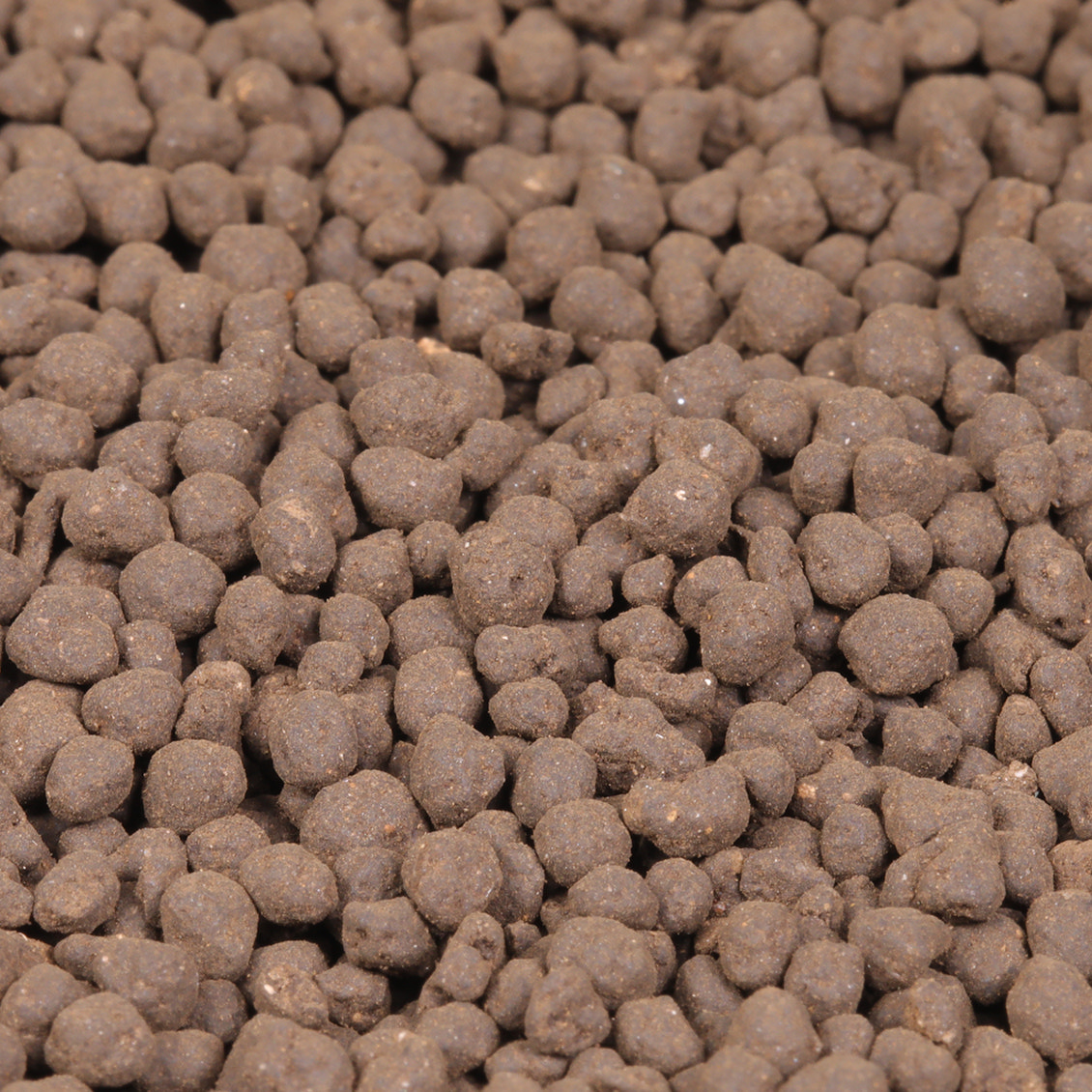
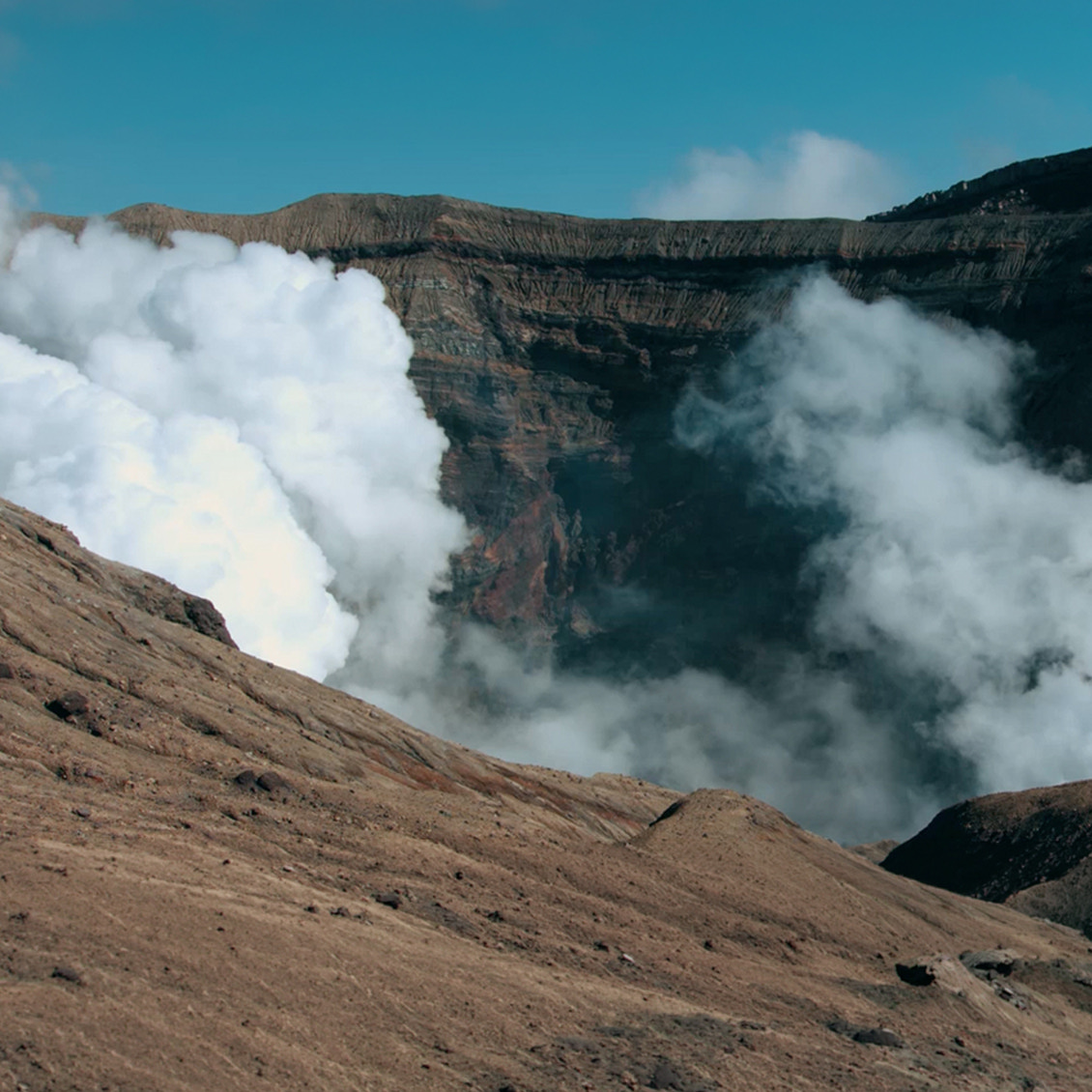
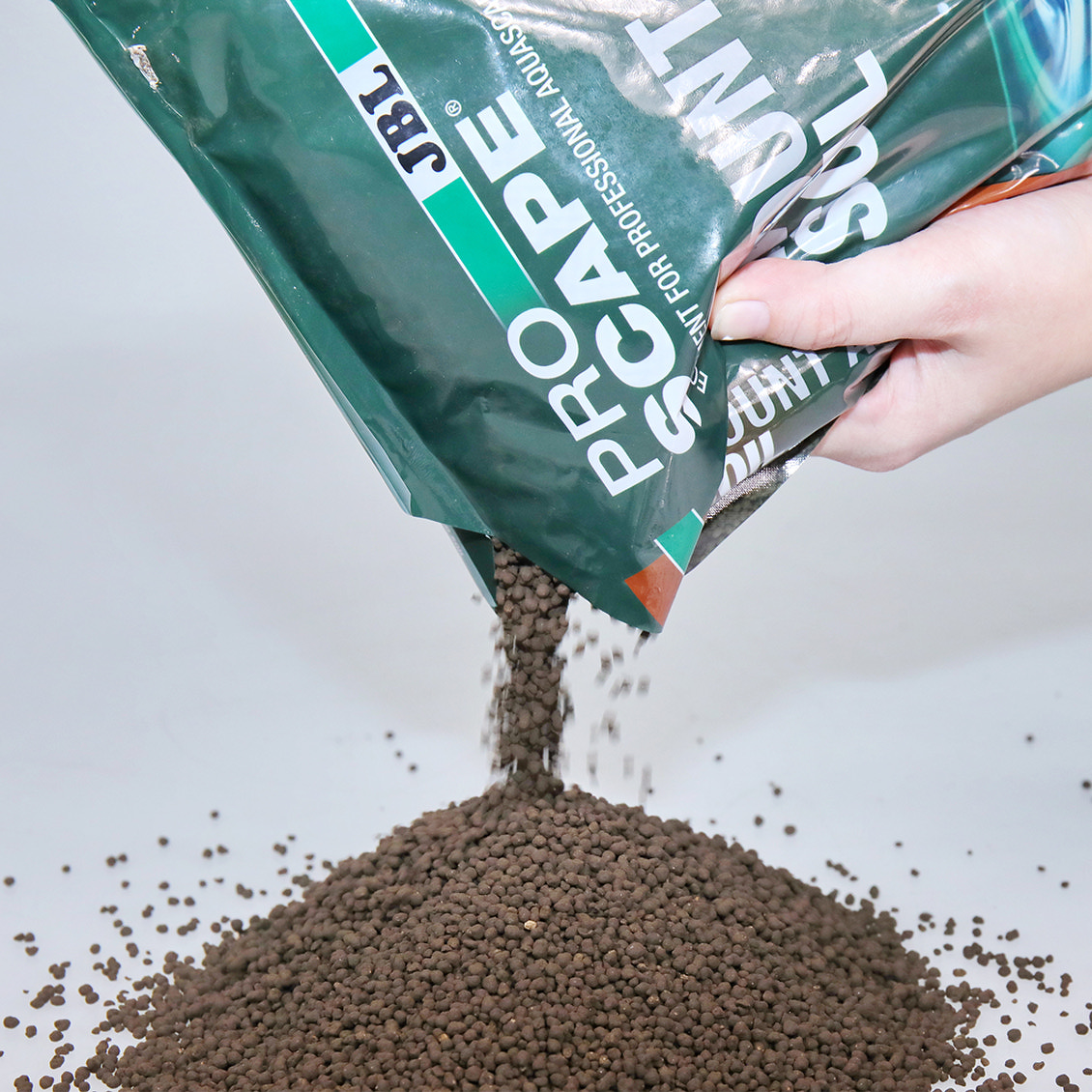
JBL PROSCAPE MOUNT ASO SOIL introduces a new generation of aquarium soil to the world of aquascaping: natural volcanic soil from Mount Aso in Japan, which is not nutrient-rich and therefore does not cause an uncontrolled nutrient surplus during the initial phase. Unlike many traditional soils, which require daily water changes, it allows for a gentler start and precise fertilisation as and when required. Nutrients added to the soil are stored and then released in a form that plants can utilise. For clear water, healthy plant growth and complete control over your aquarium. Available in brown and black.

An overview of all the features.

An aquarium soil that offers more than meets the eye: discover the special features of PROSCAPE MOUNT ASO SOIL and what makes it a new-generation soil.

Japan
Dunkel Hell
Kugel AI MODIFIED Kugel
Trüb Hell
Mineralien Form Garnelen

NATURAL VOLCANIC SOIL. NO EXCESS NUTRIENTS. FEWER WATER CHANGES.

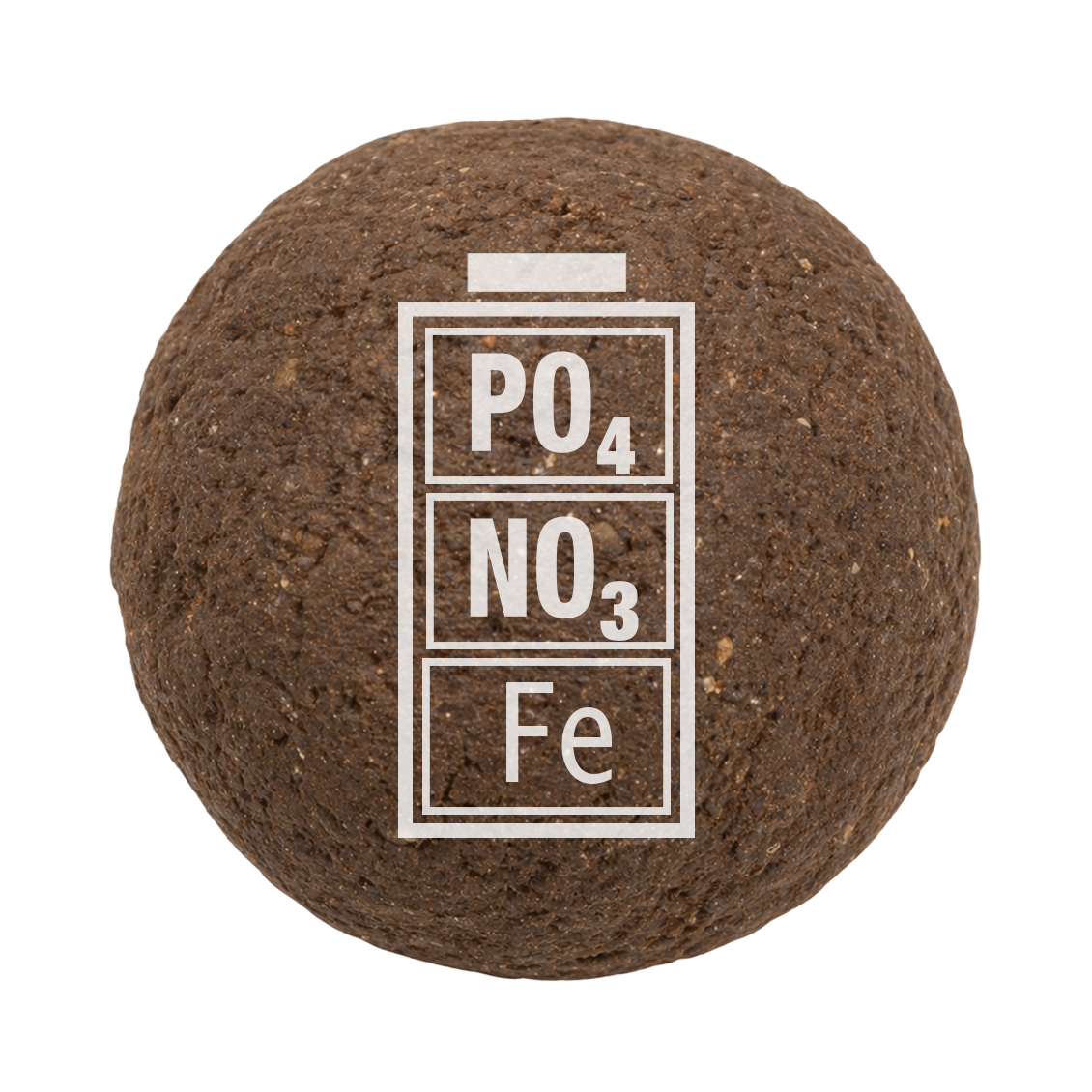
PROSCAPE MOUNT ASO SOIL is not impregnated with fertiliser and does not release excess nutrients into the water in an uncontrolled manner during the initial phase. This means your aquascape gets off to a more predictable start, the hassle of frequent water changes is reduced, and you retain full control over the fertilisation process.

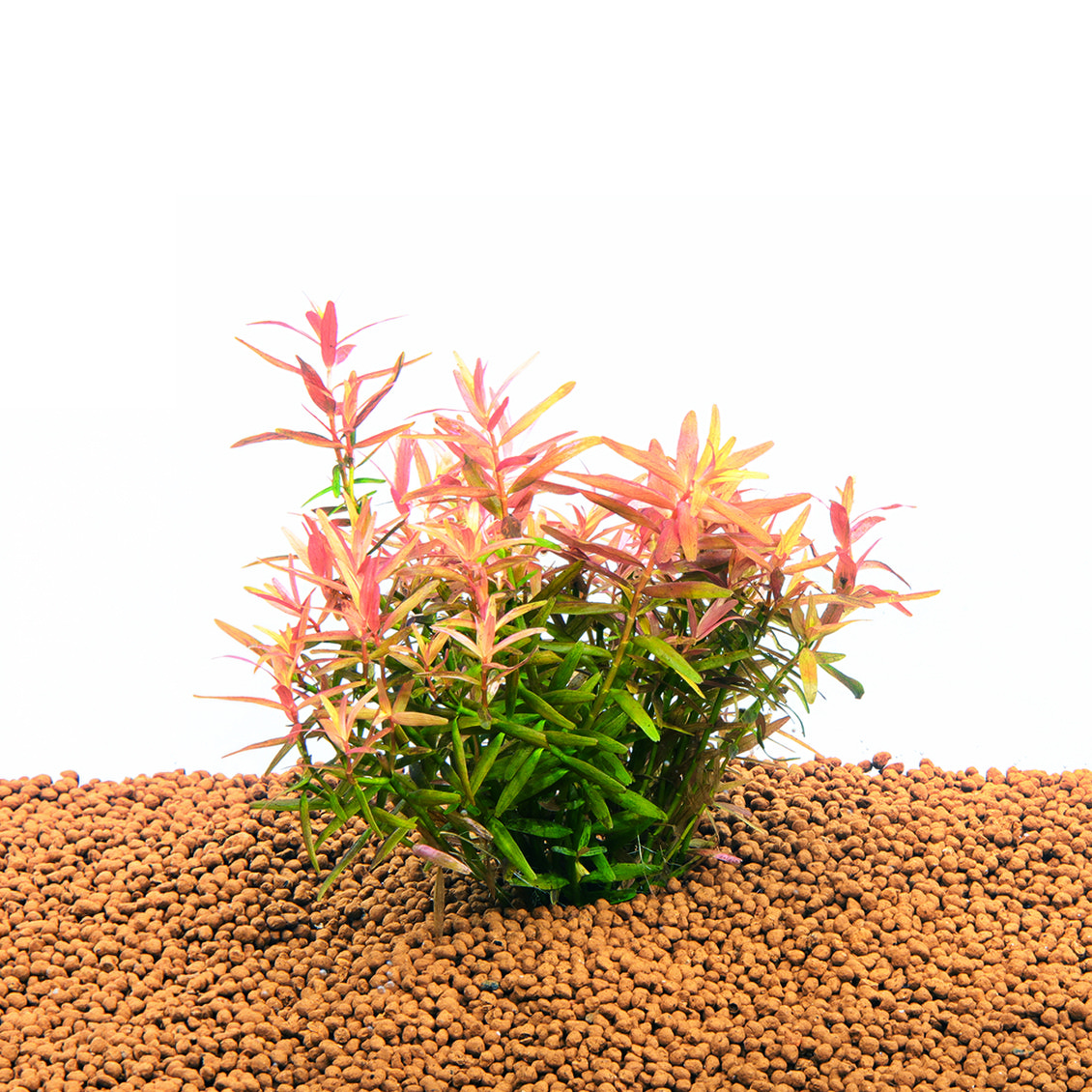
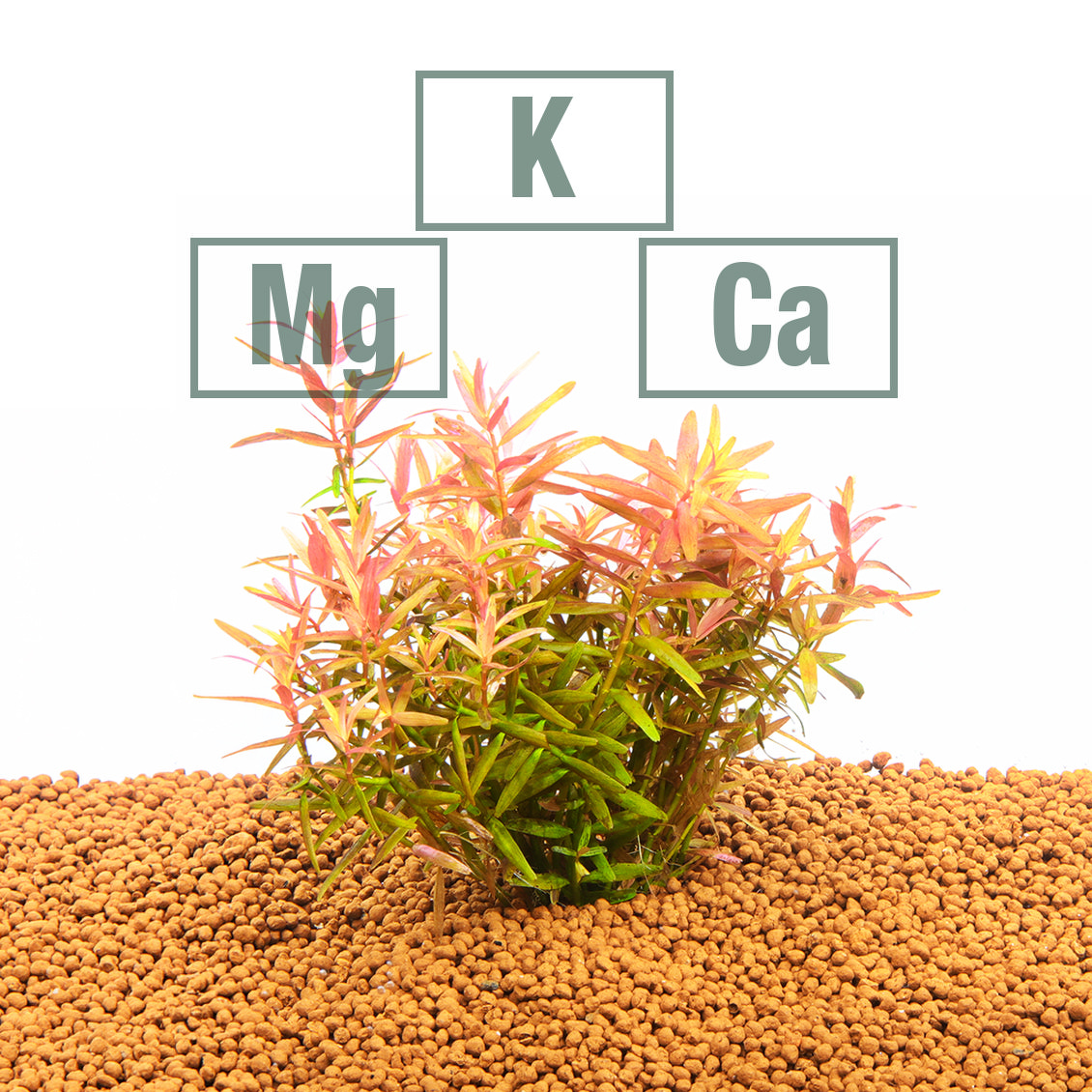
At the same time, natural volcanic soil is not devoid of nutrients: it naturally contains important minerals such as potassium, calcium and magnesium, and is able to store added nutrients and release them in a form that plants can utilise.

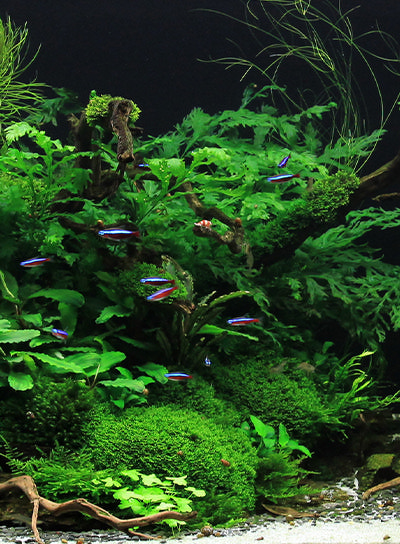
A wide, densely planted natural aquarium with lush green aquatic plants, roots and patches of moss. In the centre of the tank, a small shoal of neon tetras swims amongst fine-leaved plants and low ground cover; in the foreground, a patch of light-coloured gravel runs like a narrow stream.

Without an uncontrolled excess of nutrients in the initial phase

Discover PROSCAPE MOUNT ASO

FAQ - Frequently Asked Questions

What are the benefits of soil in an aquarium?

Soil forms a loose, plant-friendly substrate and provides aquatic plants with good conditions for root development. PROSCAPE MOUNT ASO SOIL takes a unique approach: the natural volcanic soil from Mount Aso is not saturated with fertiliser and therefore does not release large quantities of added nutrients into the water in an uncontrolled manner during the initial phase. At the same time, the soil can store added nutrients and release them again in a form that is readily available to plants. Natural minerals such as magnesium, potassium and calcium further support plant nutrition. Furthermore, the volcanic soil binds colour-causing substances and turbidity, thereby helping to maintain clear water in the aquarium. The open-pored structure increases the material’s surface area and provides valuable habitat for bacteria, thereby further supporting biological filtration processes in the aquarium. Thanks to its stable grain structure, the substrate remains loose and permeable.

The result: controllable fertilisation, good conditions for plants and a smoother start to the aquarium, with fewer water changes required than with heavily pre-fertilised soils.

How long can soil stay in the aquarium?

There is no fixed replacement deadline for soil. PROSCAPE MOUNT ASO SOIL is designed to maintain a long term stable grain structure and can therefore remain in the aquarium for a long time.

How long a soil retains its specific properties also depends on the aquarium, the water parameters, the maintenance and the water changes. It is not realistic to specify a general lifespan in months or years. As long as the soil remains structurally stable, the substrate is sufficiently loose and the aquarium is functioning well, it does not need to be removed simply because of its age.

How deep does the soil layer need to be in an aquarium?

As a practical rule of thumb, a soil layer of around 5 to 8 cm is recommended for planted aquariums. In aquascaping, the substrate can slope up significantly towards the back to create more spatial depth and provide larger plants with sufficient space for their roots.

Very tall landscape features do not need to be made entirely of soil. For mountains and steep slopes, you can first build a stable base – for example, using porous volcanic rock such as JBL PROSCAPE VOLCANO MINERAL – and then cover it with soil.

The actual amount required therefore depends on the floor area, the desired layer thickness and the design of the aquascape. There is a JBL substrate calculator for this purpose.

Does soil need replacing in the aquarium?

No, soil does not need to be completely replaced on a regular basis. It only needs replacing when the substrate ceases to fulfil its intended function – for example, if the granules are breaking down significantly, the substrate is becoming increasingly compacted, or the aquarium is due to be completely redesigned anyway.

PROSCAPE MOUNT ASO SOIL has the additional benefit that it is not pre-loaded with fertiliser from the outset. Its function is therefore not based on an initial supply of fertiliser being ‘used up’ at some point. Nutrients added to the system can be stored and subsequently released back into it where they are available to the plants. Fertilisation continues to be targeted according to the plants’ actual requirements.

Thanks to the soil granules’ long-term dimensional stability, there is therefore no need to replace the entire batch as a precautionary measure after a set period of time.

Information and consent to cookies & third-party content

We use technically necessary cookies/tools to offer, operate and secure this service. Furthermore ,with your express consent , we use cookies/tools for marketing, tracking, creating personalised content on third-party sites and for displaying third-party content on our website. You can revoke your consent at any time with effect for the future via the menu item ‘Cookie settings’.
By clicking on ‘Allow all’, you give us your express consent to the use of cookies/tools to improve the quality and performance of our service, for functional and personalised performance optimisation, to measure the effectiveness of our ads or campaigns, for personalised content for marketing purposes, including outside our website. This enables us to provide personalised online ads and extended analysis options about your user behaviour. This also includes accessing and storing data on your device. You can revoke your consent at any time with effect for the future via the menu item ‘Cookie settings’.
You can use the ‘Change settings’ button to grant and revoke individual consent to the cookies/tools and receive further information on the cookies/tools we use, their purposes and duration.
By clicking on ‘Only absolutely necessary’, only technically necessary cookies/tools are used.

W naszej strefie Polityka prywatności dowiedzą się Państwo, jak przetwarzamy dane osobowe i do jakich celów wykorzystujemy przetwarzanie danych.

Proszę wybrać swoje ustawienia Cookie

Wiadomości PUSH od JBL

Jako część standardu W3C, powiadomienia Web definiują API dla powiadomień użytkowników końcowych, które są wysyłane za pośrednictwem przeglądarki na pulpit urządzeń stacjonarnych i/lub urządzeń mobilnych użytkowników. Powiadomienia pojawiają się na urządzeniach końcowych tak, jak jest to znane użytkownikowi końcowemu z aplikacji zainstalowanych na urządzeniu (np. wiadomości e-mail).

Powiadomienia web push pojawiają się na pulpicie lub ekranie urządzenia mobilnego, kiedy użytkownik ma otwartą przeglądarkę - niezależnie od tego, czy użytkownik jest na tej stronie internetowej, czy nie.

Powiadomienia te umożliwiają operatorowi witryny kontaktowanie się z jego użytkownikami tak długo, jak długo mają oni otwartą przeglądarkę - niezależnie od tego, czy użytkownik aktualnie odwiedza stronę internetową, czy nie.

Aby móc wysyłać powiadomienia web push, wystarczy tylko strona internetowa z zainstalowanym kodem web push. Tym samym także marki bez aplikacji mogą korzystać z wielu zalet powiadomień push (spersonalizowana komunikacja w czasie rzeczywistym dokładnie w odpowiednim momencie.)

Powiadomienia internetowe są częścią standardu W3C i definiują API dla powiadomień użytkowników końcowych. Powiadomienie umożliwia poinformowanie użytkownika poza kontekstem strony internetowej o wydarzeniu, jak na przykład nowy wpis na blogu.

Usługa ta jest udostępniona bezpłatnie przez firmę JBL GmbH & Co. KG, i można ją równie łatwo aktywować jak i dezaktywować.