


Peru 2025

Powrót do map świata - Przegląd

Unbekannte Saugwelse: Noch nie hat vorher jemand bei Machu Picchu geschnorchelt

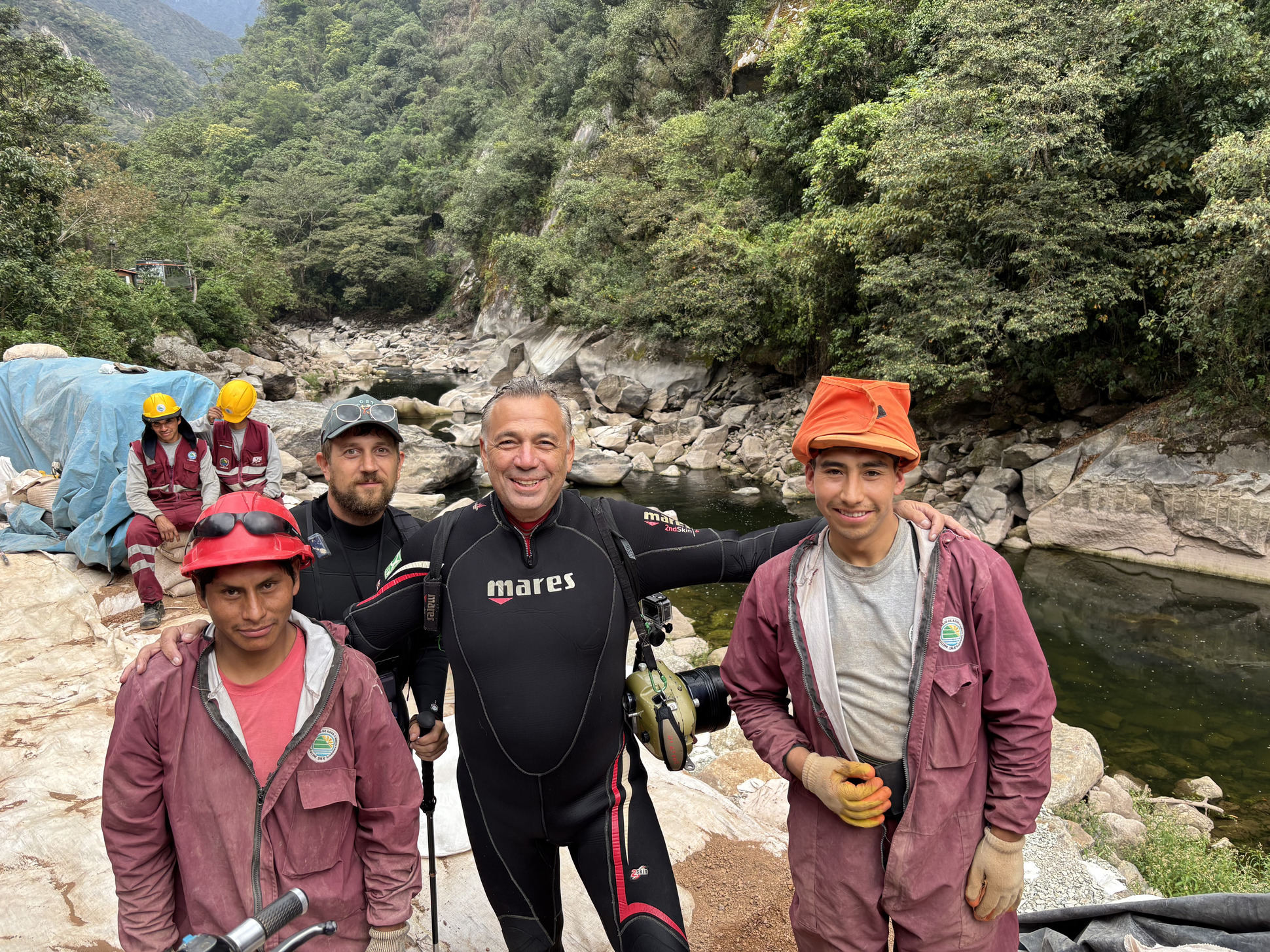
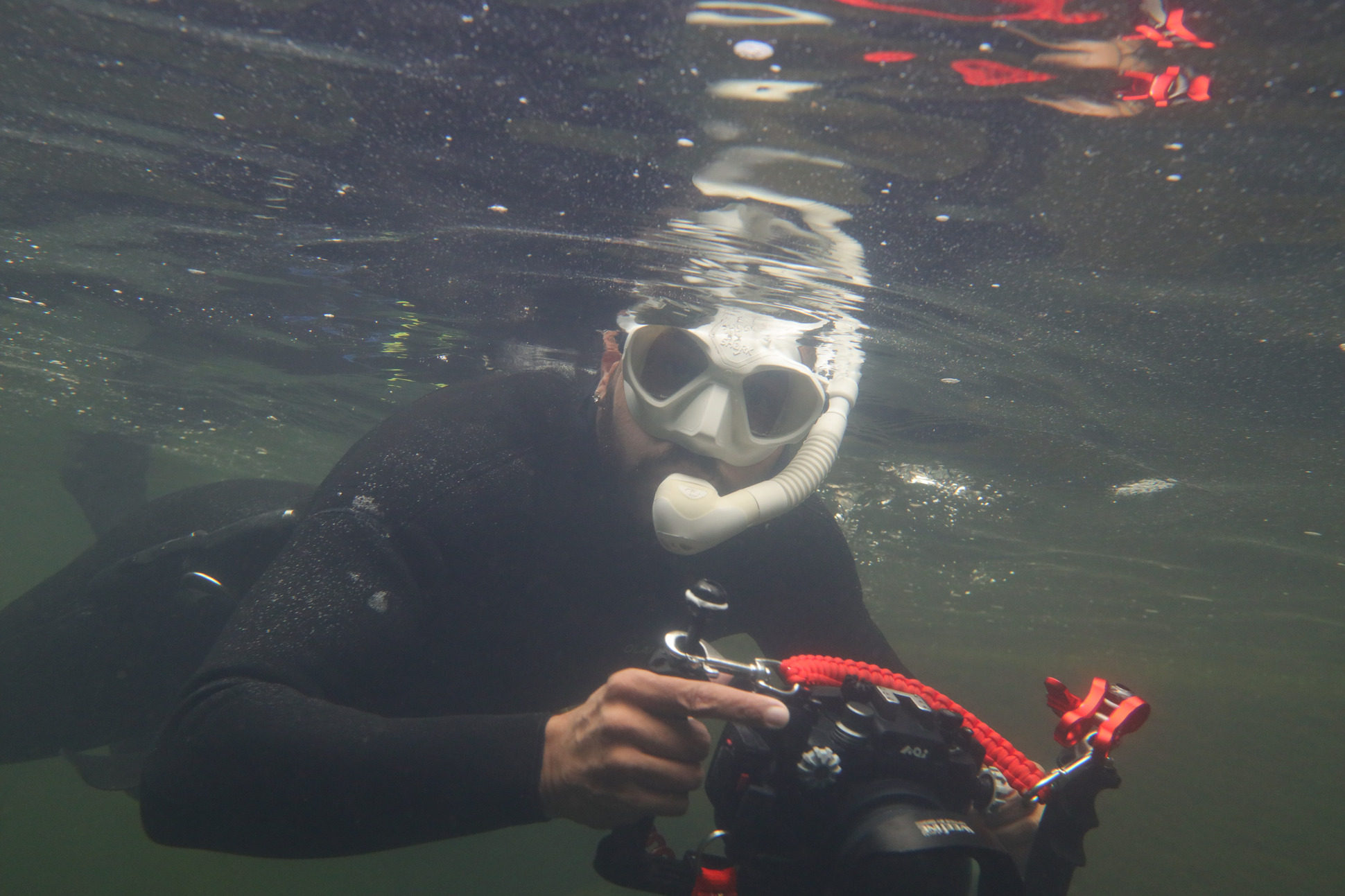
Bevor es am Folgetag zu den berühmten Ruinen ging, blieb etwas Zeit für andere Tätigkeiten. Ein Teil des Teams wanderte zu einem Wasserfall und einem Schmetterlingshaus, der andere Teil machte sich zu Fuß über die Bahnschienen auf, um am Fluss Urubamba eine passende Stelle zum Schnorcheln zu finden. Das Team war sich sehr sicher, dass dort noch niemand nach Fischen gesucht hat. Die Bahnarbeiter staunten nicht schlecht, als sie Menschen in Taucheranzügen sahen, die dem ankommenden Zug auf den Gleisen auswichen.

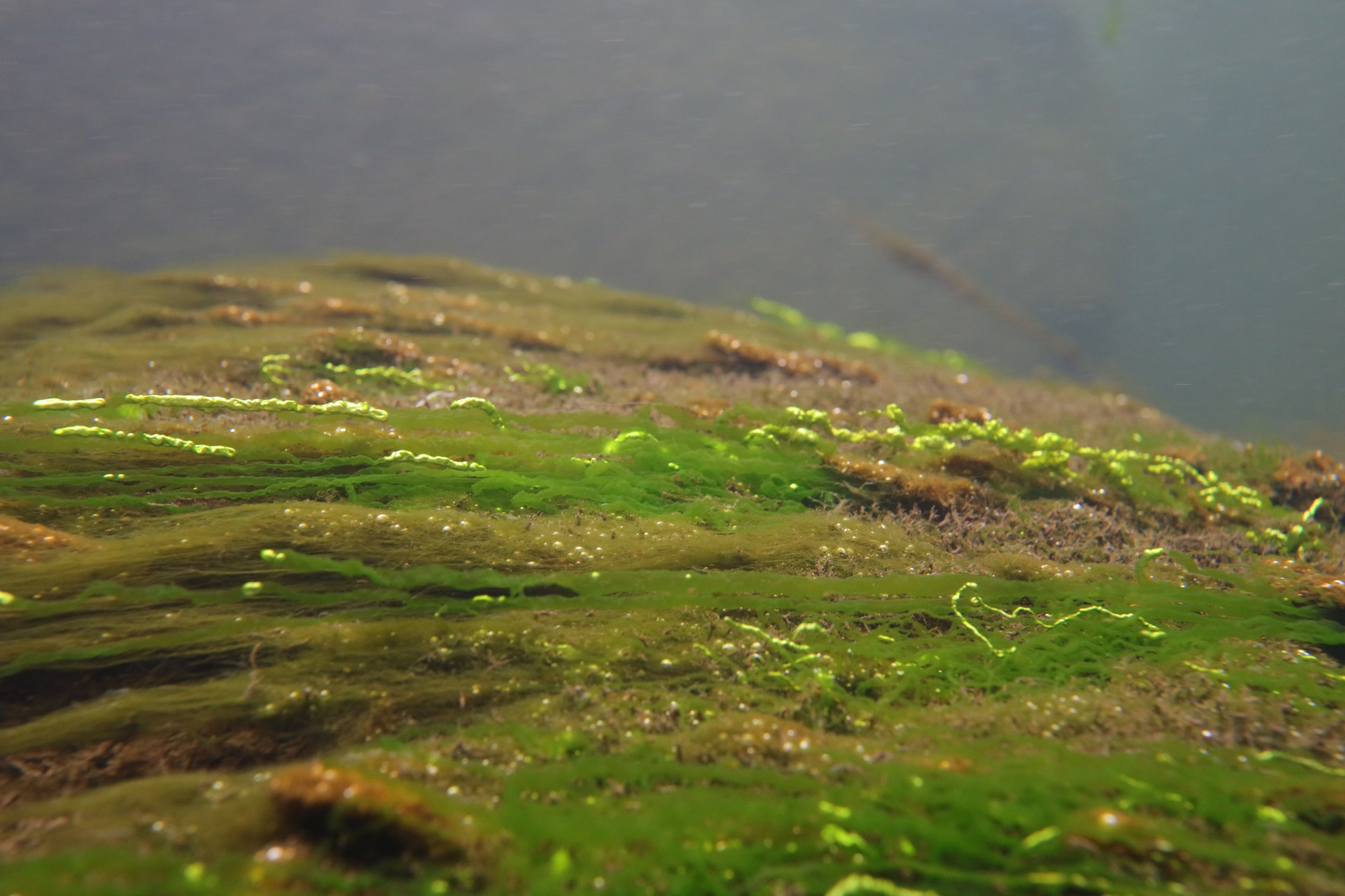
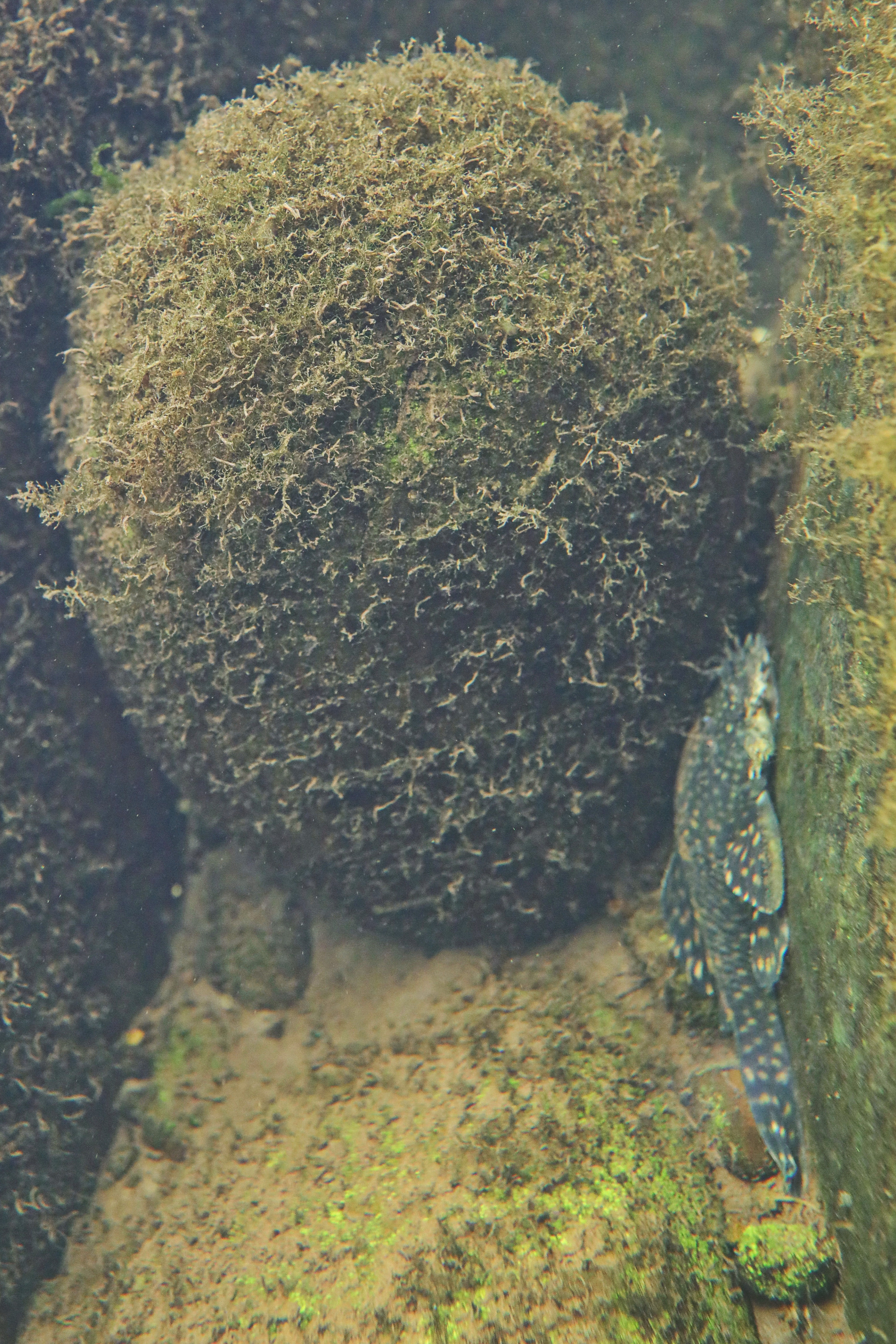
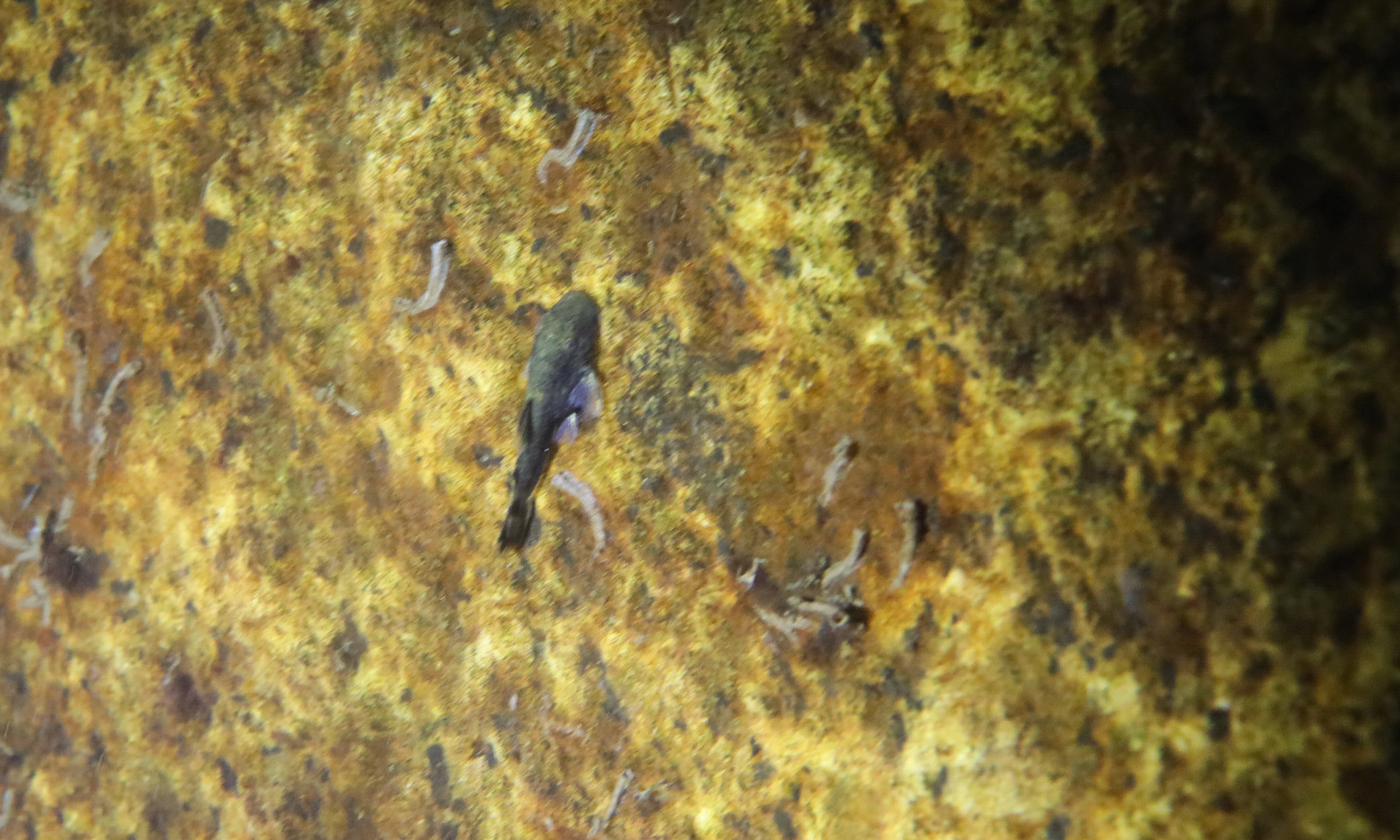
Das Schnorcheln im 19 °C kaltem Wasser war sehr speziell: Niemand sah freischwimmende Fische. Zumindest Forellenartige hätte man erwarten können. Dafür waren Algen zu sehen, die den Teilnehmern vollkommen unbekannt waren. Beim genauen Absuchen der Felsen konnten dann endlich auch Fische entdeckt werden. Erst ein kleiner Saugwels, dann später auch ein etwa 12 cm großes Exemplar – vermutlich aus der Gattung Ancistrus. Das war eine echte Sensation und die Welse wurden spontan Ancistrus macchupichii getauft!

Die JBL Wassertests zeigten bei einem pH-Wert von 8,9 eine Gesamthärte von 19 °dGH und eine Karbonathärte von 10 °dKH – den Mineralien aus den Anden geschuldet. Sauerstoff lag bei Maximalwerten um die 10 mg/l und sogar Eisen war mit 0,05 mg/l messbar. Typisch für Gebirgsflüsse war die hohe Leitfähigkeit von 1000 µS/cm, die sich aber eben nicht nur aus Magnesium und Kalzium (=GH) zusammensetzte, sondern noch aus vielen, nicht messbaren, Mineralien rekrutiert.

Information and consent to cookies & third-party content

We use technically necessary cookies/tools to offer, operate and secure this service. Furthermore ,with your express consent , we use cookies/tools for marketing, tracking, creating personalised content on third-party sites and for displaying third-party content on our website. You can revoke your consent at any time with effect for the future via the menu item ‘Cookie settings’.
By clicking on ‘Allow all’, you give us your express consent to the use of cookies/tools to improve the quality and performance of our service, for functional and personalised performance optimisation, to measure the effectiveness of our ads or campaigns, for personalised content for marketing purposes, including outside our website. This enables us to provide personalised online ads and extended analysis options about your user behaviour. This also includes accessing and storing data on your device. You can revoke your consent at any time with effect for the future via the menu item ‘Cookie settings’.
You can use the ‘Change settings’ button to grant and revoke individual consent to the cookies/tools and receive further information on the cookies/tools we use, their purposes and duration.
By clicking on ‘Only absolutely necessary’, only technically necessary cookies/tools are used.

W naszej strefie Polityka prywatności dowiedzą się Państwo, jak przetwarzamy dane osobowe i do jakich celów wykorzystujemy przetwarzanie danych.

Proszę wybrać swoje ustawienia Cookie

Wiadomości PUSH od JBL

Jako część standardu W3C, powiadomienia Web definiują API dla powiadomień użytkowników końcowych, które są wysyłane za pośrednictwem przeglądarki na pulpit urządzeń stacjonarnych i/lub urządzeń mobilnych użytkowników. Powiadomienia pojawiają się na urządzeniach końcowych tak, jak jest to znane użytkownikowi końcowemu z aplikacji zainstalowanych na urządzeniu (np. wiadomości e-mail).

Powiadomienia web push pojawiają się na pulpicie lub ekranie urządzenia mobilnego, kiedy użytkownik ma otwartą przeglądarkę - niezależnie od tego, czy użytkownik jest na tej stronie internetowej, czy nie.

Powiadomienia te umożliwiają operatorowi witryny kontaktowanie się z jego użytkownikami tak długo, jak długo mają oni otwartą przeglądarkę - niezależnie od tego, czy użytkownik aktualnie odwiedza stronę internetową, czy nie.

Aby móc wysyłać powiadomienia web push, wystarczy tylko strona internetowa z zainstalowanym kodem web push. Tym samym także marki bez aplikacji mogą korzystać z wielu zalet powiadomień push (spersonalizowana komunikacja w czasie rzeczywistym dokładnie w odpowiednim momencie.)

Powiadomienia internetowe są częścią standardu W3C i definiują API dla powiadomień użytkowników końcowych. Powiadomienie umożliwia poinformowanie użytkownika poza kontekstem strony internetowej o wydarzeniu, jak na przykład nowy wpis na blogu.

Usługa ta jest udostępniona bezpłatnie przez firmę JBL GmbH & Co. KG, i można ją równie łatwo aktywować jak i dezaktywować.